Feb 21, 2026
Abstract Working memory capacity is a robust predictor of higher-order cognitive abilities, and individuals with low working memory capacity have long been characterized as more susceptible to attentional capture by irrelevant distractors. However, recent evidence...

Feb 21, 2026
Working memory capacity (WMC) refers to how well people can hold and work with information in mind while ignoring distractions. This essay reviews how researchers measure WMC, what distinguishes people with low versus high capacity, and whether training can improve...
Feb 16, 2026
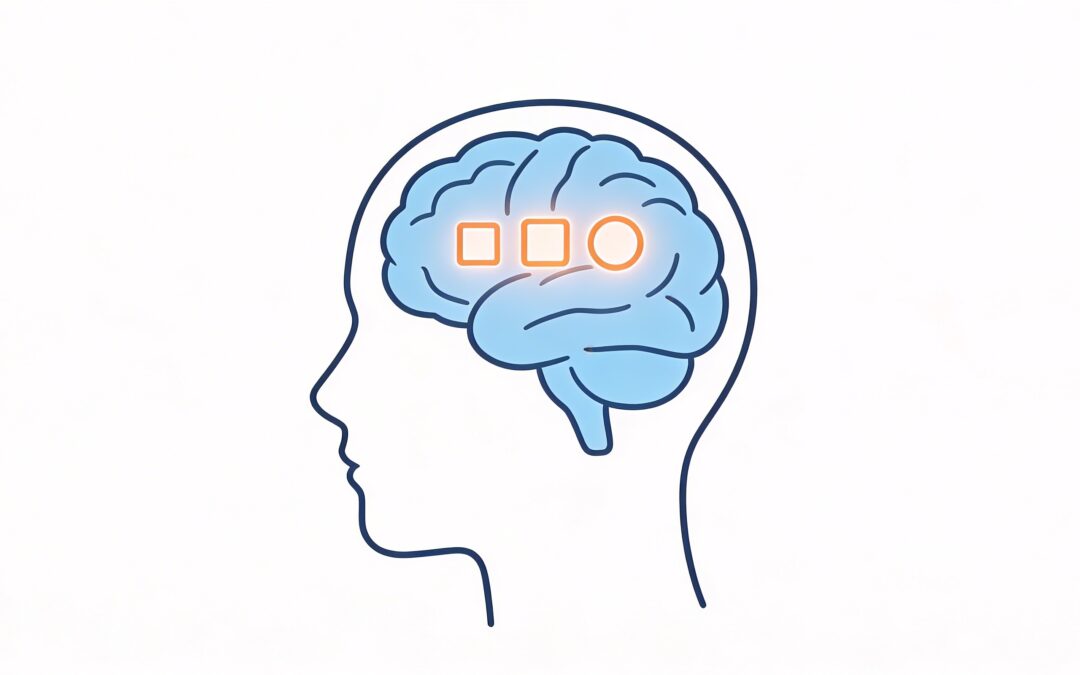
Working memory capacity (WMC) represents one of the most consequential constructs in modern cognitive psychology, serving as a critical gateway through which information must pass before gaining access to higher cognitive functions. This essay examines the conceptual...

Feb 16, 2026
Reading is a fundamental cognitive skill that underpins academic achievement, professional success, and everyday functioning in literate societies. Among its many dimensions, reading speed, the rate at which individuals can process written text, has received...

Jan 25, 2026
Burnout, operationalised as a syndrome of chronic workplace stress resulting in exhaustion, cynicism, and reduced efficacy, is associated with measurable alterations in neurobiological systems that govern cognitive performance. This essay examines the specific and...
Jan 10, 2026
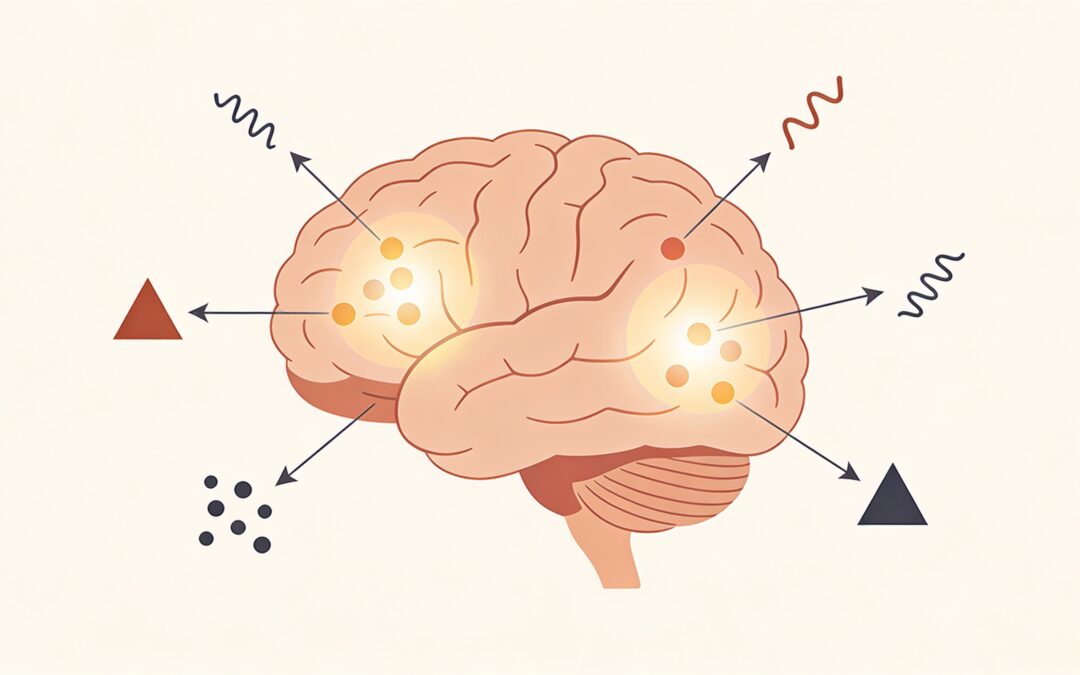
In contemporary cognitive neuroscience, the construct of “noise” in working memory research operates within two distinct but interrelated conceptual frameworks: first, as a theoretical mechanism explaining the fundamental computational constraints on...