
Dorota Styk
Cognitive Neuroscientist & Psychologist
Machine Learning Architect | Data Scientist
Cognitive interventions research and applications | Digital Health
Founder & main architect of NeuxScience®
London, UK
🧠 PhD Researcher in Computational Cognitive Neuroscience and Psychology
Dynamic Memory and Cognition Laboratory (DMC Lab)
Centre for Cognition, Computation and Modelling (CCCM)
School of Psychological Sciences
Birkbeck, University of London
MERLiNer
Birkbeck, University of London
GMBPsS
Research Focus
Cognitive interventions research and applications. Working Memory. Learning Transfer. Cognitive Impairment. Cognitive aging.
Education
PhD in Computational Cognitive Neuroscience and Psychology, Birkbeck University of London
BSc Psychology and Neuroscience (with Honours), Birkbeck University of London (BPS accredited)
R for Reproducible Psychological Research (L6), Birkbeck, University of London
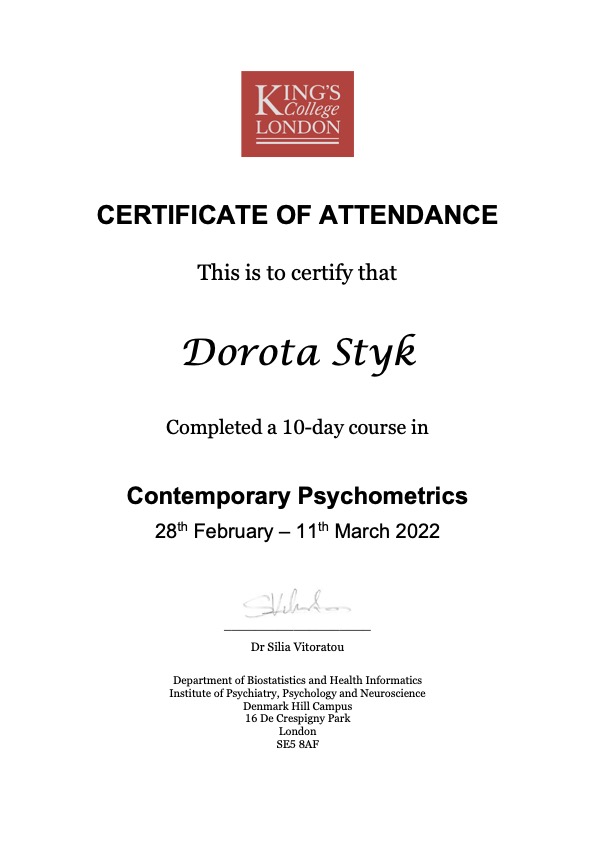
Contemporaty Psychometrics (10-day intensive on-site course; Stata), King’s College London
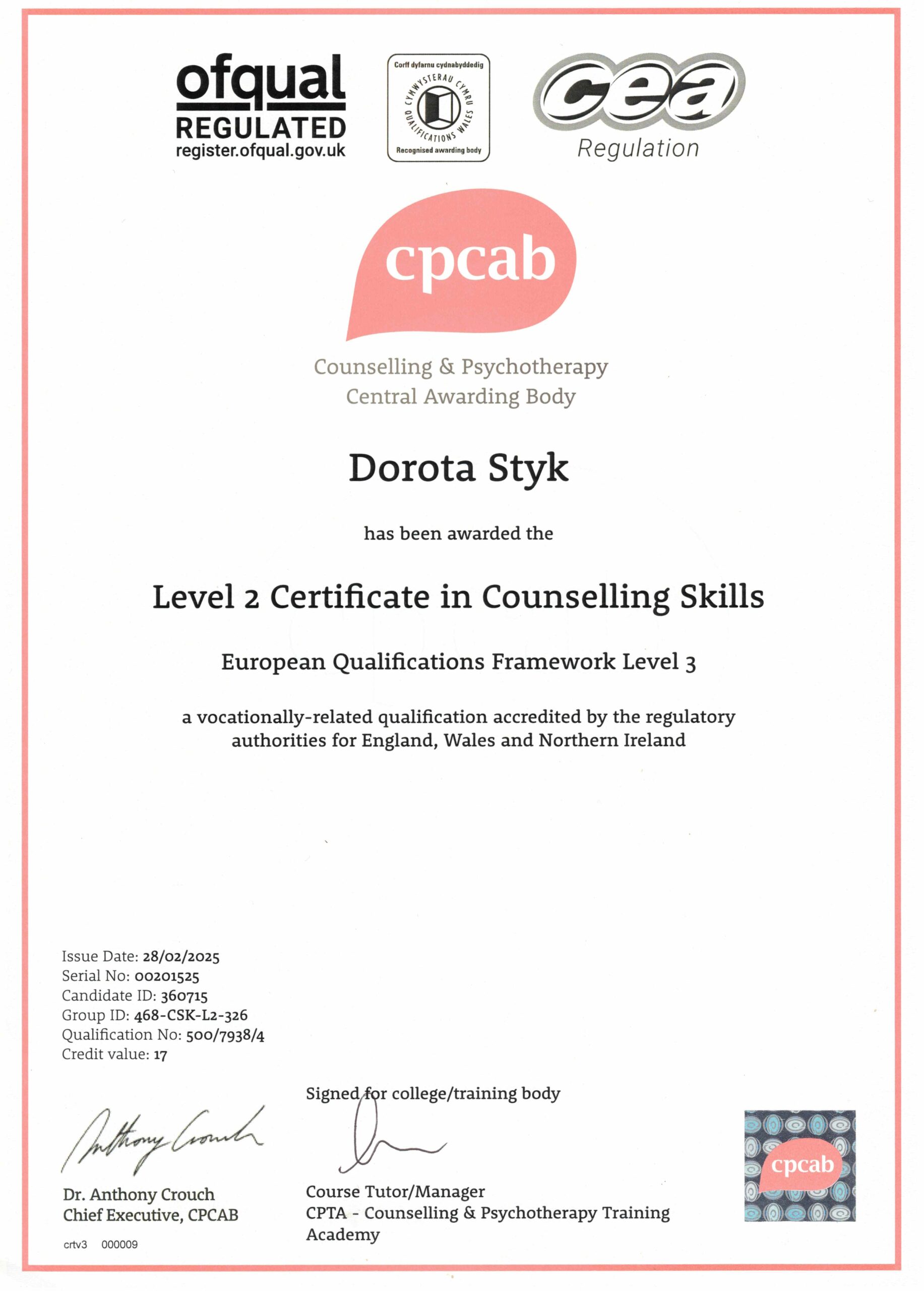
Counselling Skills (L2 Certificate) Counselling & Psychotherapy Training Academy, London (CPCAB; BACP accredited route) – 114 h
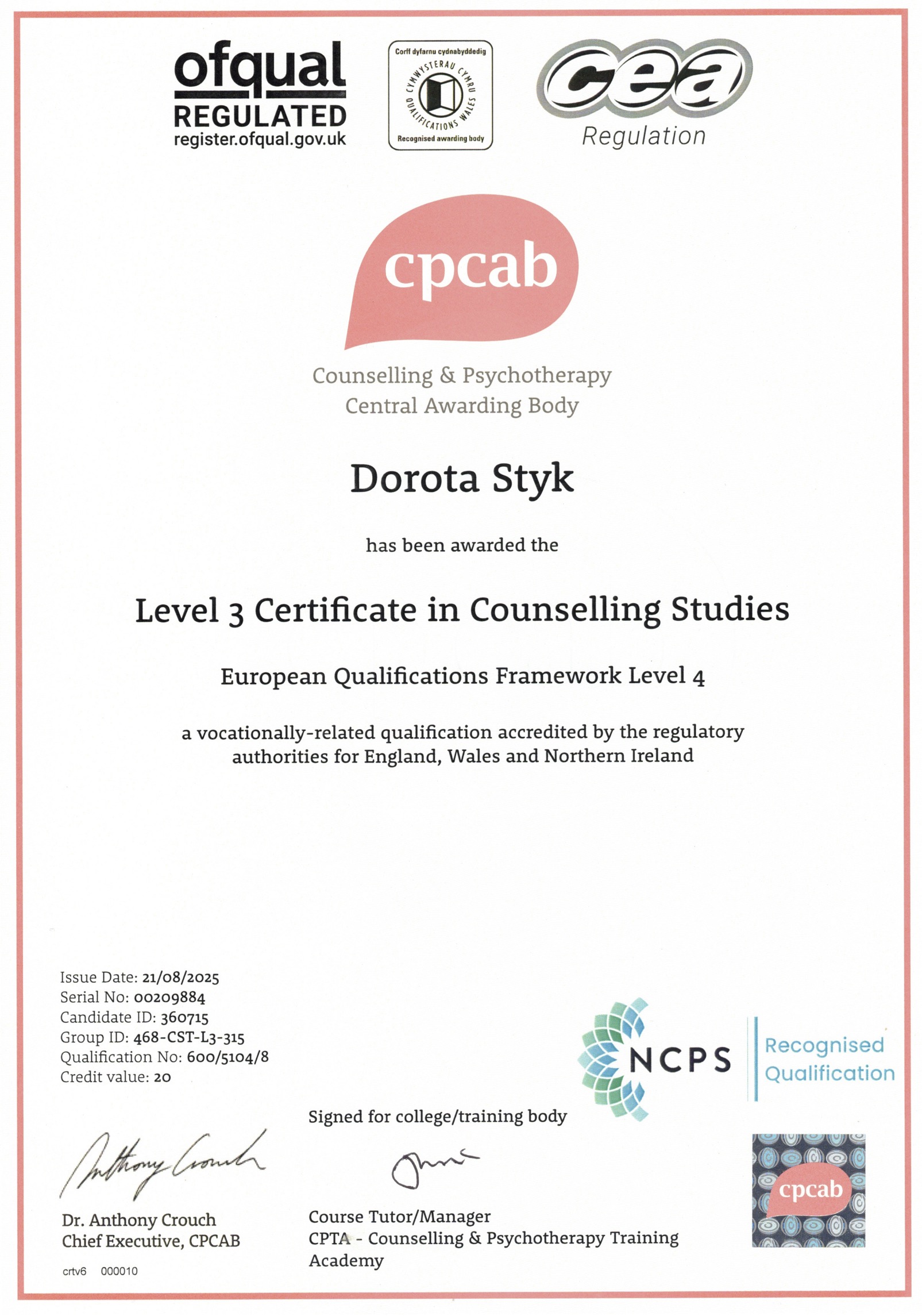
Counselling Studies (L3 Certificate) Counselling & Psychotherapy Training Academy, London (CPCAB & NCPS; BACP accredited route) – 108 h
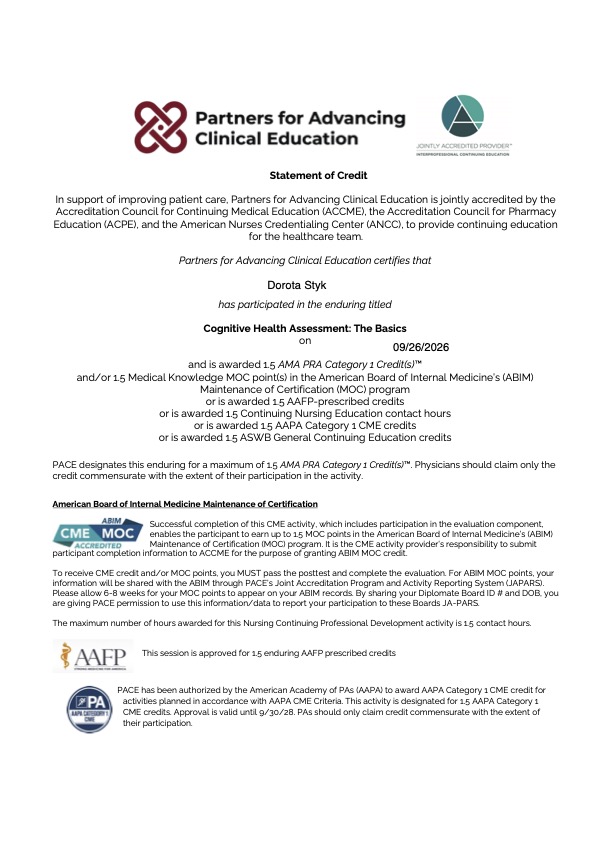
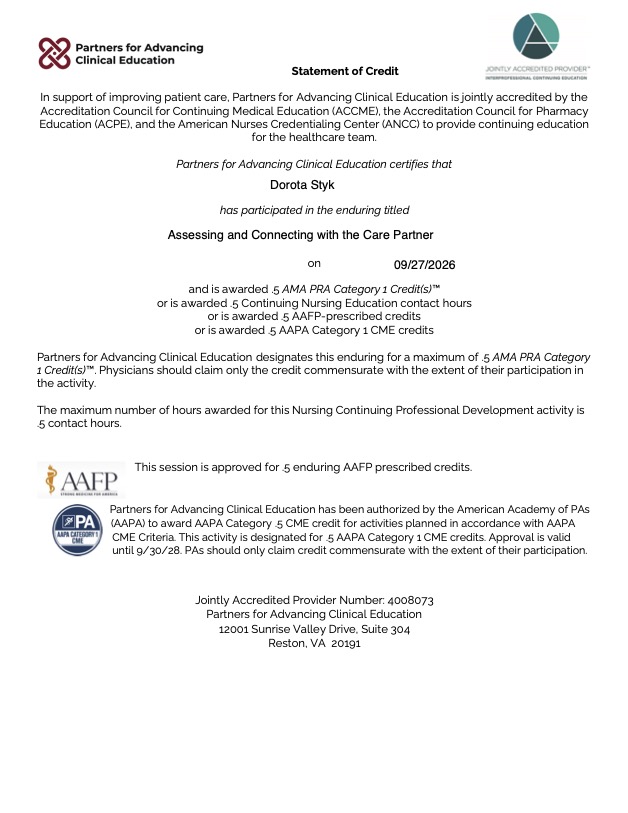
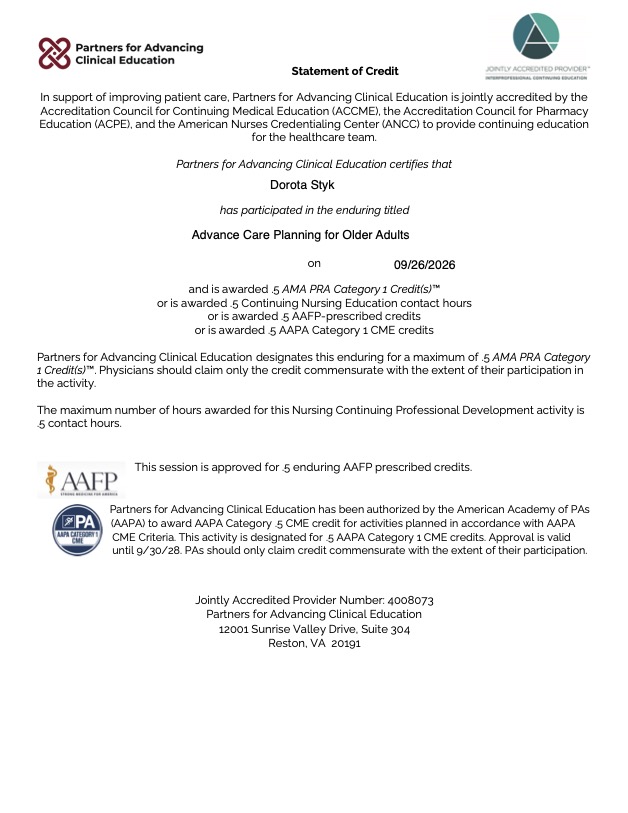
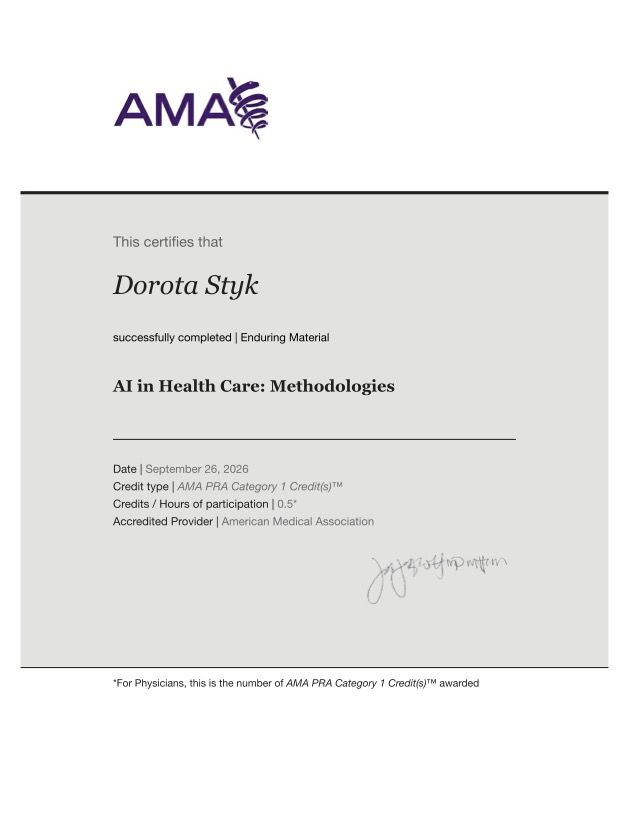
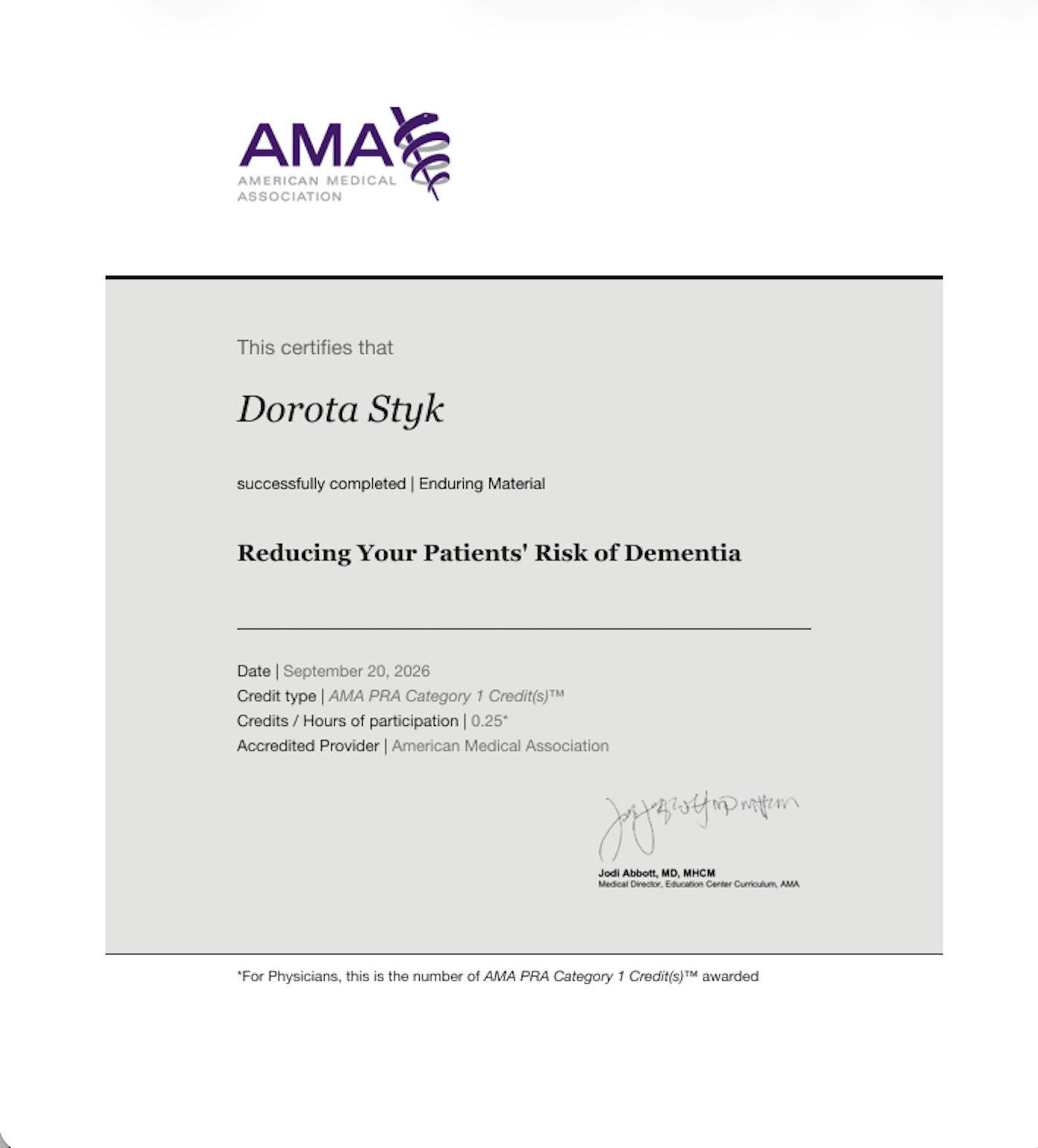
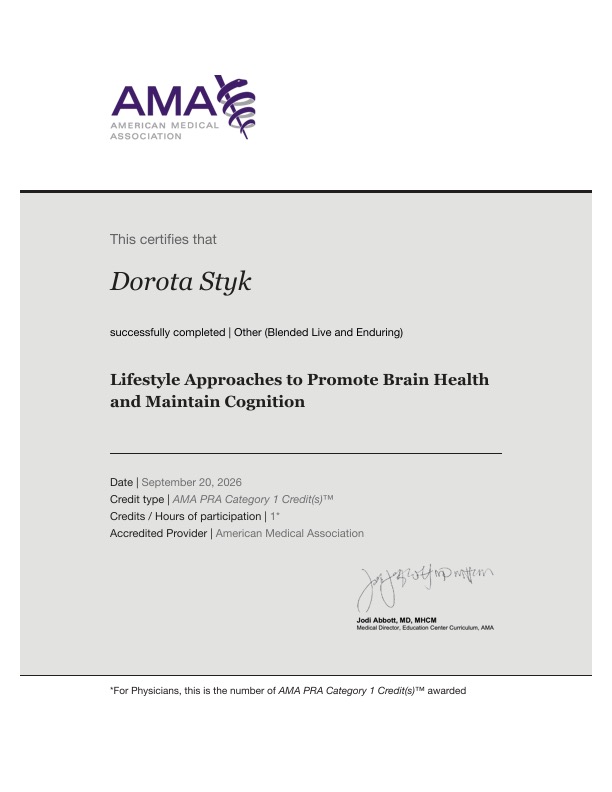
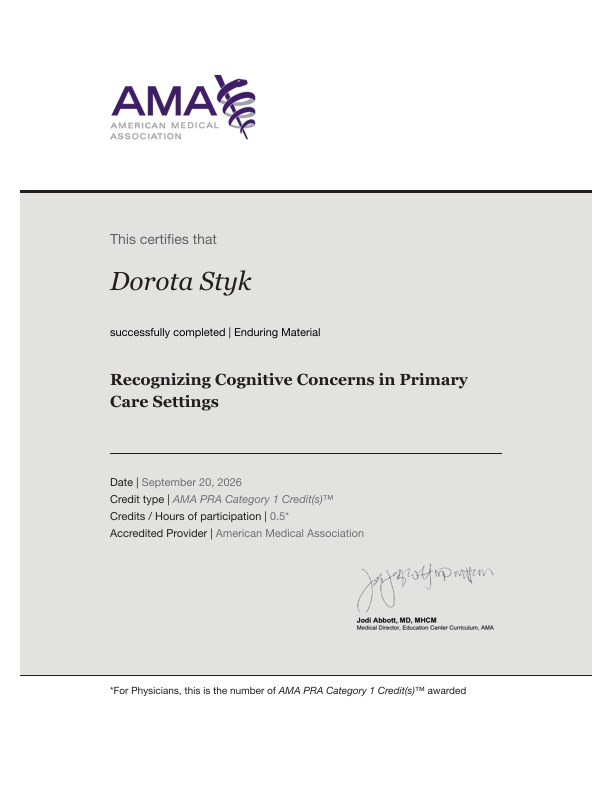
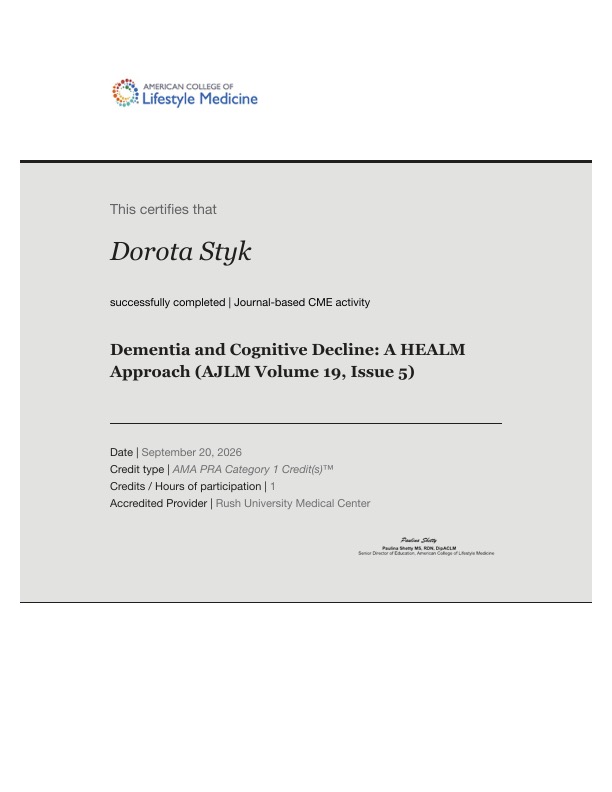
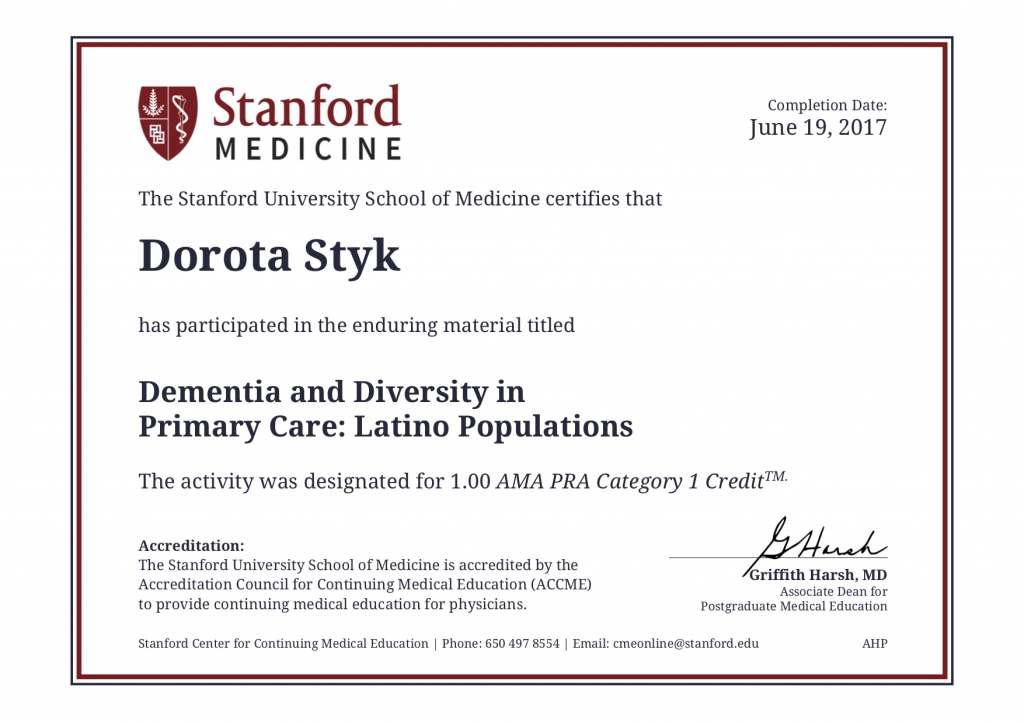
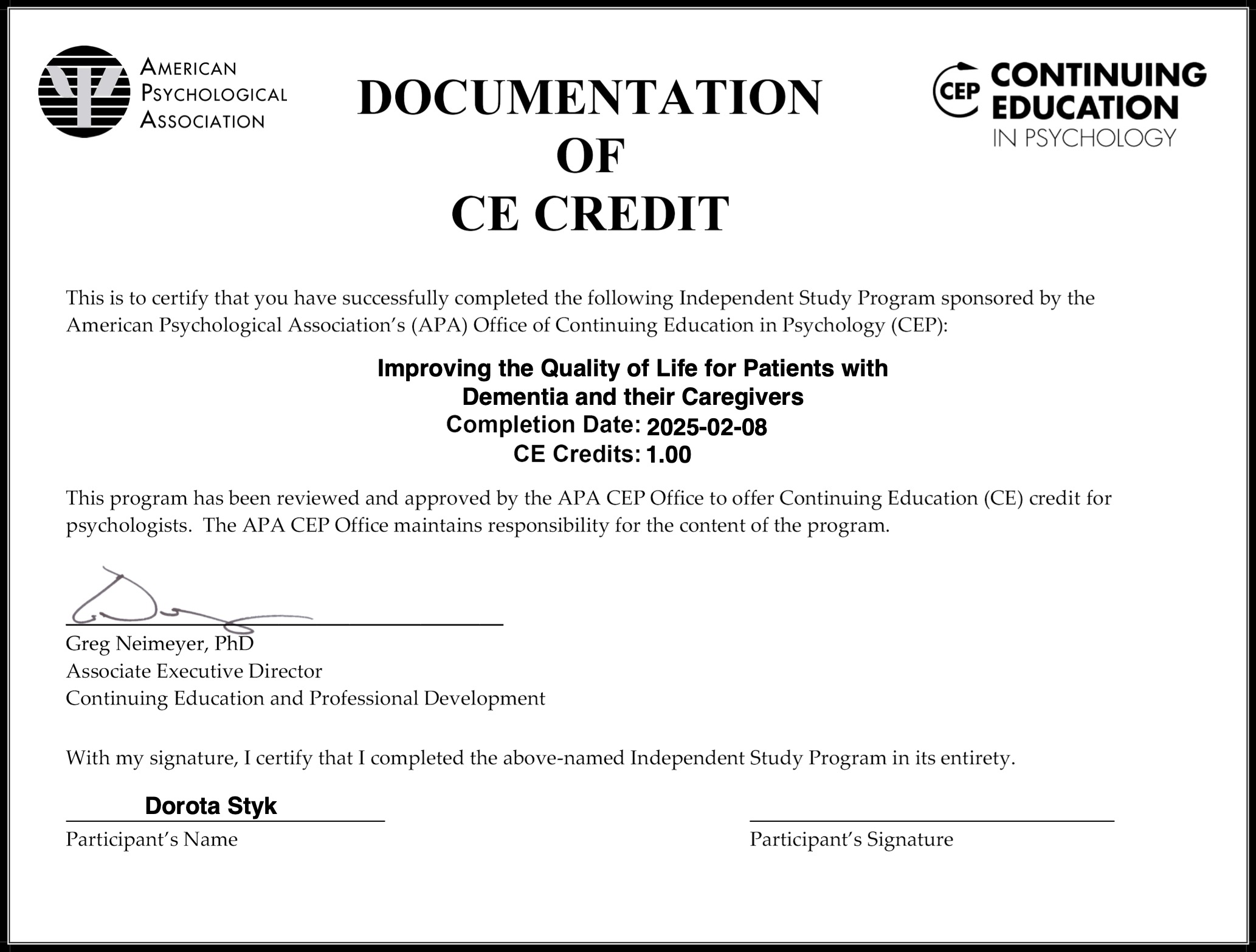
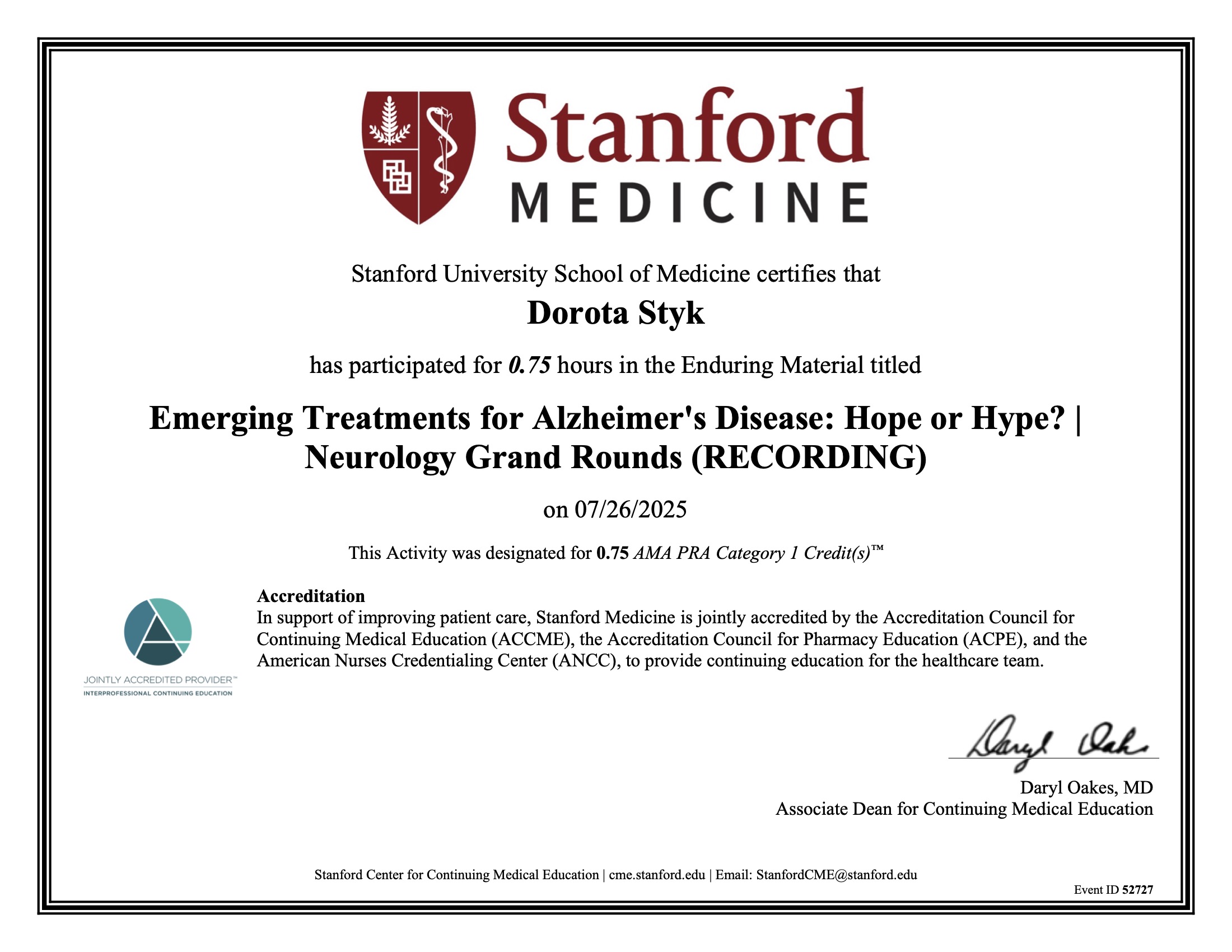
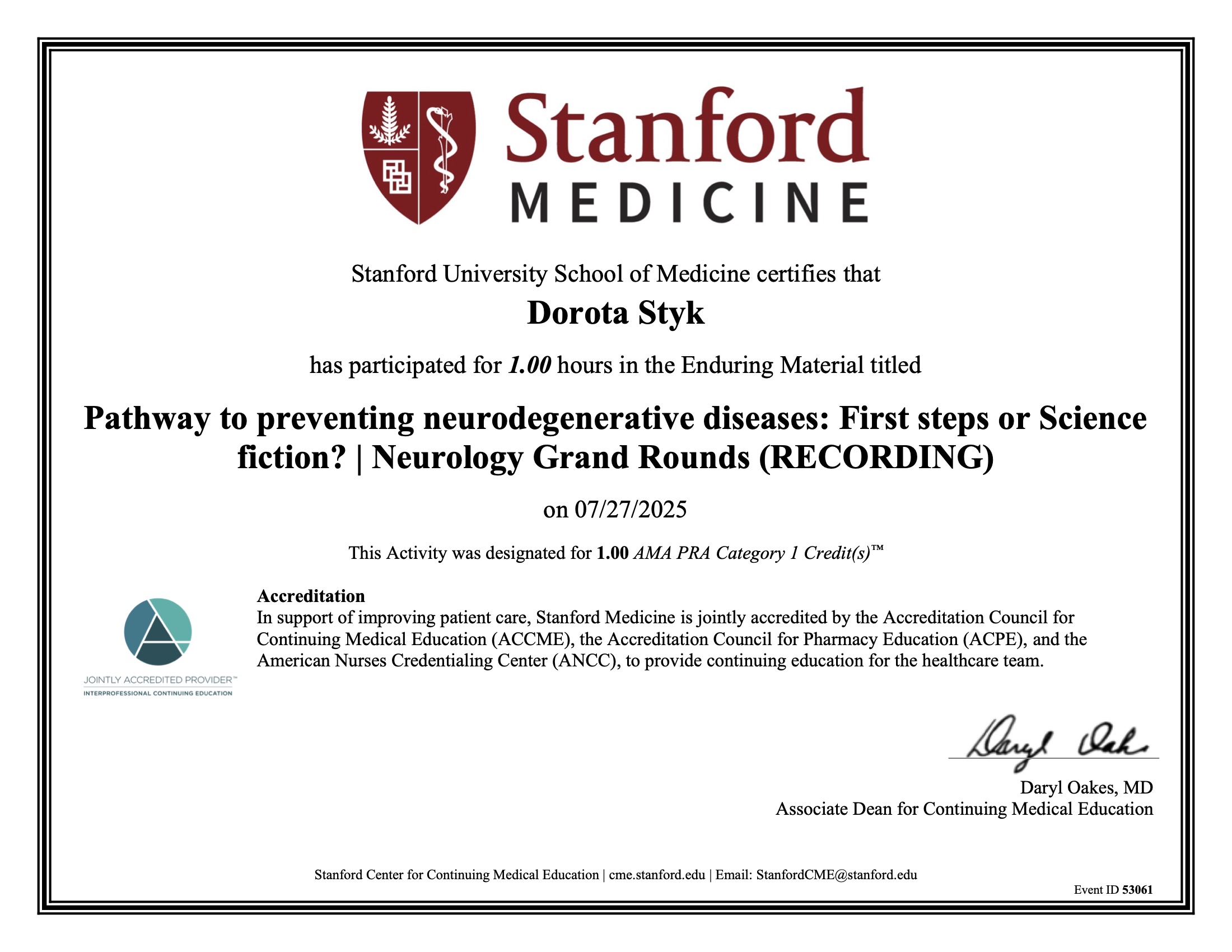
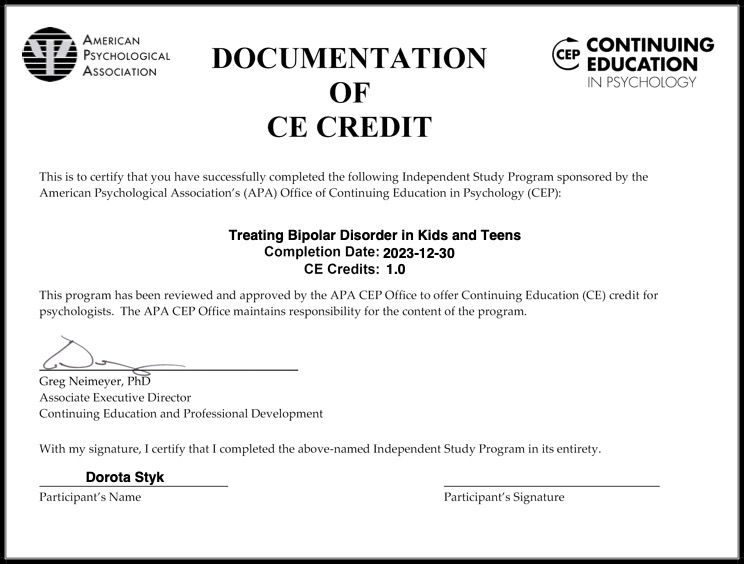
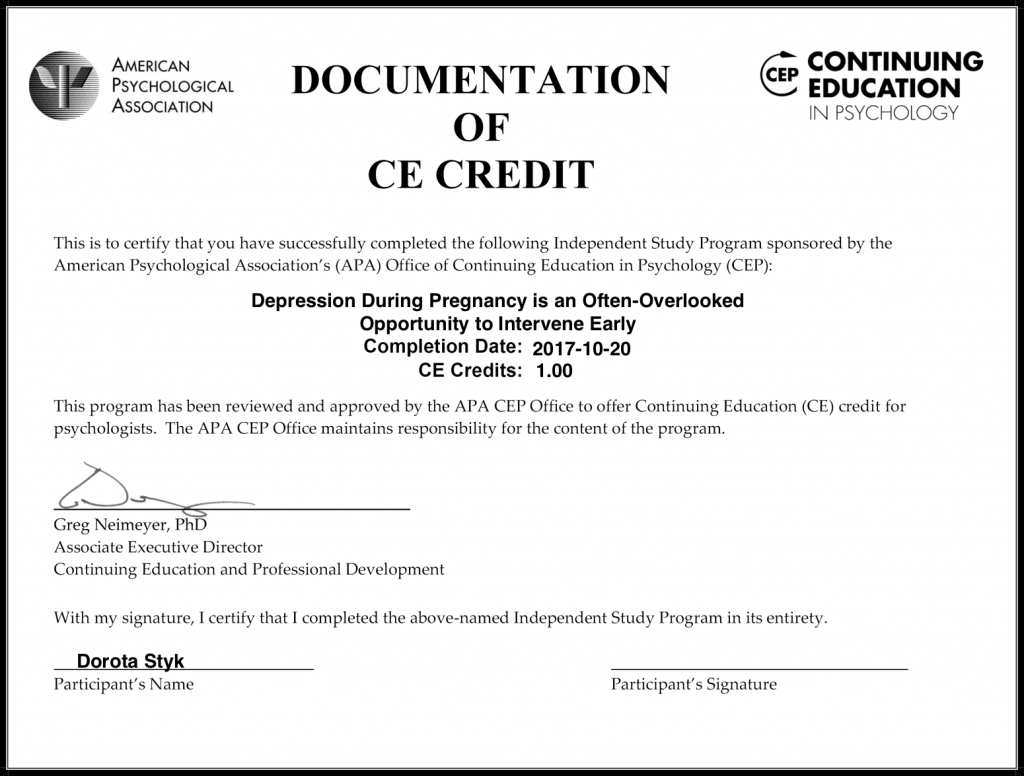
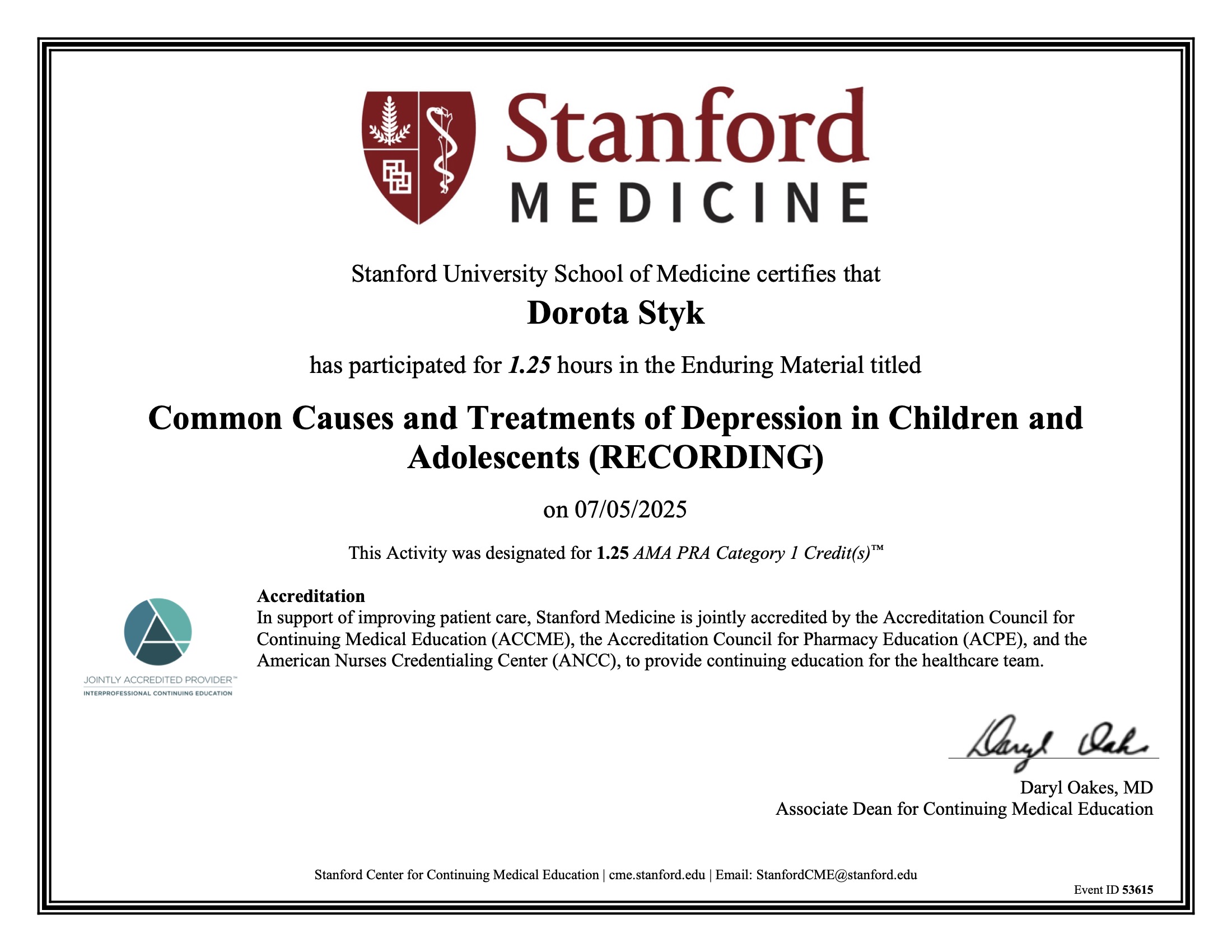
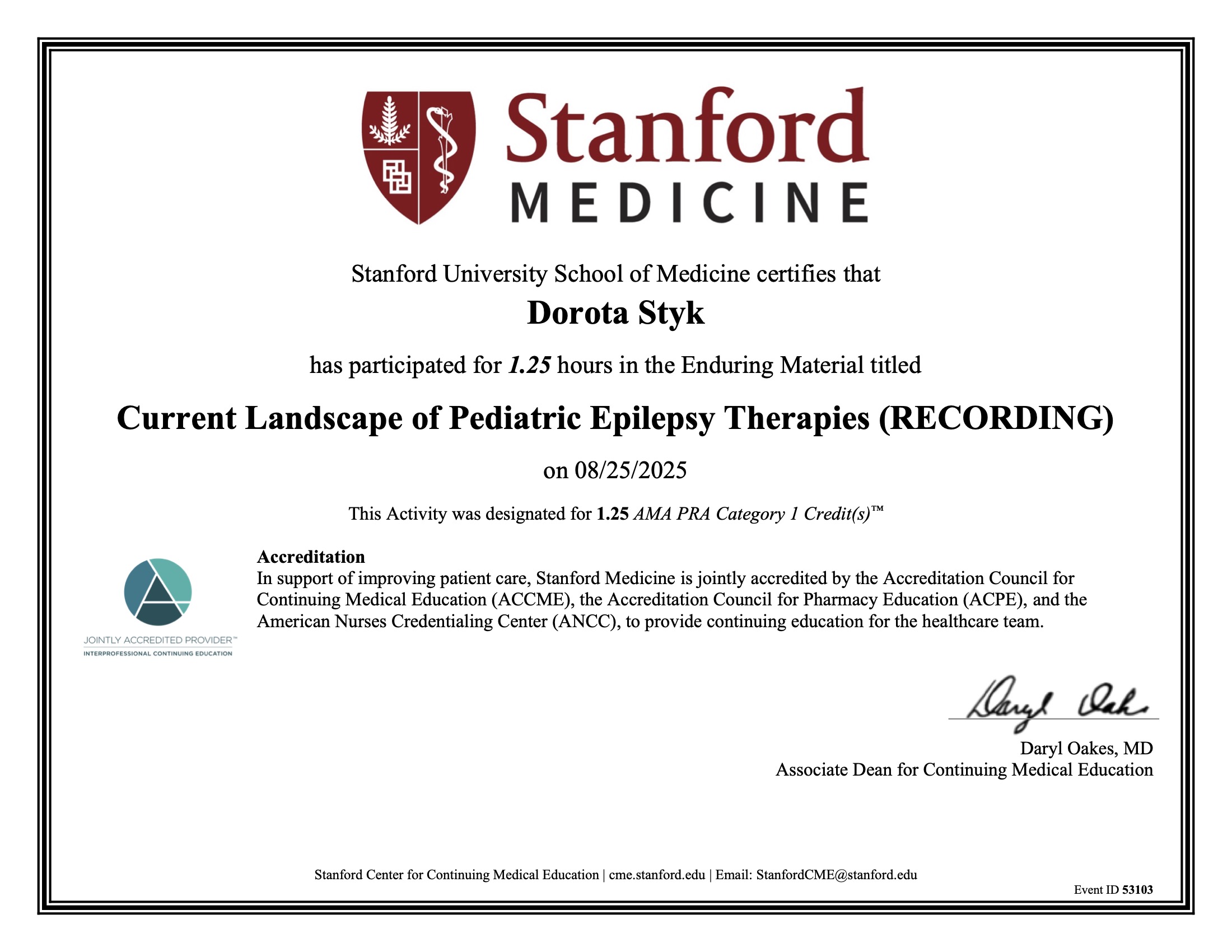
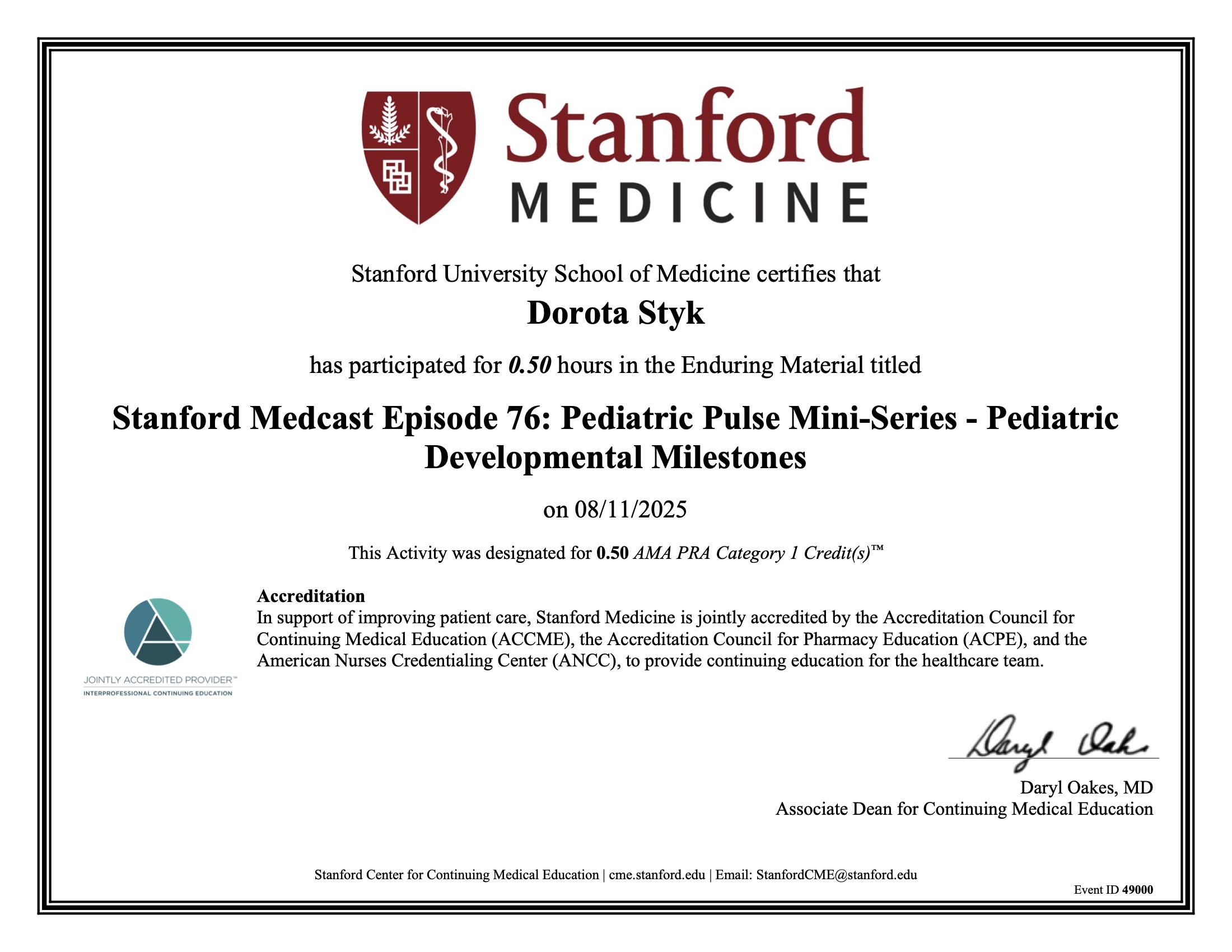
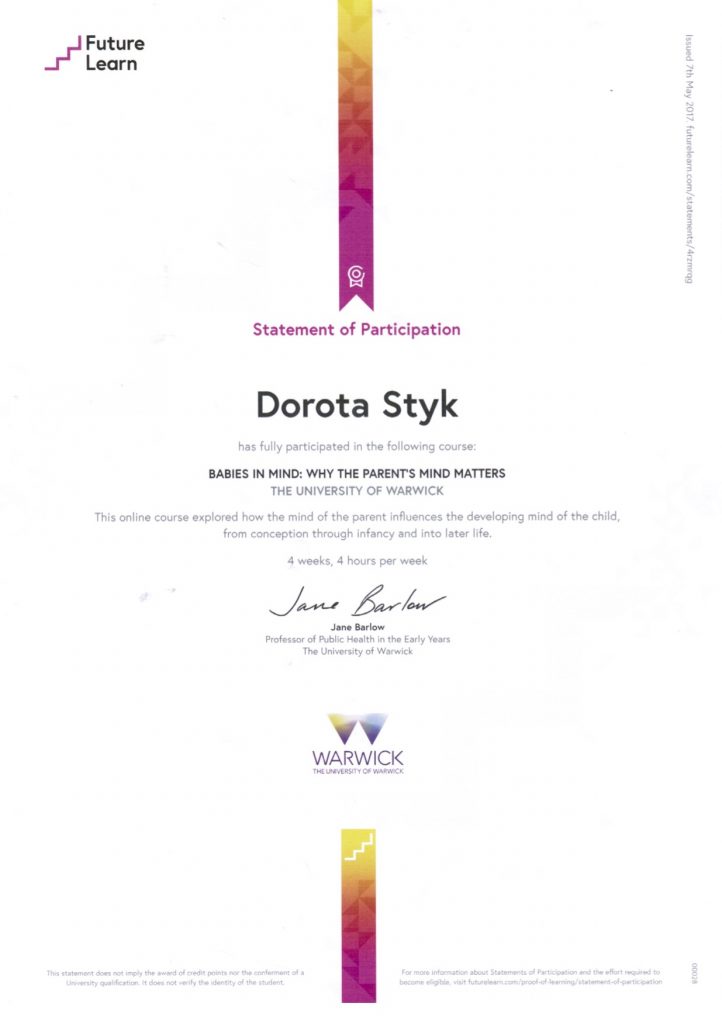
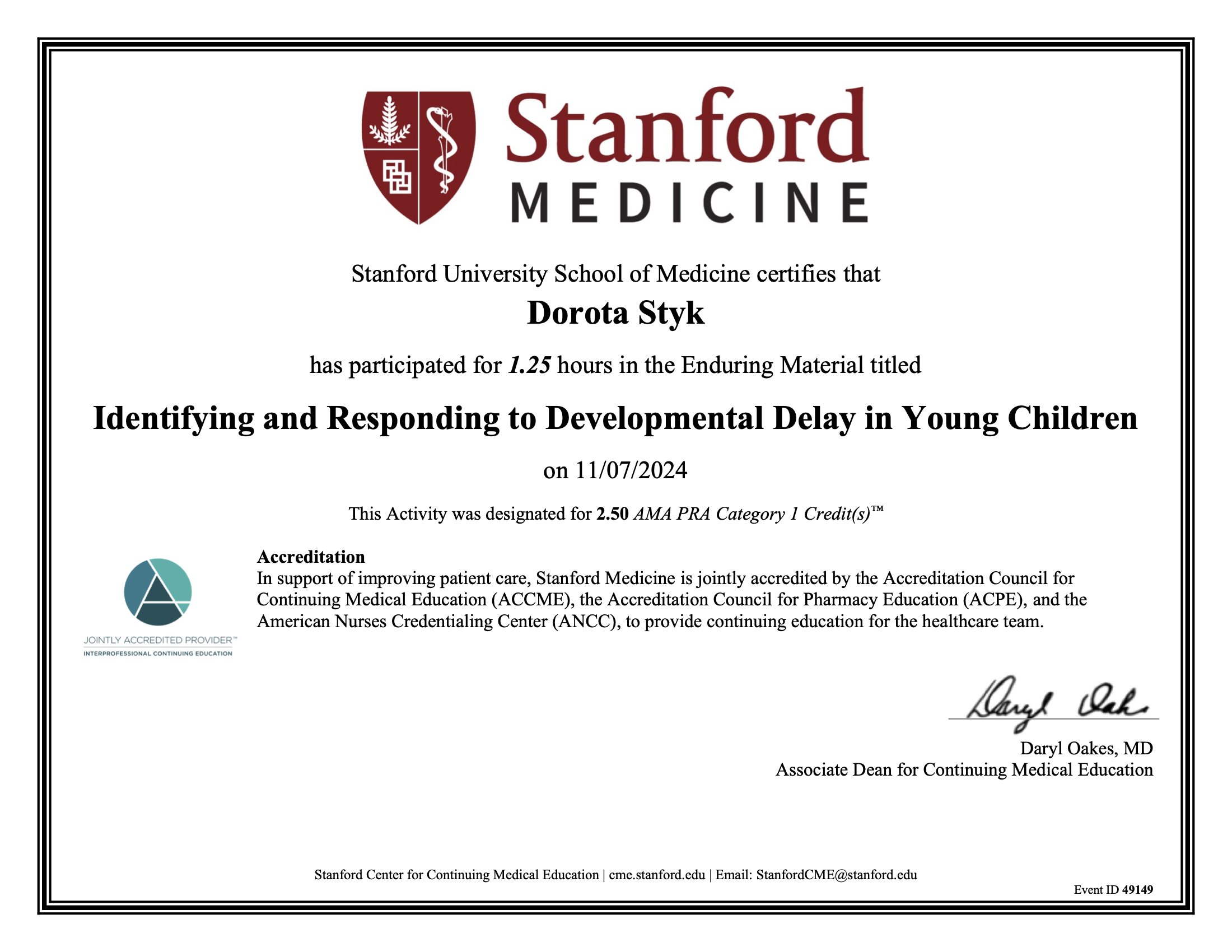
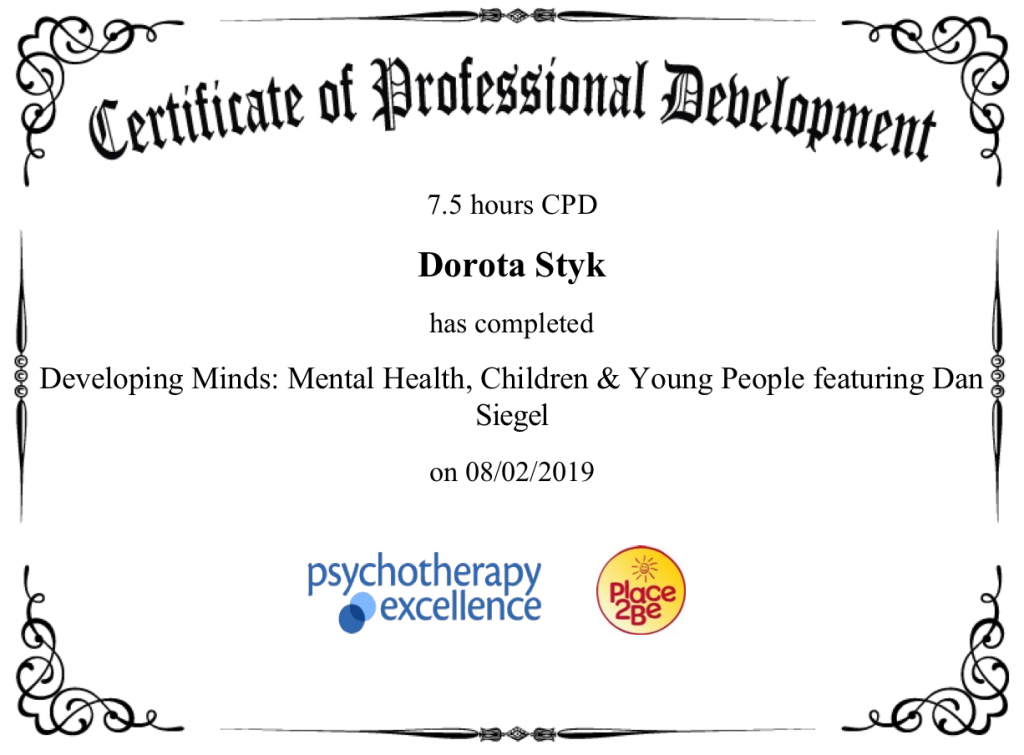
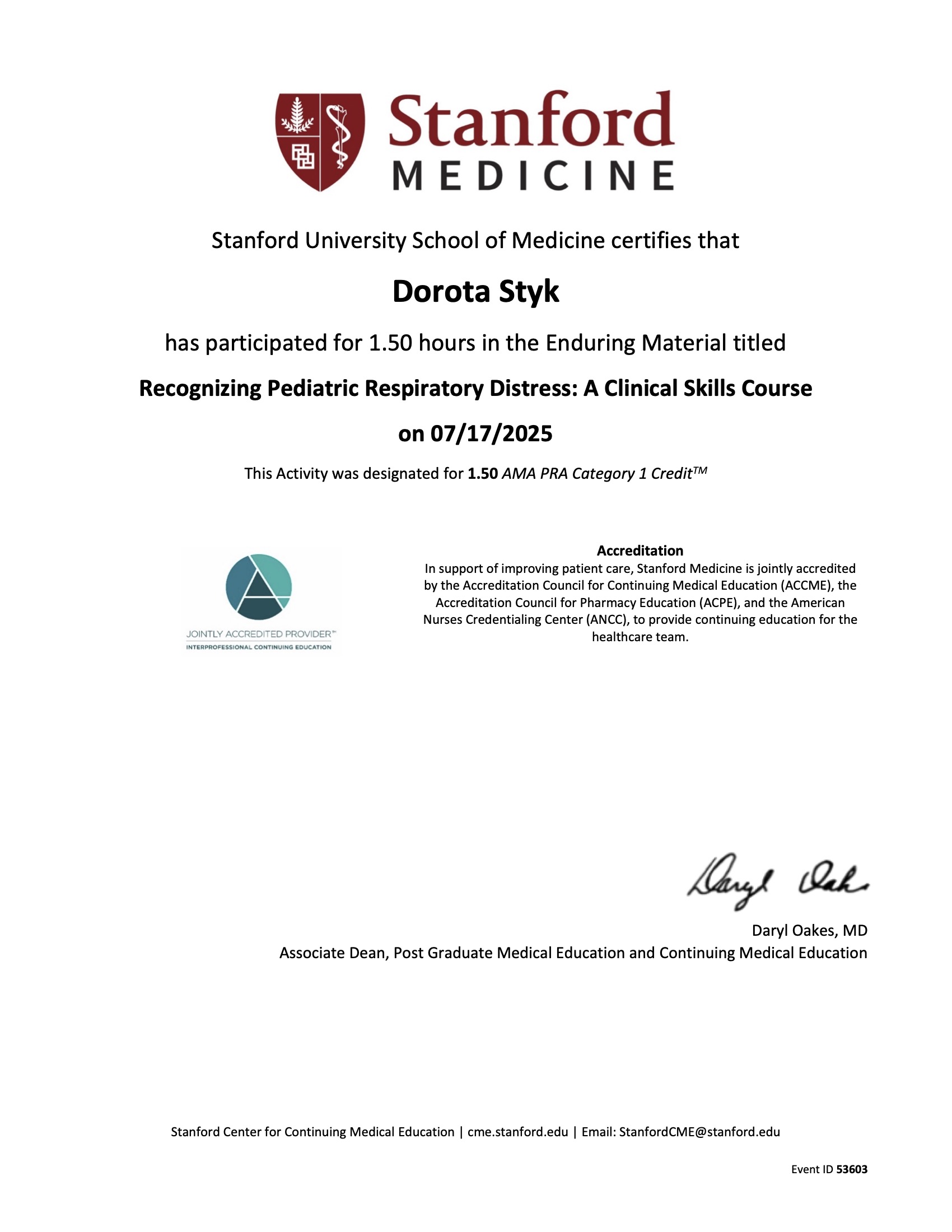
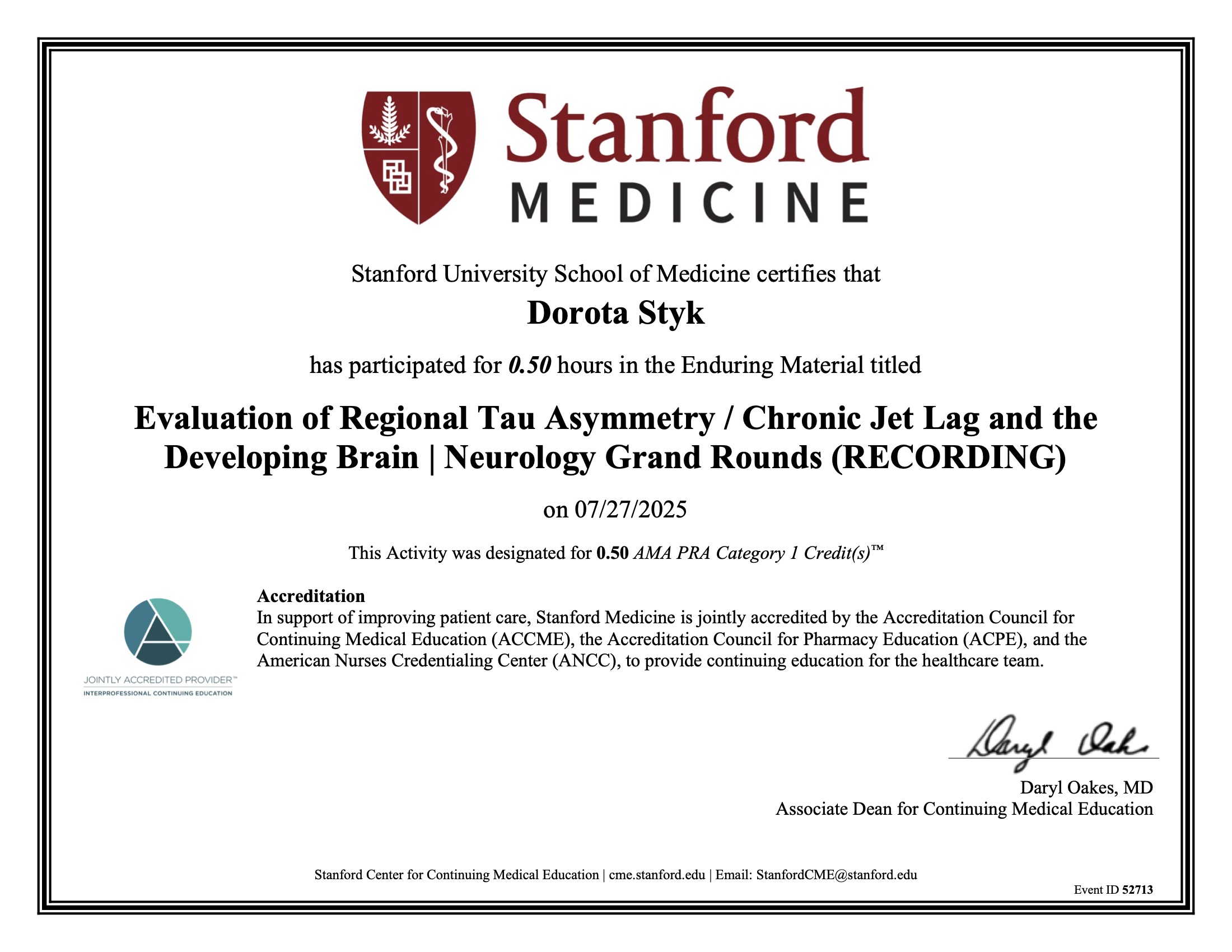
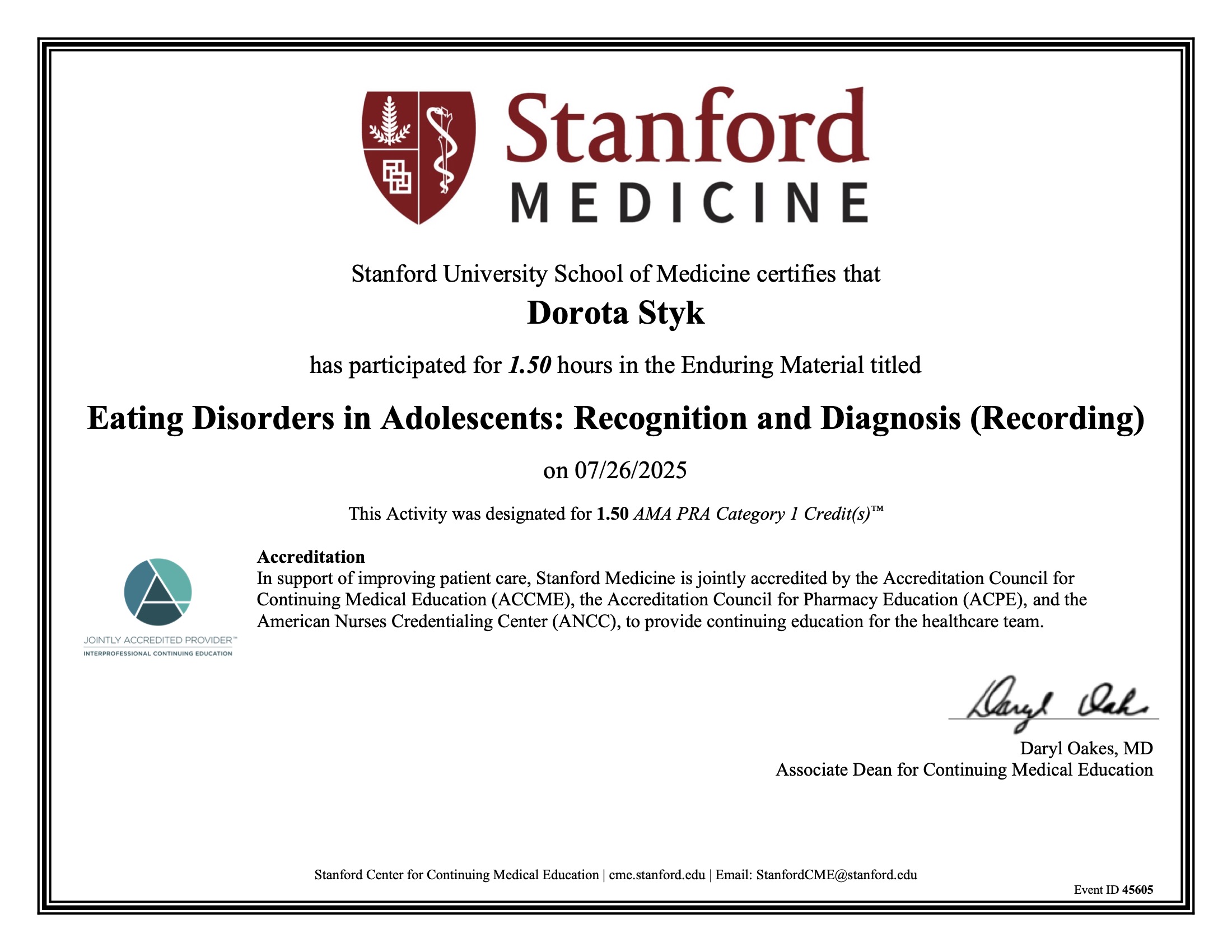
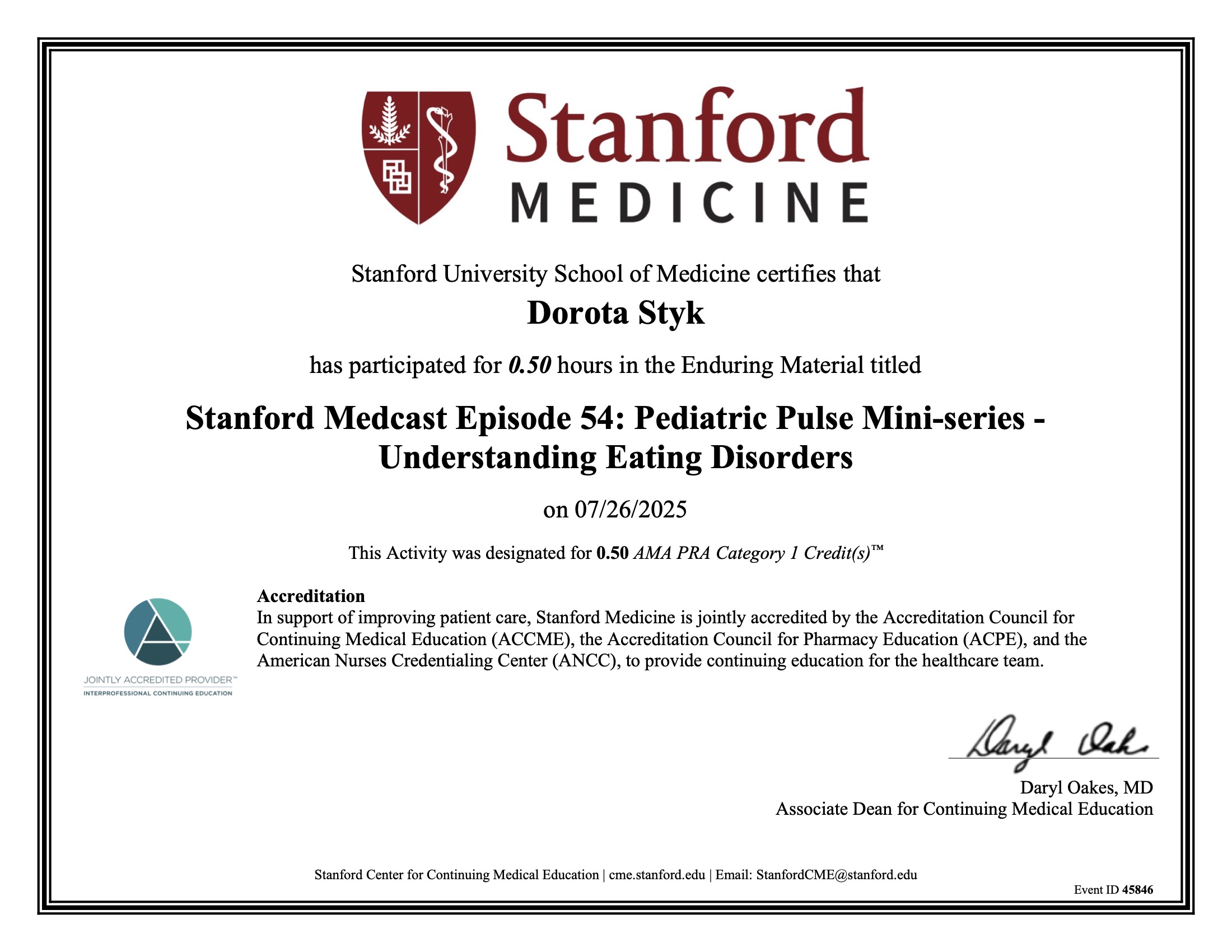
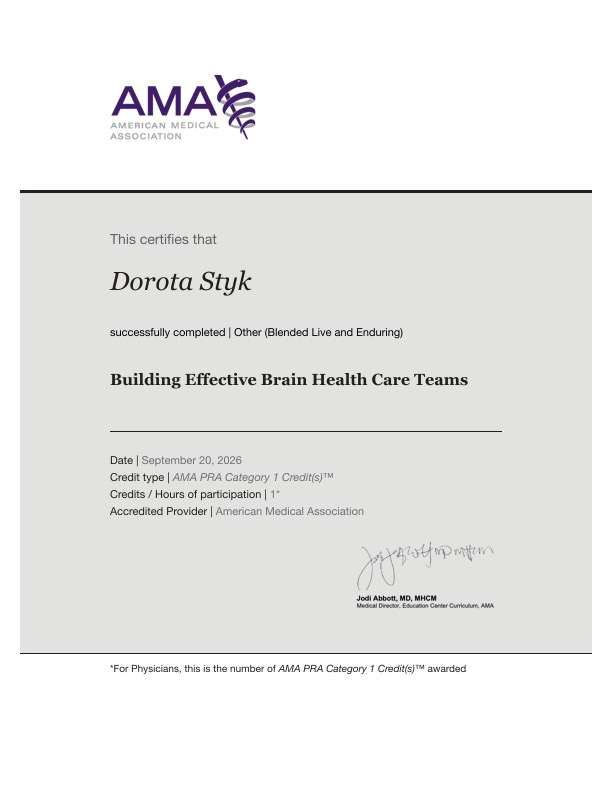
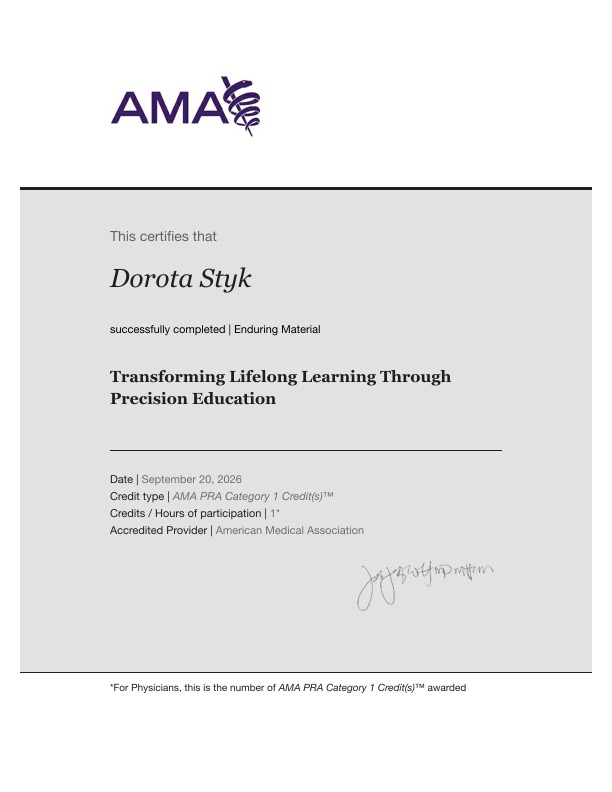
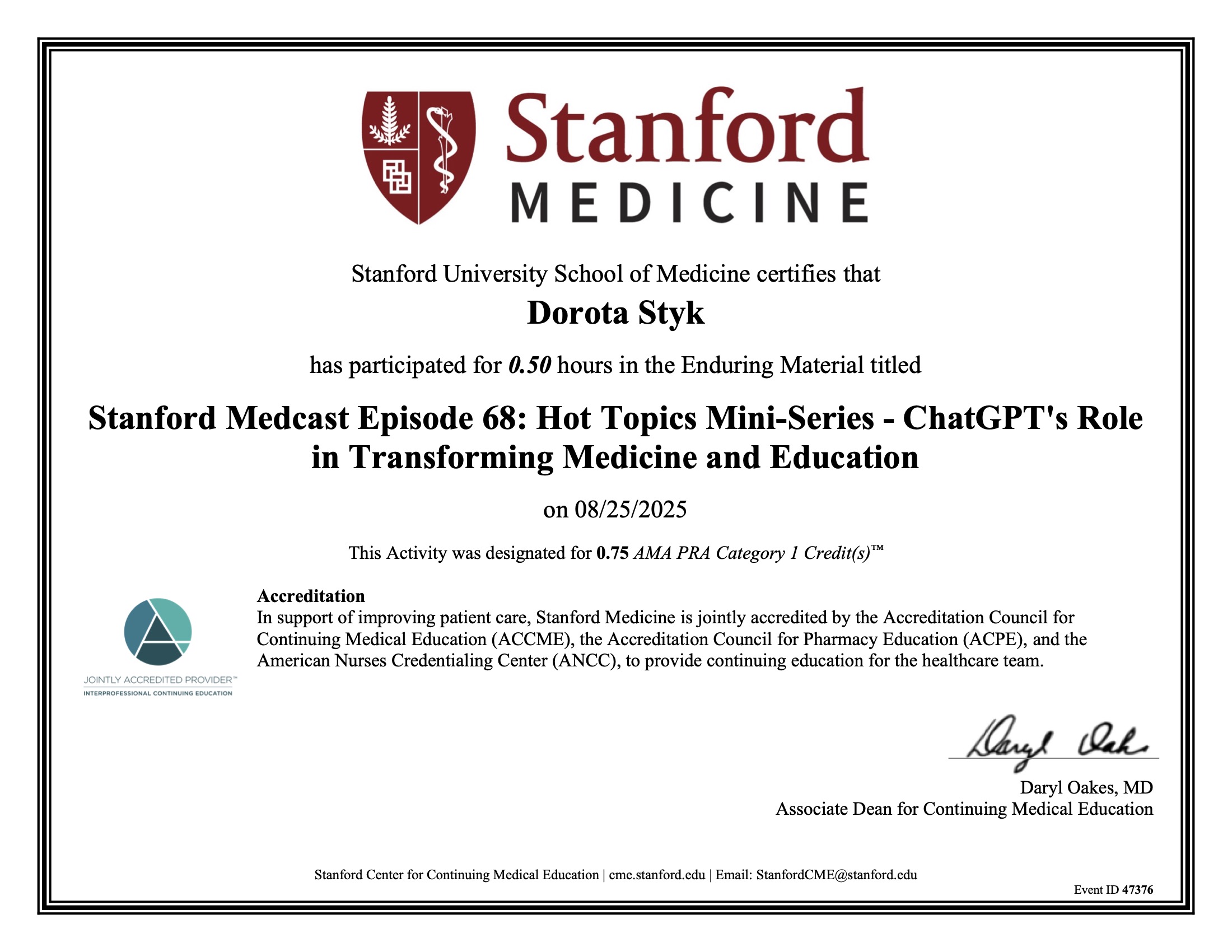
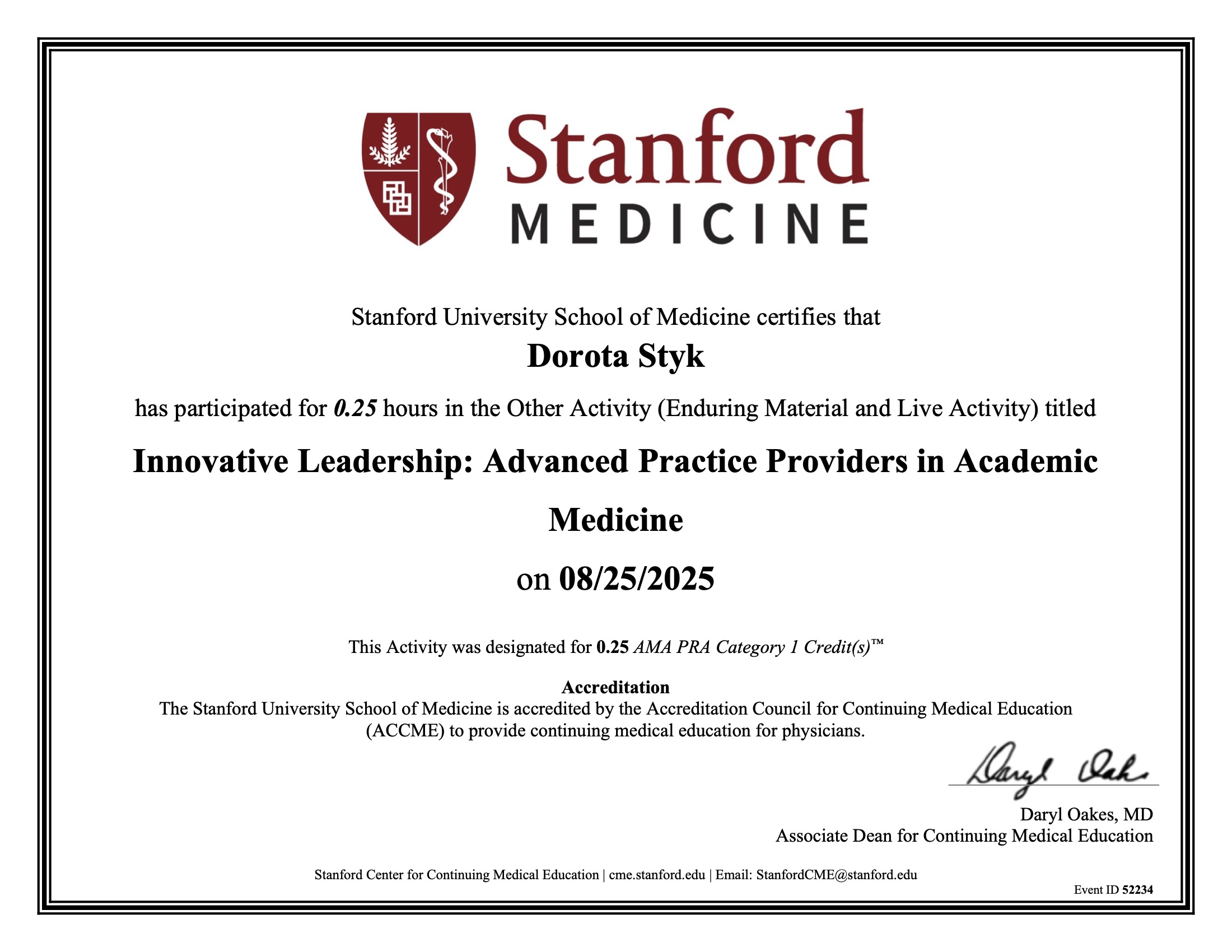
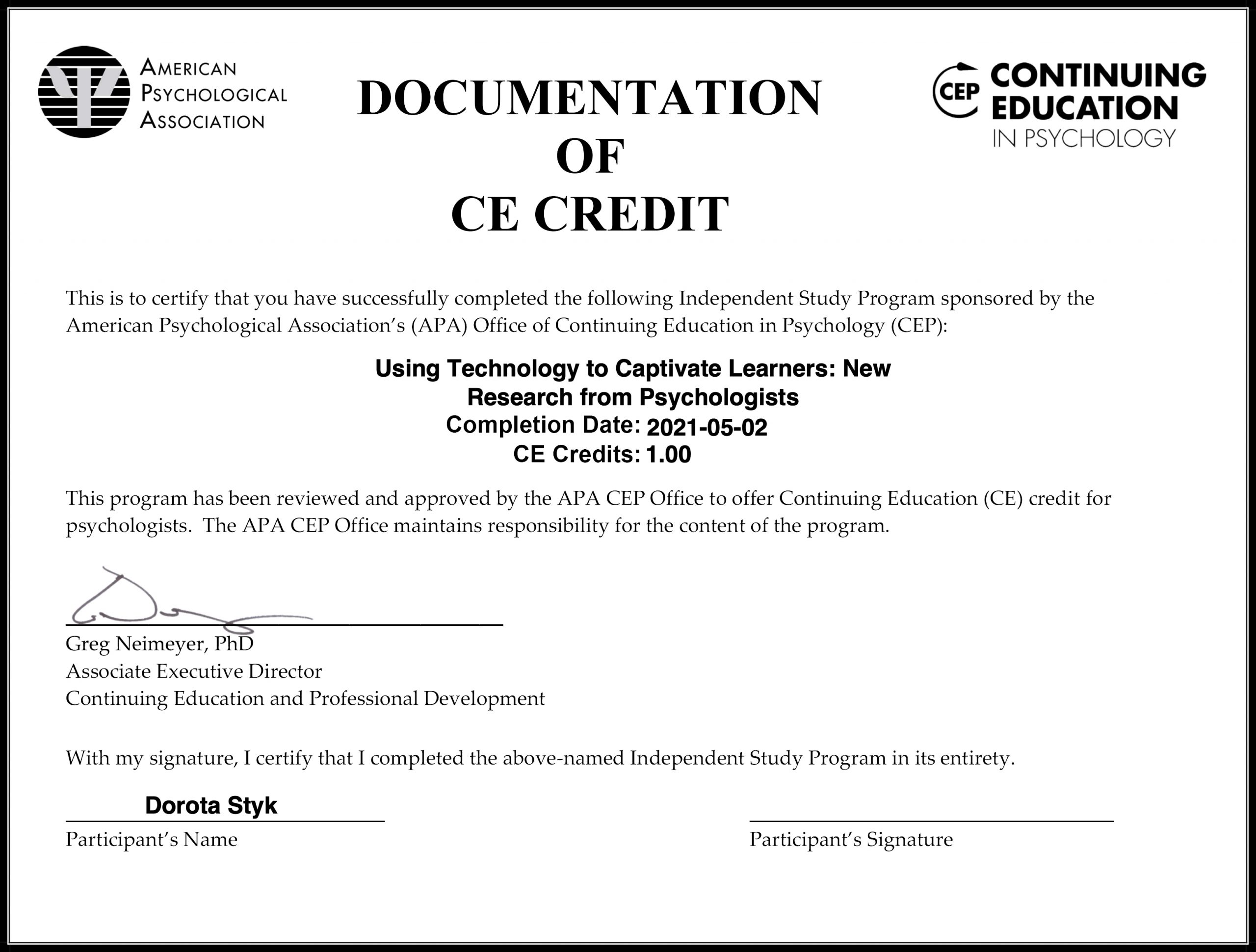
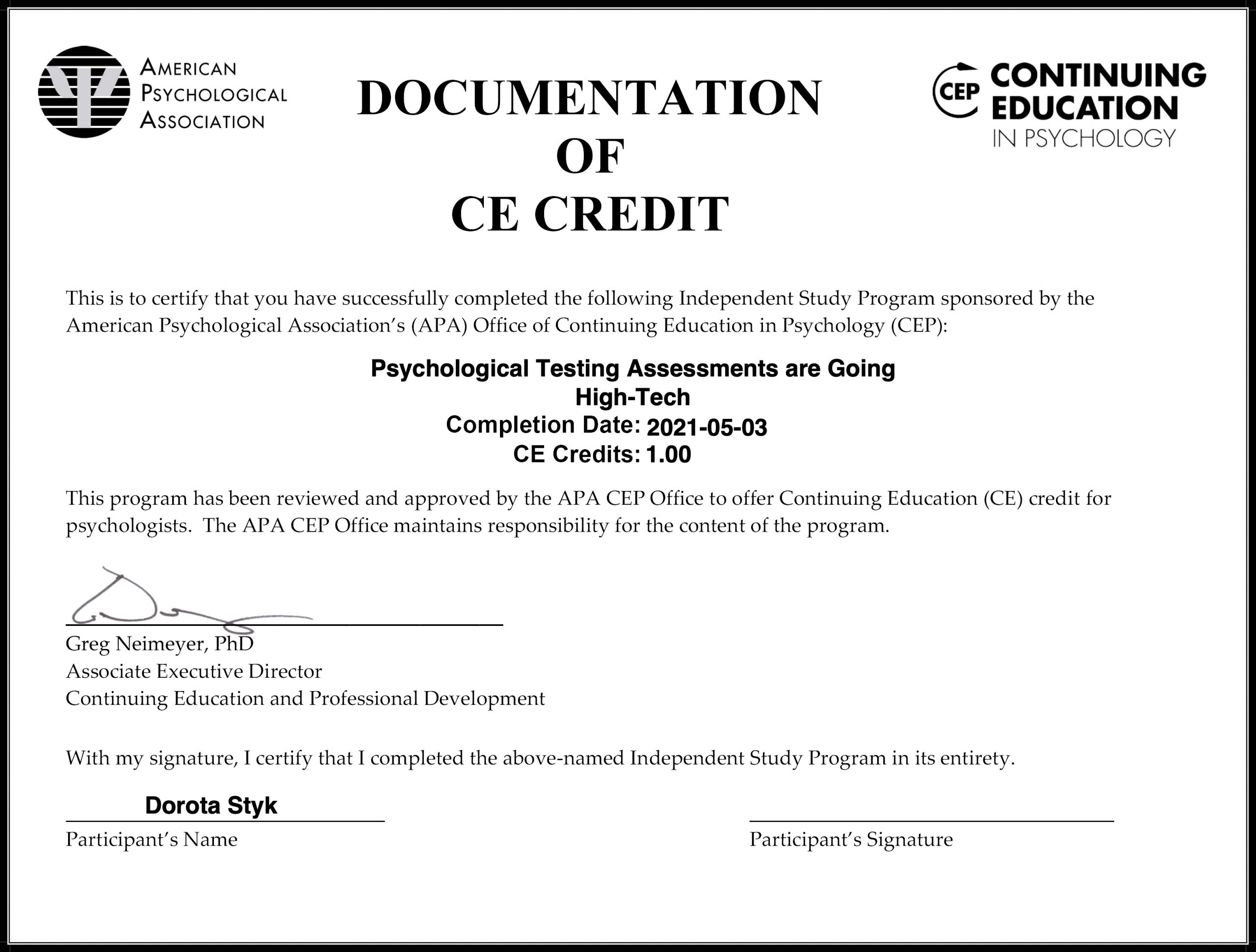
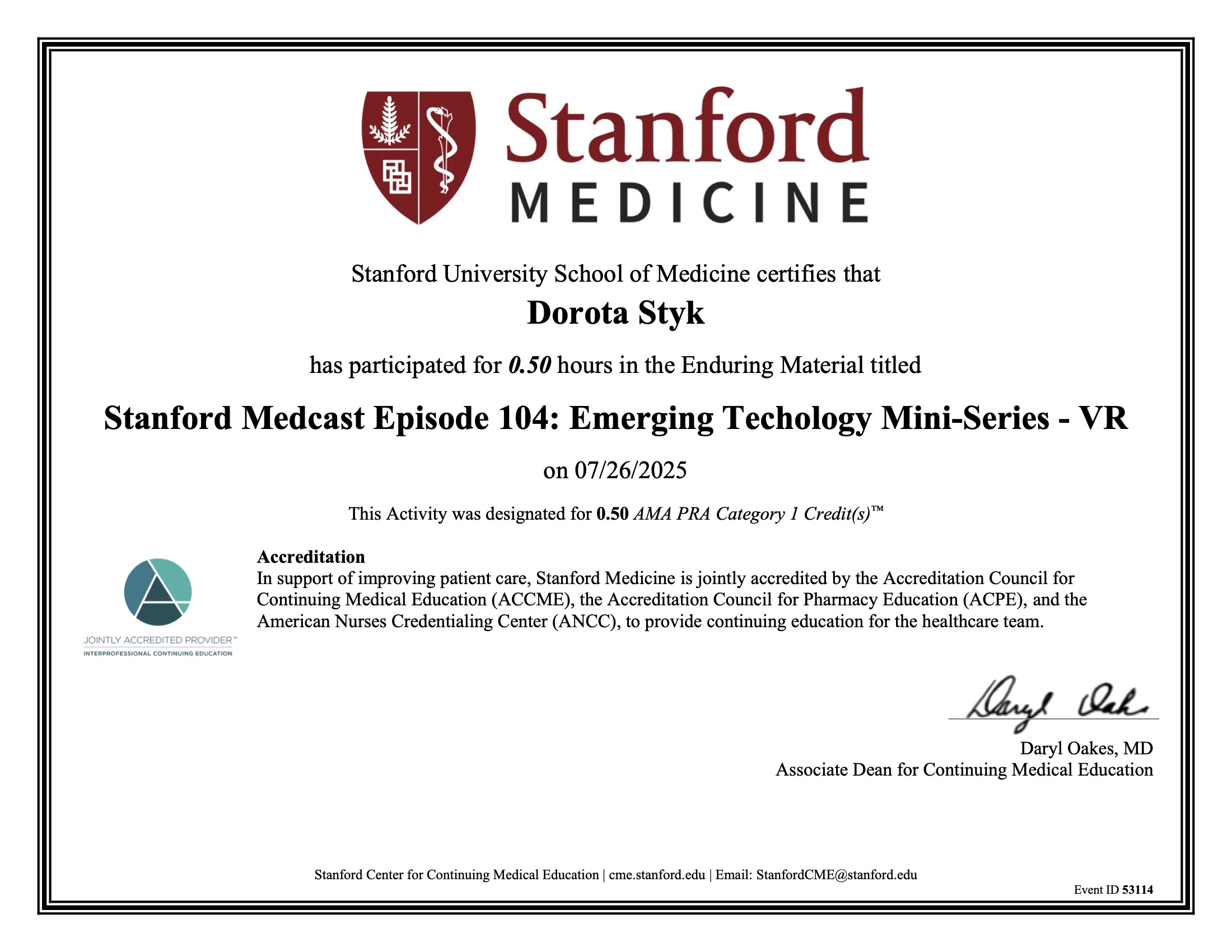
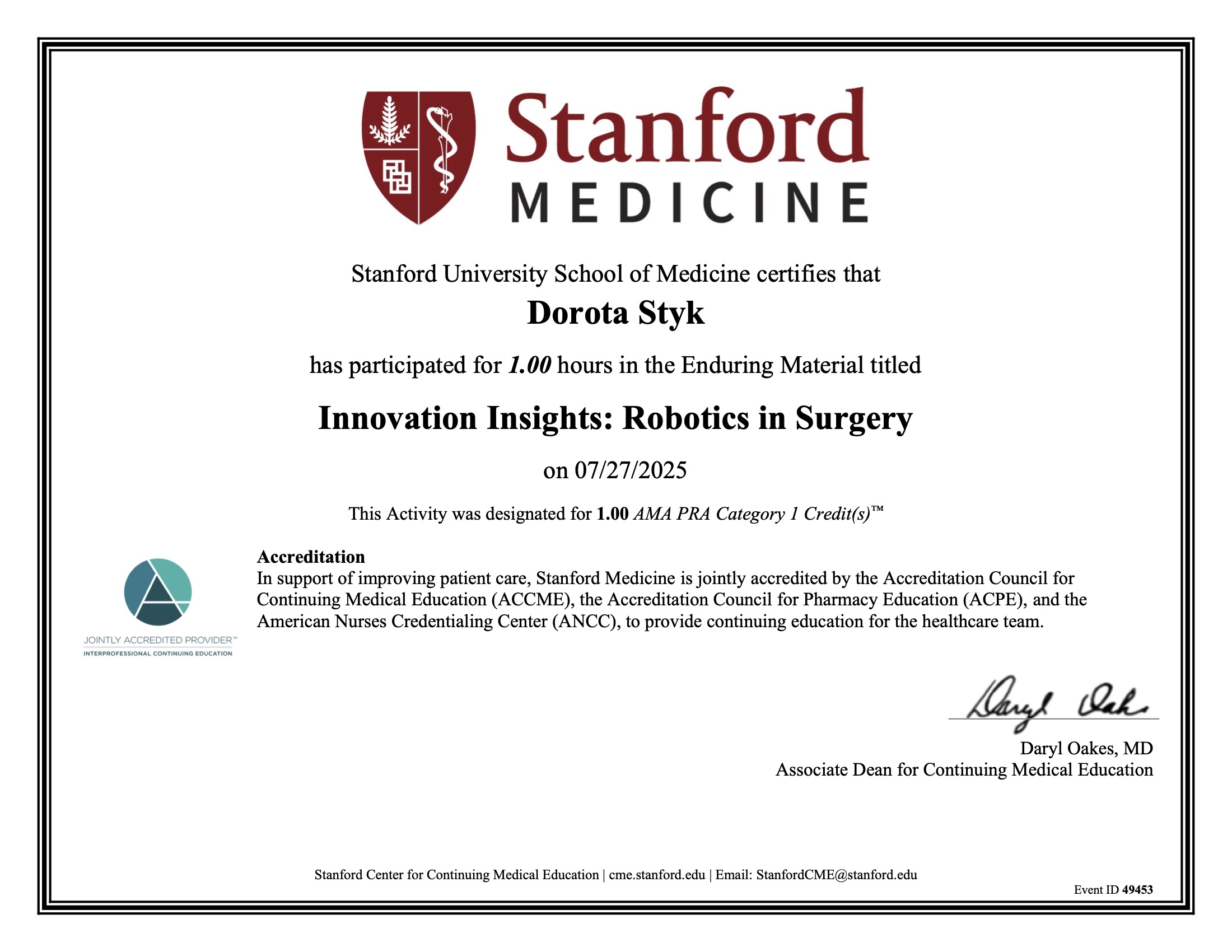
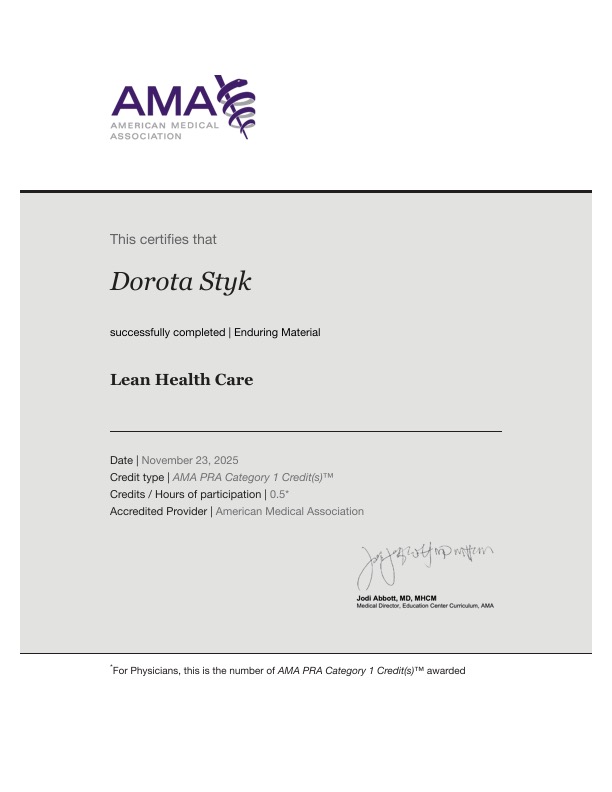
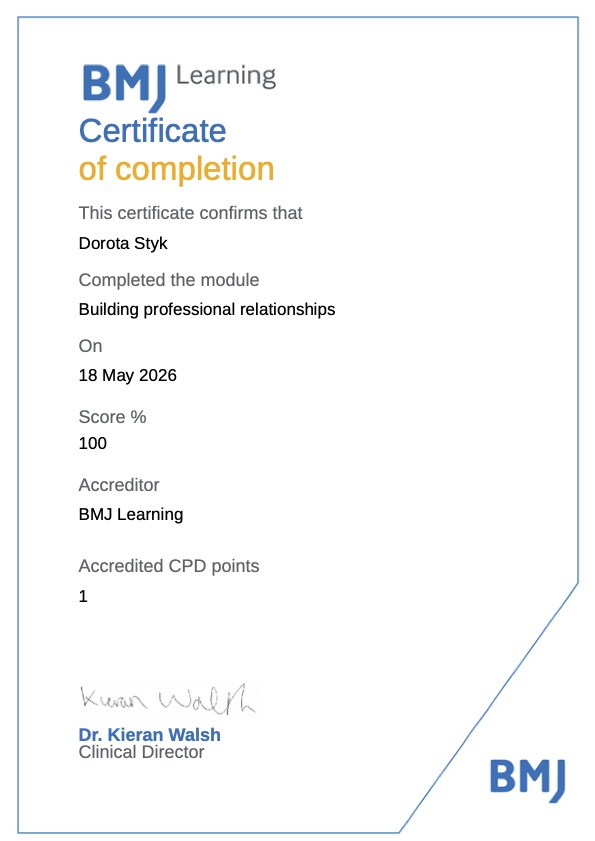
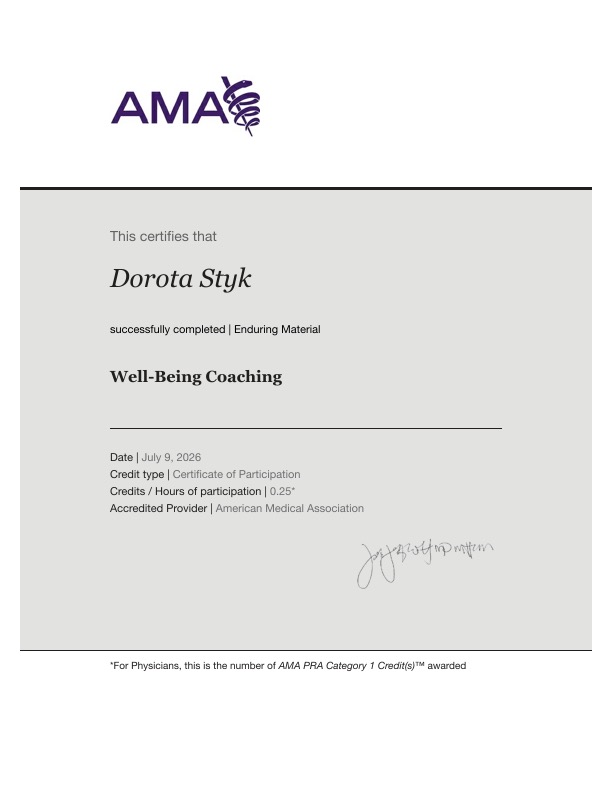
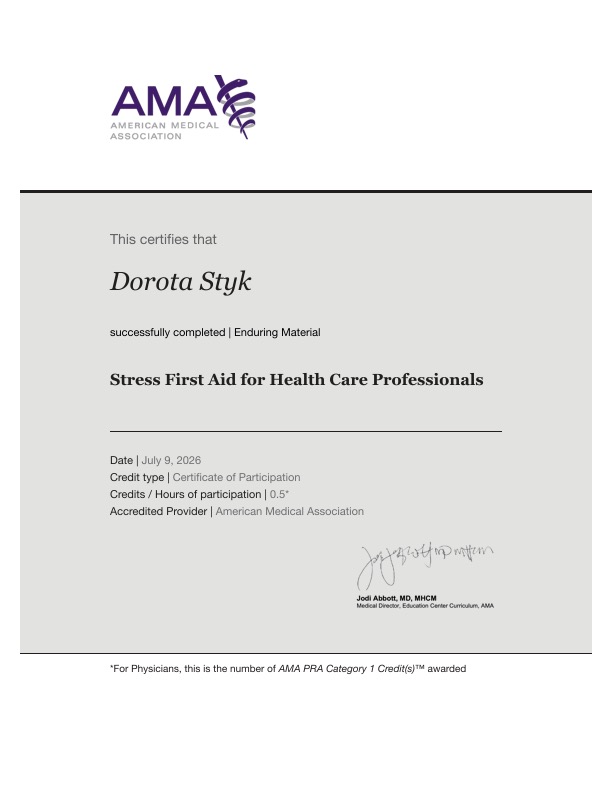
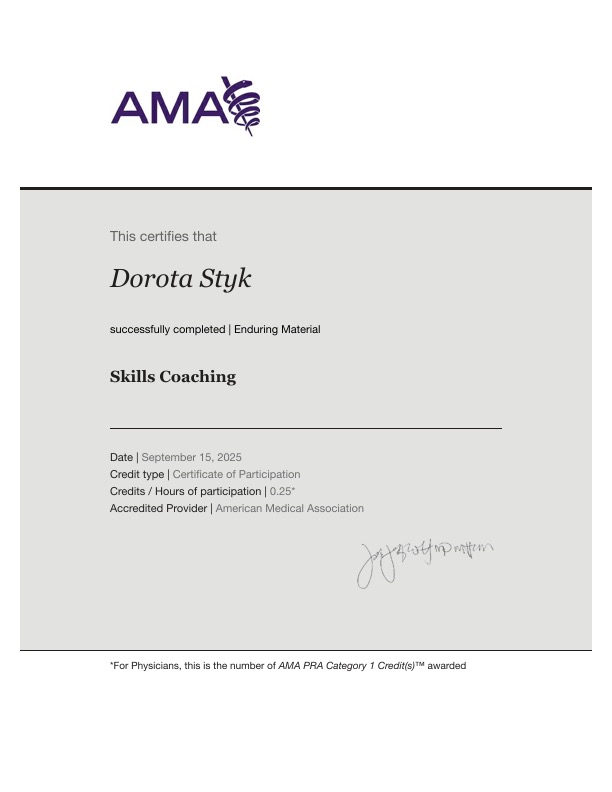
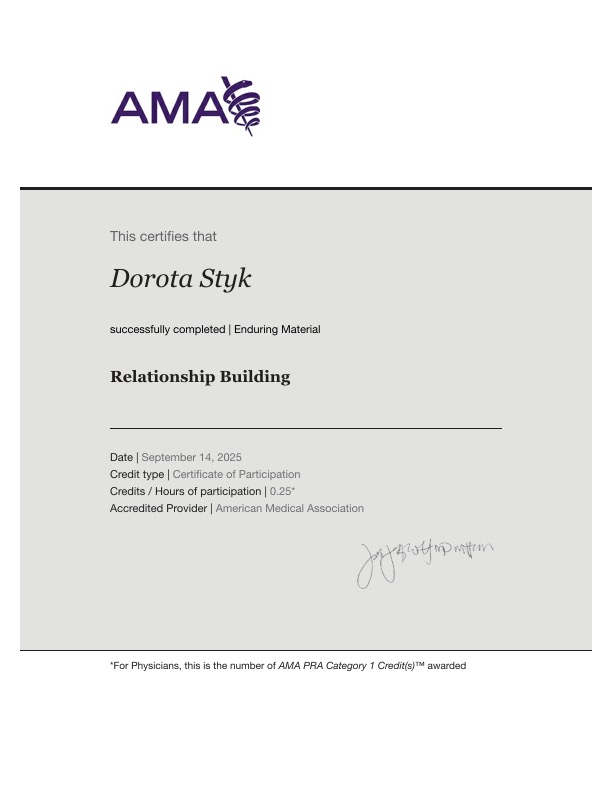
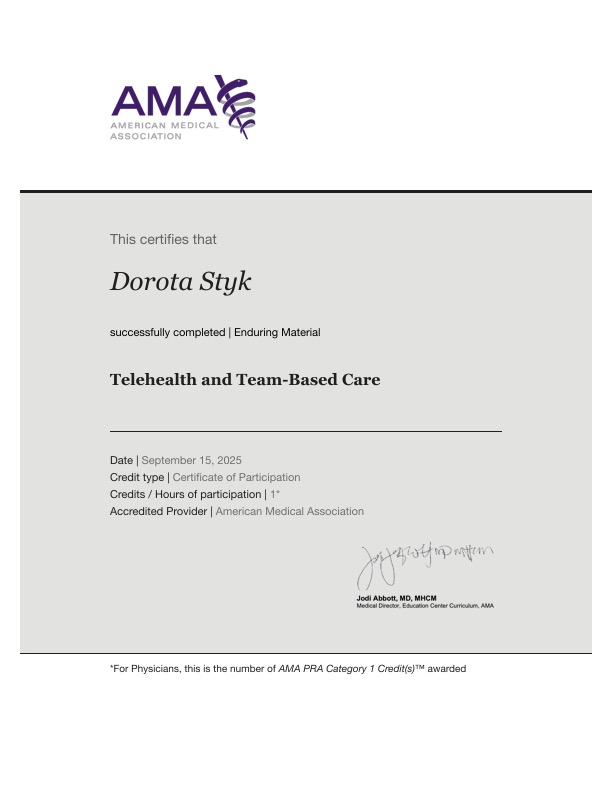
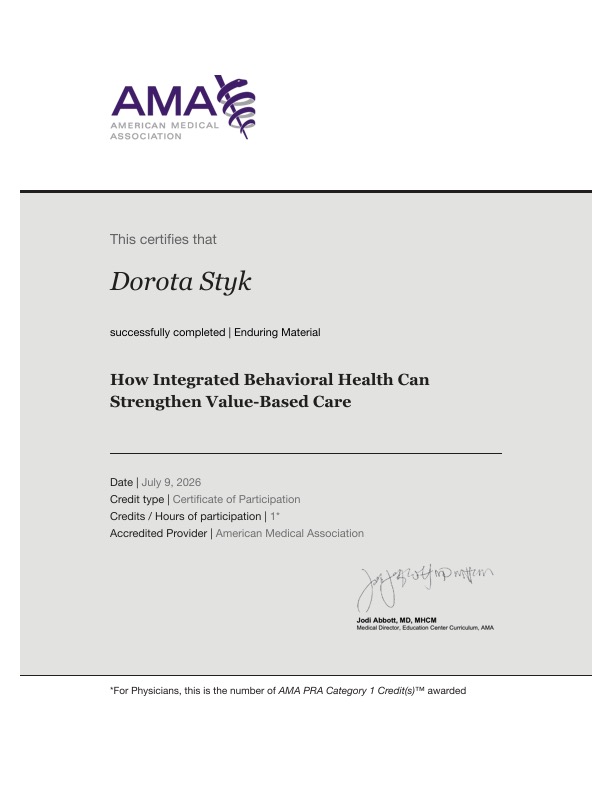
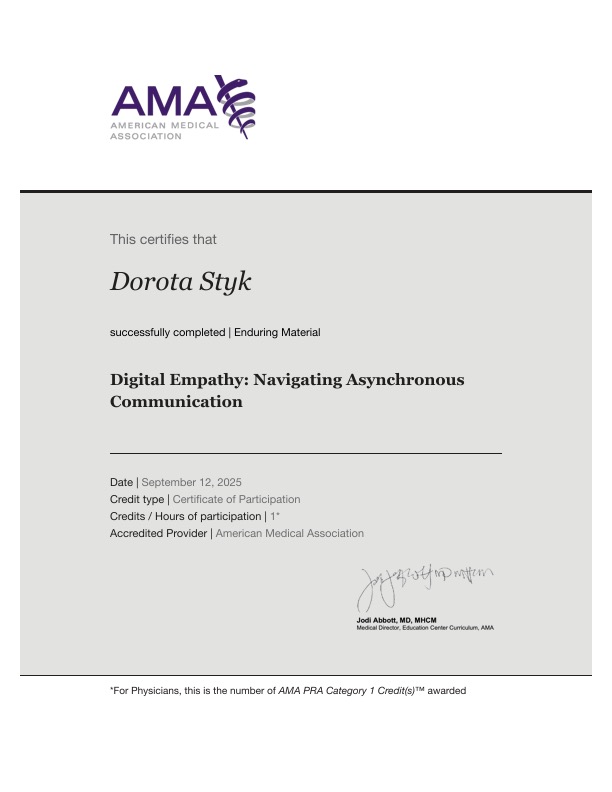
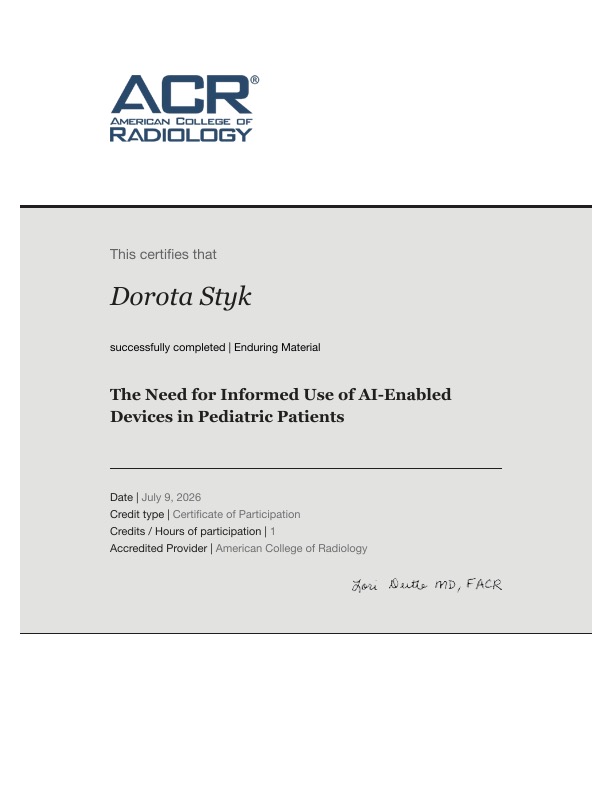
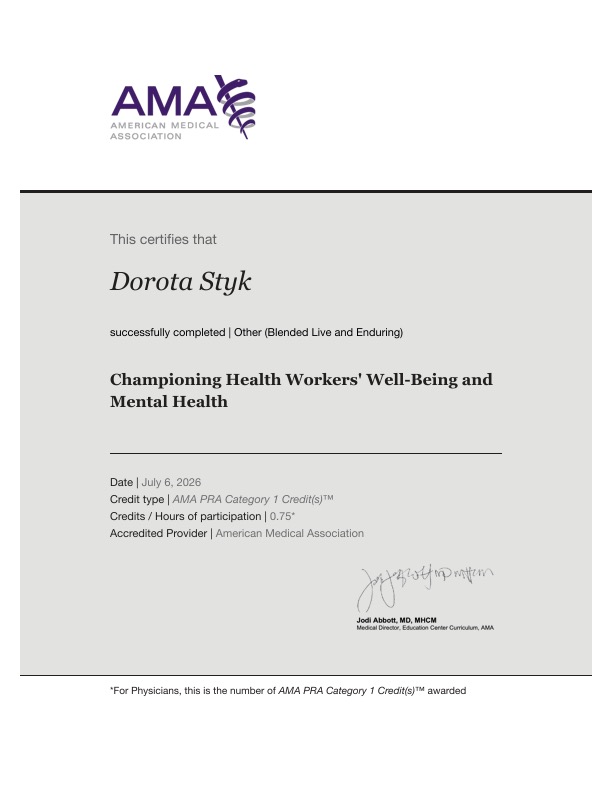
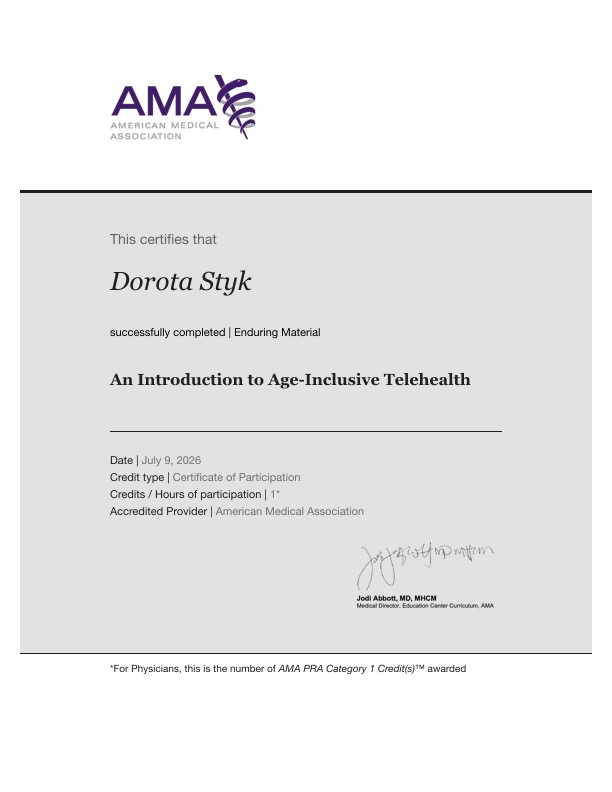
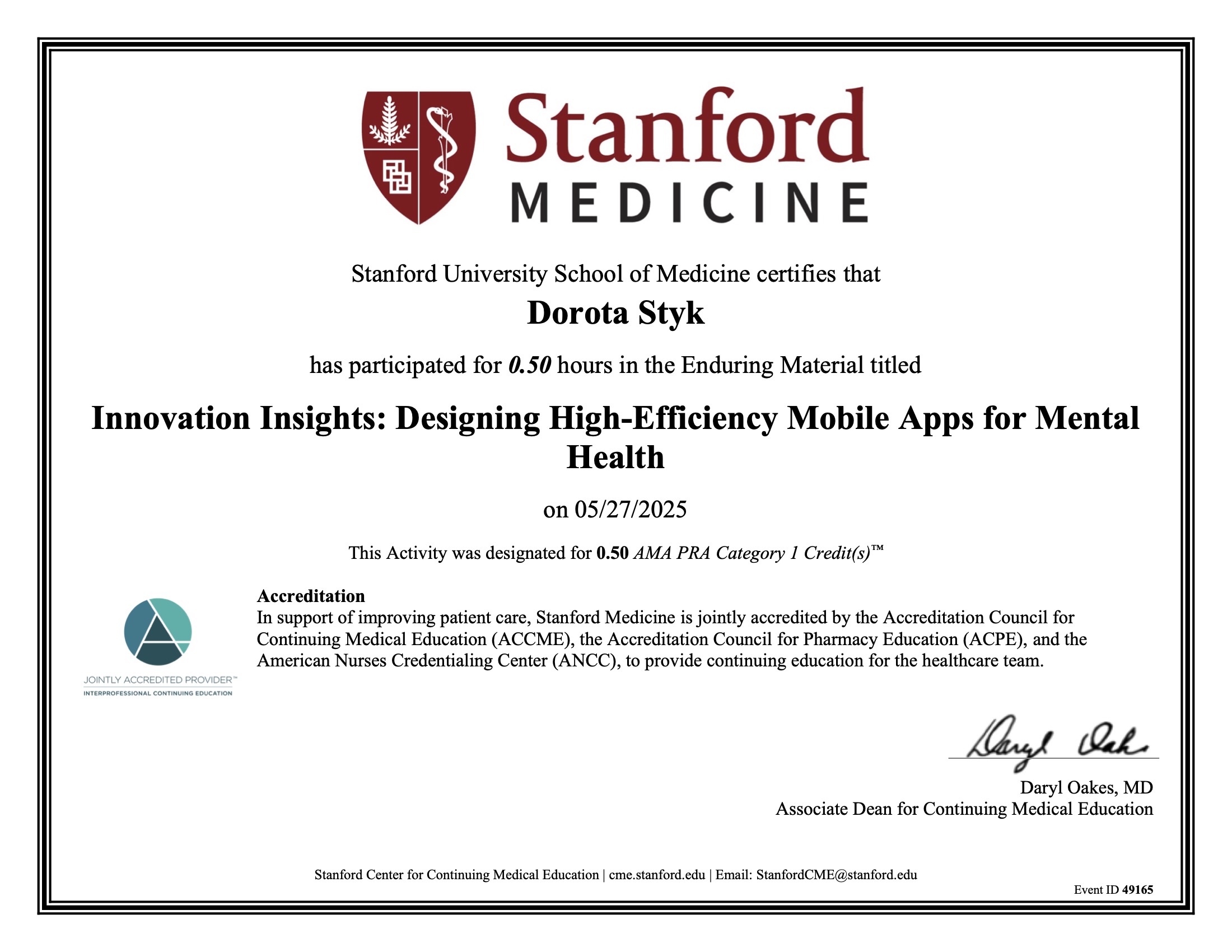
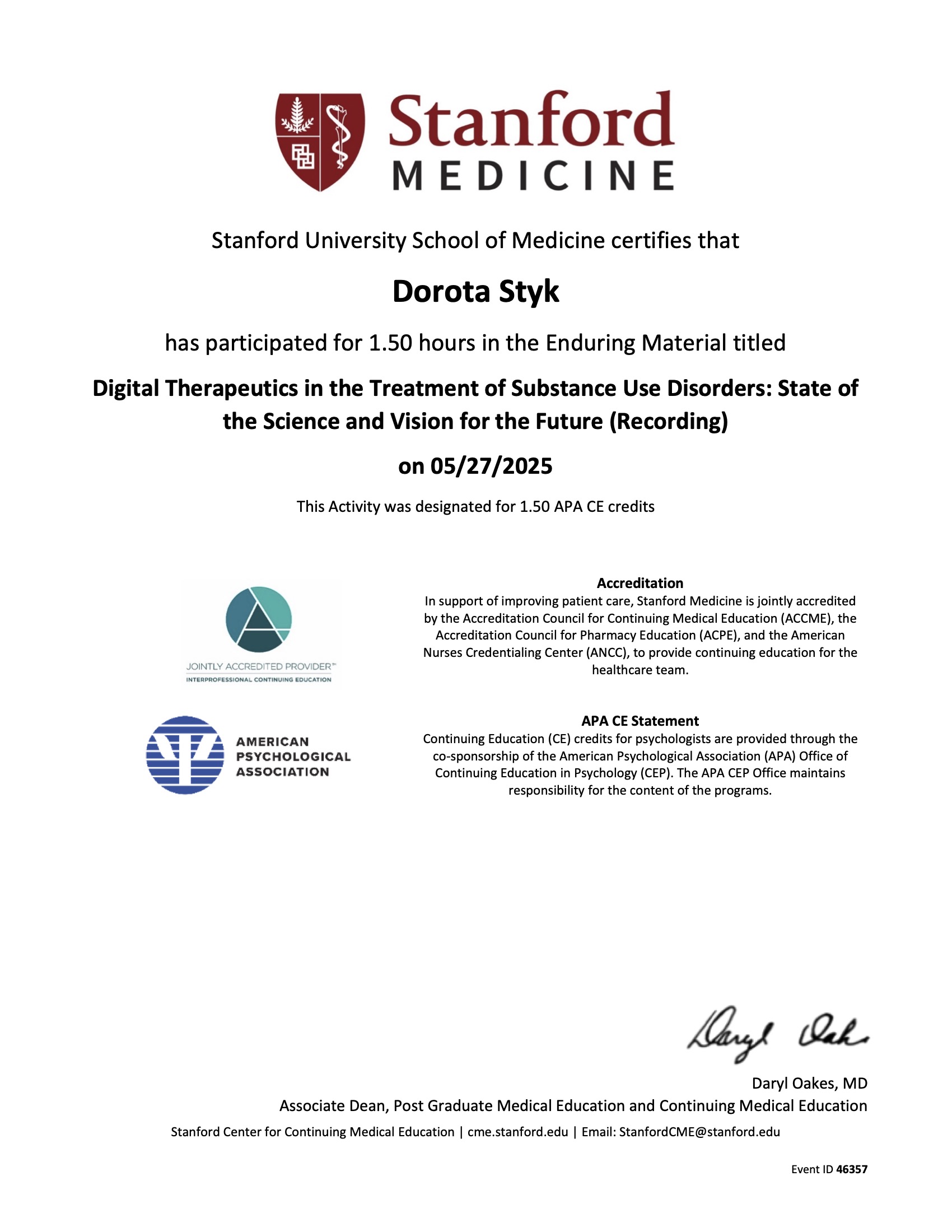
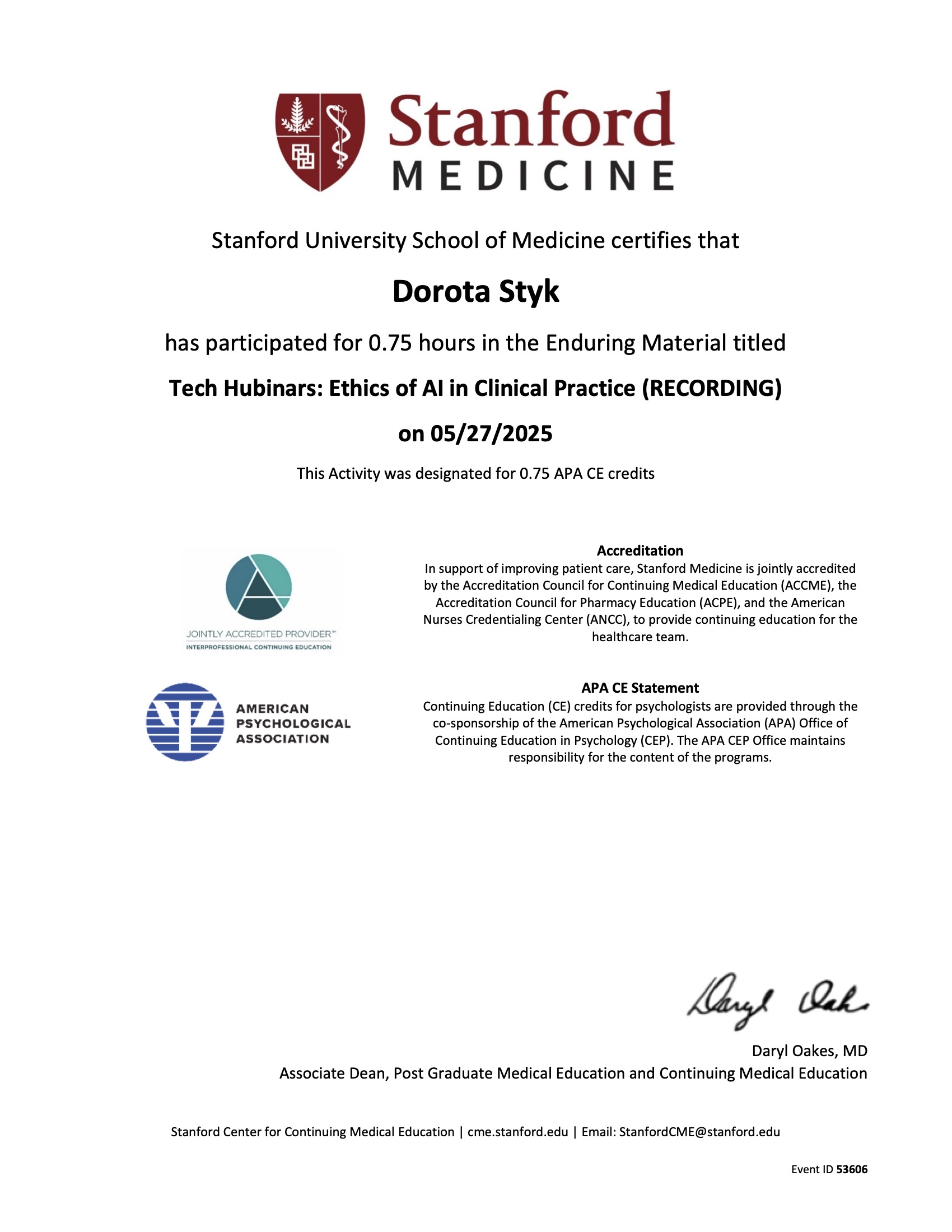
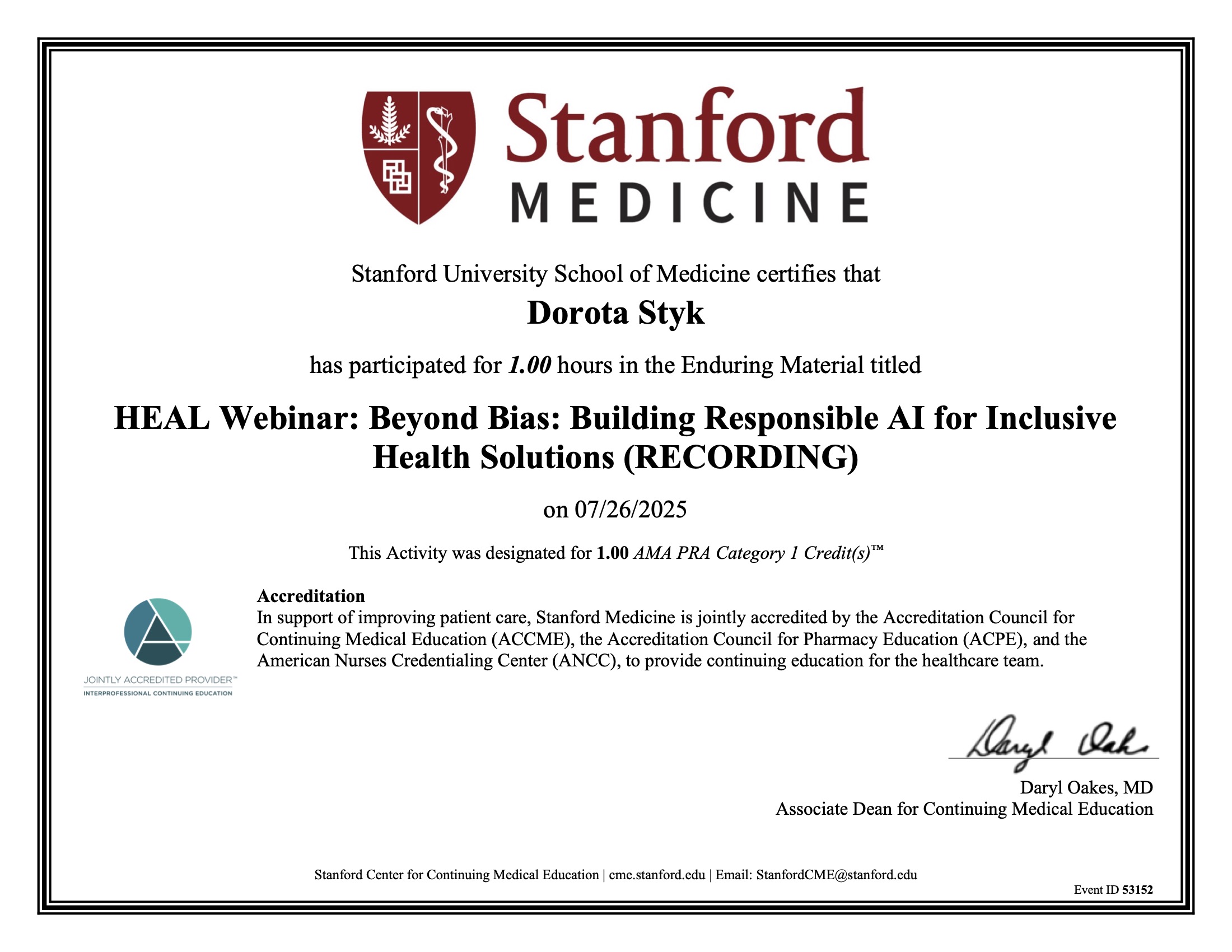
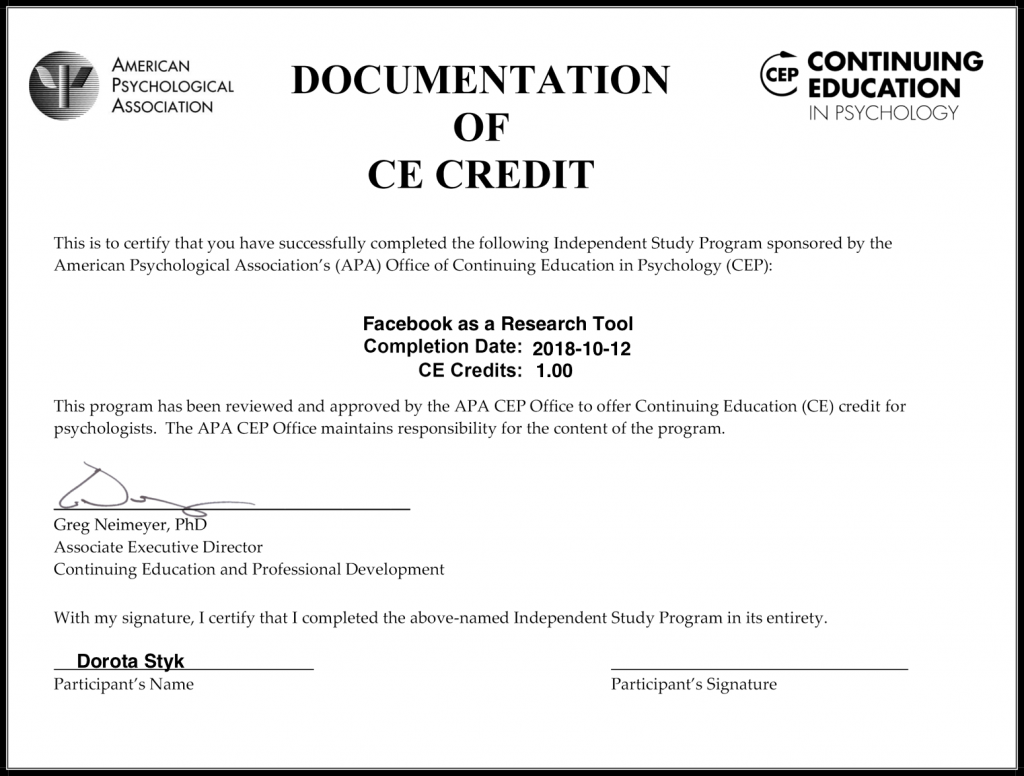
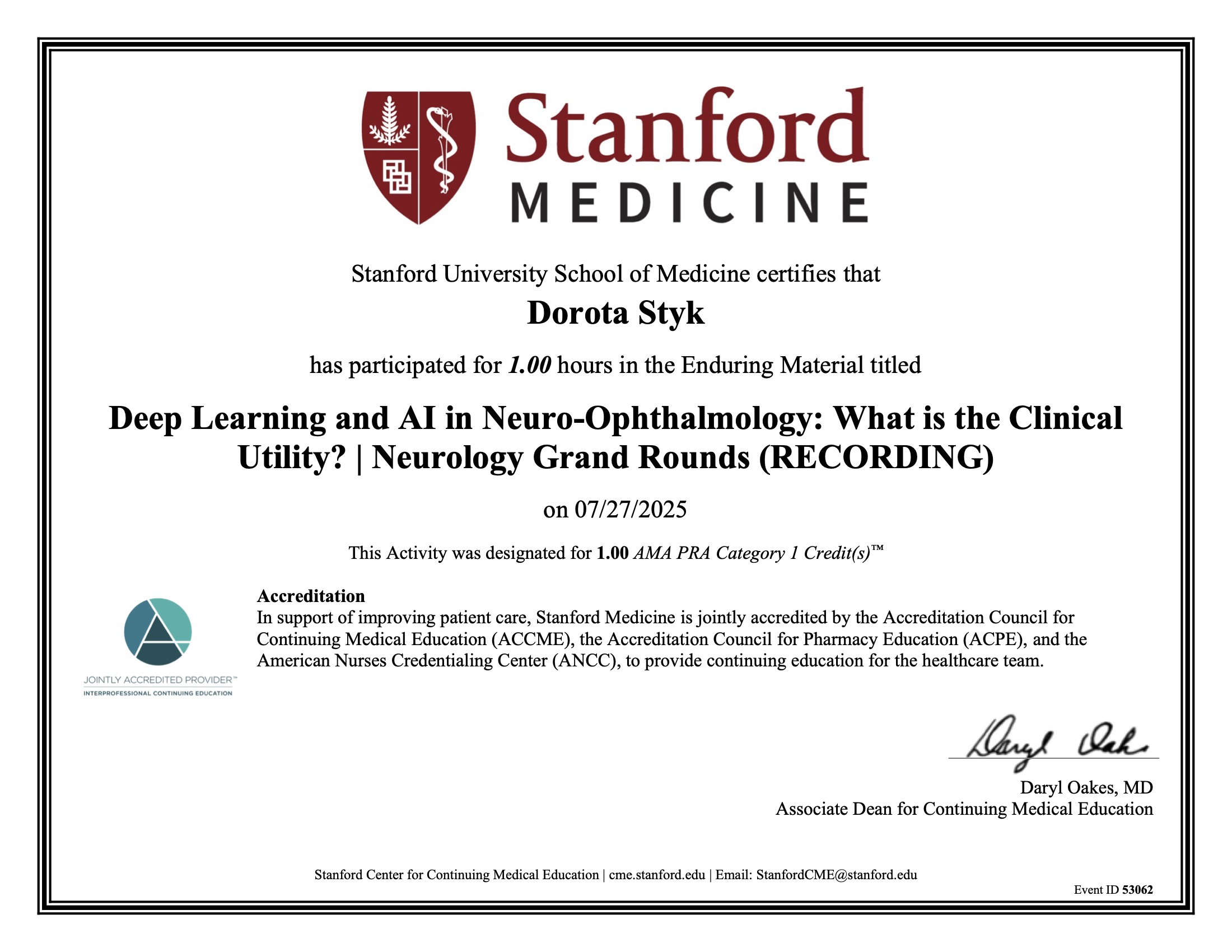
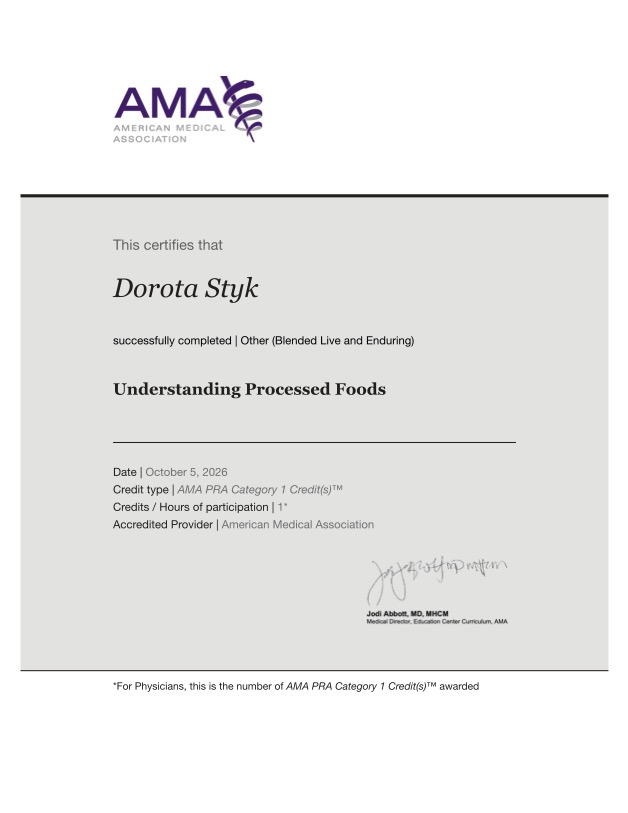
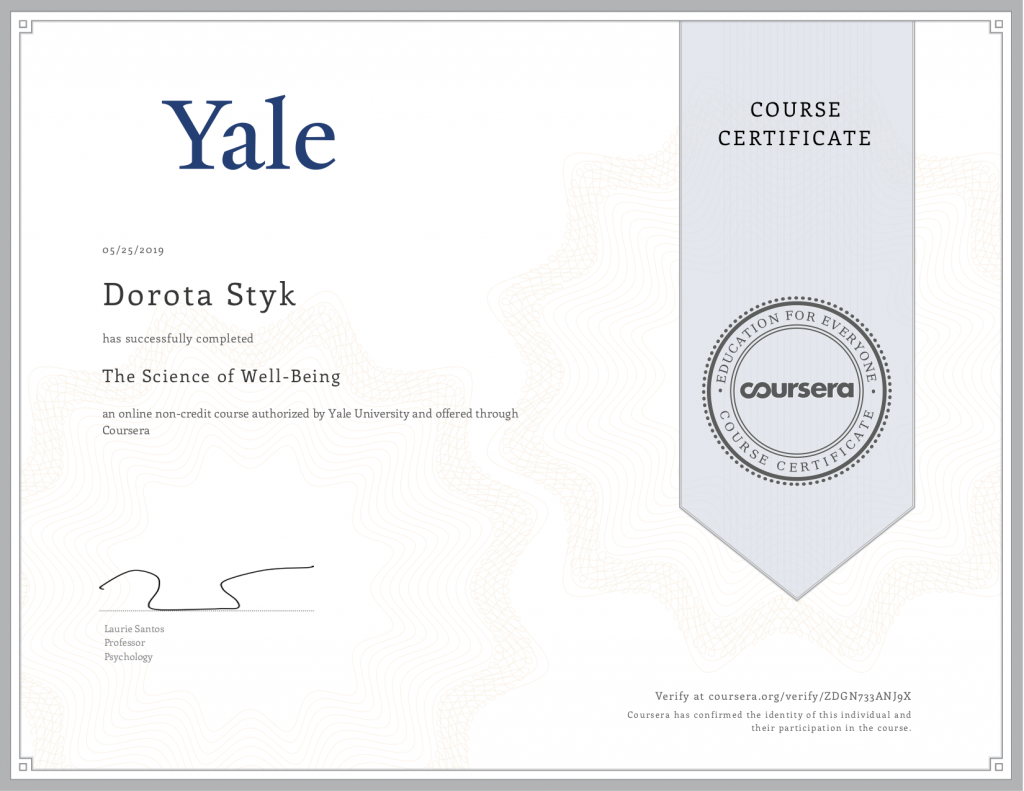
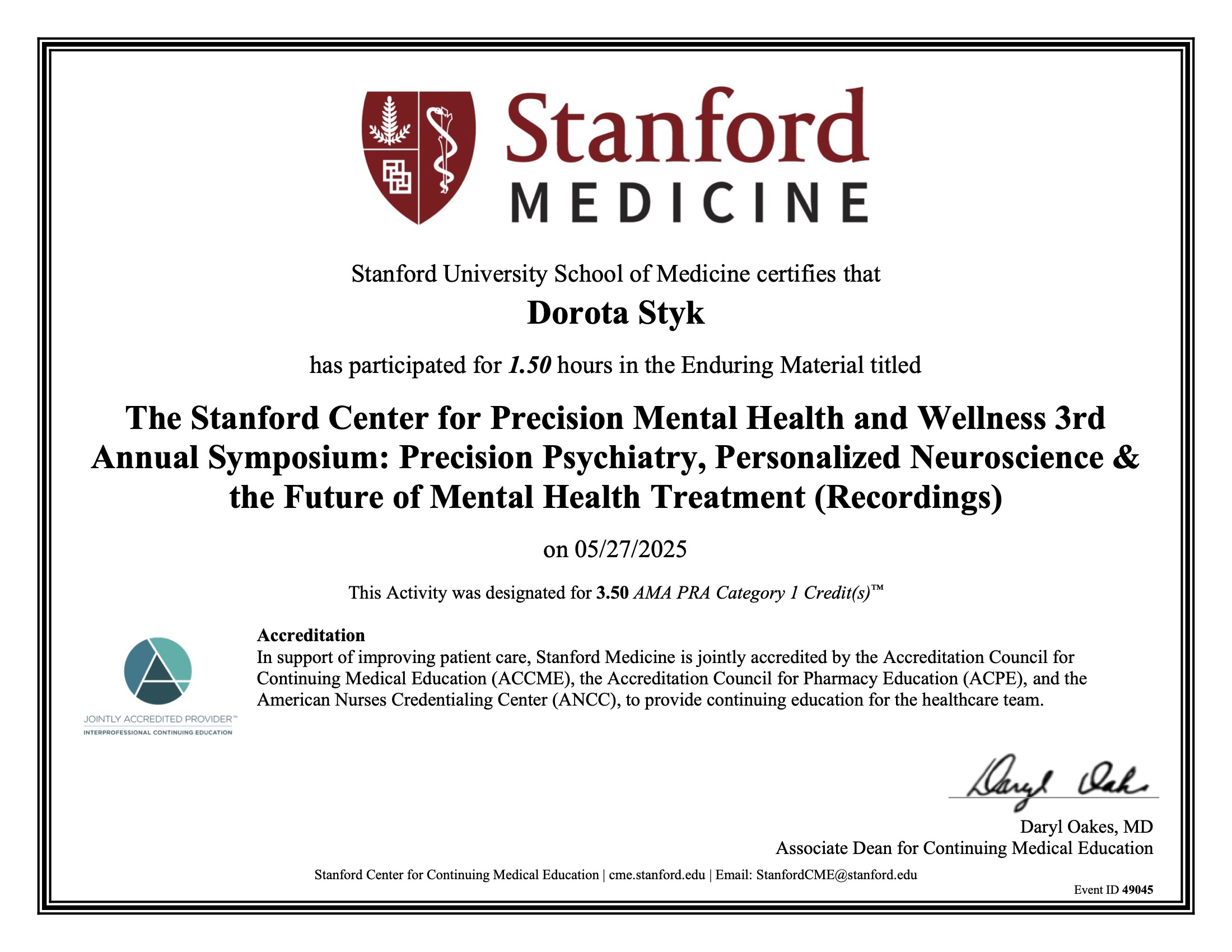
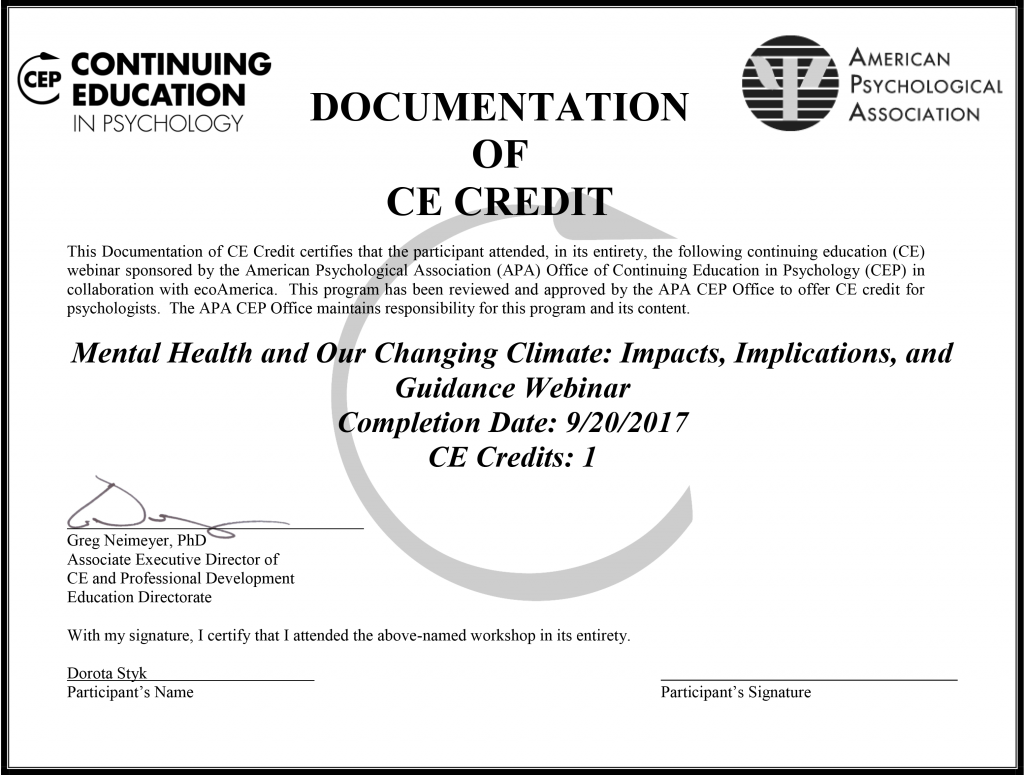
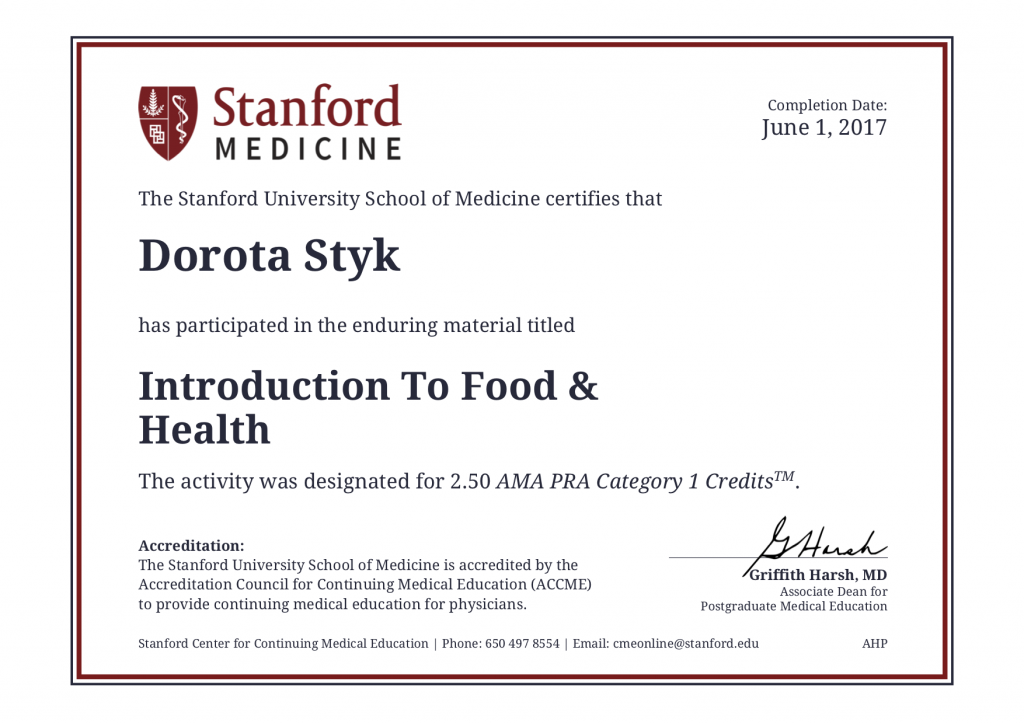
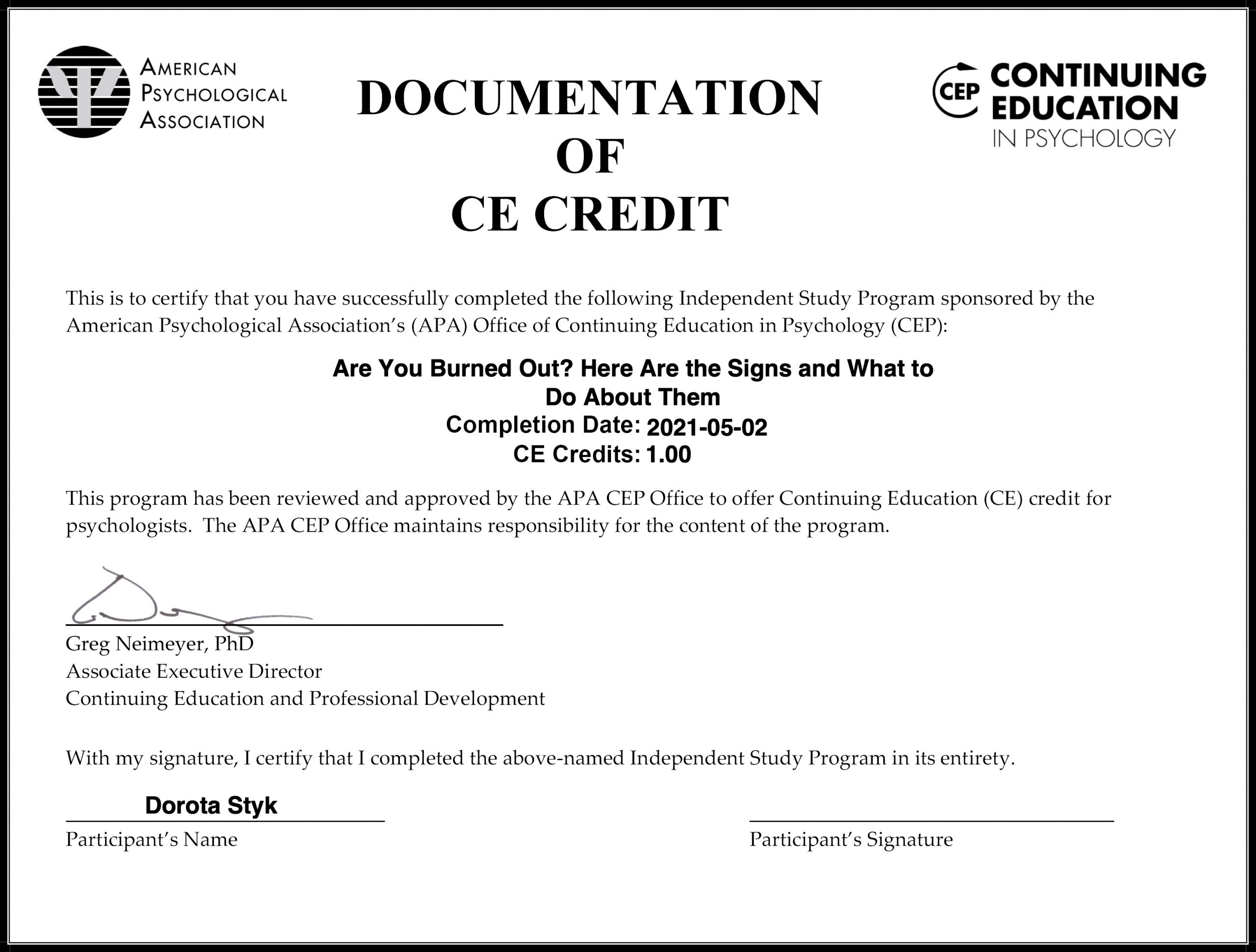
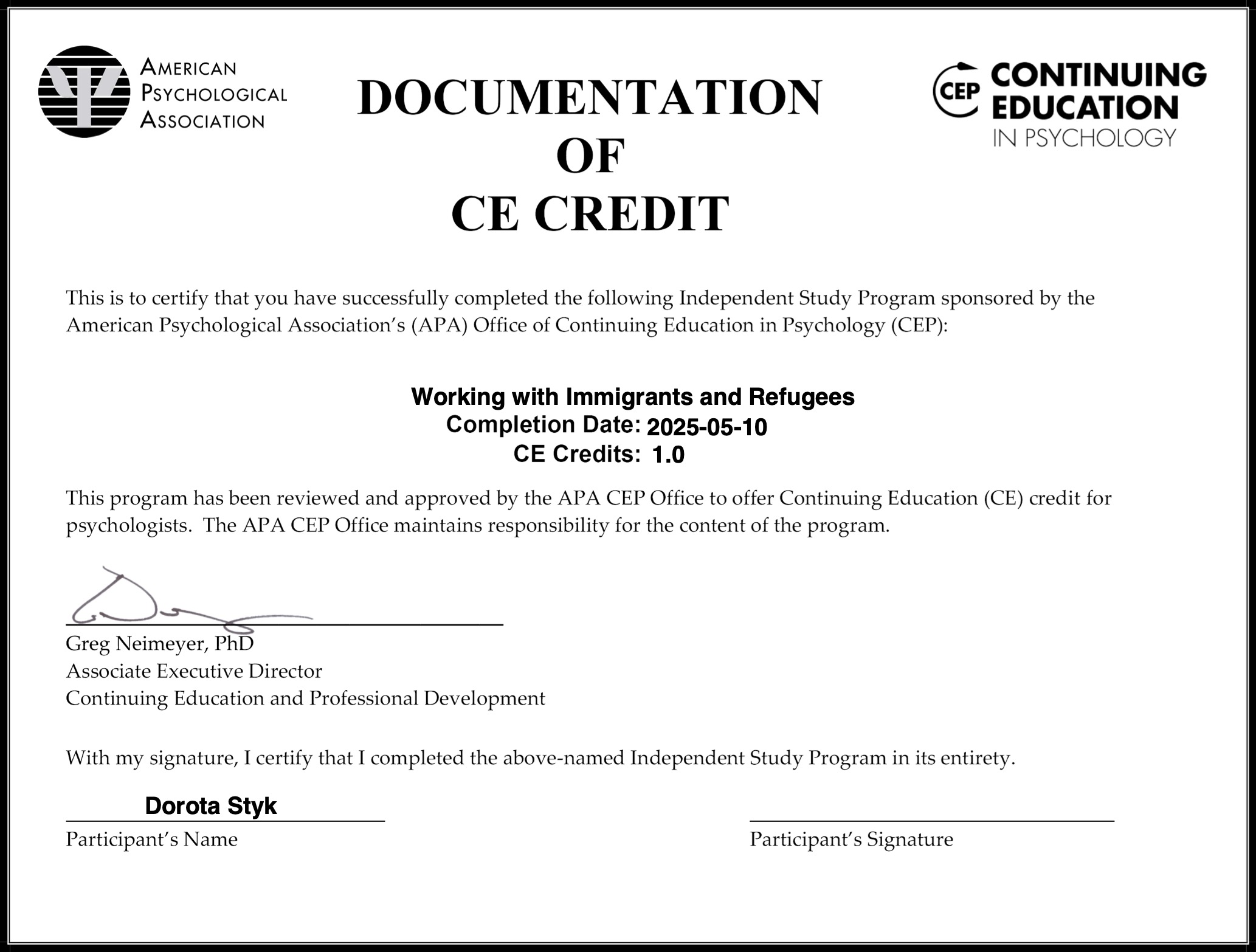
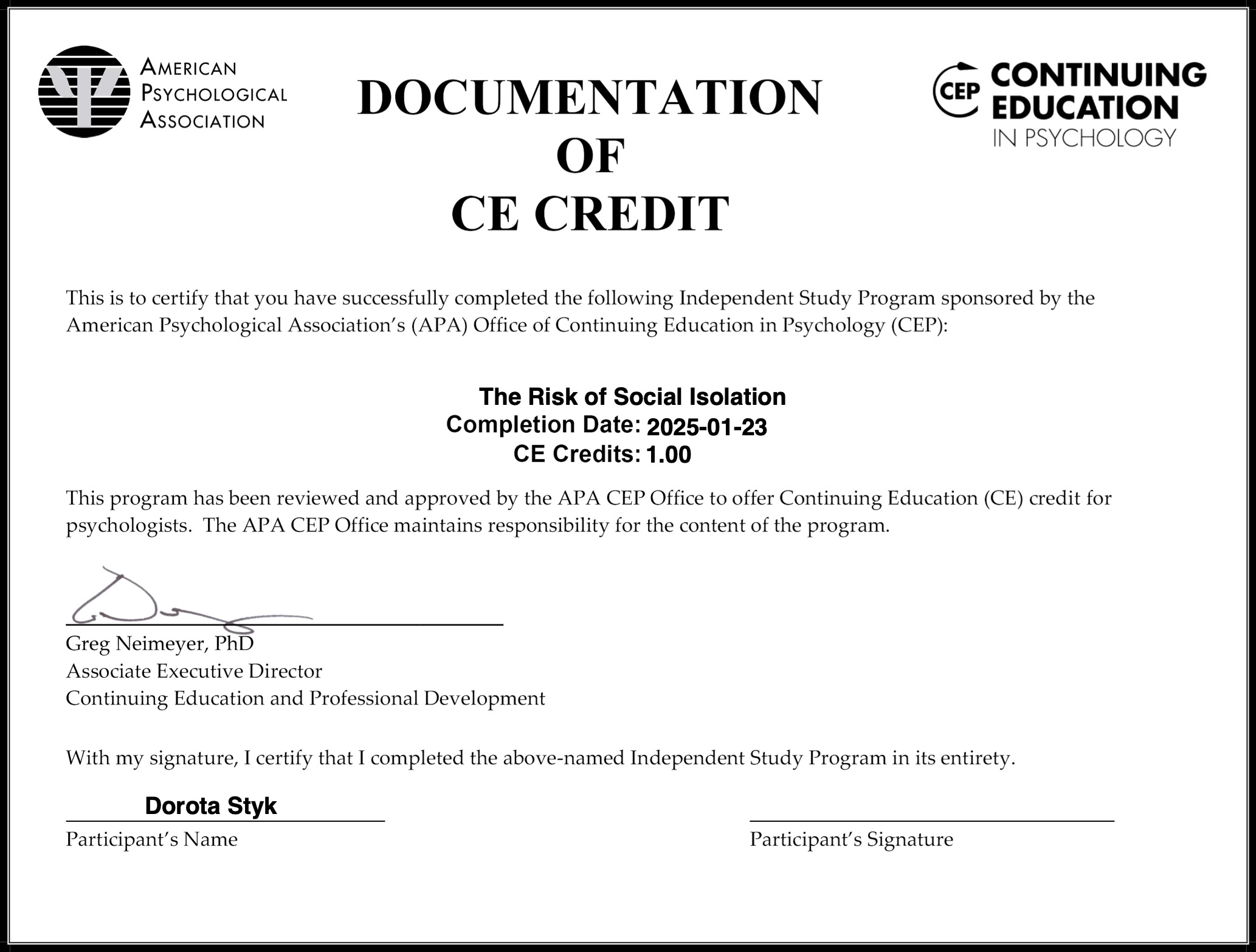
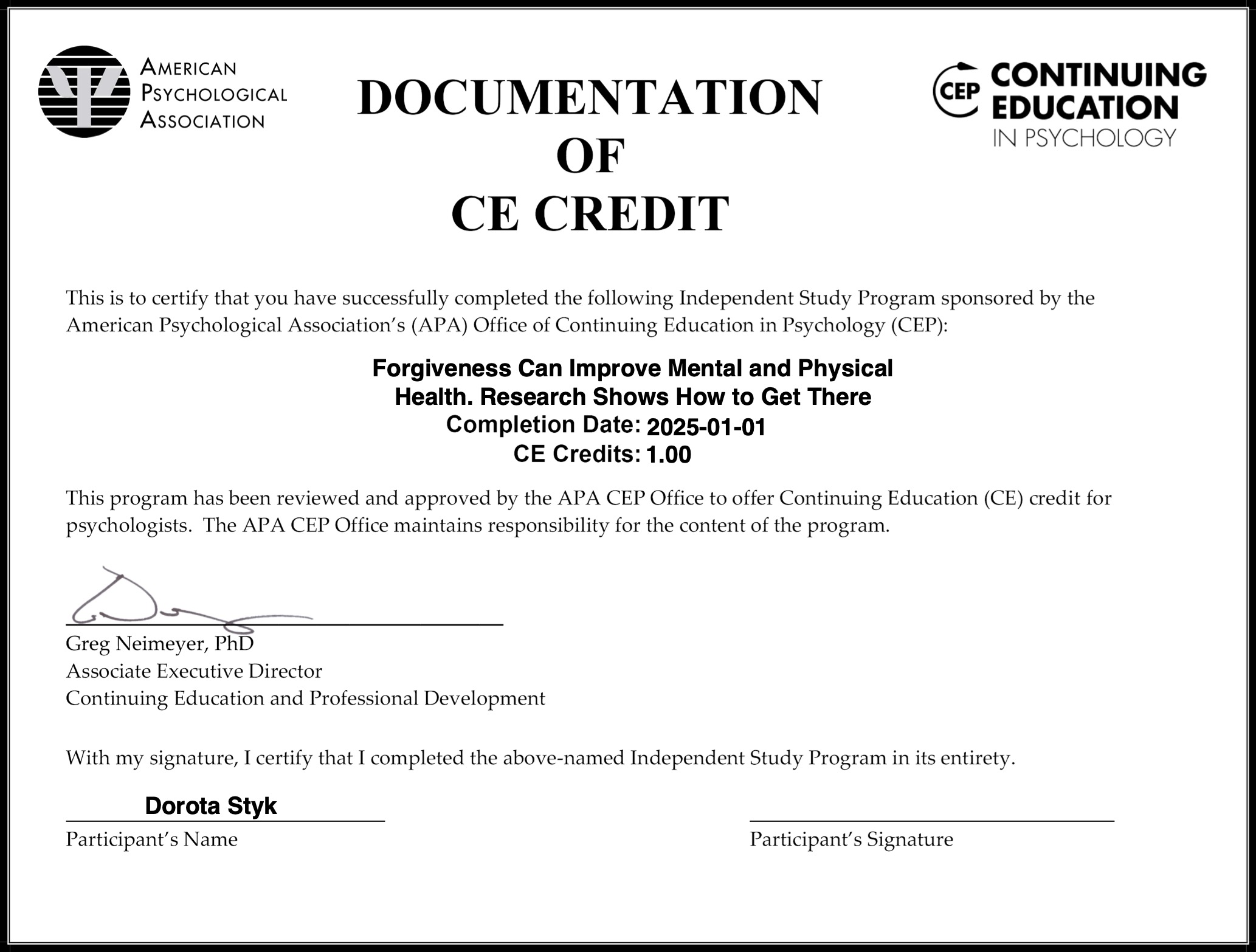
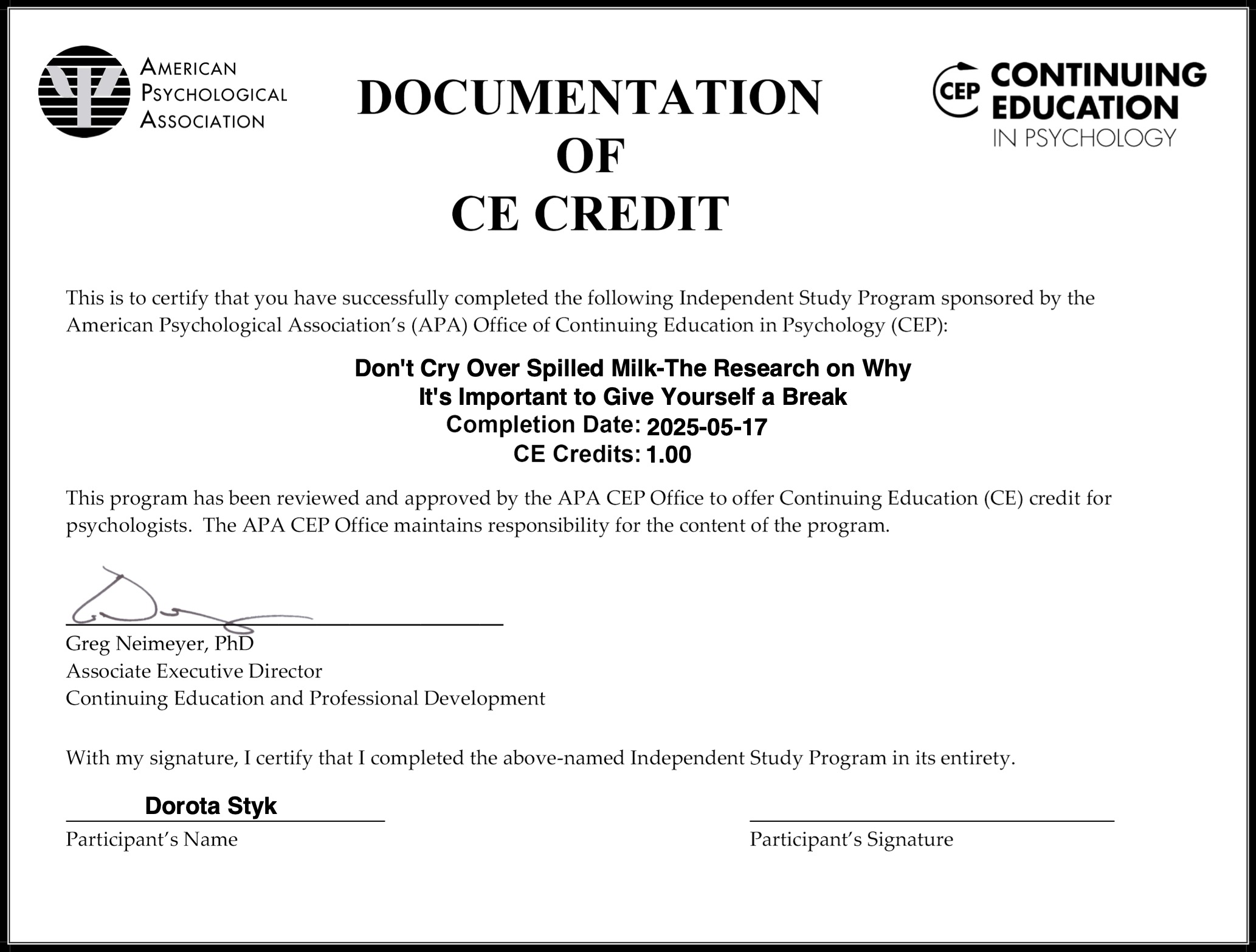
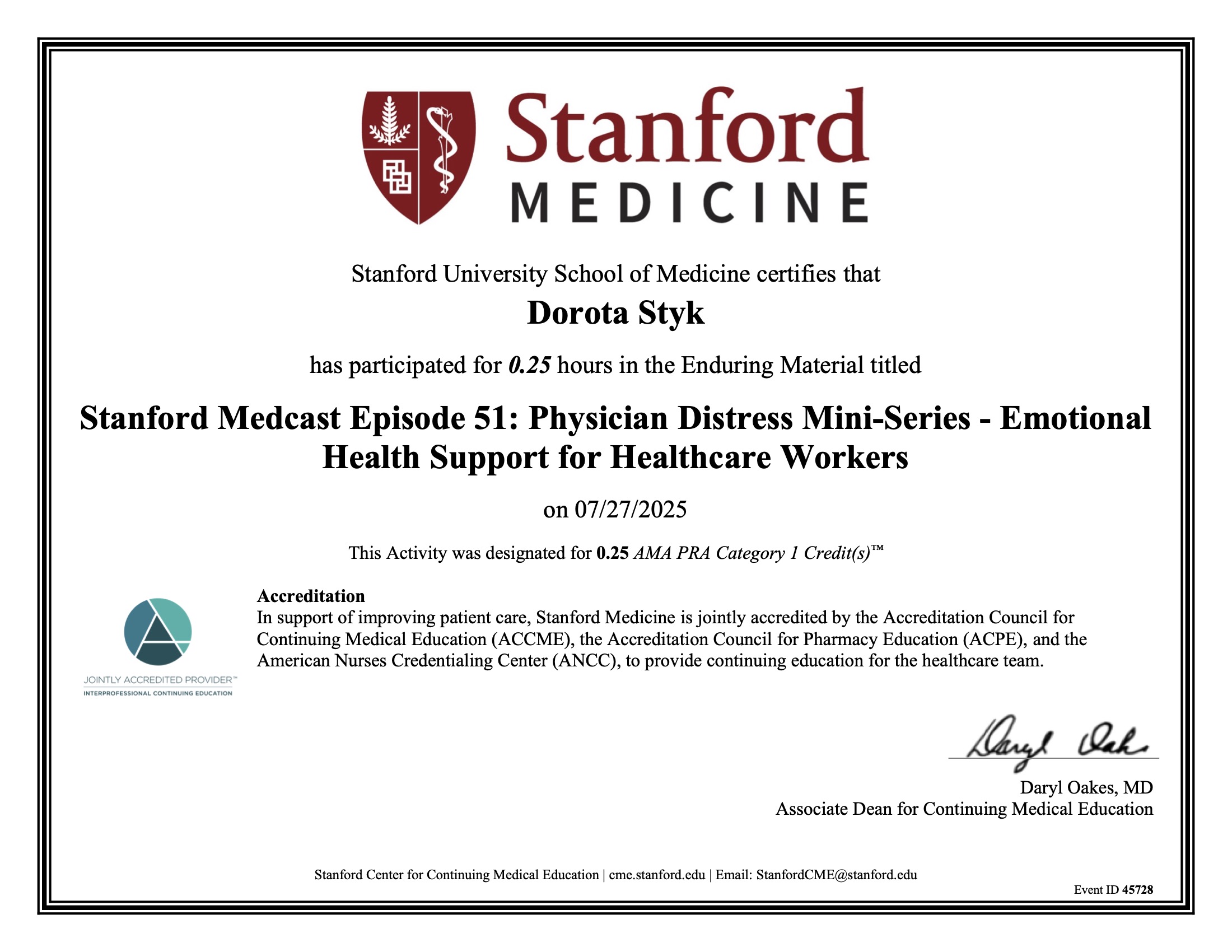
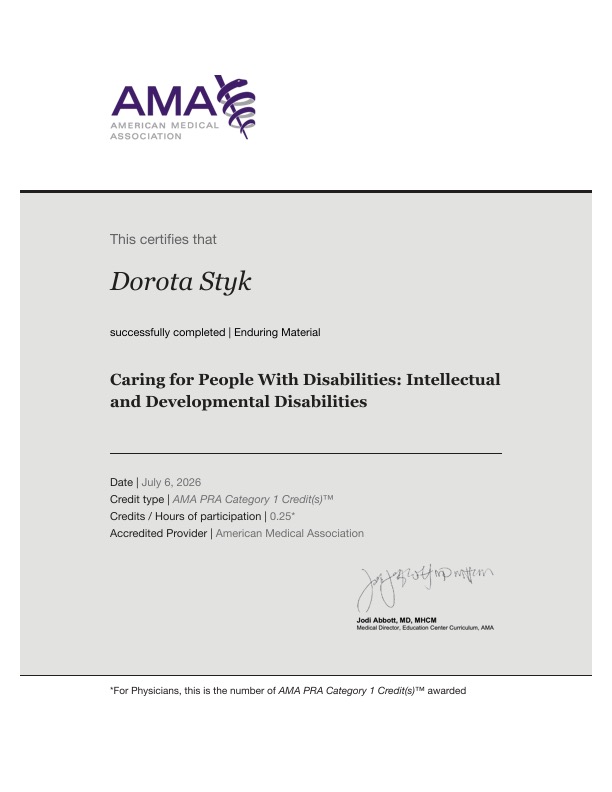
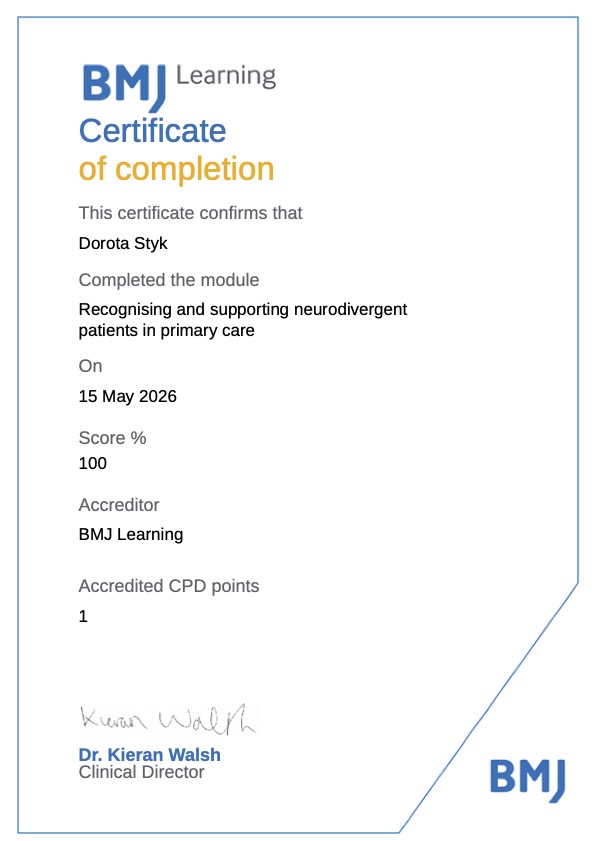
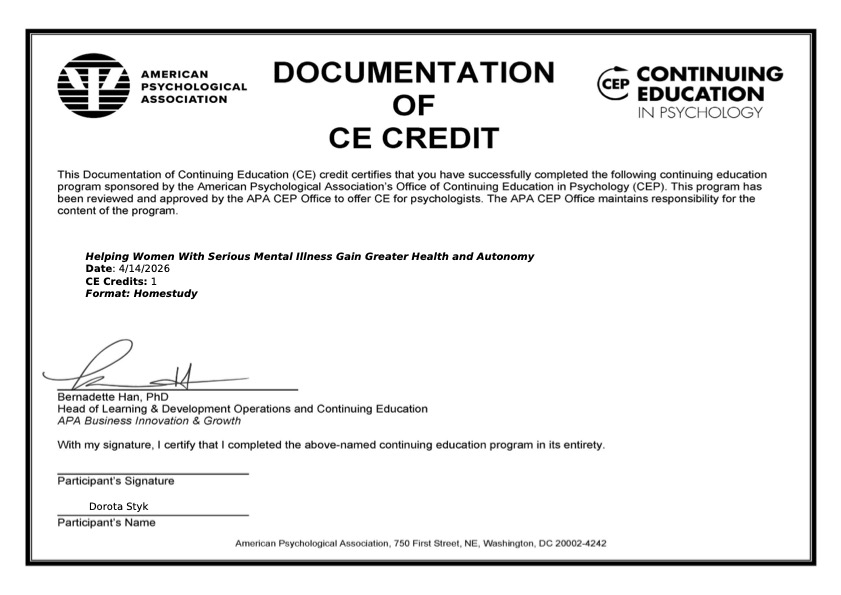
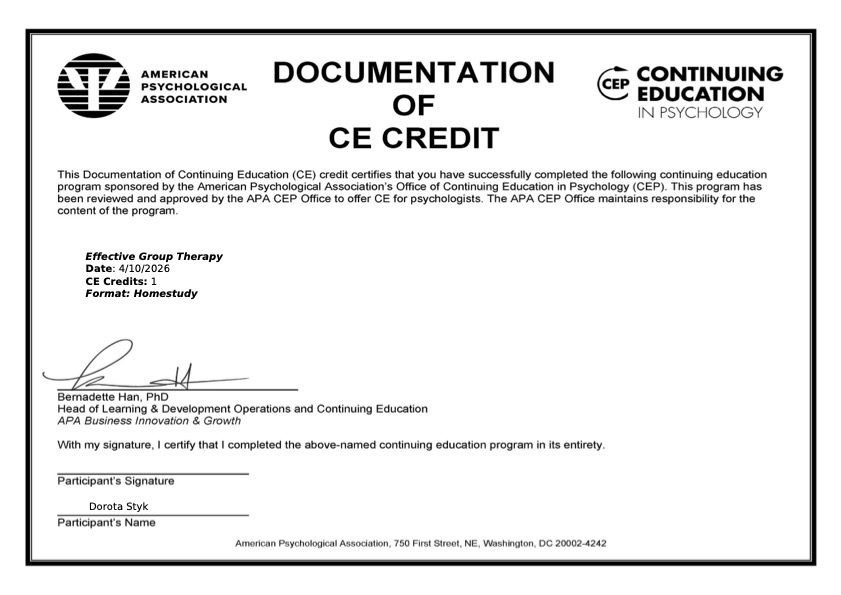
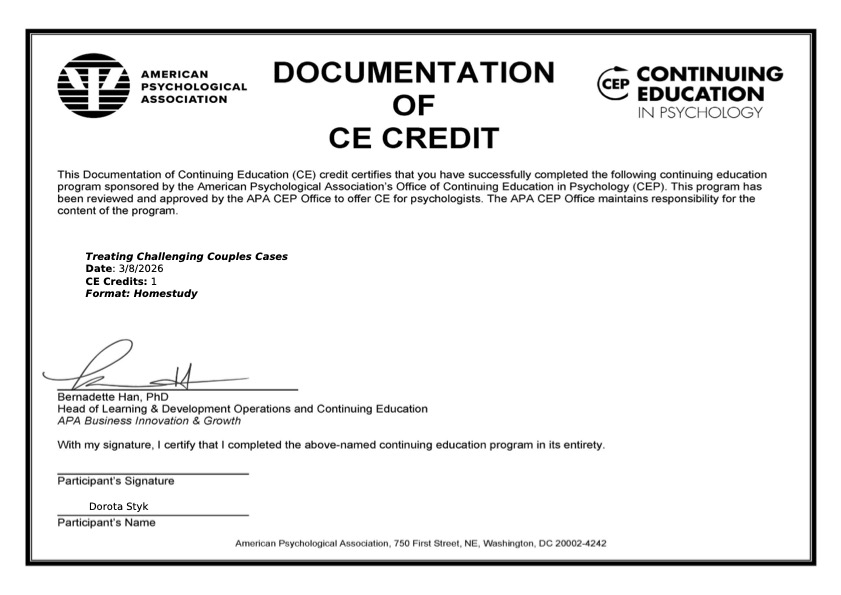
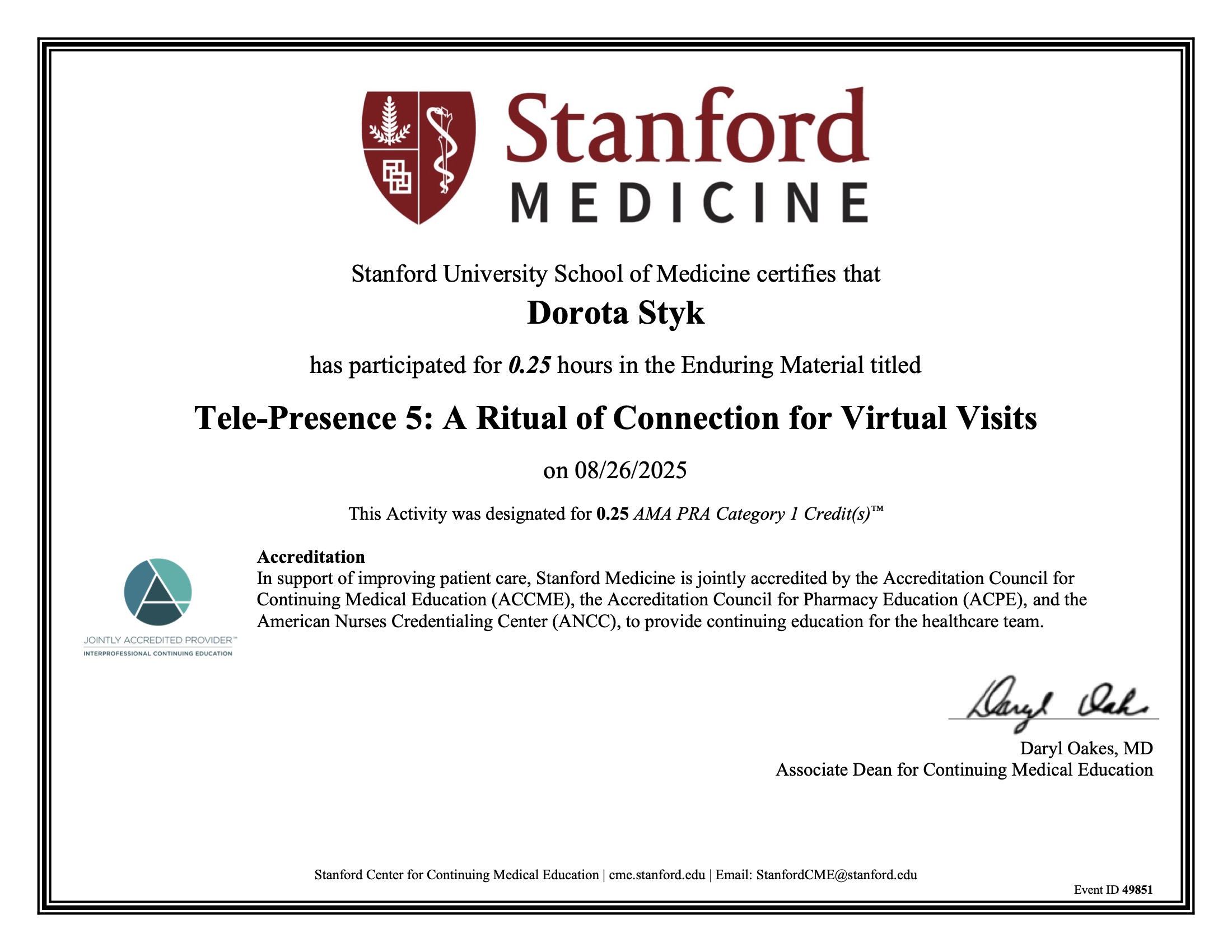
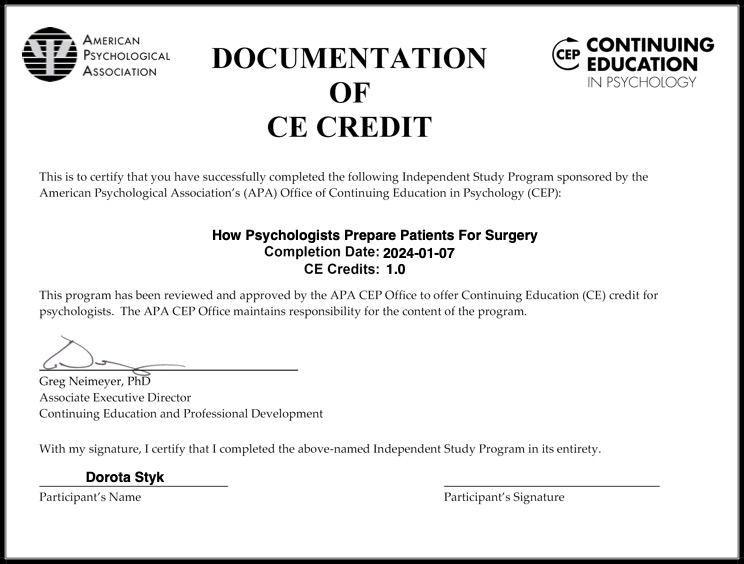
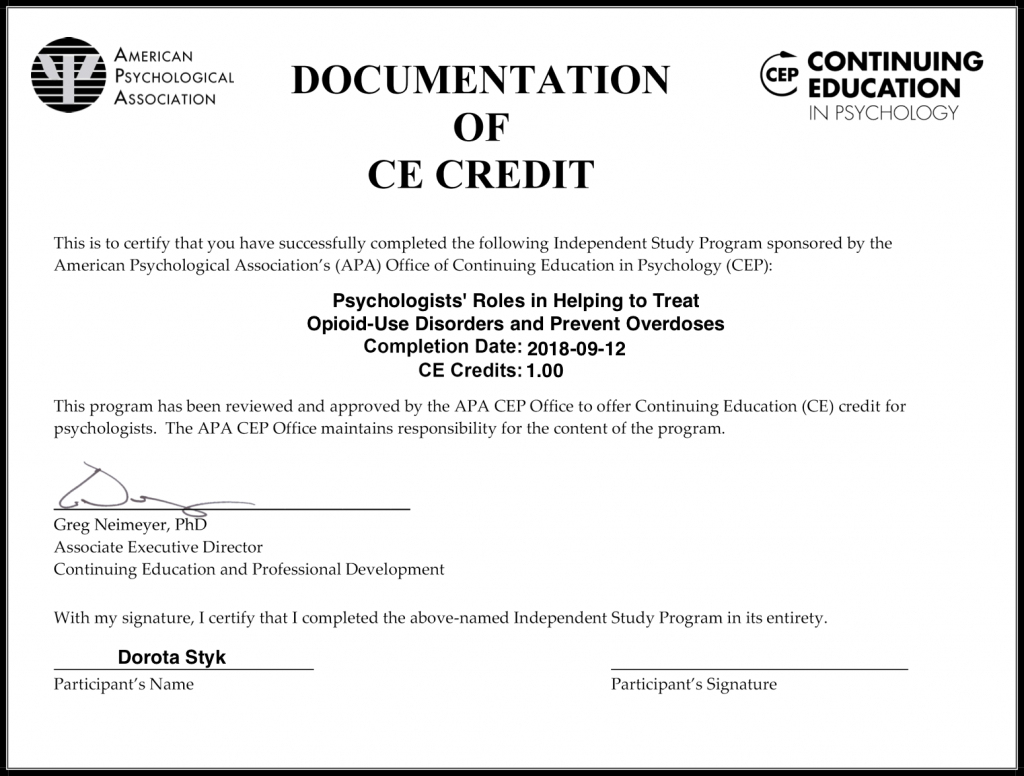
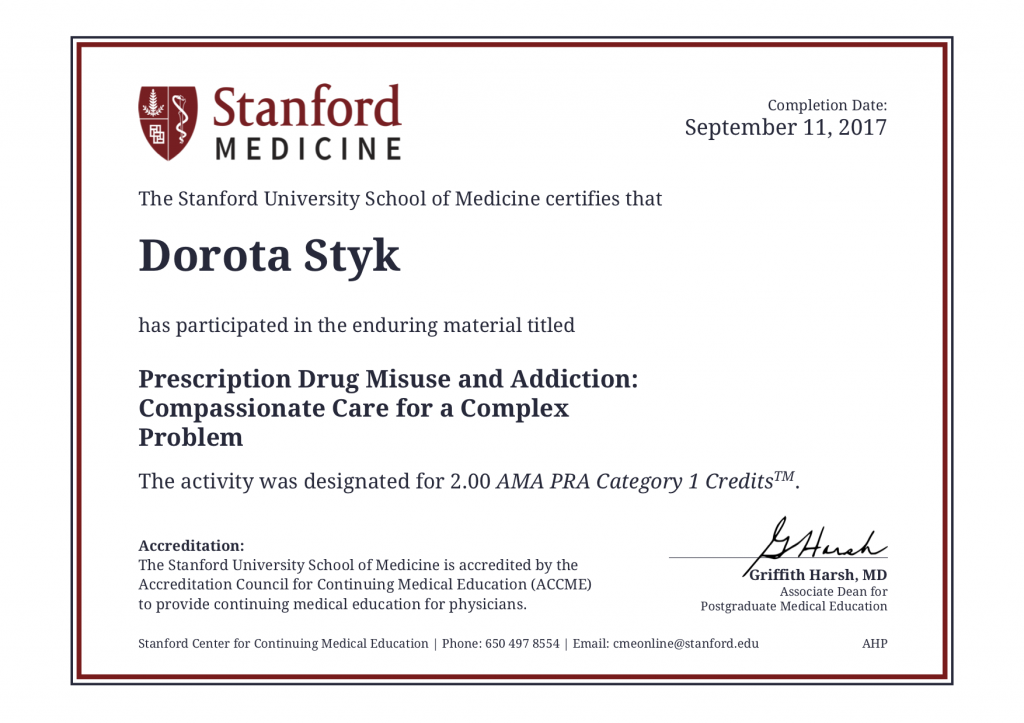
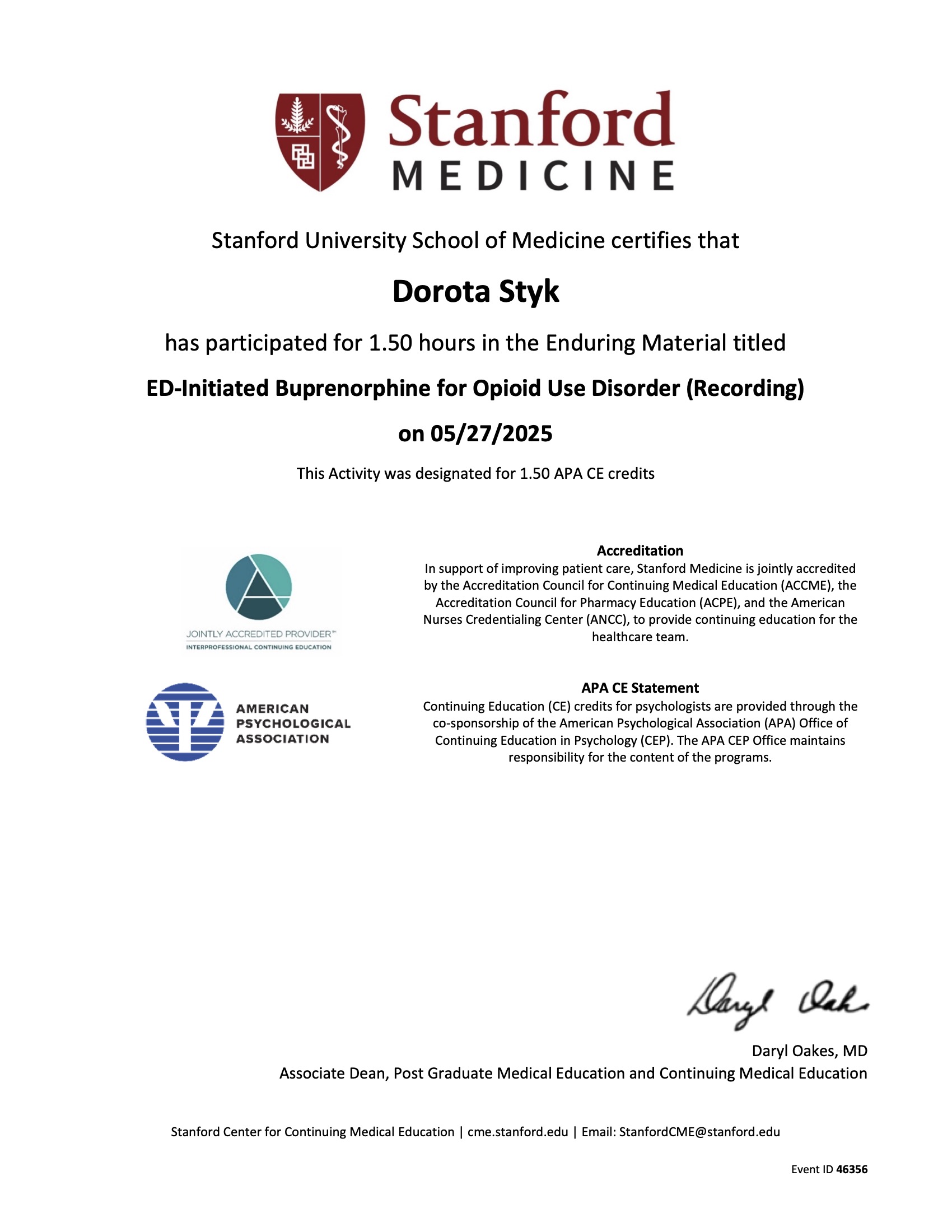
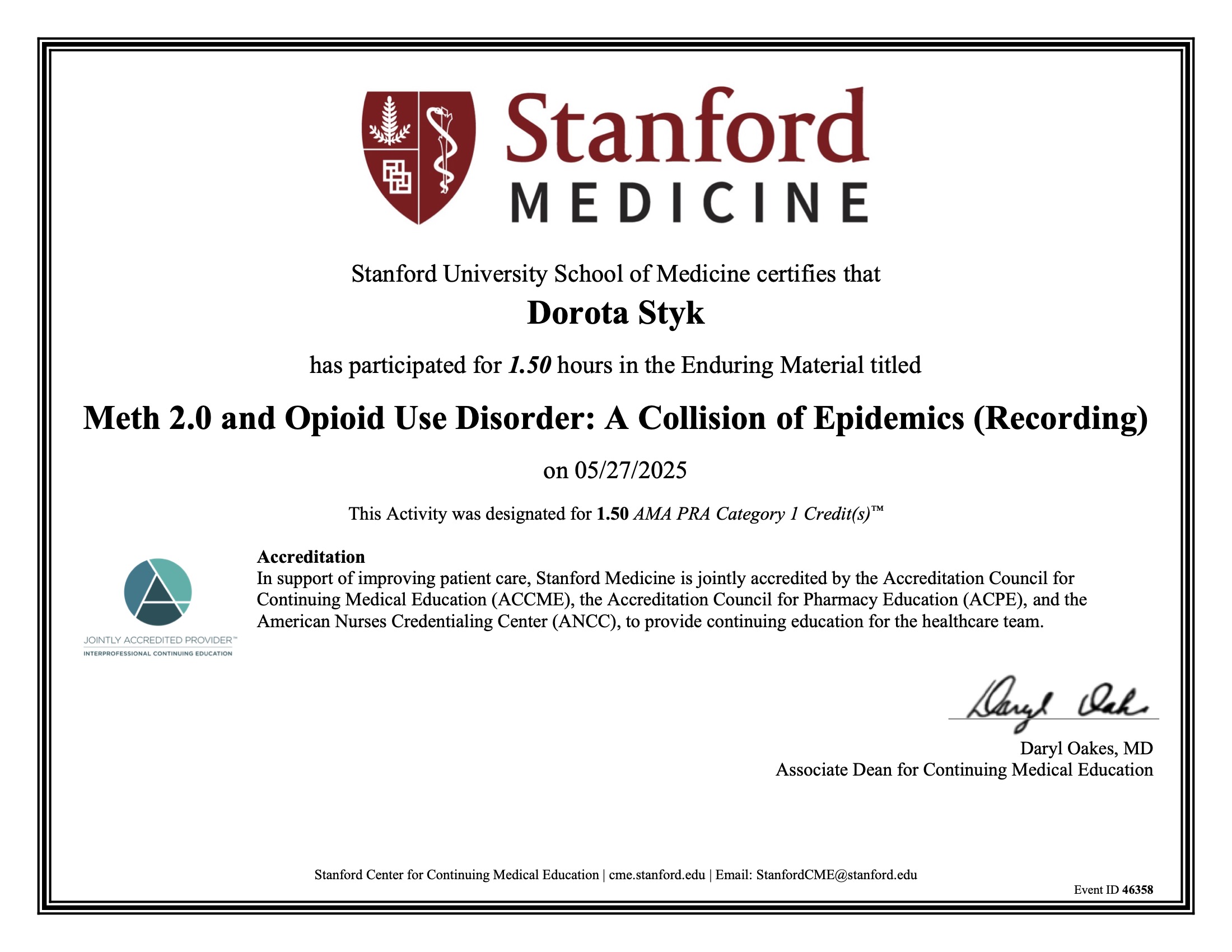
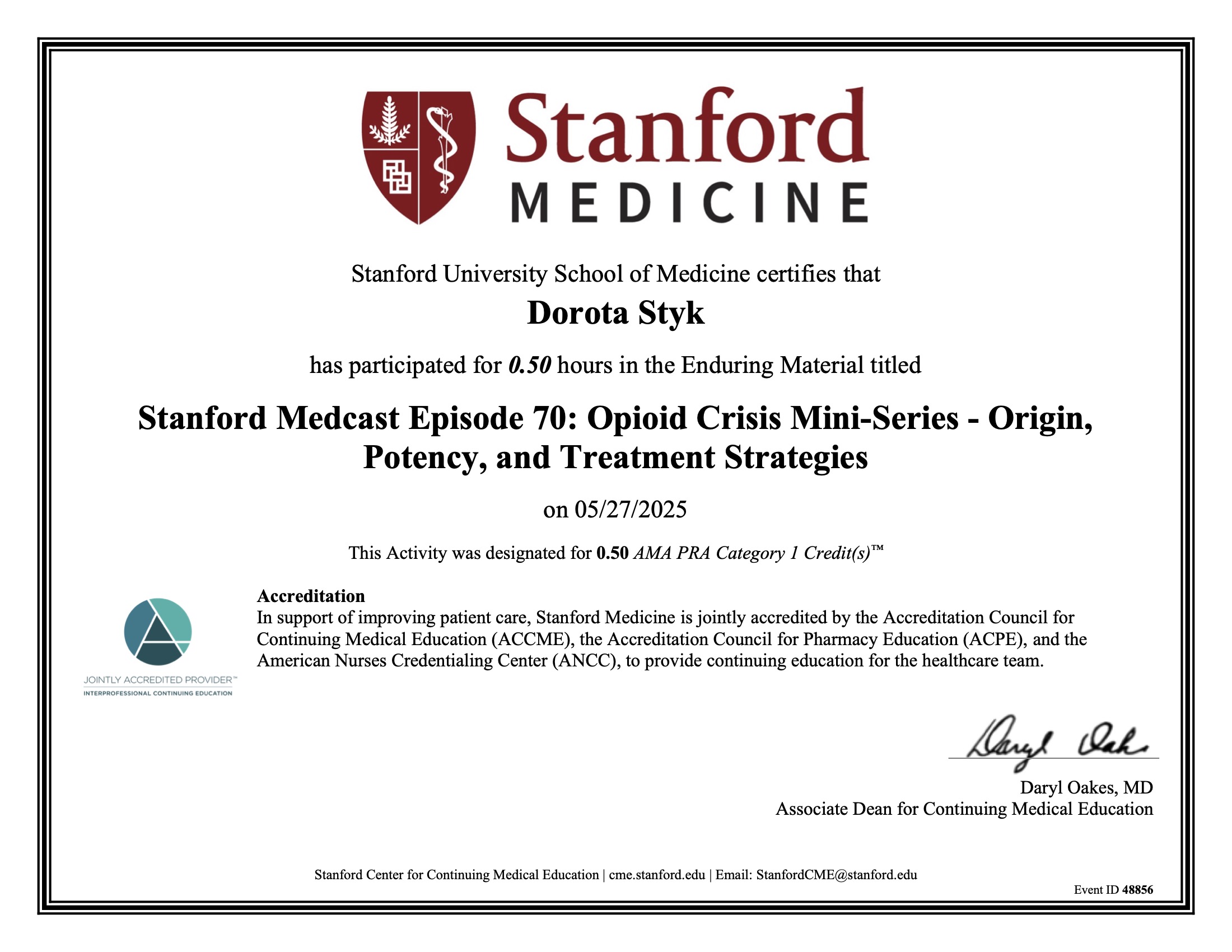
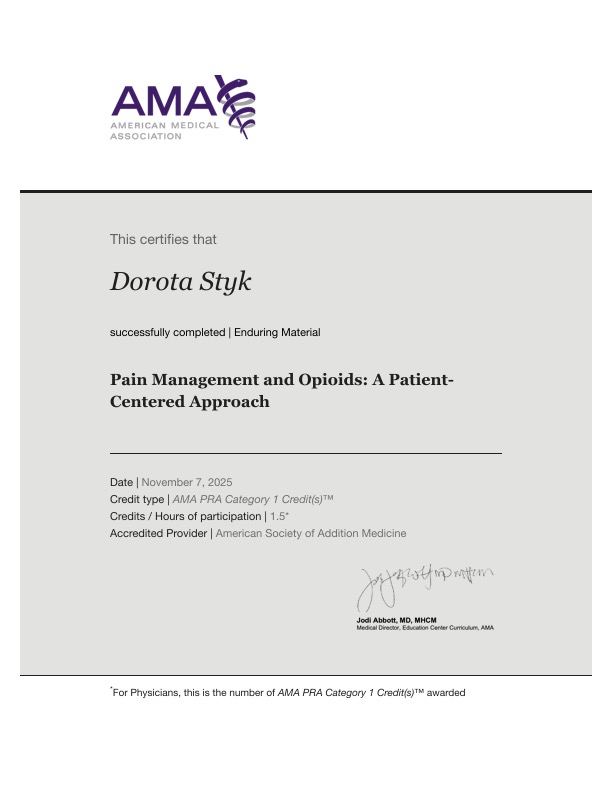
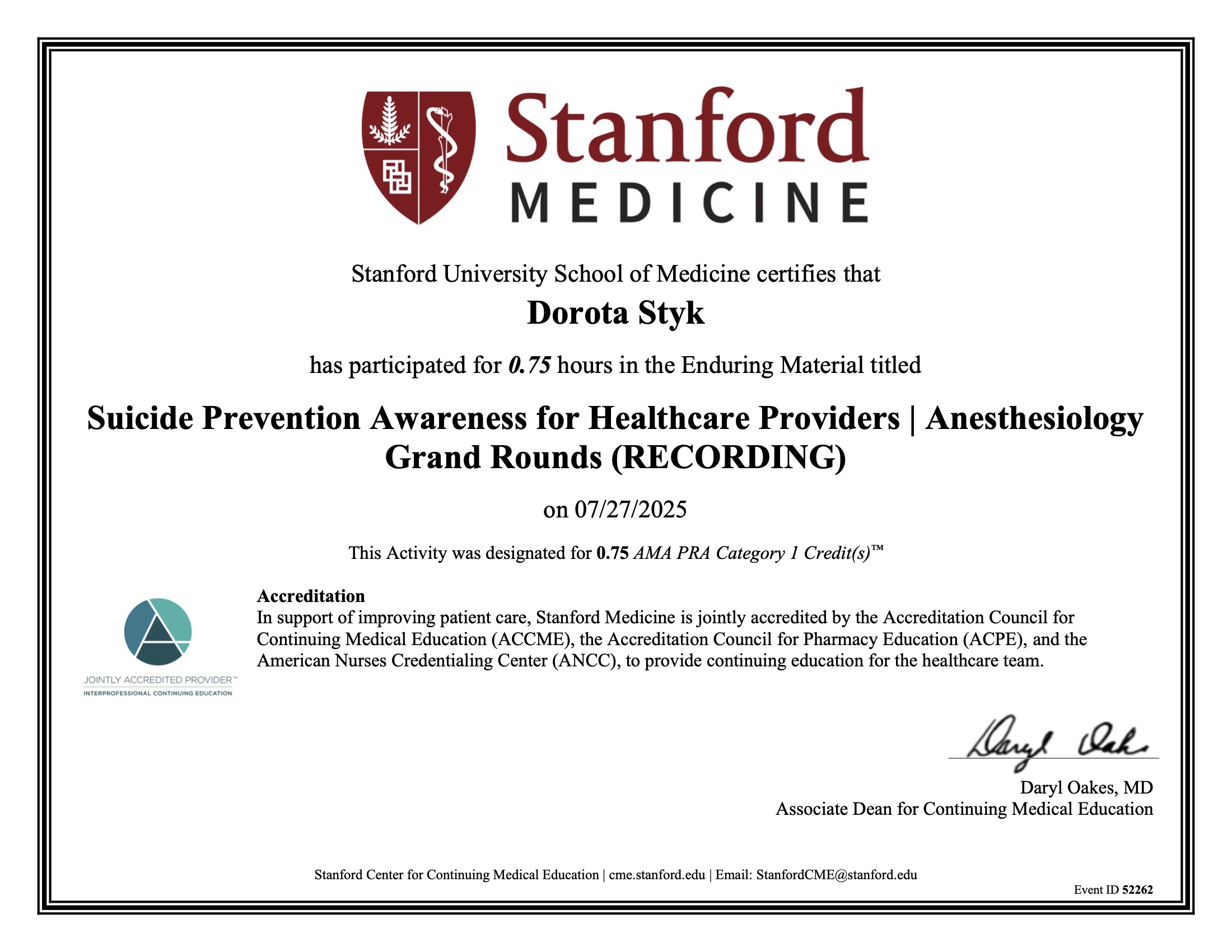
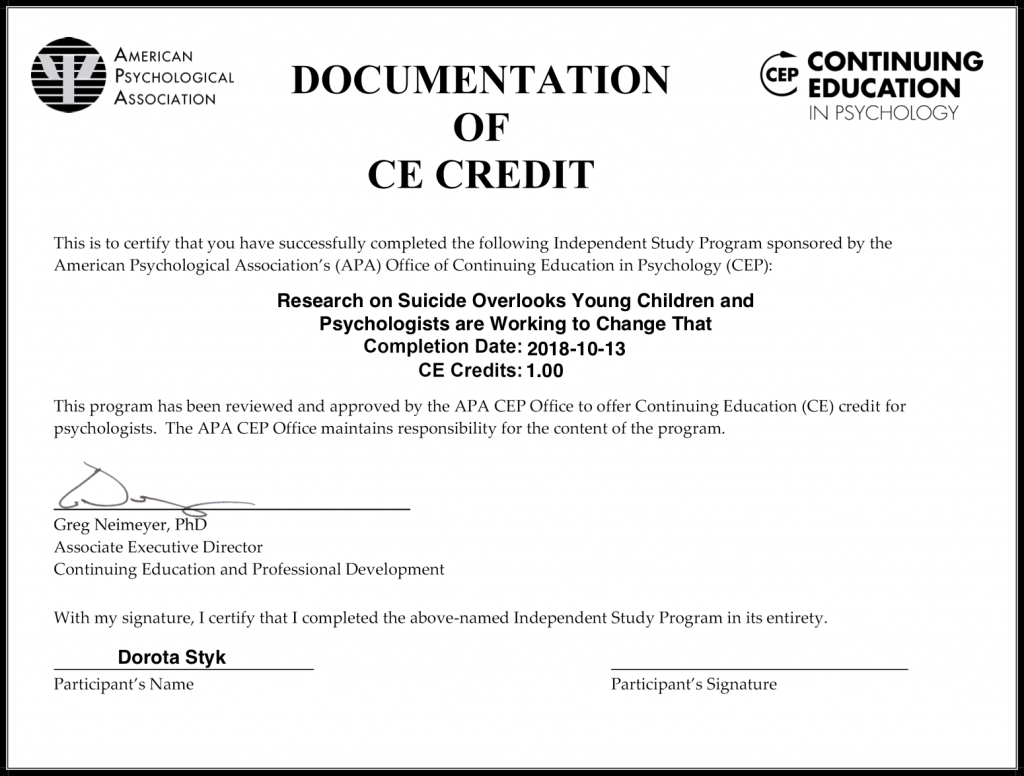
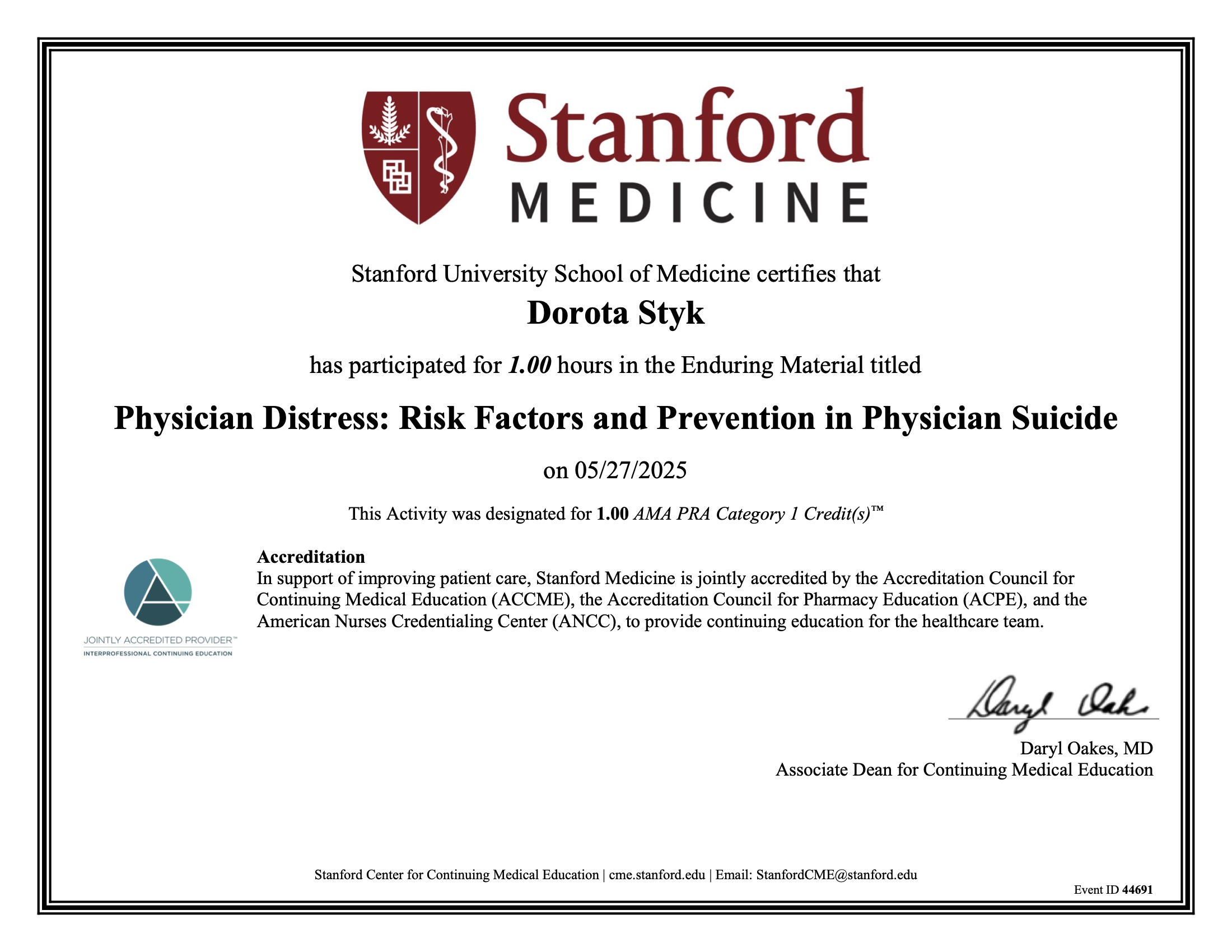
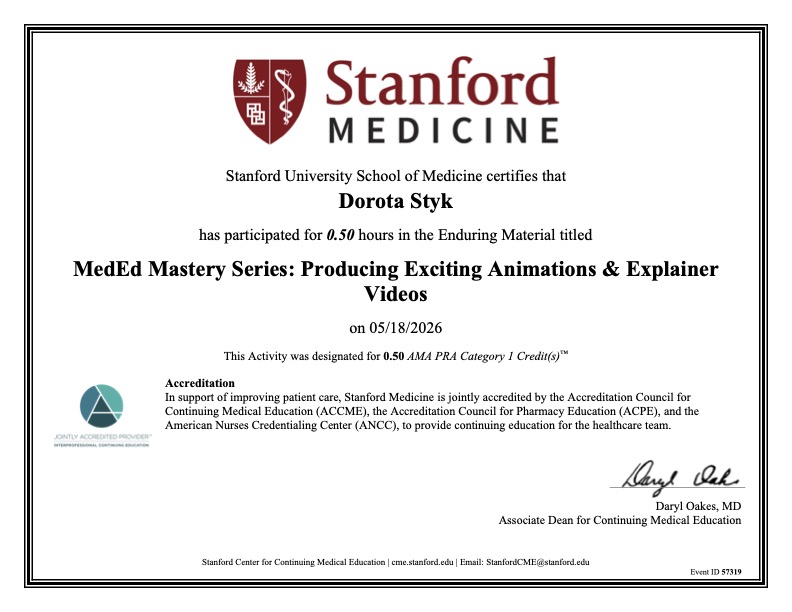
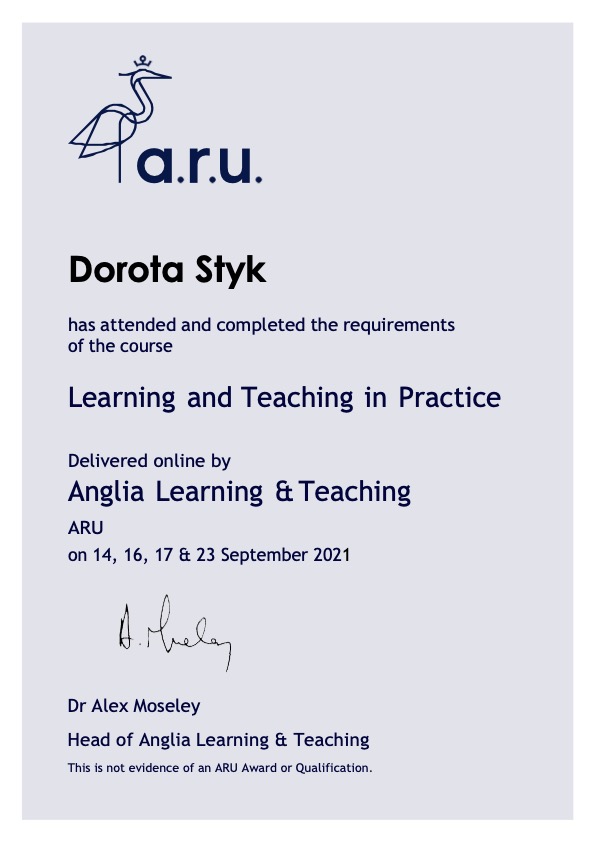
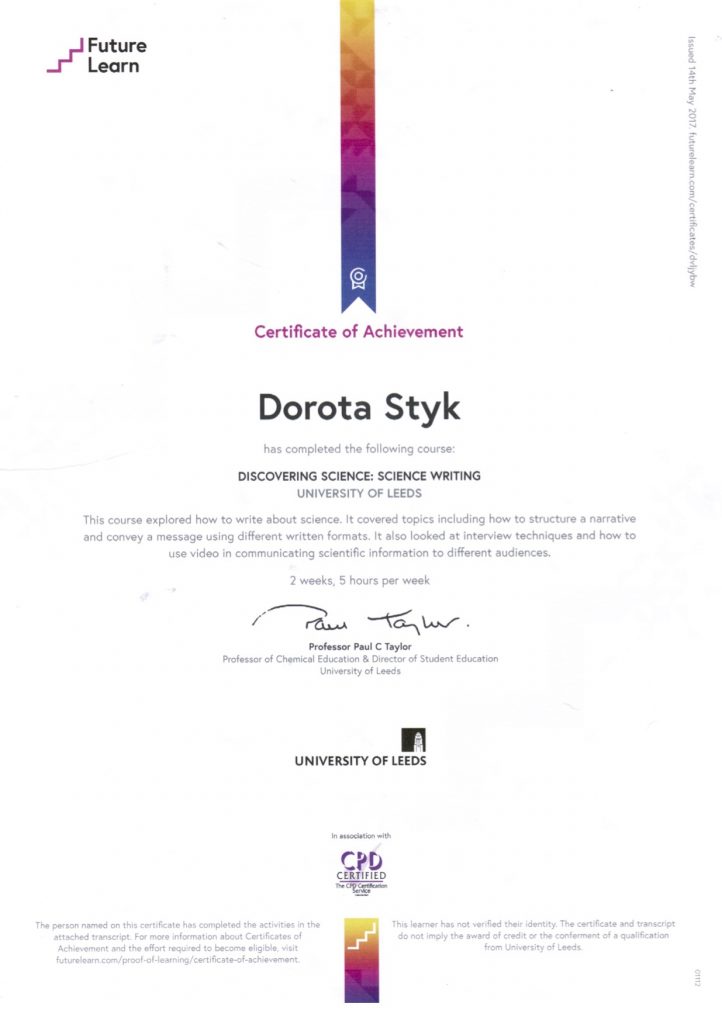
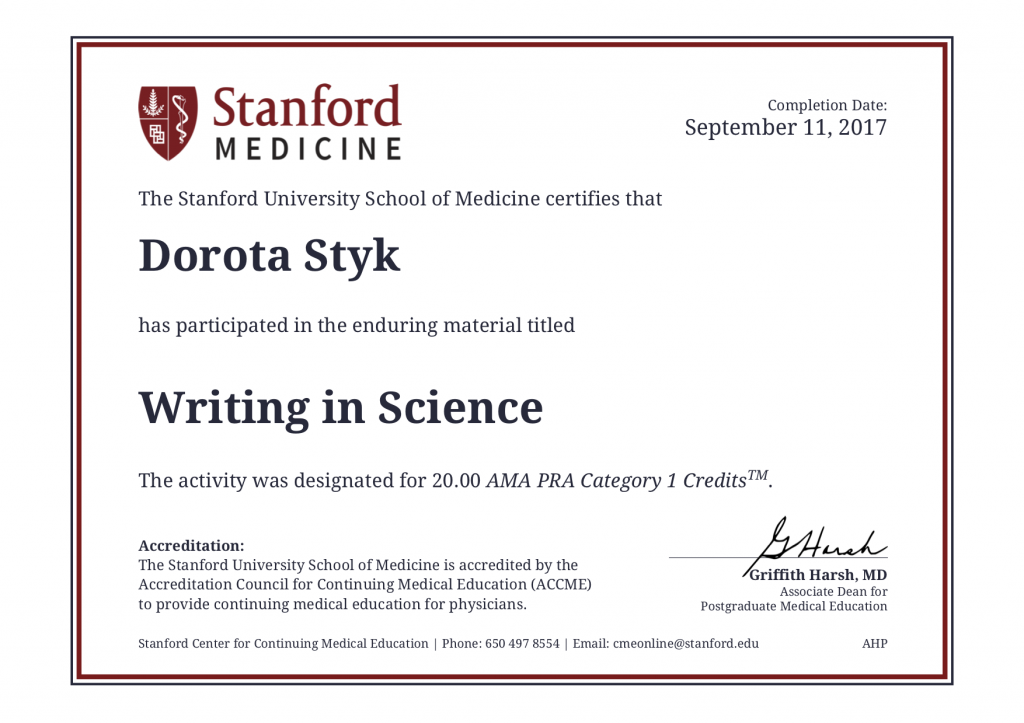
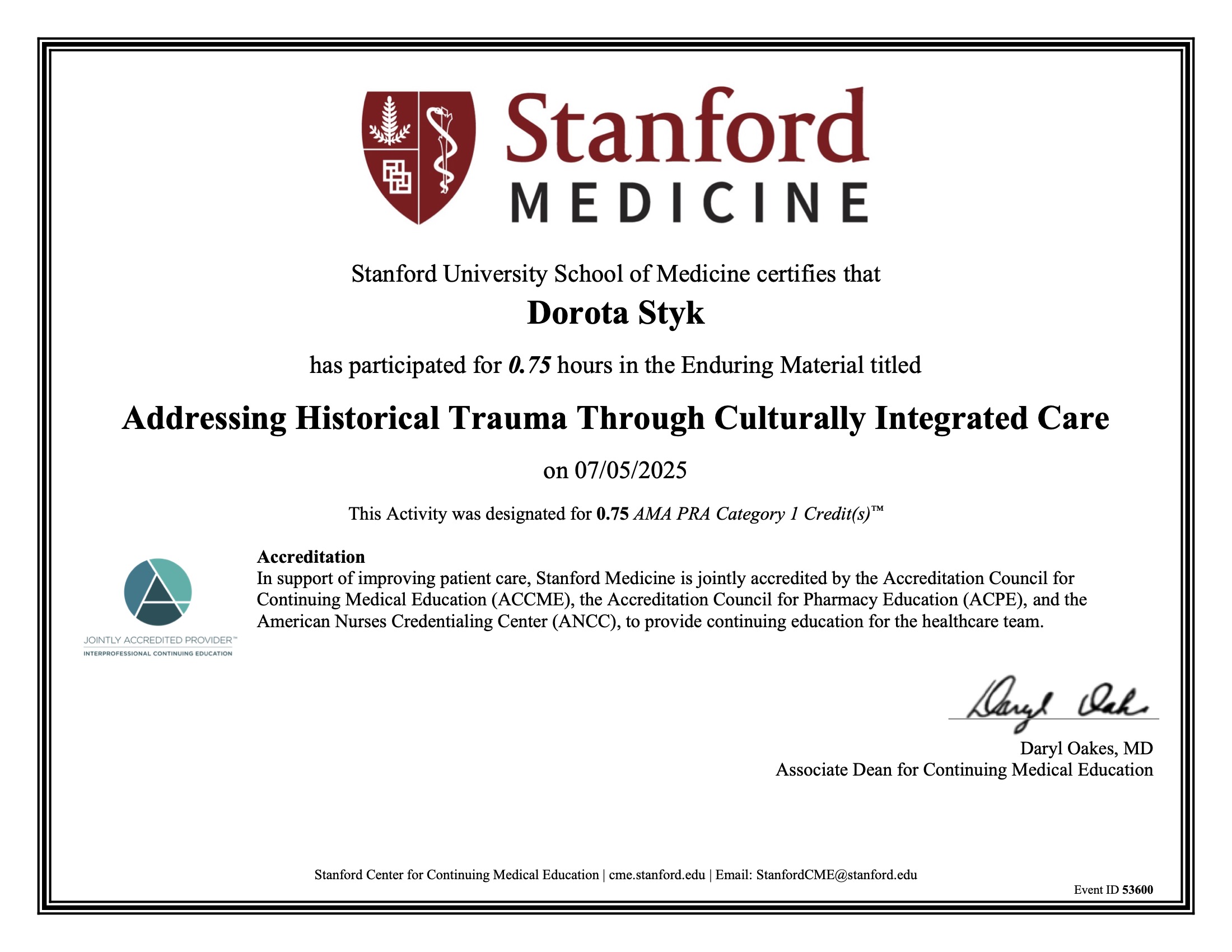
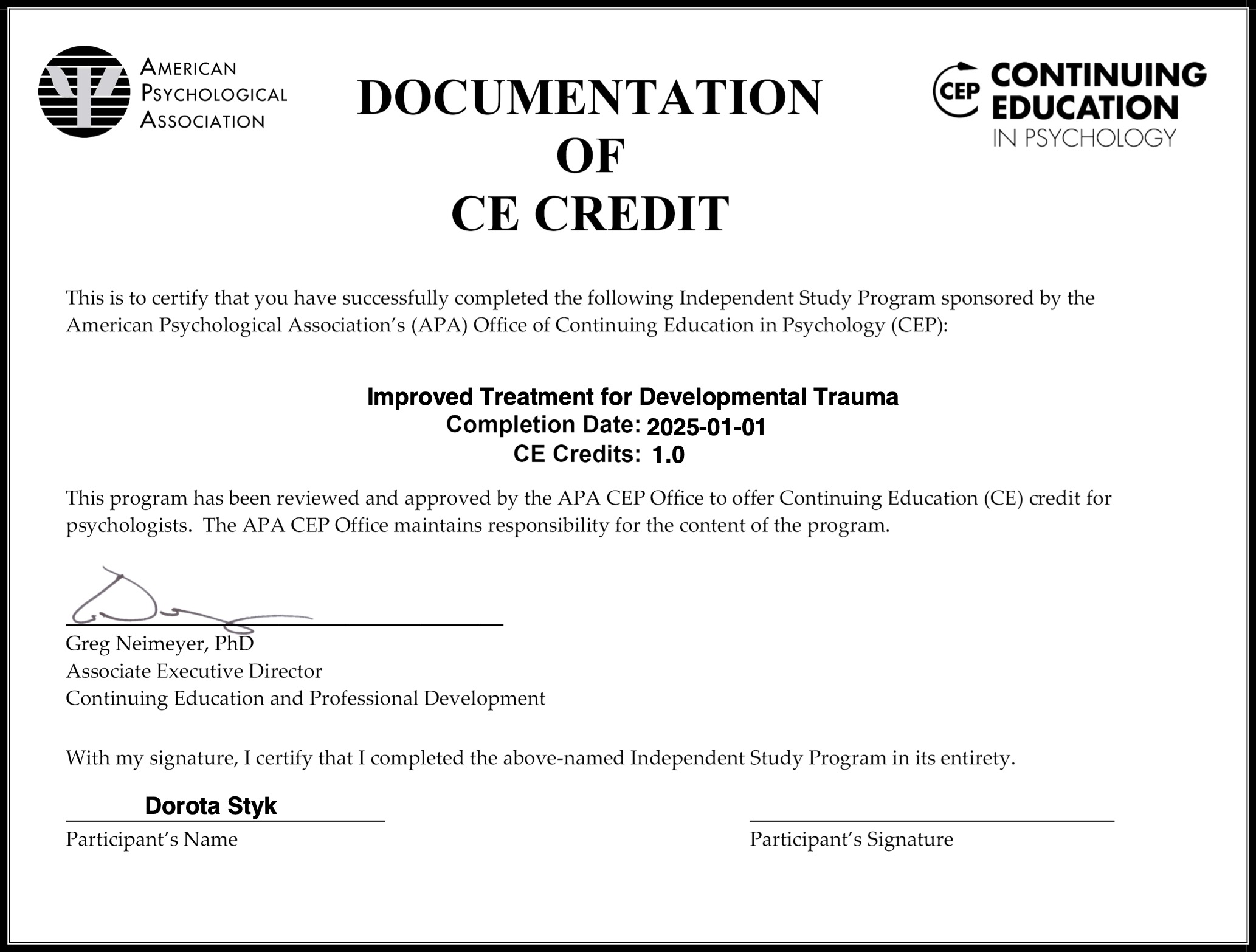
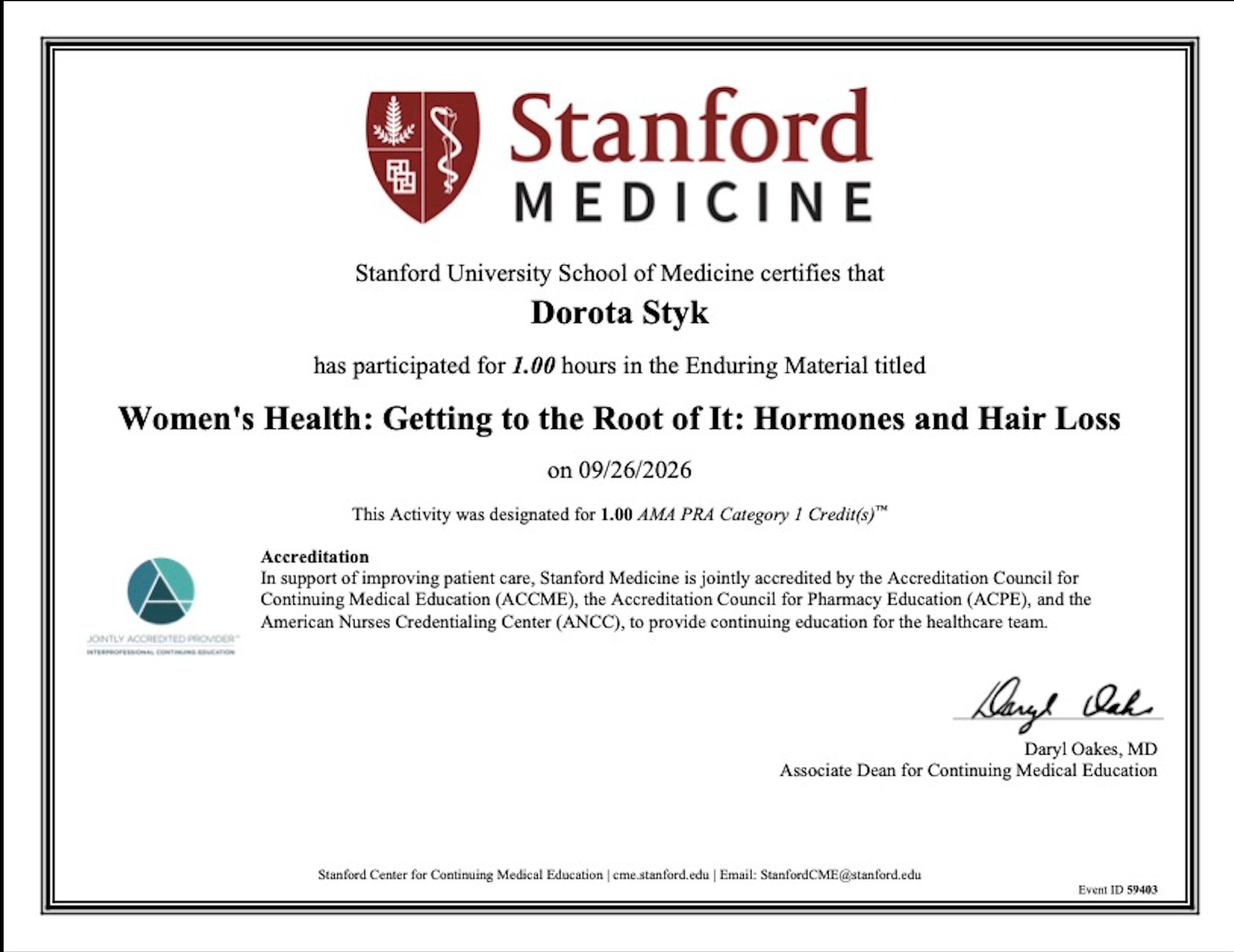
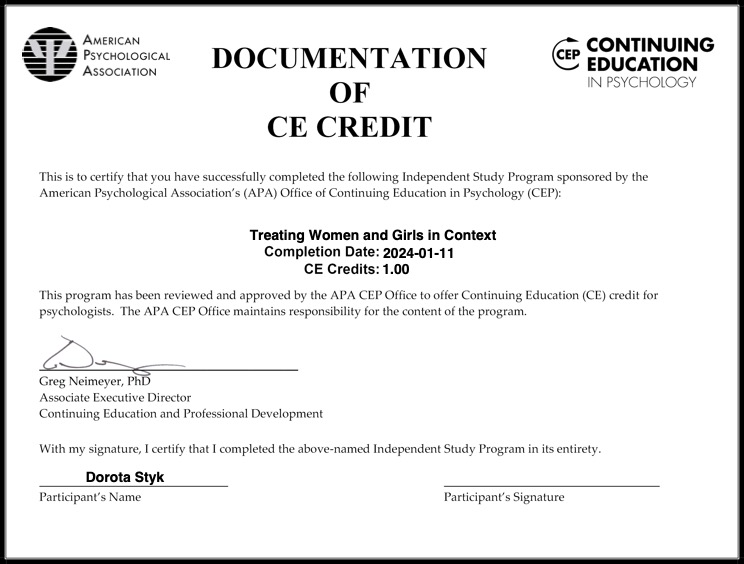
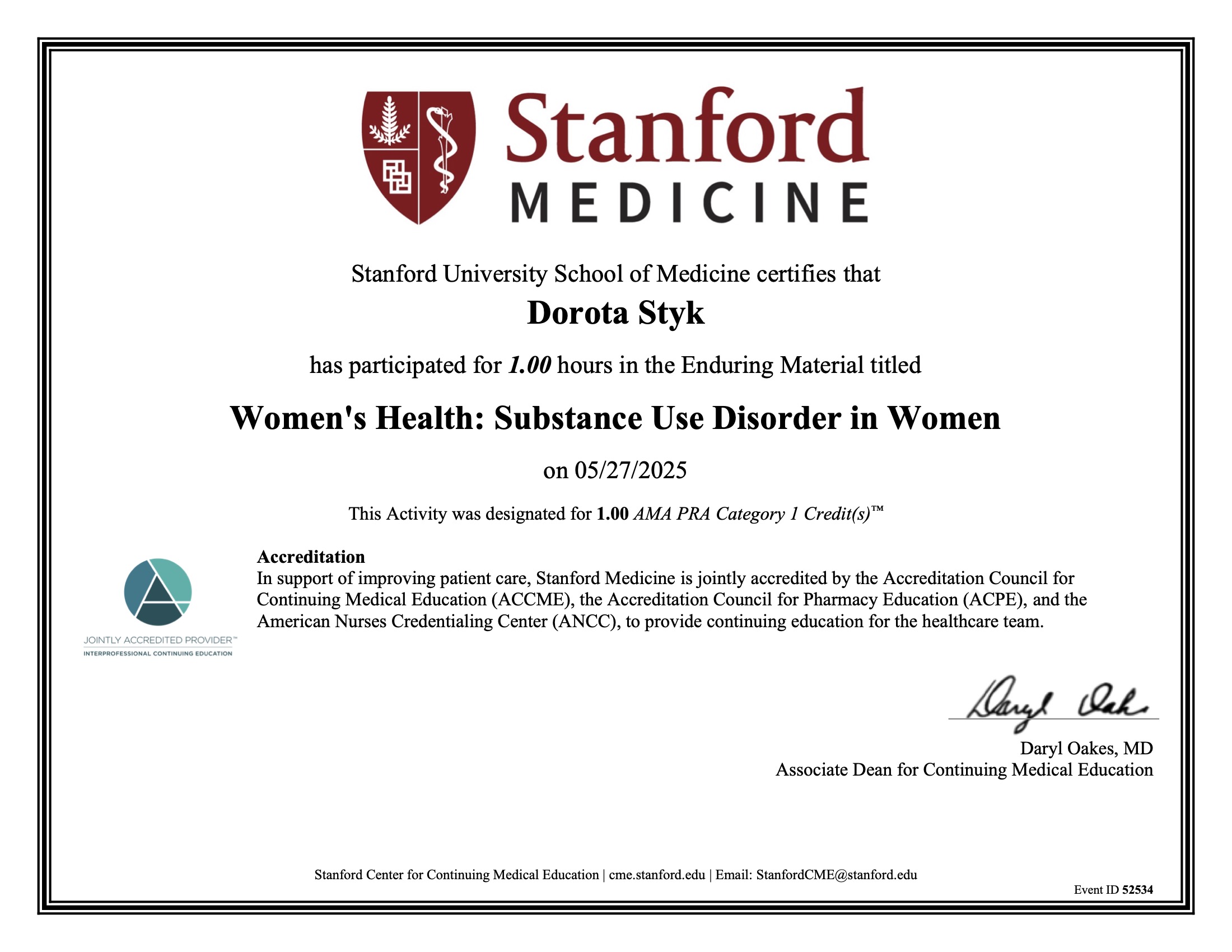
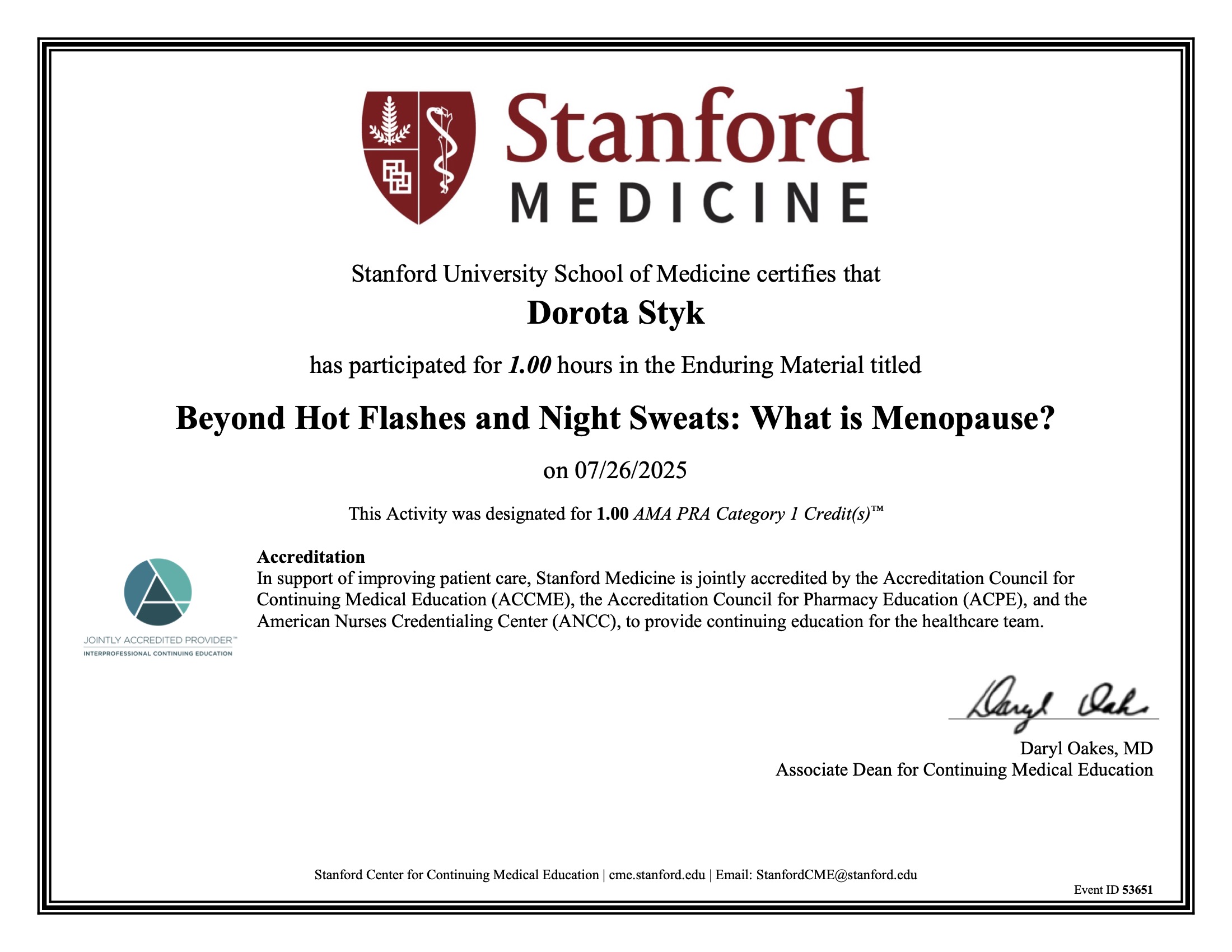
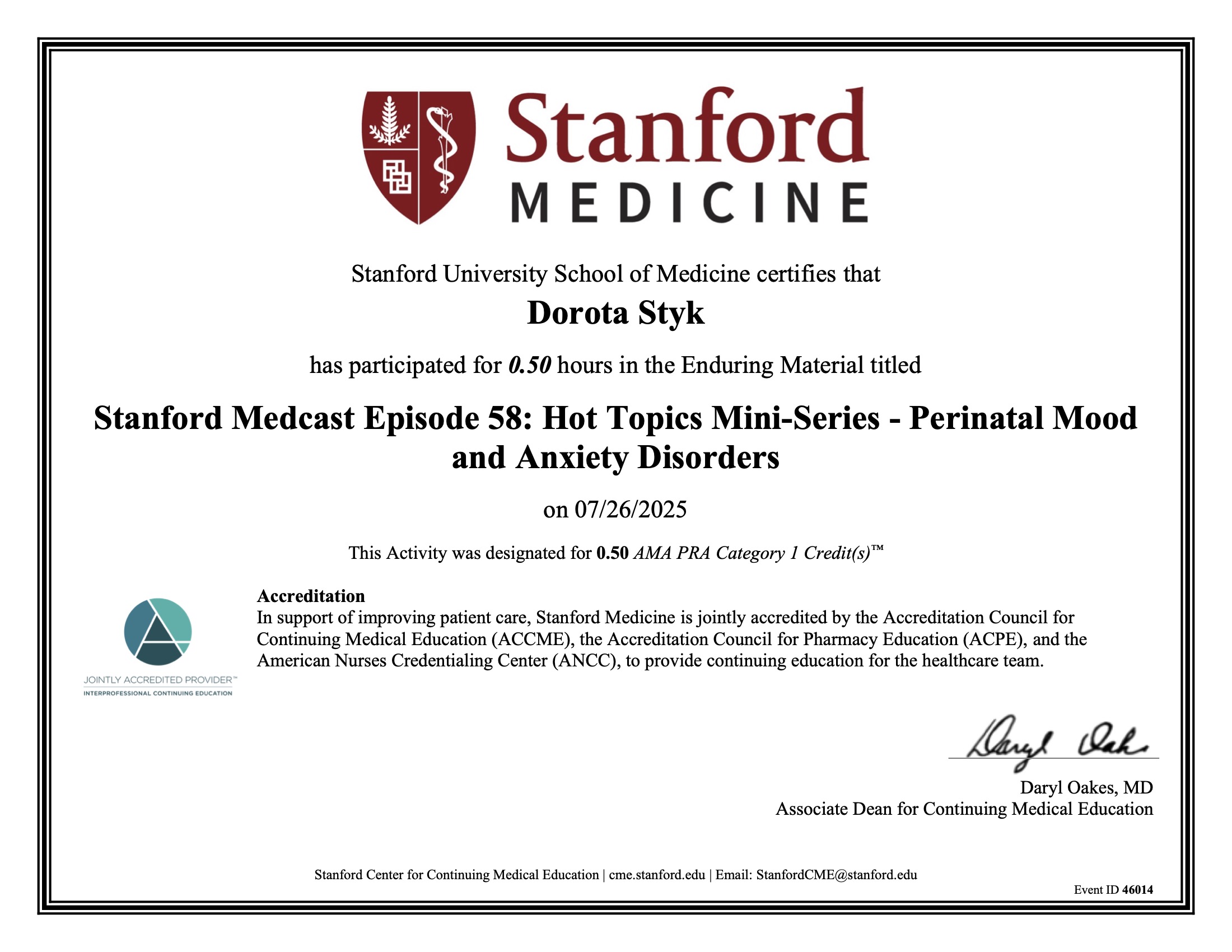
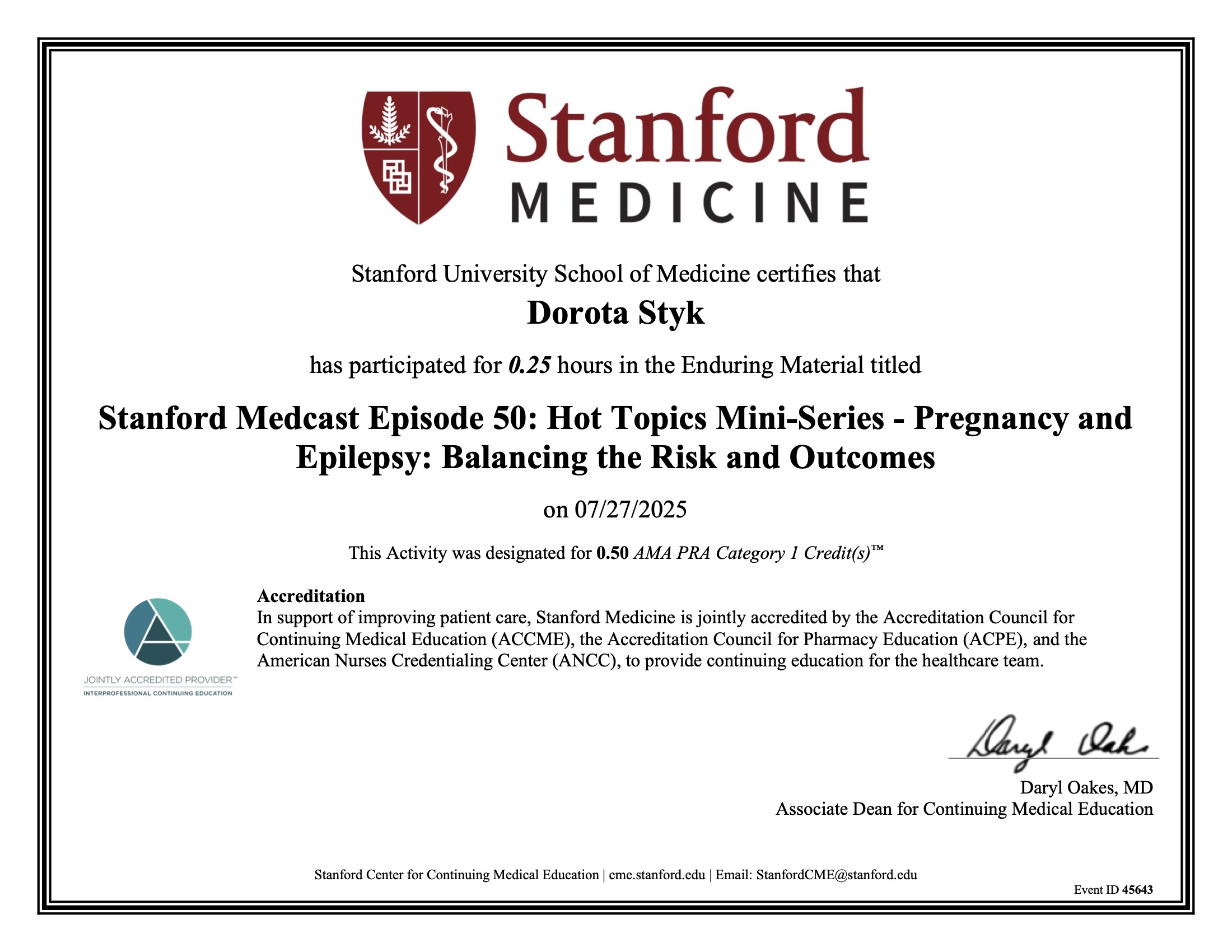
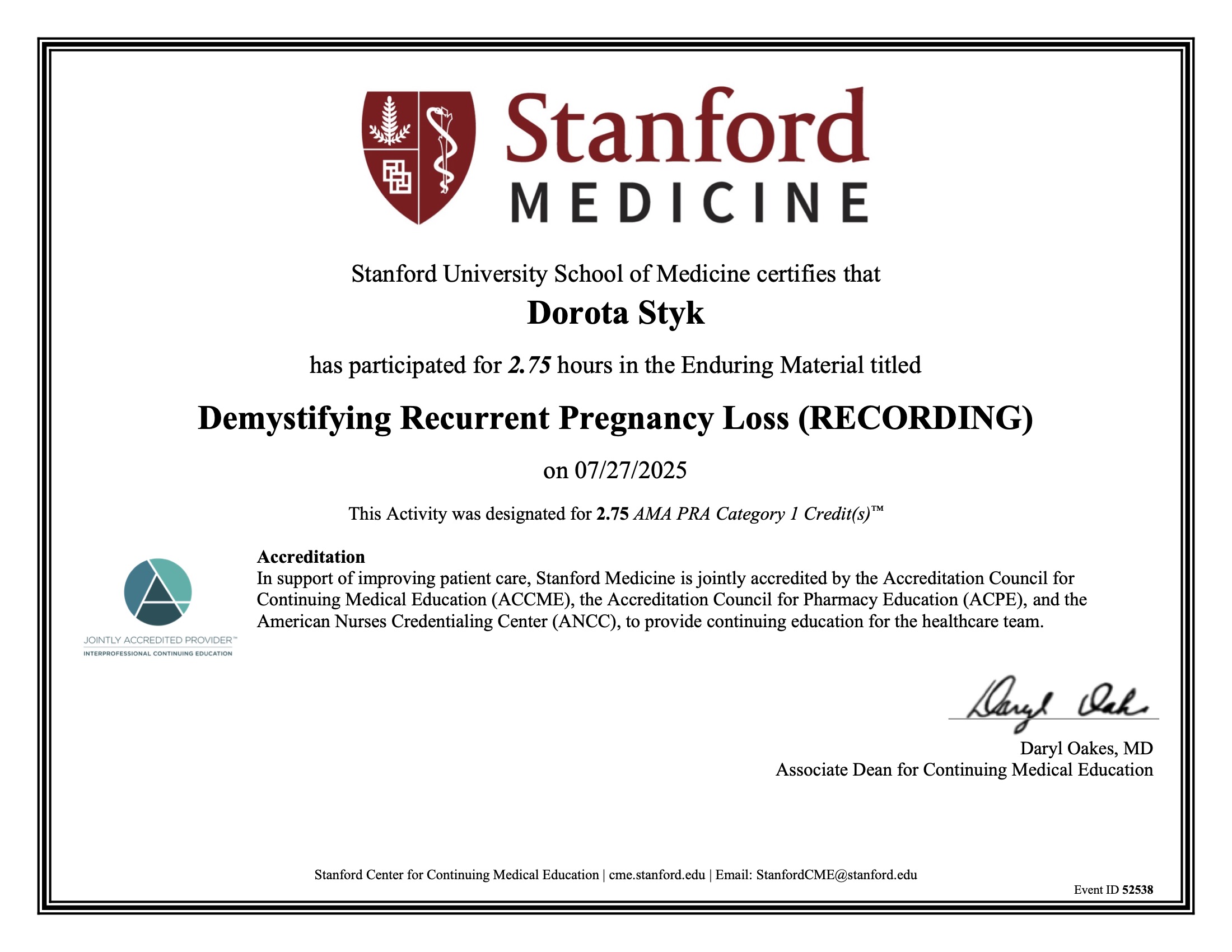
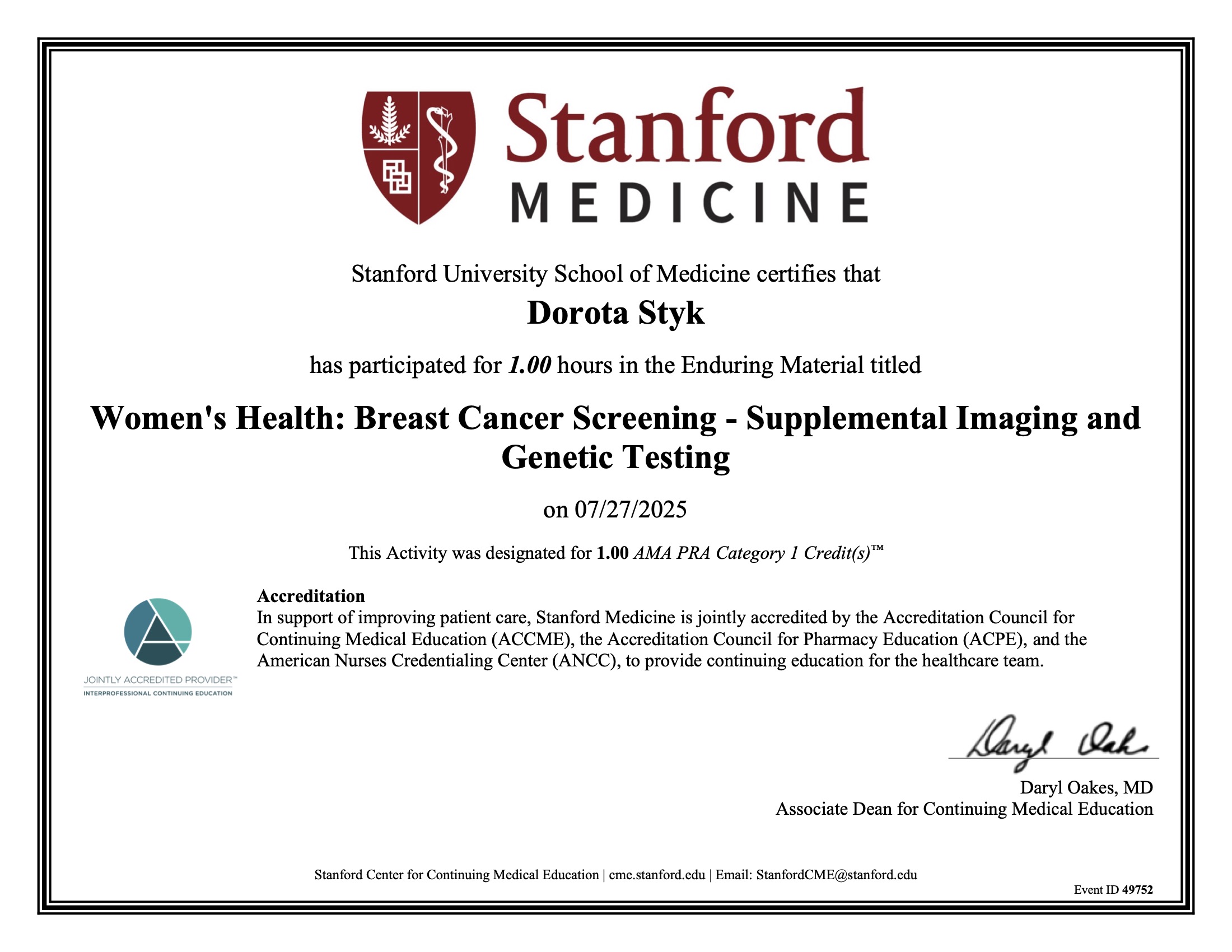
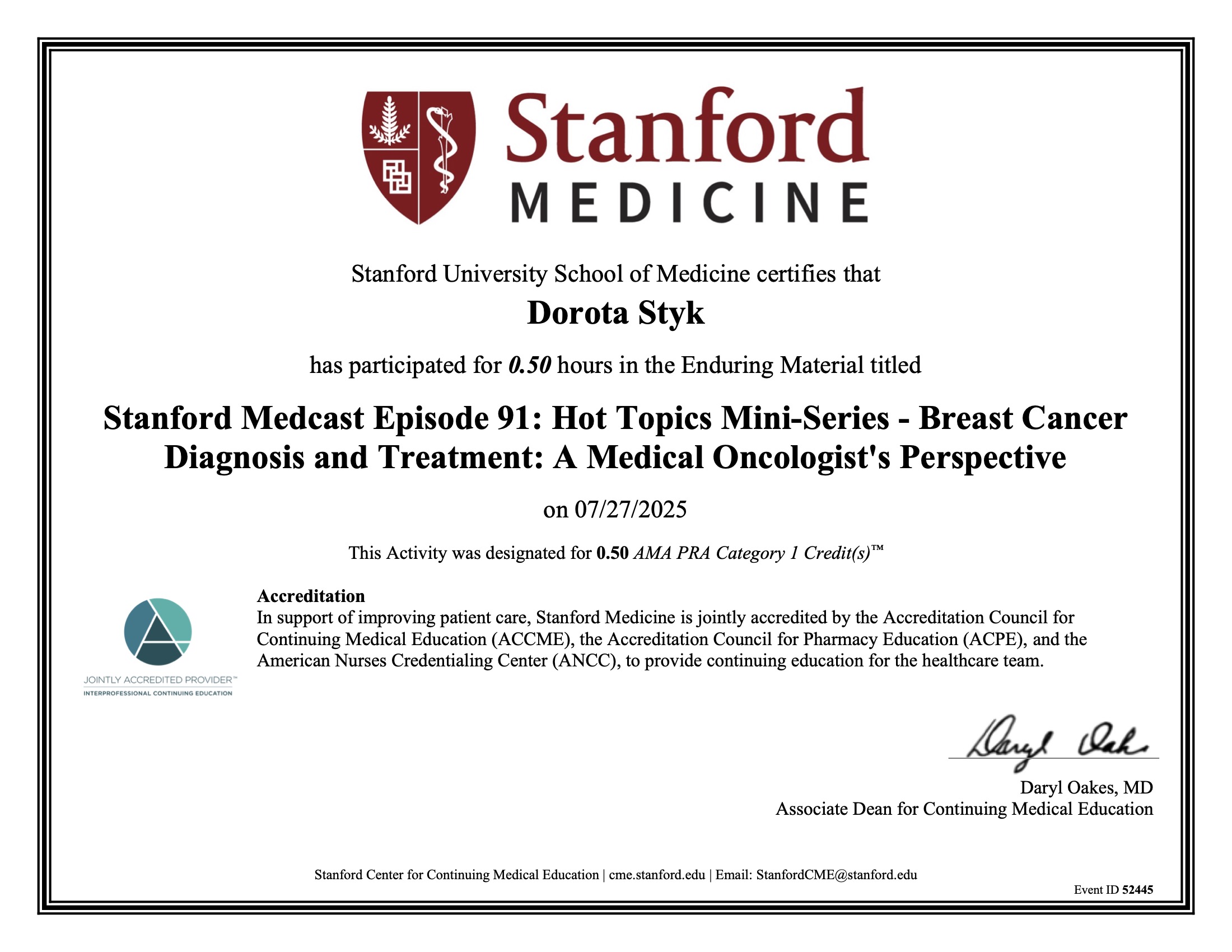
Certifications: 331 CPD, CME and CE courses in Psychology, Neuroscience and Research Methods accredited by: American Psychological Association (APA), Oxford University, The Stanford University School of Medicine, Yale University, King’s College London, among others.
NEUXSCIENCE®
NeuxScience® is a specialised software-as-a-service (SaaS) platform purpose-built for researchers investigating working memory, executive functions, and related higher-order cognitive constructs. The platform provides an integrated environment for the design and implementation of experimental paradigms, the acquisition of behavioural and neurophysiological data – including electroencephalography (EEG) and virtual reality (VR) environments – and the construction, simulation, and empirical validation of computational models of cognitive processes.
July 2025 NeuxScience® achieved Level 4 status in the Microsoft for Startups Founders Hub, recognising our commitment to technological innovation and scalable growth within Microsoft’s startup ecosystem. This milestone strengthens our partnership with Microsoft to advance neurocognitive research solutions (50000$ in Azure Credits)
2024 Level 3 (25000$ in Azure Credits)
2023 Level 2 (5000$ in Azure Credits)
2022 Level 1 (1000$ in Azure Credits)
Awards & Grants
£500 PGR Grant Birkbeck University of London (Feb 2026)
50000$ in Azure credits NeuxScience® achieved Level 4 status in the Microsoft for Startups Founders Hub, recognising NeuxScience’s commitment to technological innovation and scalable growth within Microsoft’s startup ecosystem. This milestone strengthens our partnership with Microsoft to advance neurocognitive research solutions (Jul 2025); 25000$ in Azure credits Level 3 (Jul 2024); 5000$ in Azure credits Level 2 (Jul 2023)
Publications
Styk, D. (2026, June 18). Novel confidence-driven extensions of HMM for personalised adaptive working-memory training: Comparison across adaptive controllers [Poster presentation]. Birkbeck University of London Science Week 2026, London, United Kingdom. DOI: 10.13140/RG.2.2.28564.46722
Styk, D., Davelaar E. J. (2025 April 27-30). Personalised, Gamified Working Memory Training: Machine Learning-Driven Adaptation for Cognitive Gains and Transfer Effects. [Poster presentation]. The International BNA 2025 Festival of Neuroscience. DOI: 10.13140/RG.2.2.32946.11208
Styk, D., & Davelaar, E. J. (2024, June 25-27). New approach in Working Memory Training [Poster presentation]. The 4th International Conference of Working Memory, Leeds, England, United Kingdom. DOI: 10.13140/RG.2.2.19565.60644
Conferences
INTERNATIONAL AND NATIONAL (UK)
|
31st International Congress of Applied Psychology July 21st – 25th, 2026, Florence, Italy |
|
Working Memory Discussion Meeting July 1st – 3rd 2026, Parcevall Hall, Yorkshire |
|
Working Memory Discussion Meeting June 23rd – 25th 2025, Parcevall Hall, Yorkshire |
|
BNA 2025 The International Festival of Neuroscience April 27th – 30th 2025, Liverpool |
|
The 4th International Conference of Working Memory June 25th – 27th 2024, Leeds |
IN-HOUSE
|
Science Week, June 2026, Birkbeck University of London (first author poster presentation) |
|
Science Week, June 2025, Birkbeck University of London (first author poster presentation) |
|
Master of Science Induction Day, January 7th, 2025, Birkbeck University of London (first author poster presentation) |
|
15th Annual Postgraduate Researchers Conference, Anglia Ruskin University, June 2021 Cambridge, England |
DELEGATE
|
Working Memory Discussion Meeting June 25th – 27th 2023, Parcevall Hall, Yorkshire |
|
Working Memory Discussion Meeting June 28th – 30th 2021, Parcevall Hall, Yorkshire |
|
The 20th BPS Division of Neuropsychology Anniversary Conference, 19th – 20th September 2019, Bloomsbury, London, UK |
|
Developing Minds: Mental Health, Children & Young People featuring Dan Siegel February 8th 2019, London |
|
29th International Congress of Applied Psychology July 26th – 30th, 2026, Montreal, Canada (UK delegate) |
|
Imperial College London: The Future of Artificial Intelligence (AI), 14th April 2016, London |
Children's Books
Styk D. (2011). Przygody małej Ronki, Wydawnictwo Rona, Kraków ISBN 978-83-933949-0-6, (Good Reads, Jagiellońska Biblioteka Cyfrowa)
Past academic positions
Associate lecturer in Psychology L4 – L7, Anglia Ruskin University, (Cambridge, England)
L4 Self and Society 2021/22, 2022/23
L4 Clinical and Health Psychology 2021/22, 2022/23
L5 Social Psychology, Development and Individual Differences 2021/22, 2022/23
L6 Forensic Psychology 2022/23
L7 Topics in Clinical Psychology 2021/22; 2022/23
L7 Issues in Scientific Research 2022/23
L7 Research in Action: Qualitative Methods and Psychology in Practice 2022/23
Researcher in Cognitive Neuropsychology at Anglia Ruskin University and member of the Cognition Group which forms part of the ARU Centre for Mind and Behaviour (Cambridge, England)
Research Associate in Dynamic Memory and Cognition Laboratory at Birkbeck, University of London, Neurofeedback project.
Affiliations
British Psychological Society (since 2014) The Division of Academics, Researchers and Teachers in Psychology (DARTP), The Cognitive Psychology section (since 2024)
British Neuroscience Association (since 2024)
American Psychological Association (since 2015)
Canadian Psychological Association (since 2017)
Experimental Psychology Society (since 2025)
British Association for Cognitive Neuroscience (since 2025)
International Association of Applied Psychology (since 2026) Divisions: Applied Cognitive Psychology, Psychological Assessment and Evaluation, and Clinical and Community Psychology
Media mentions
Book reviews


Professional Memberships and Accreditations






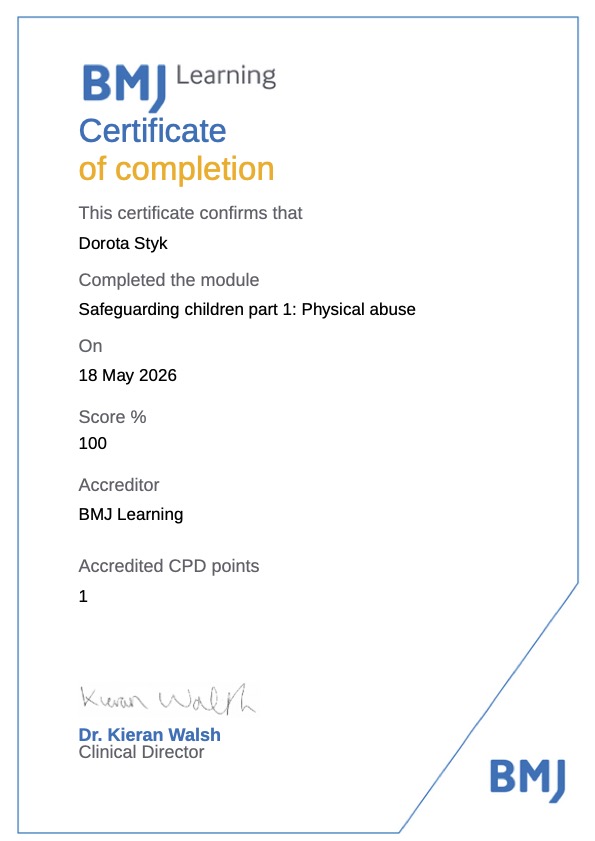
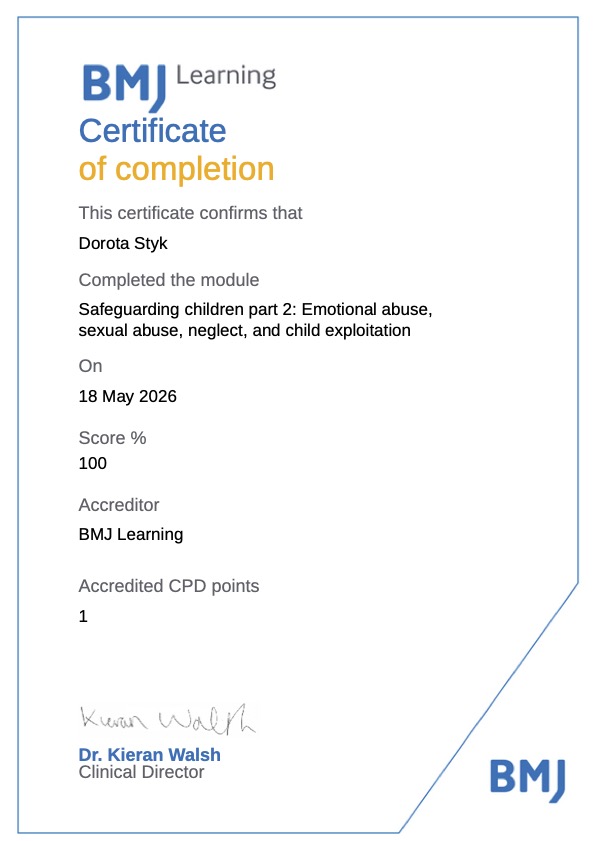
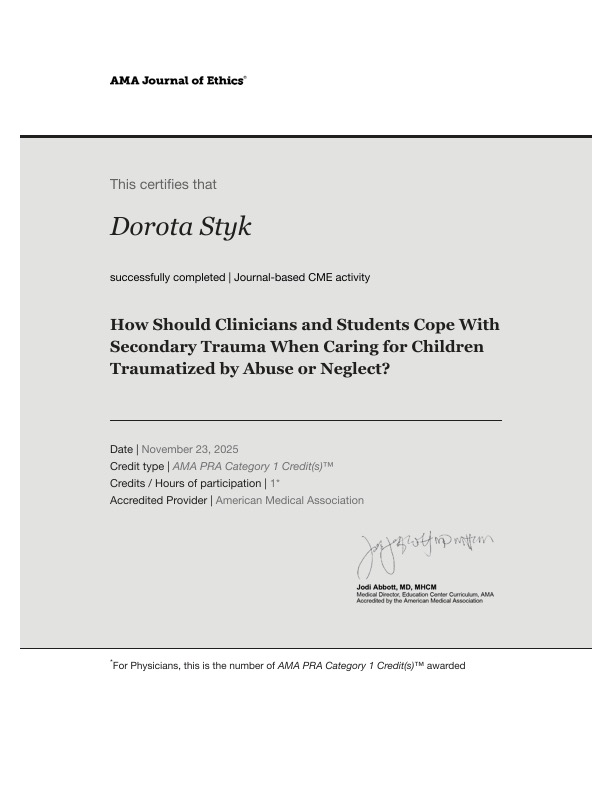
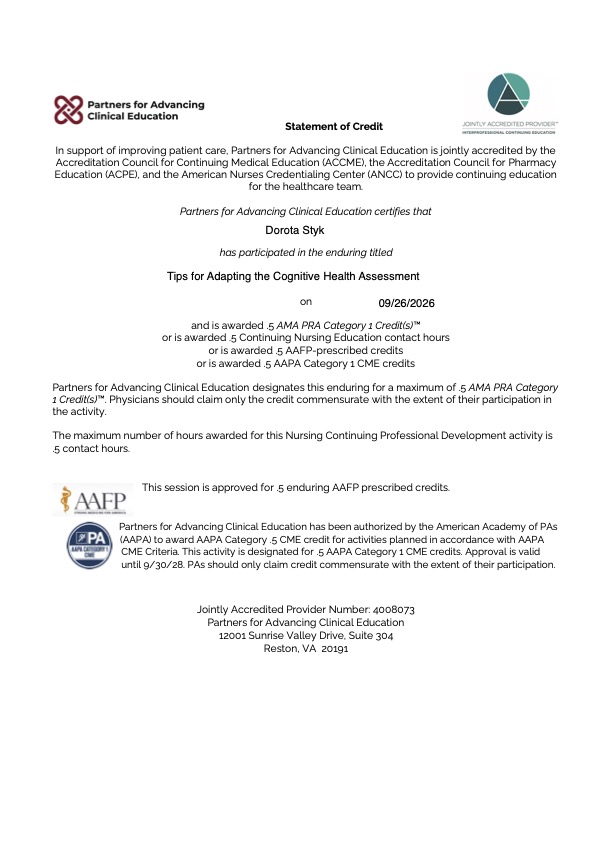
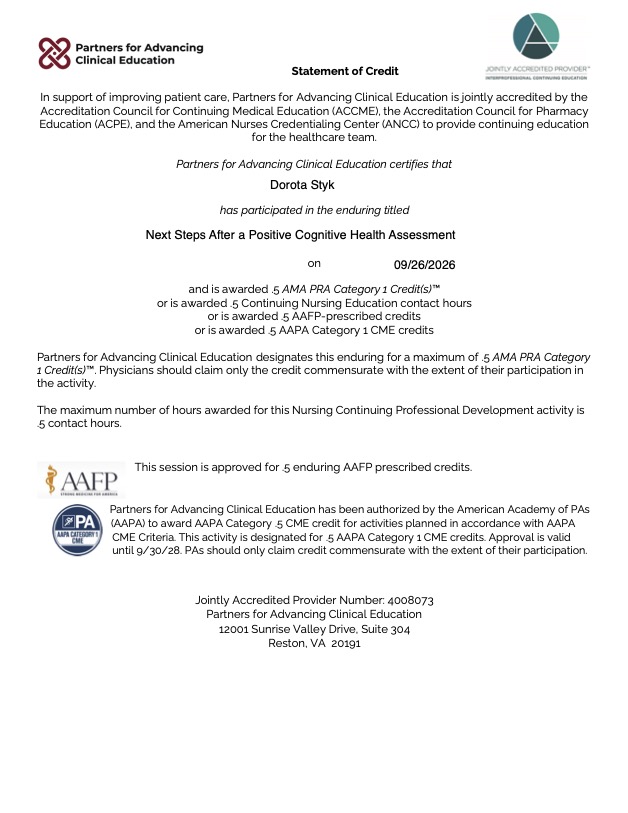
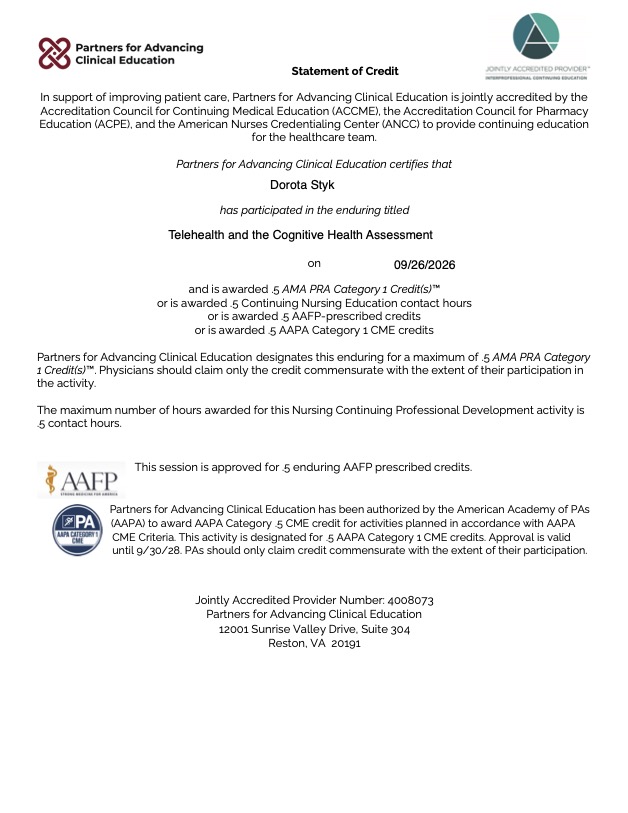
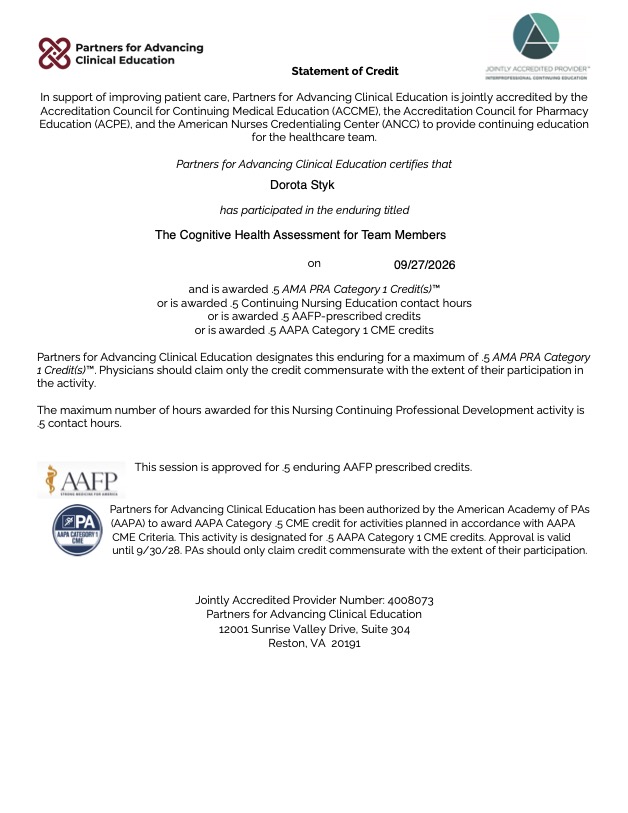
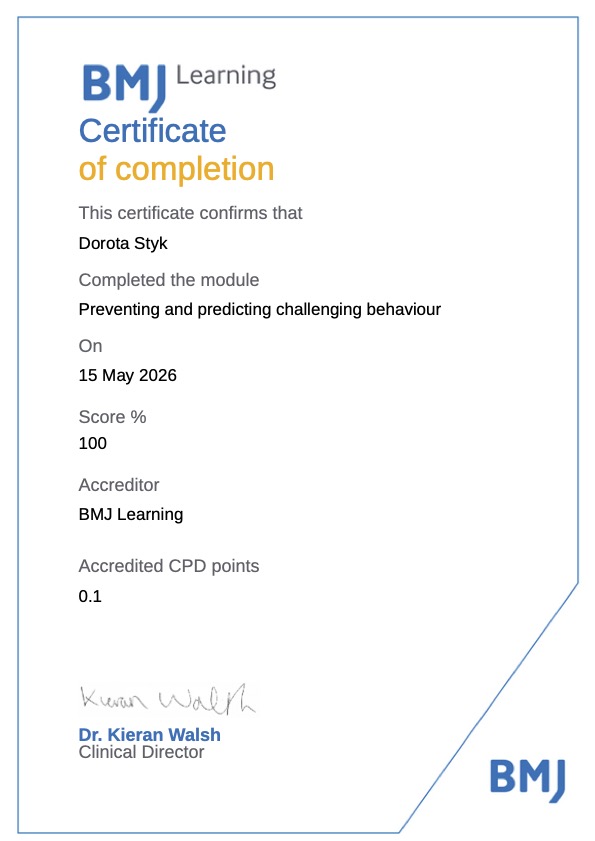
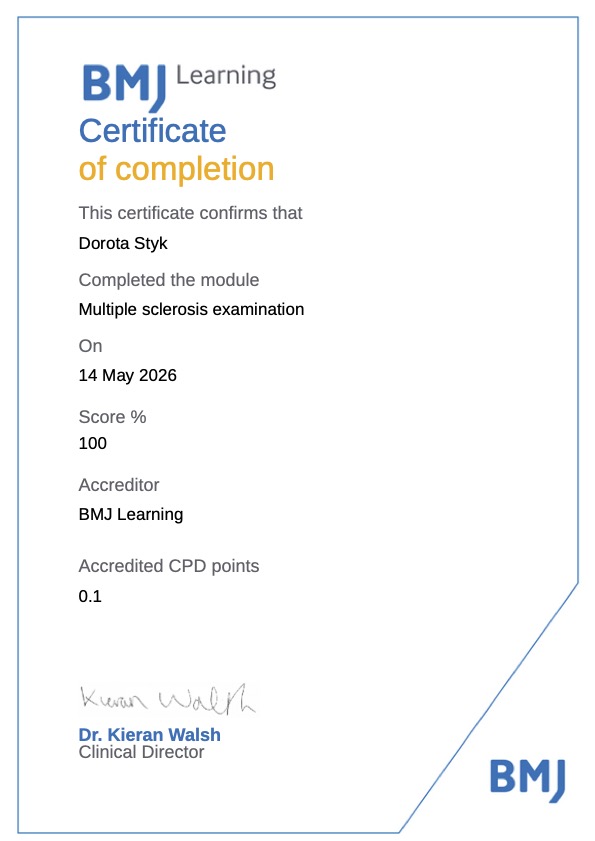
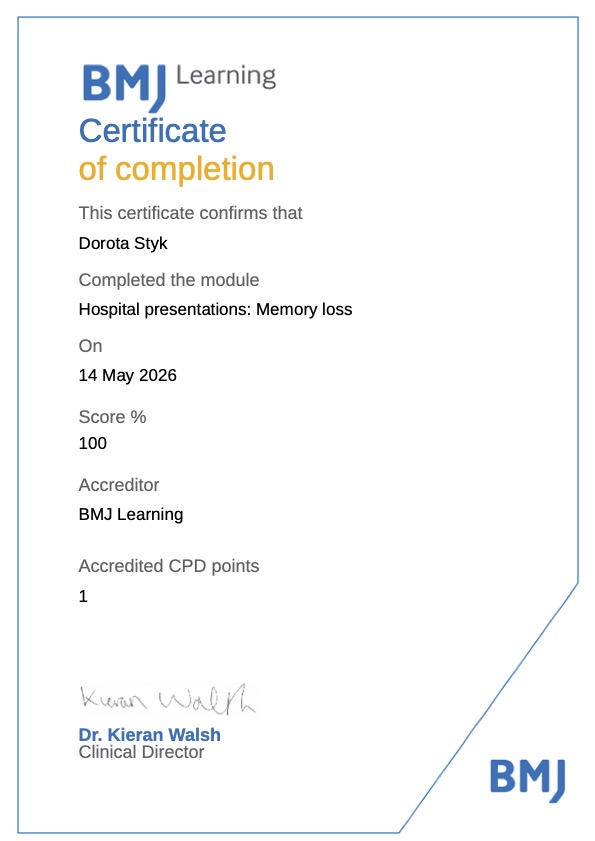
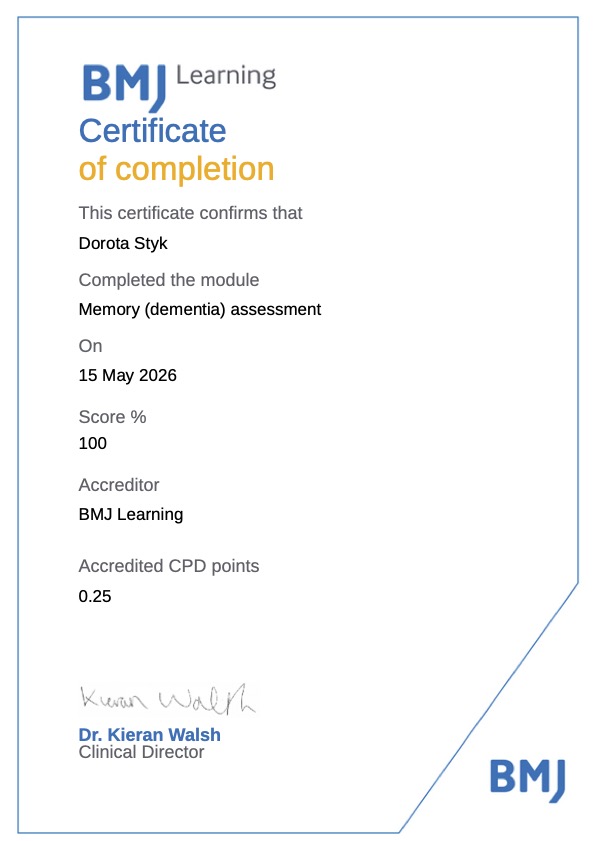
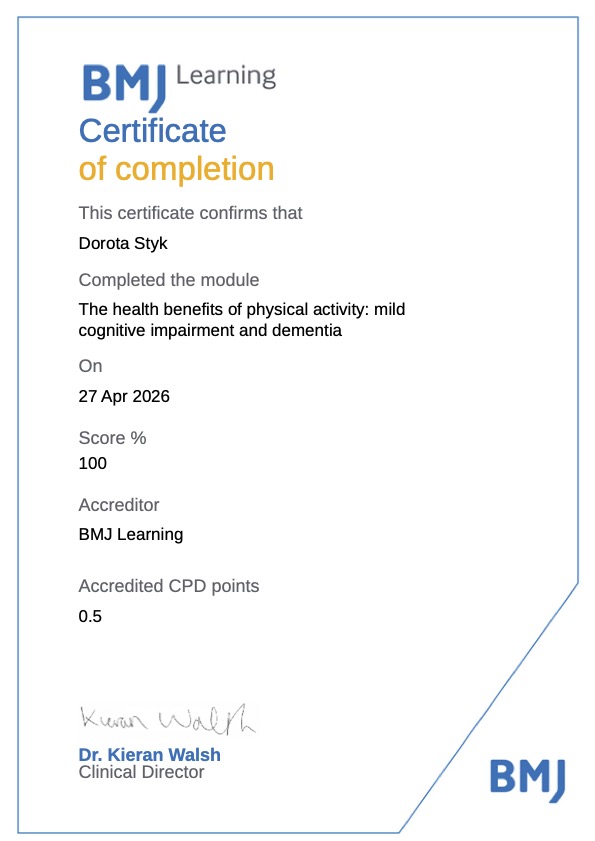
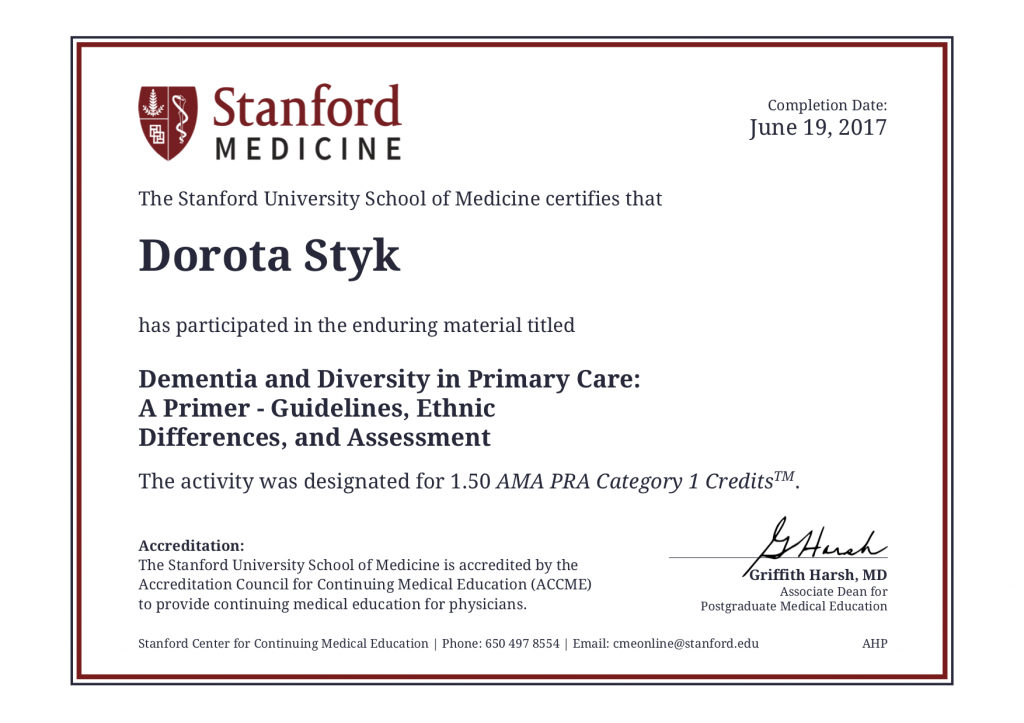
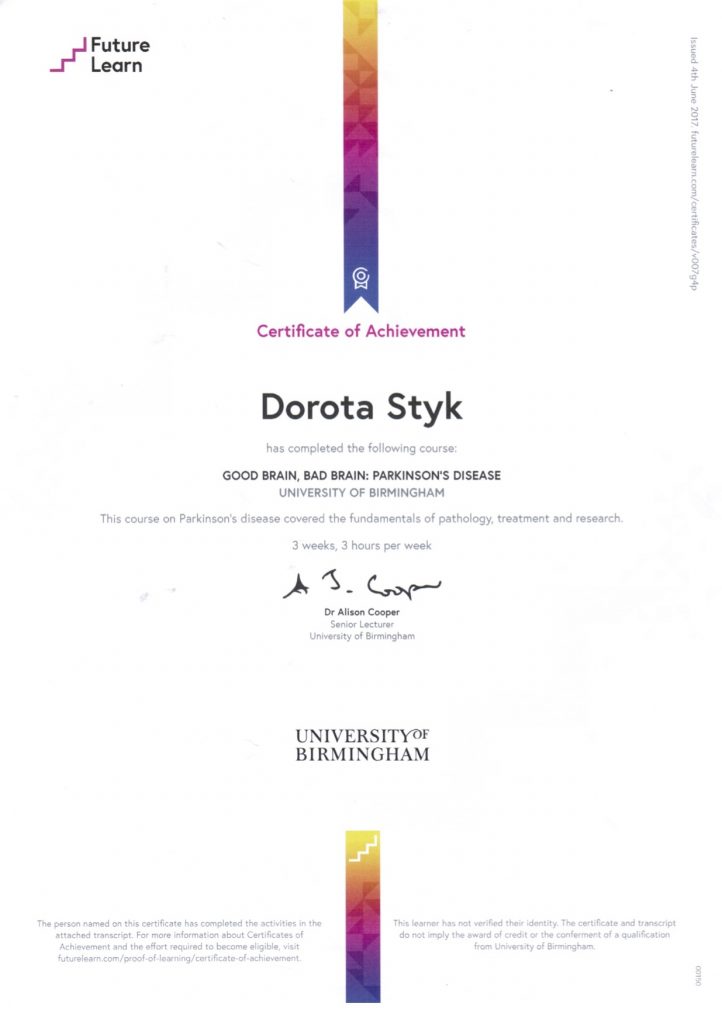
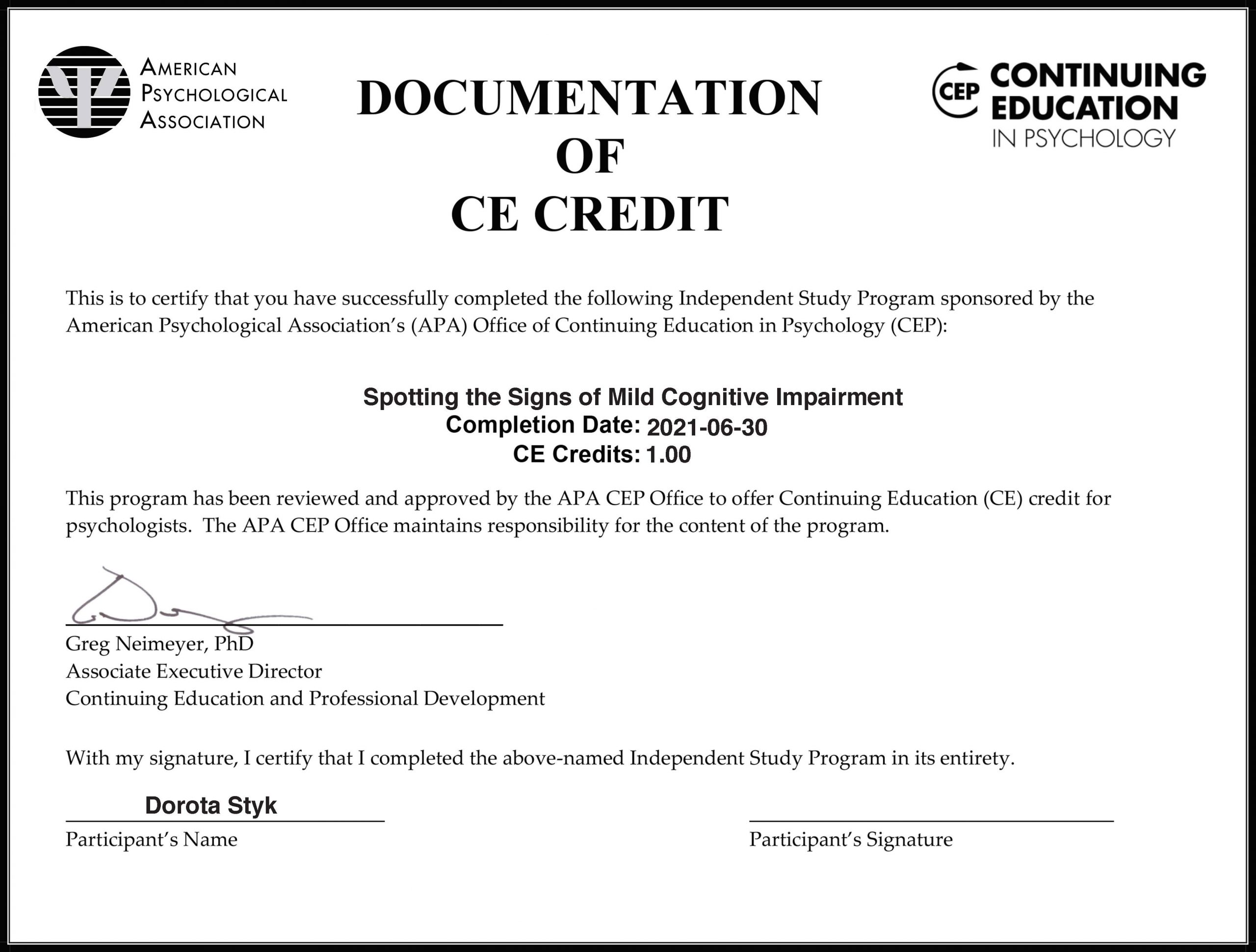
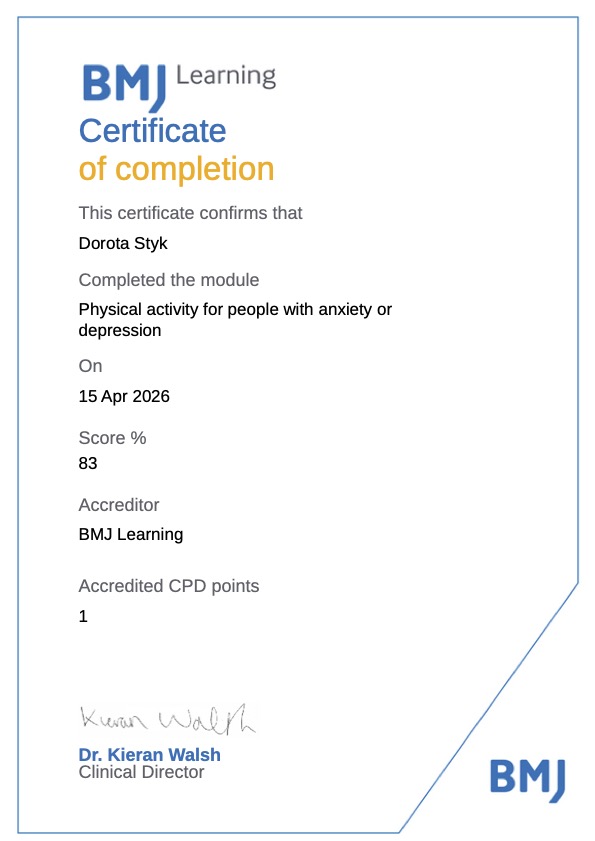
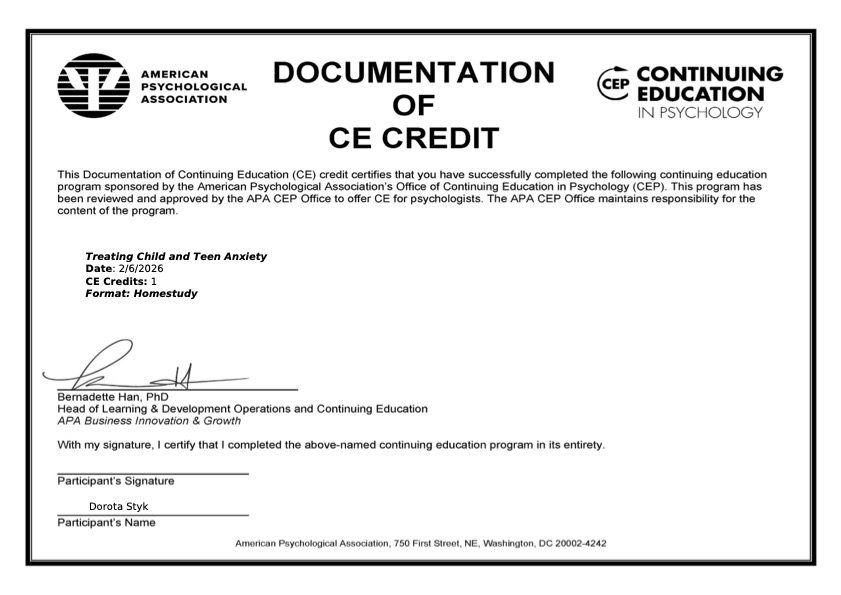
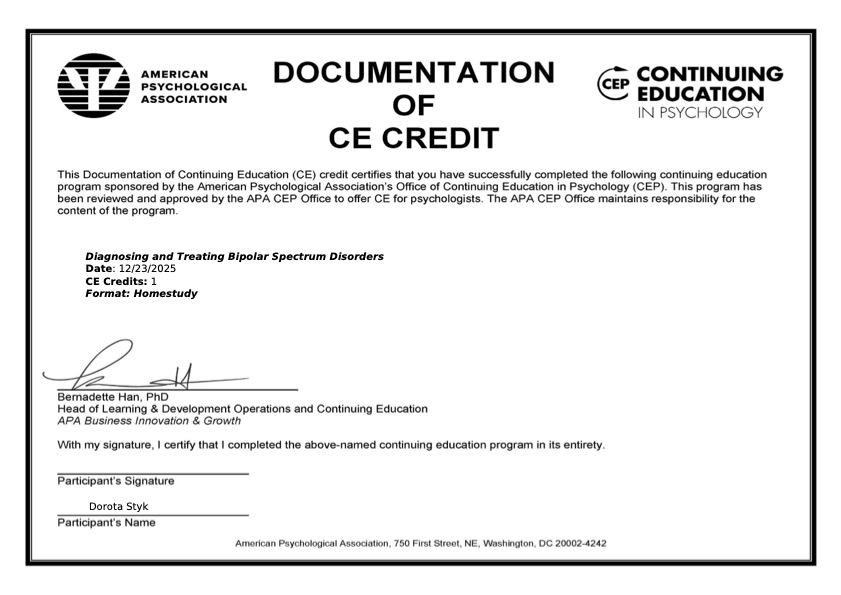
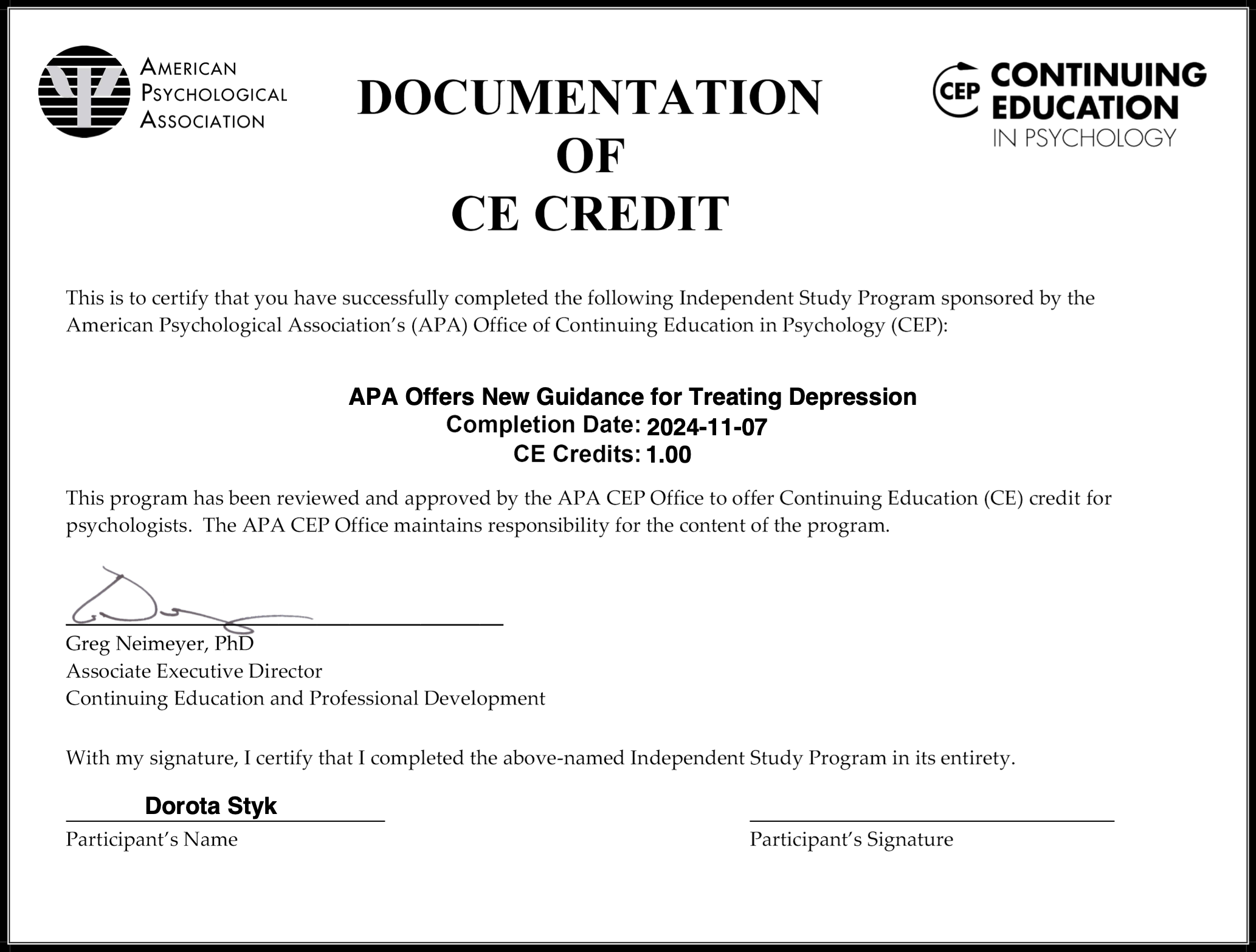
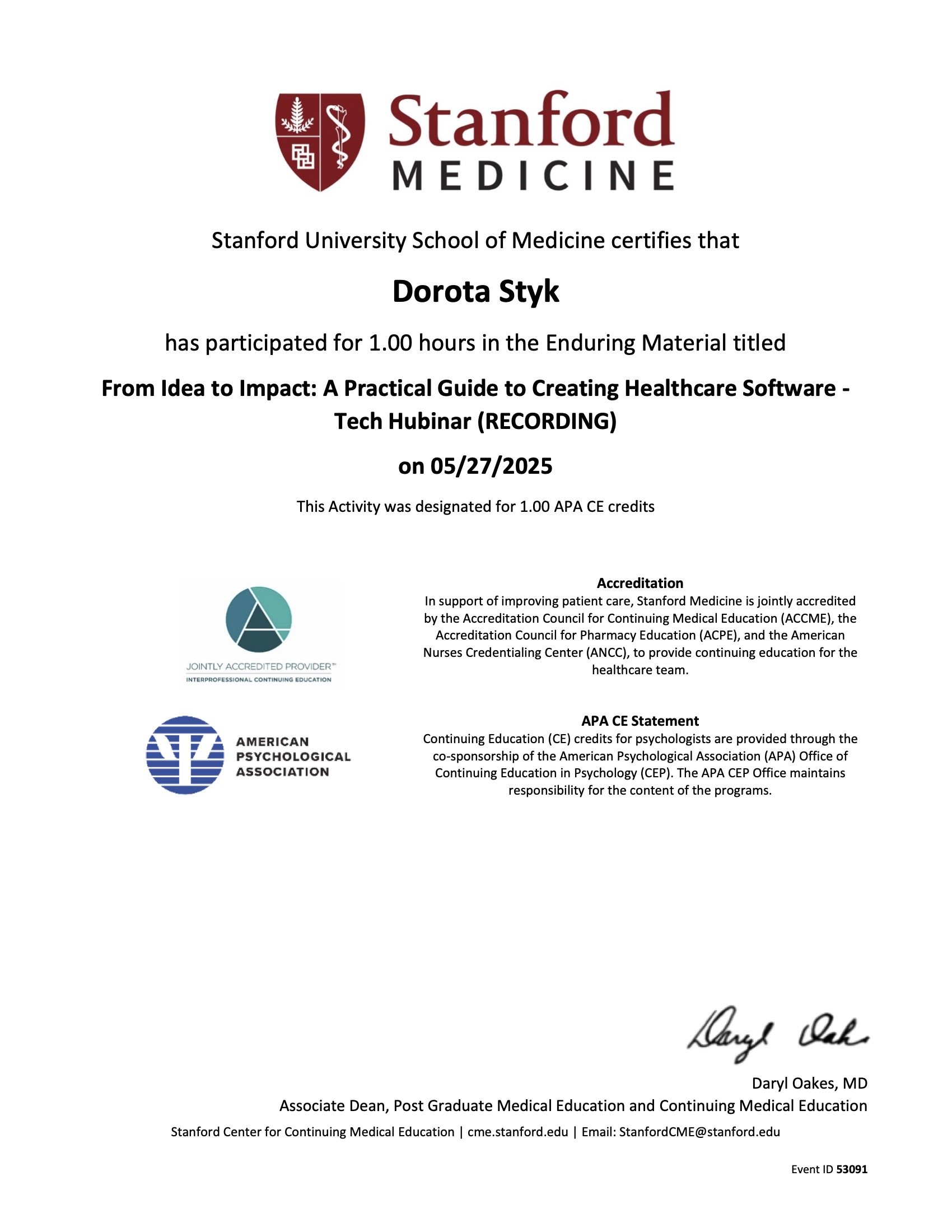
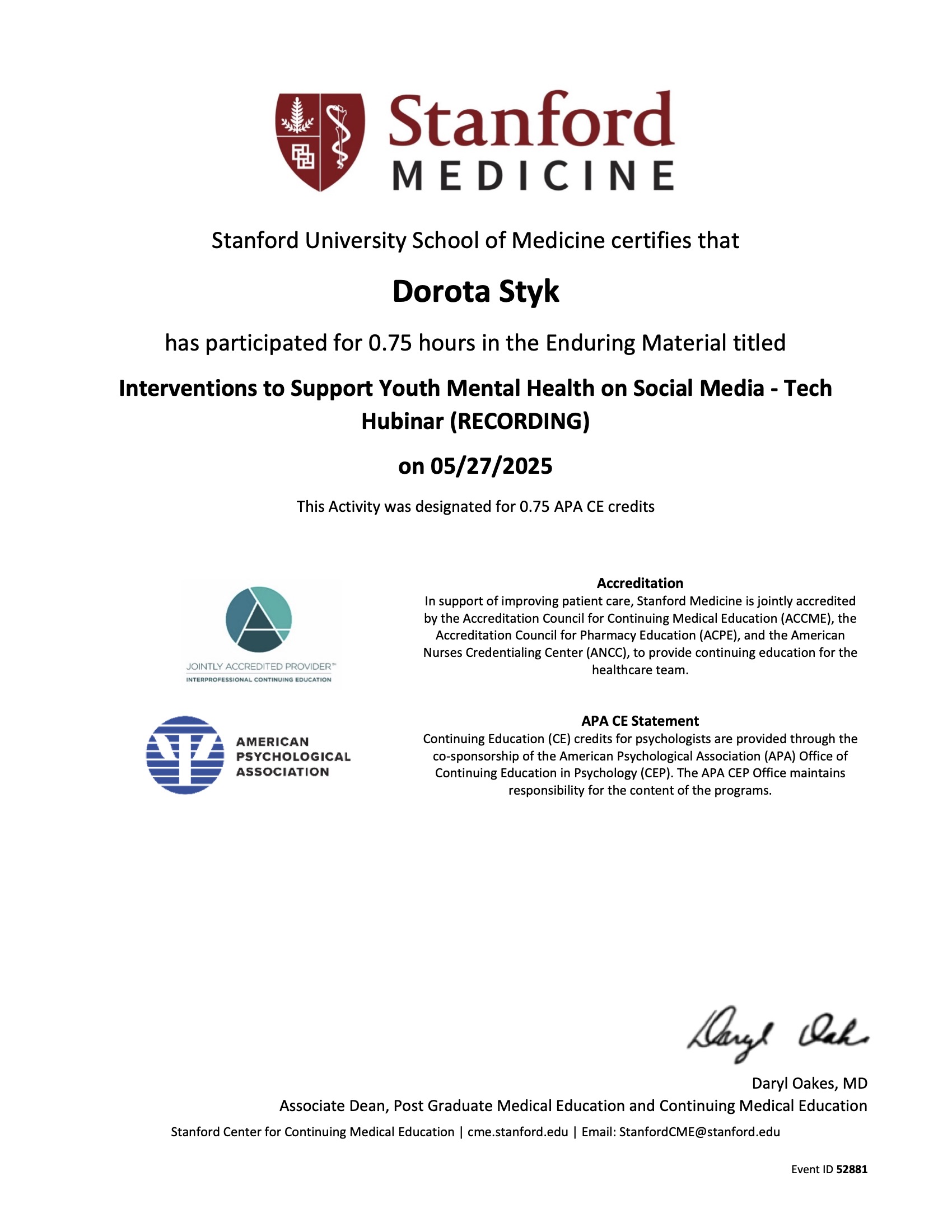
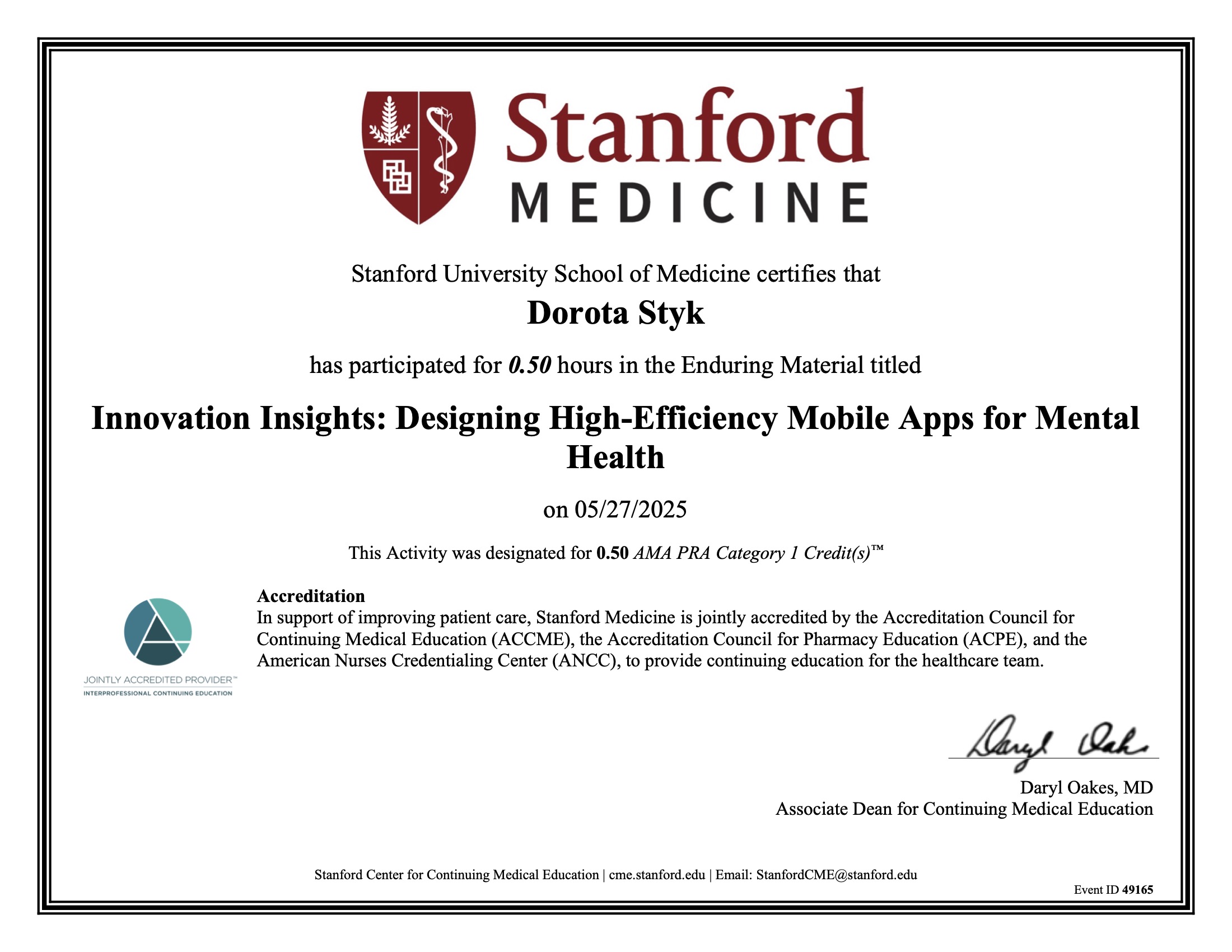
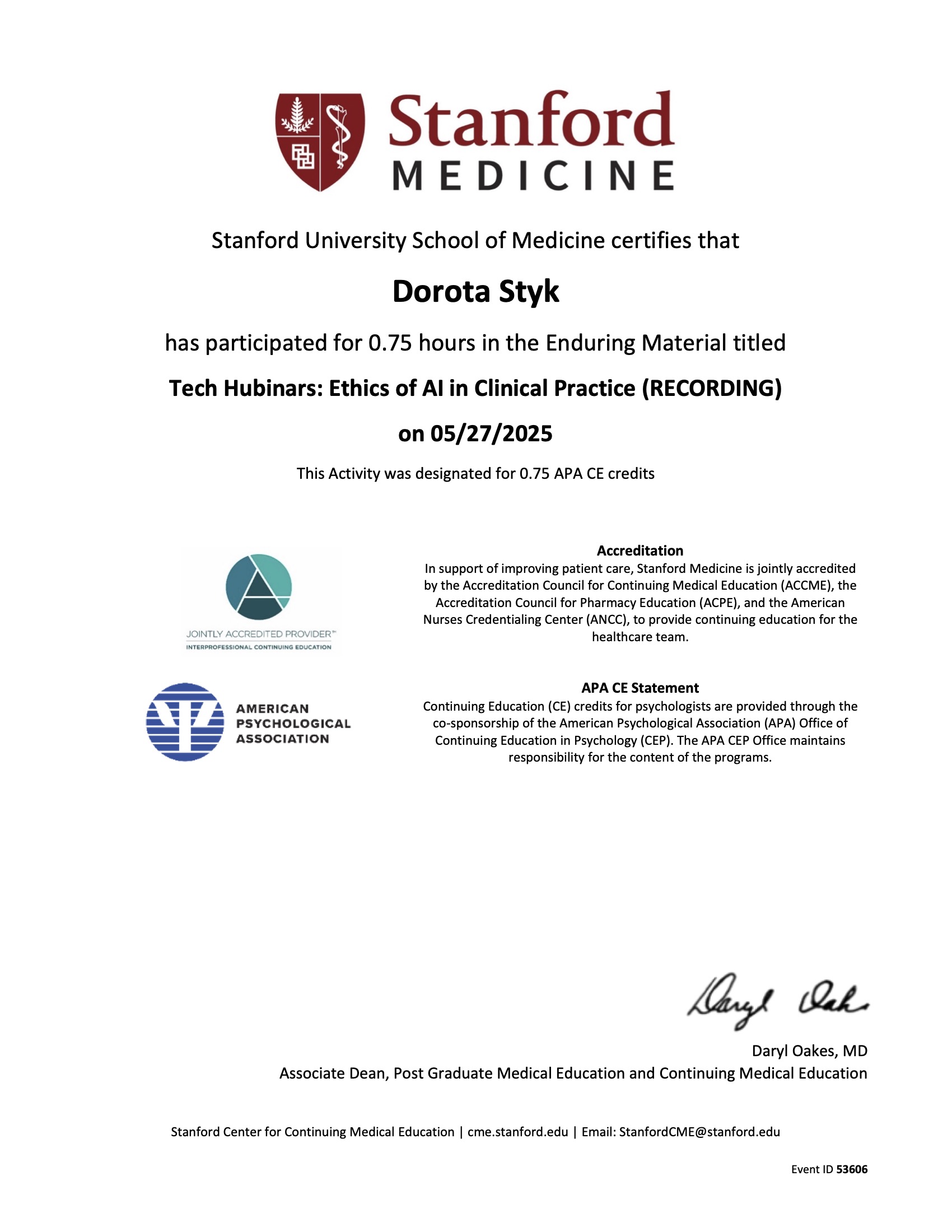
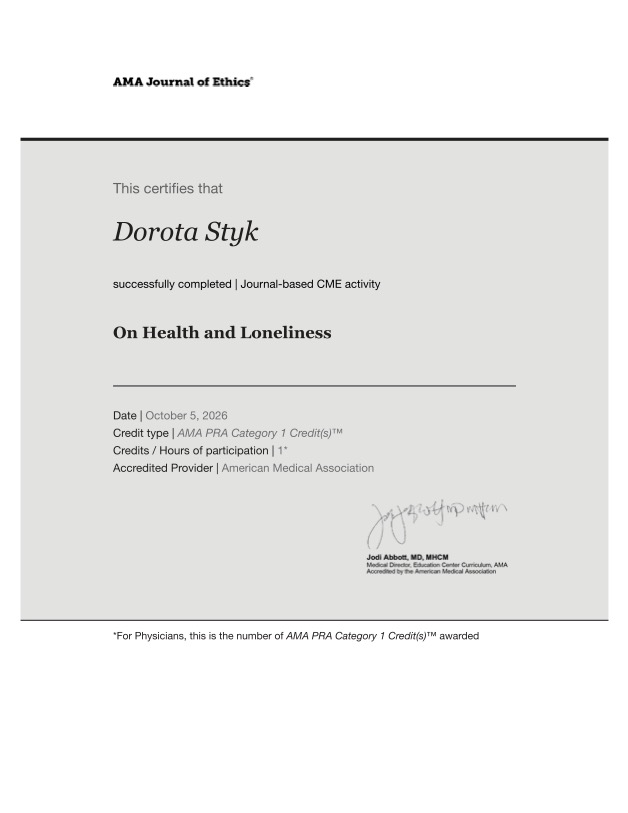
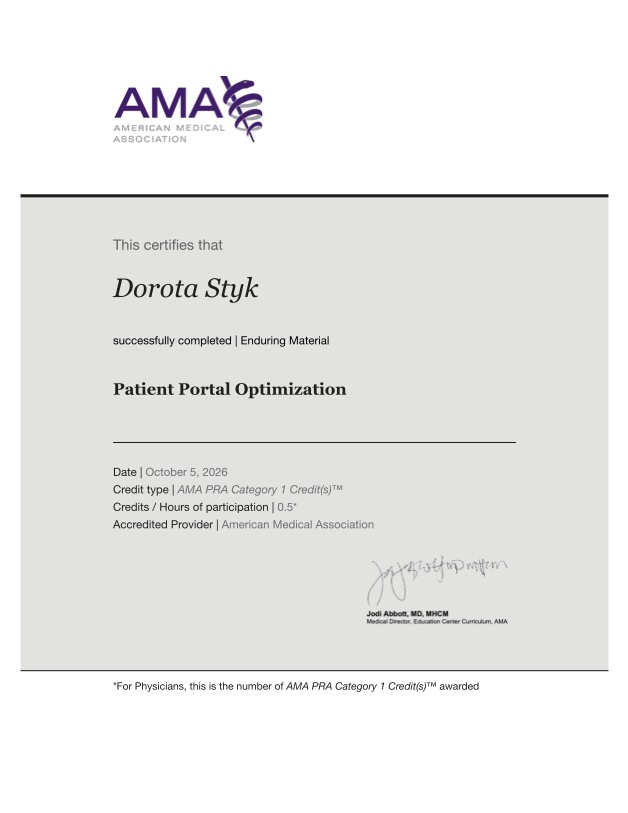
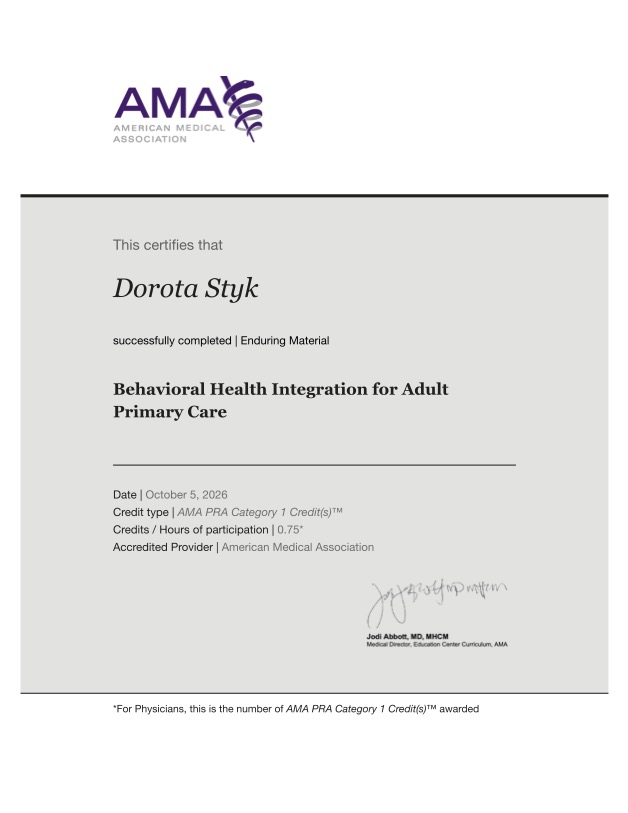
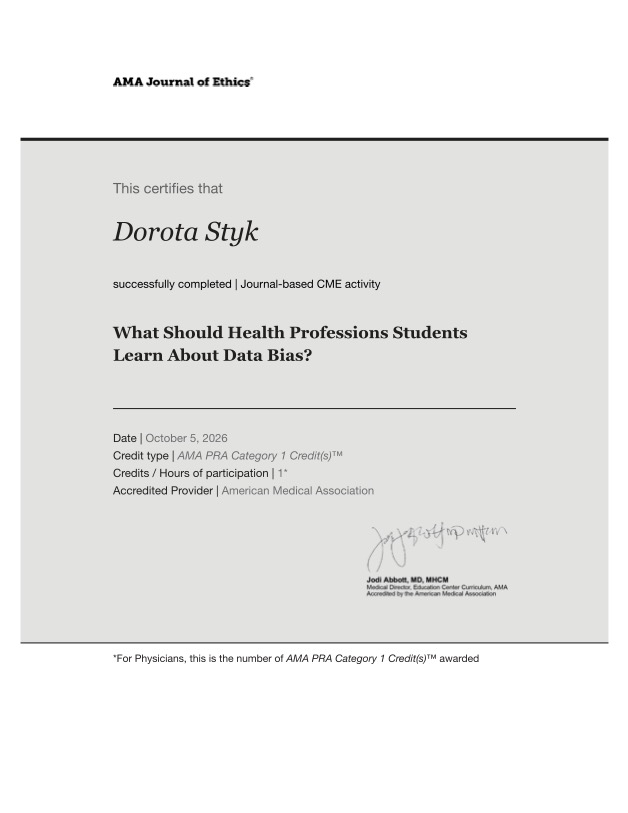
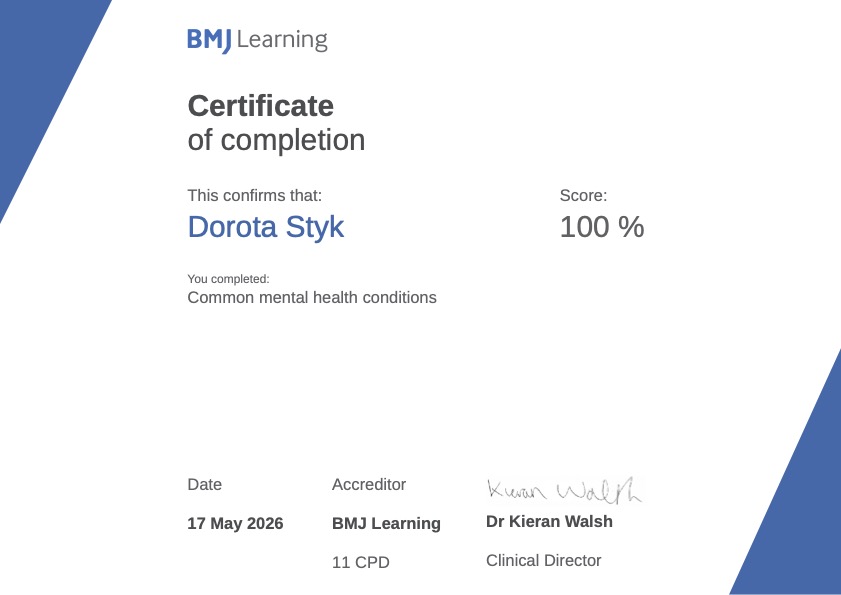
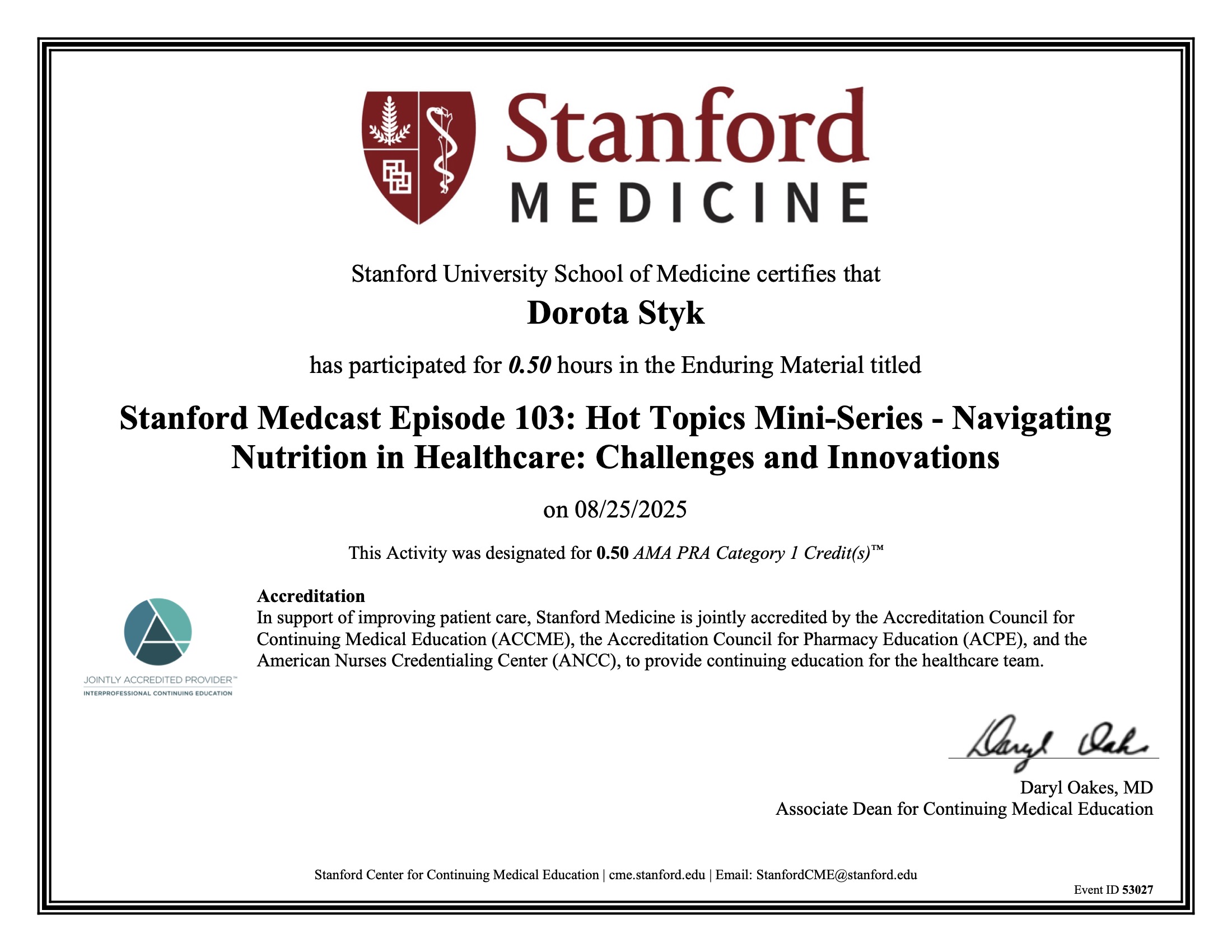
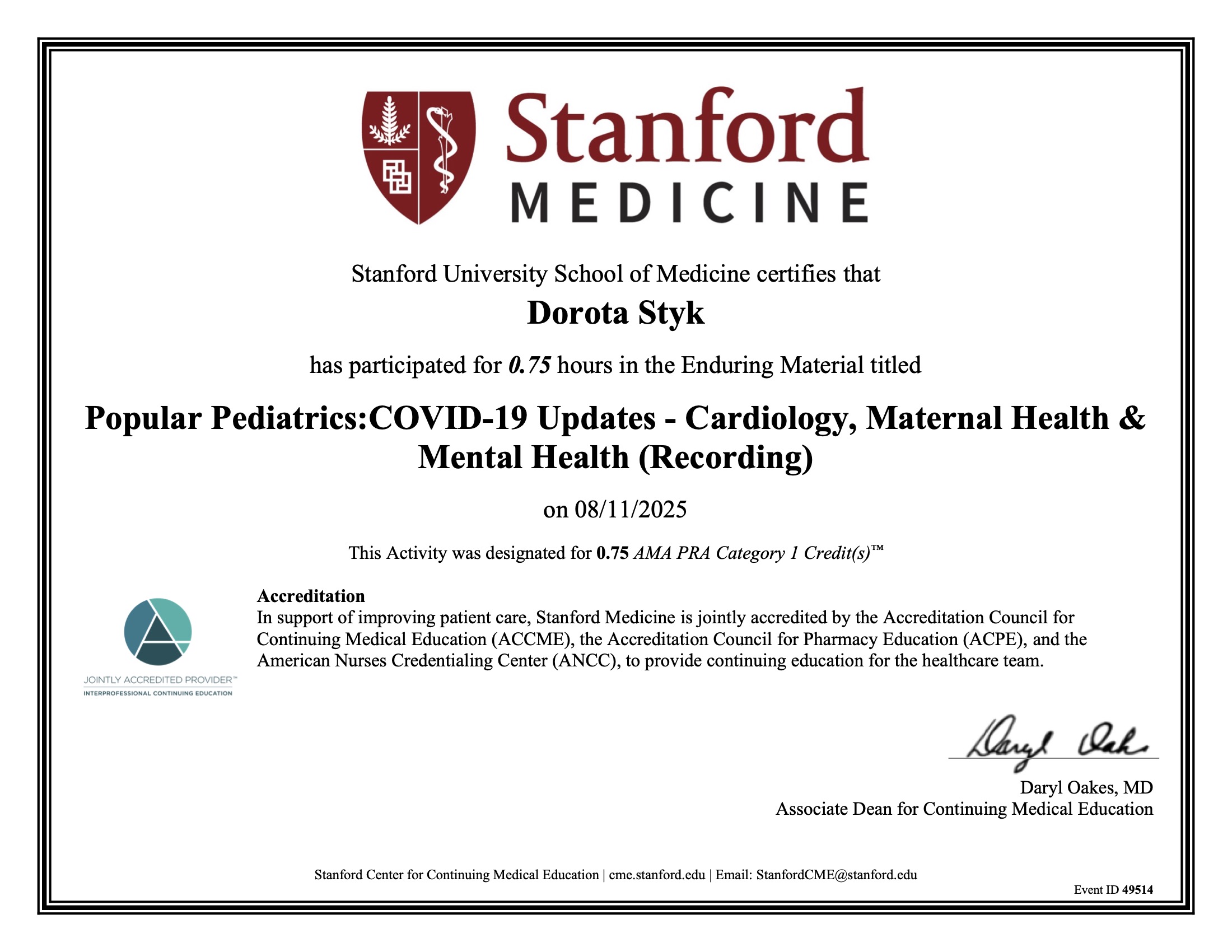
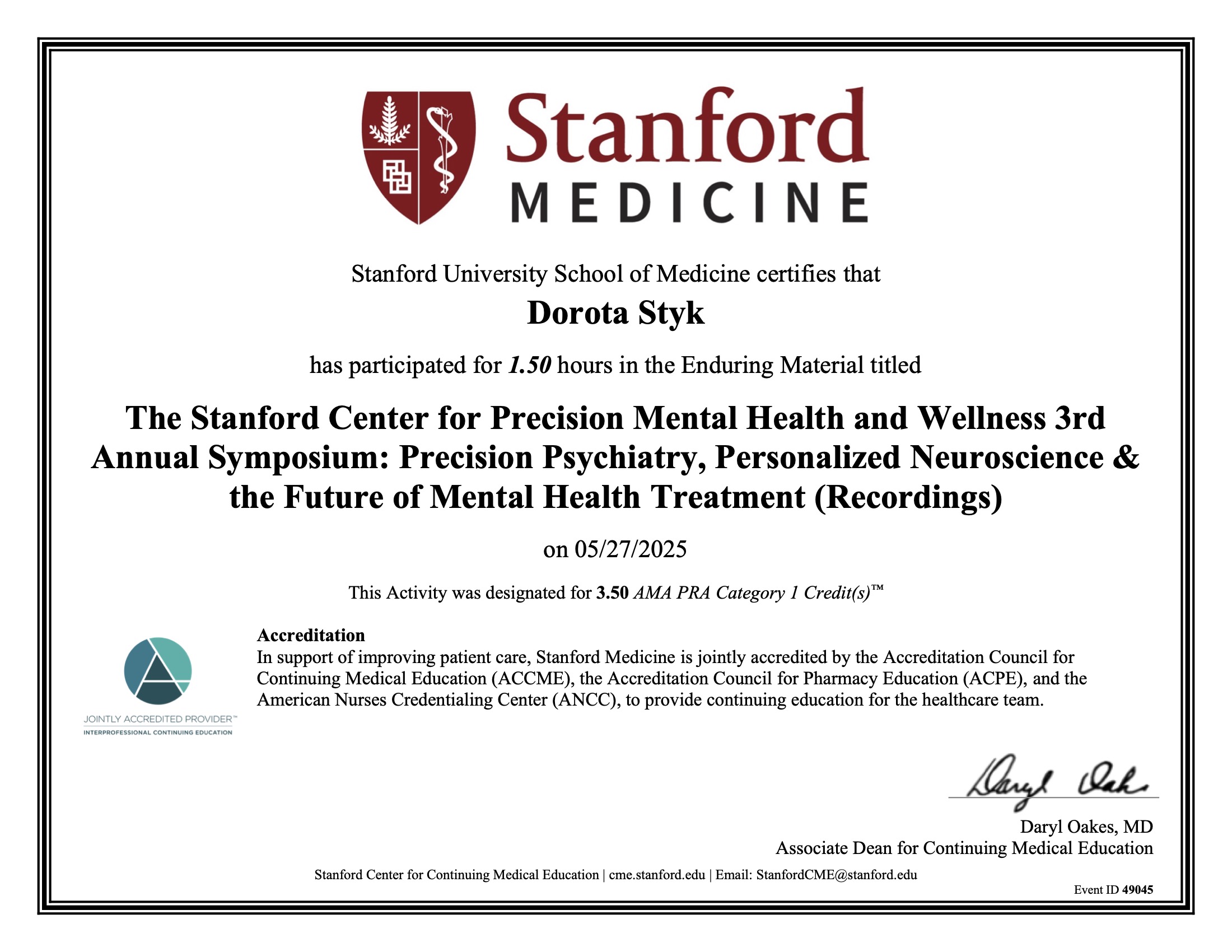
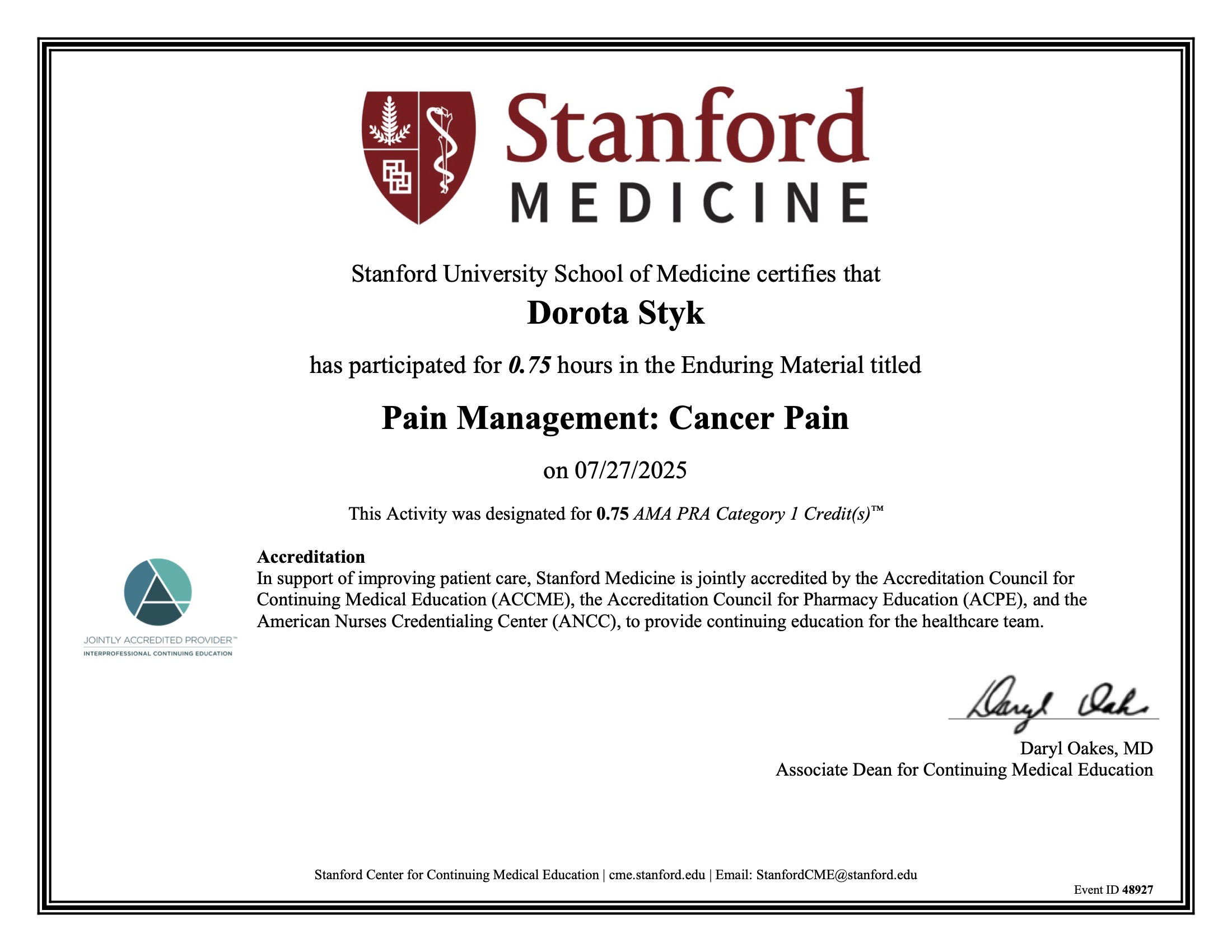
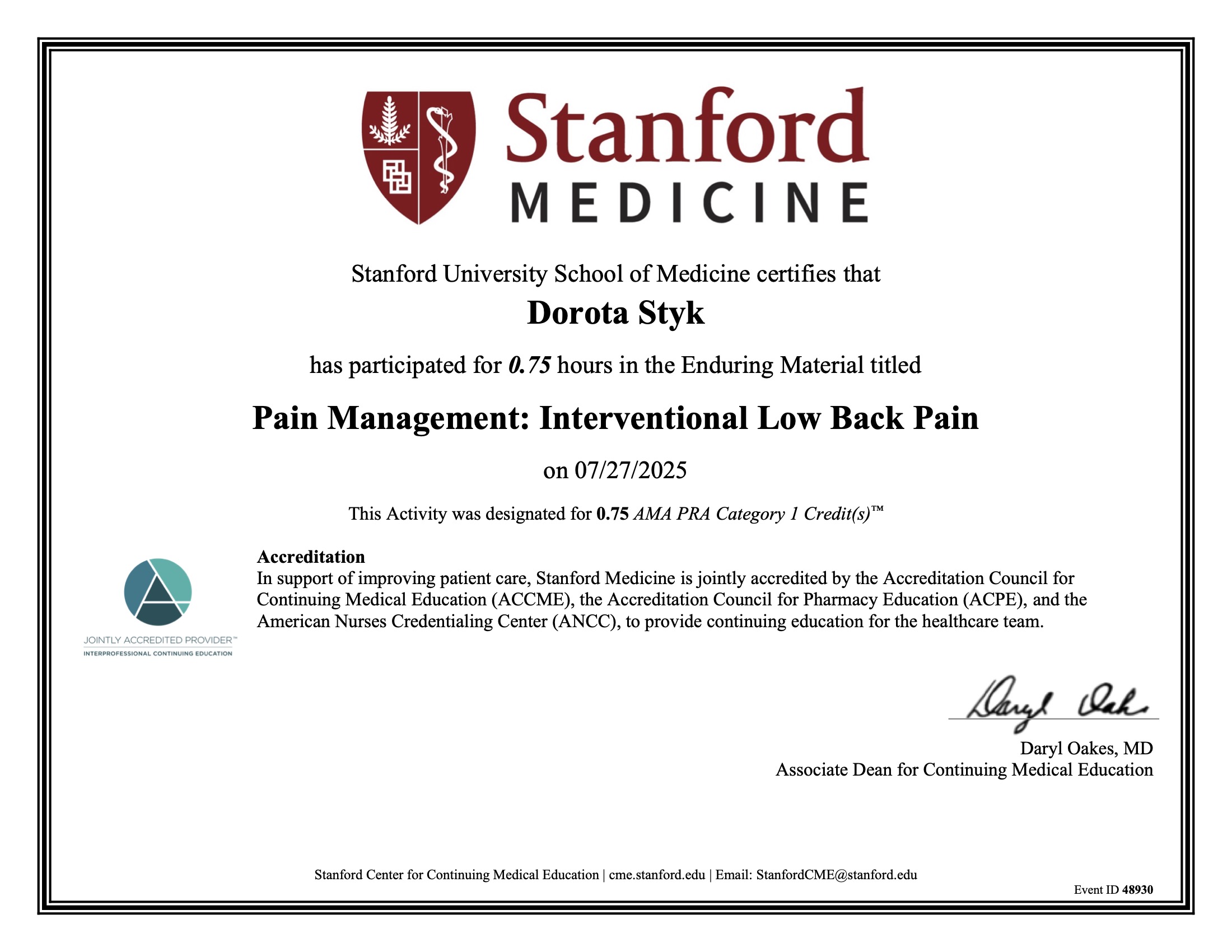
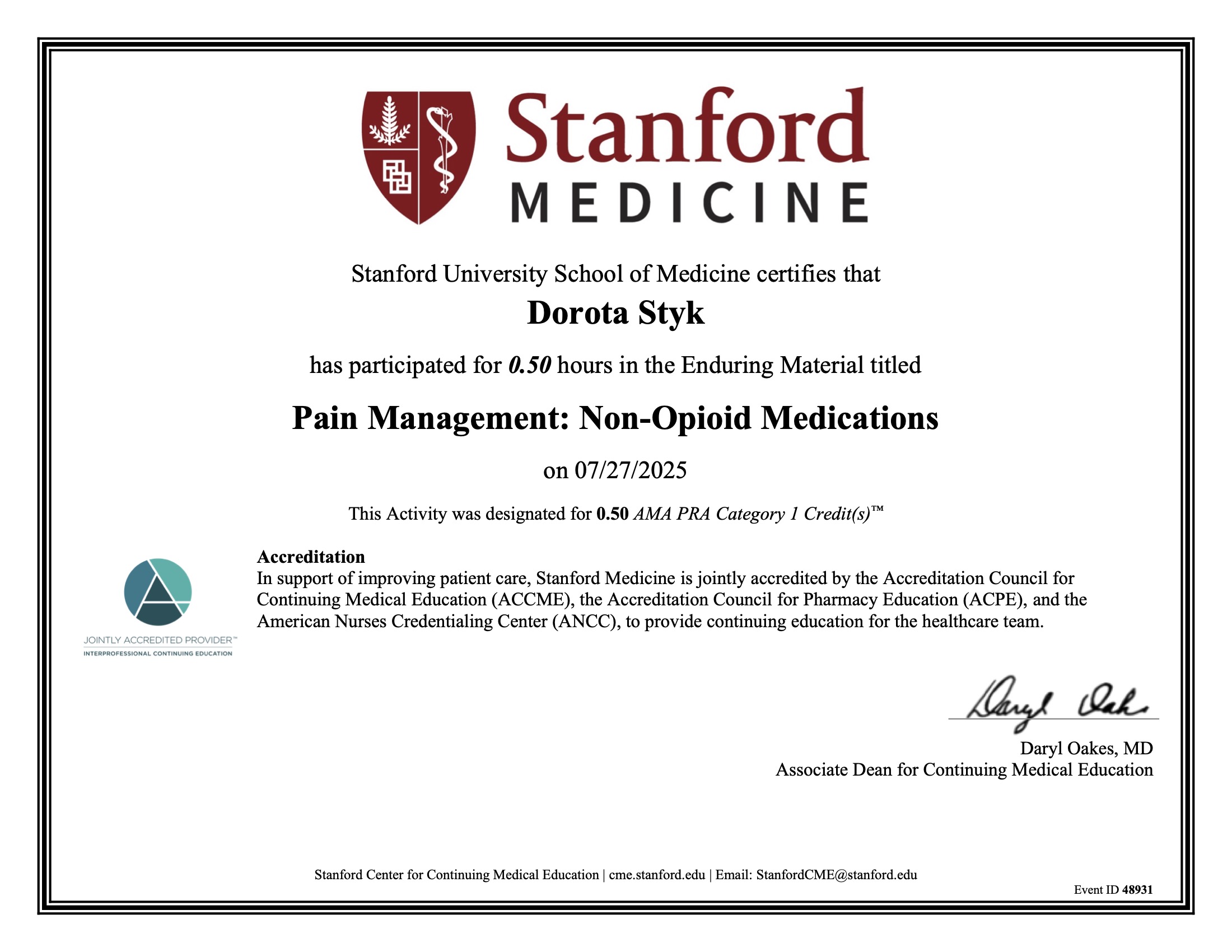
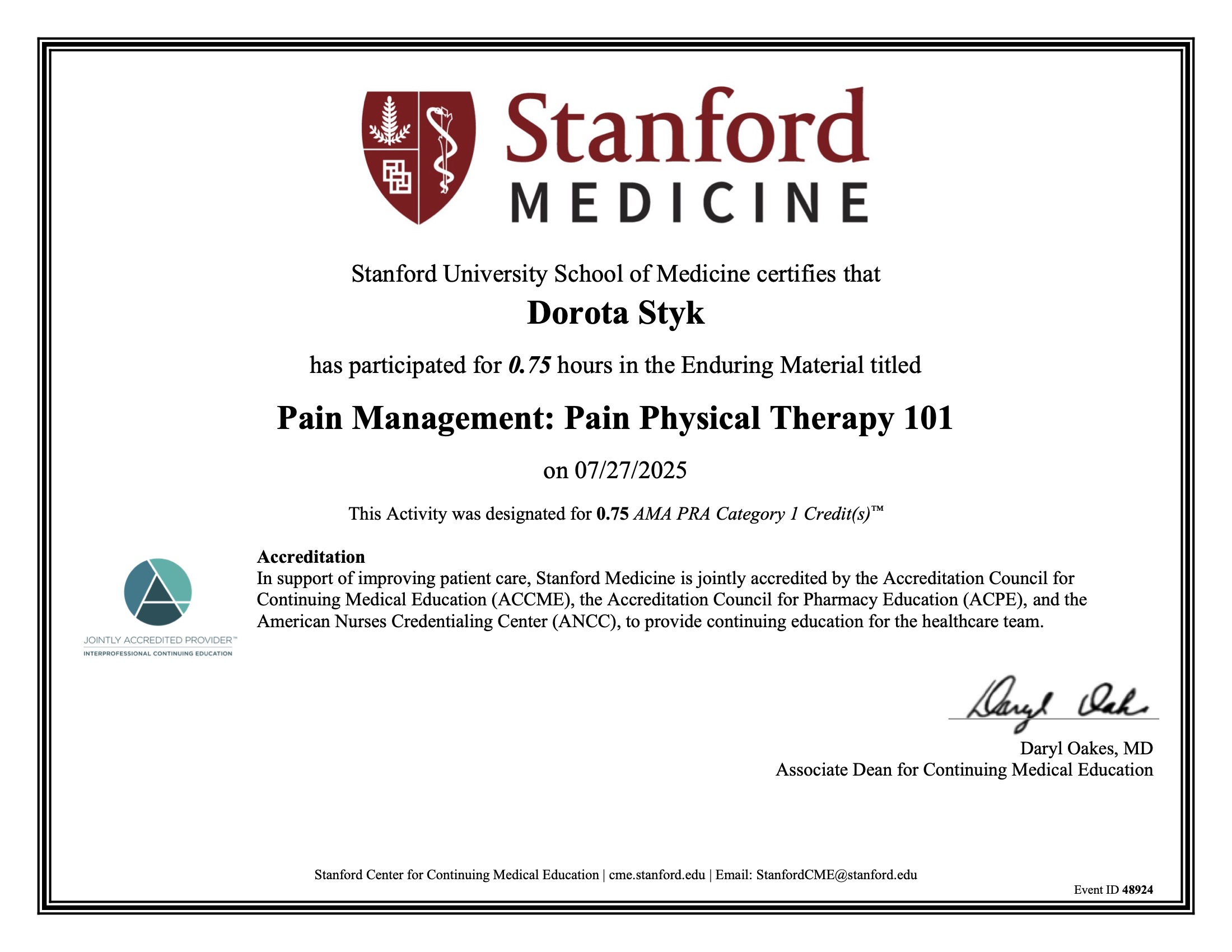
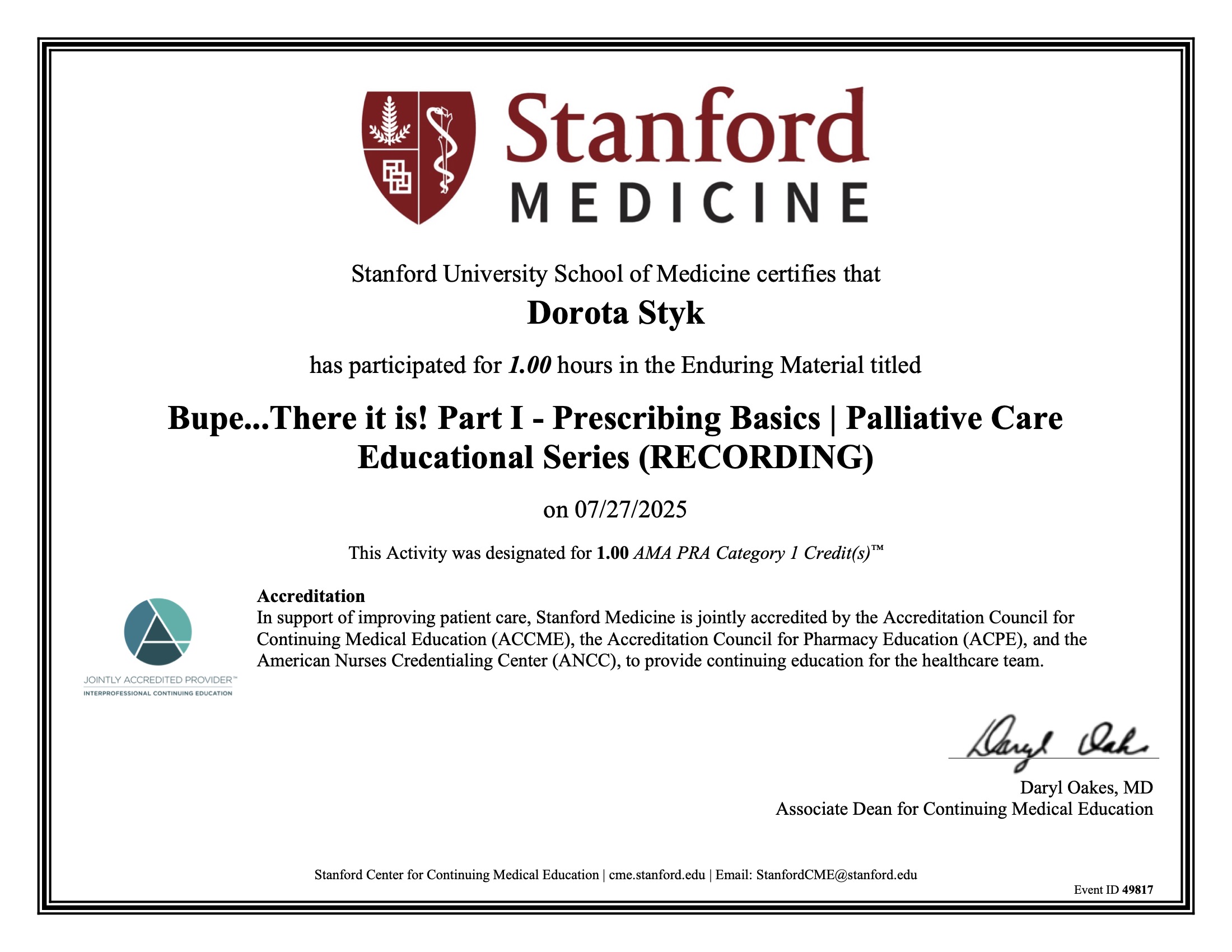
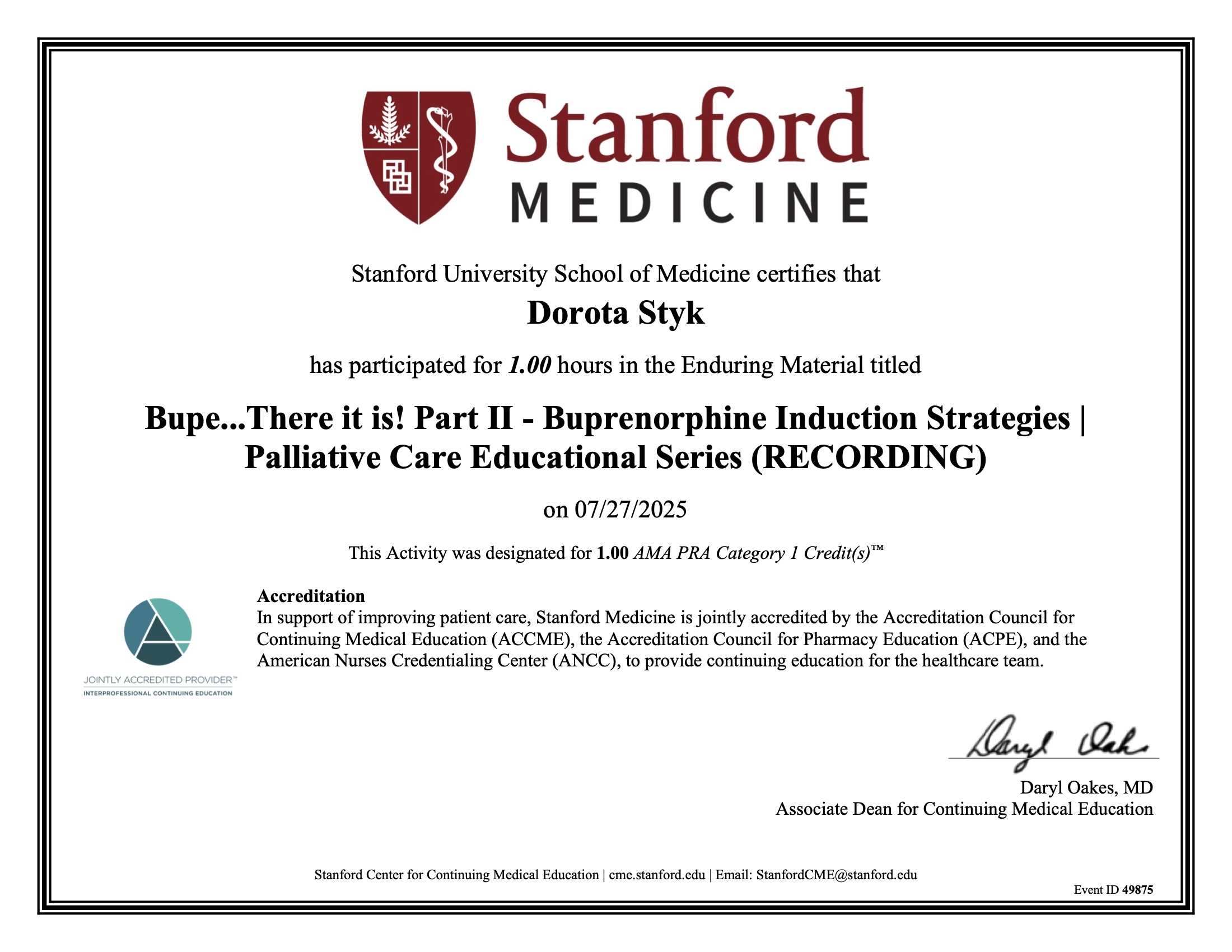
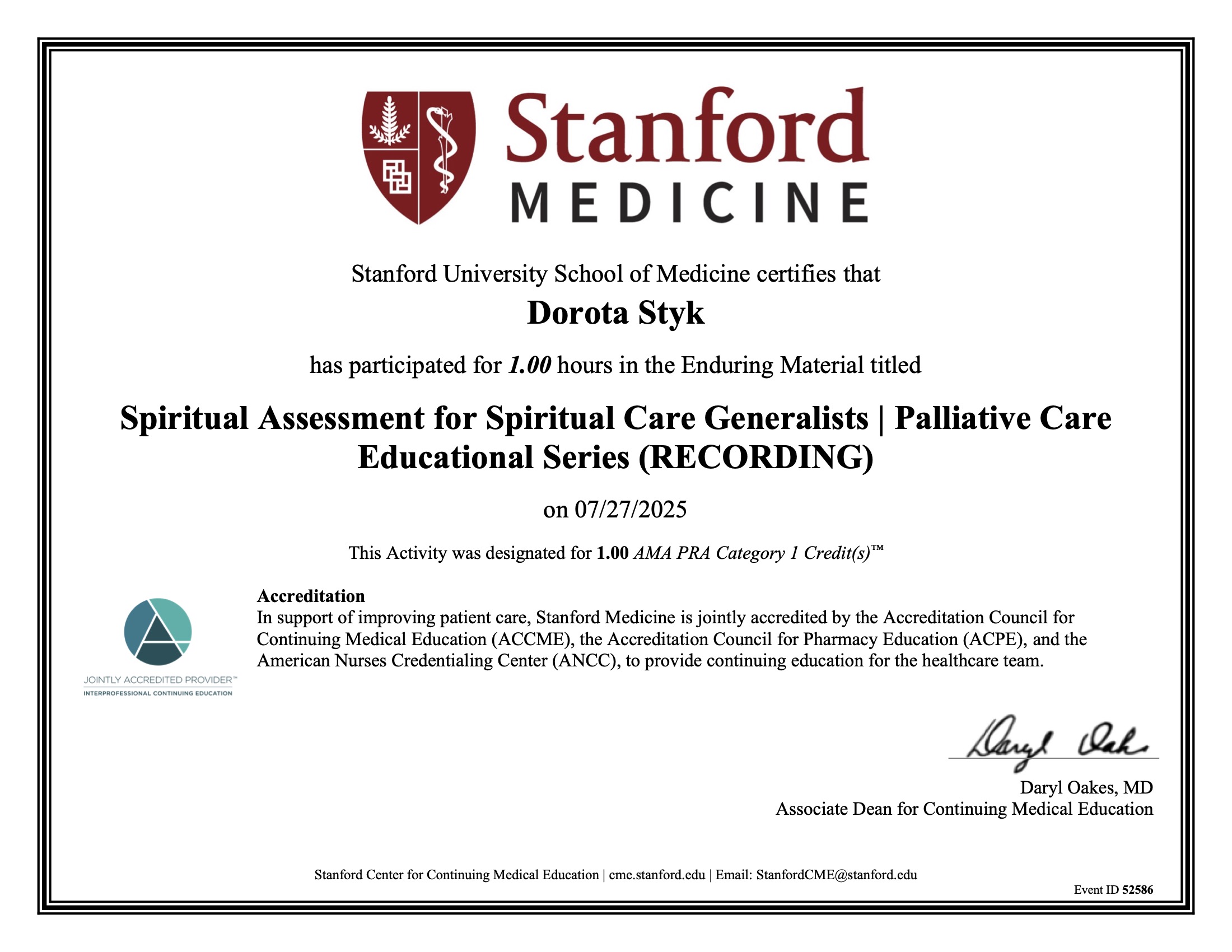
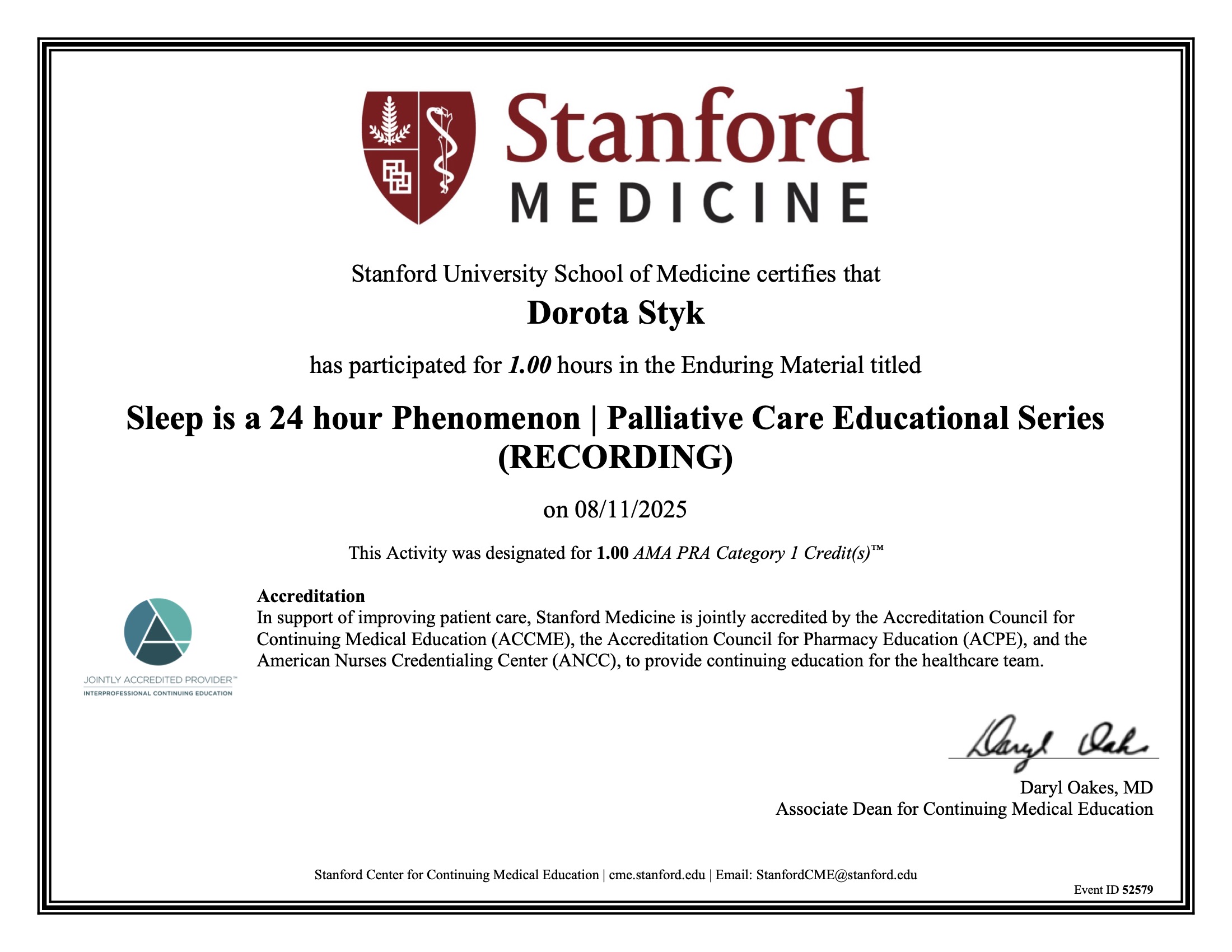
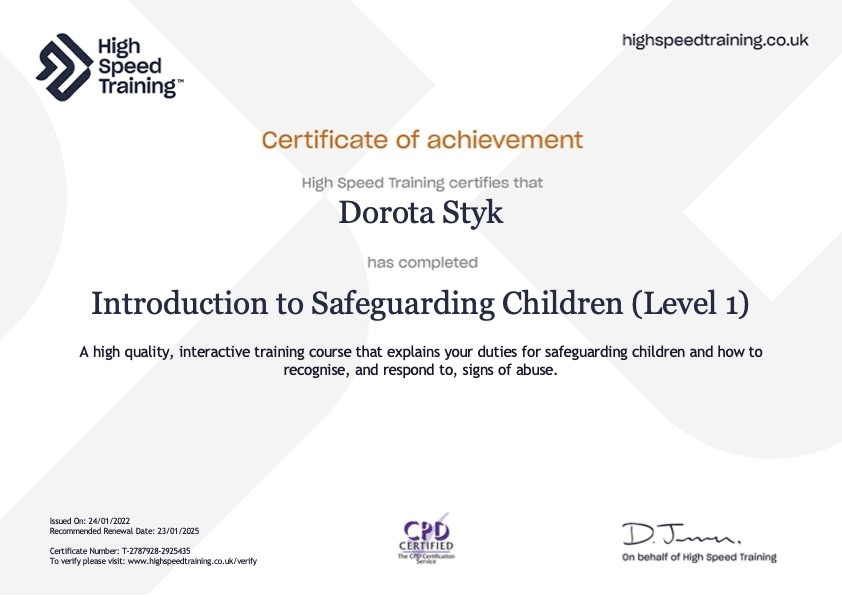
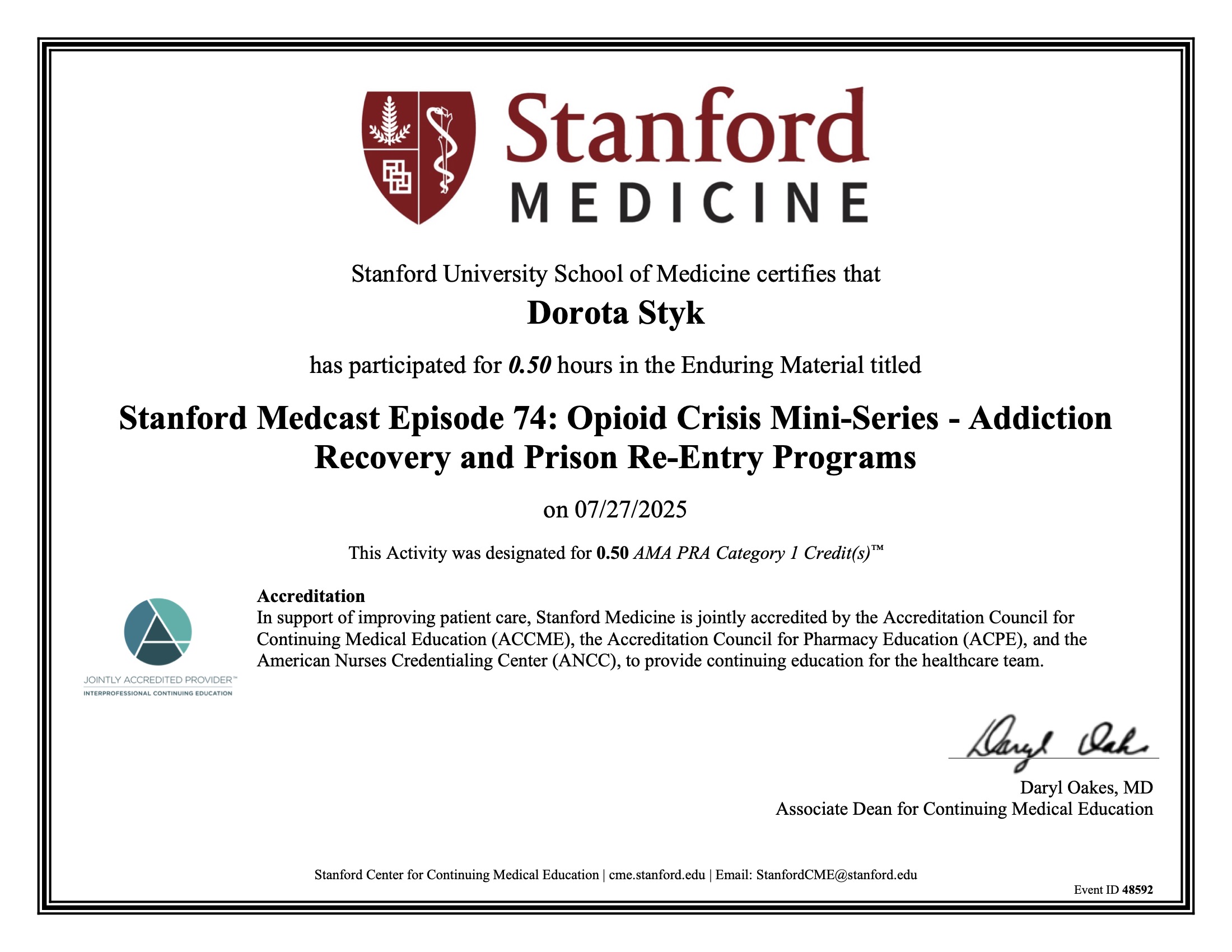
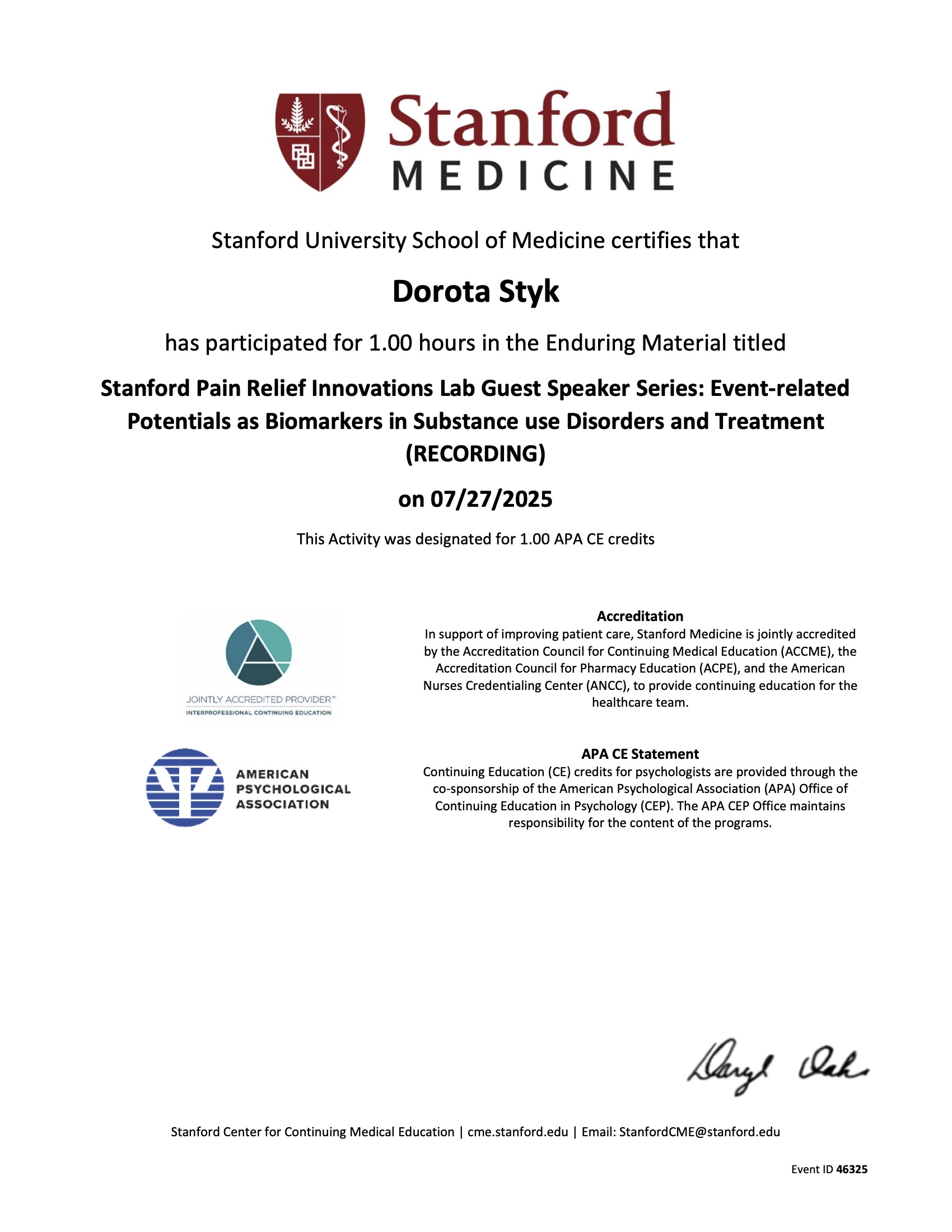
331 Certificates of Continuing Professional Development
CE, CPD, CME, CPCAB
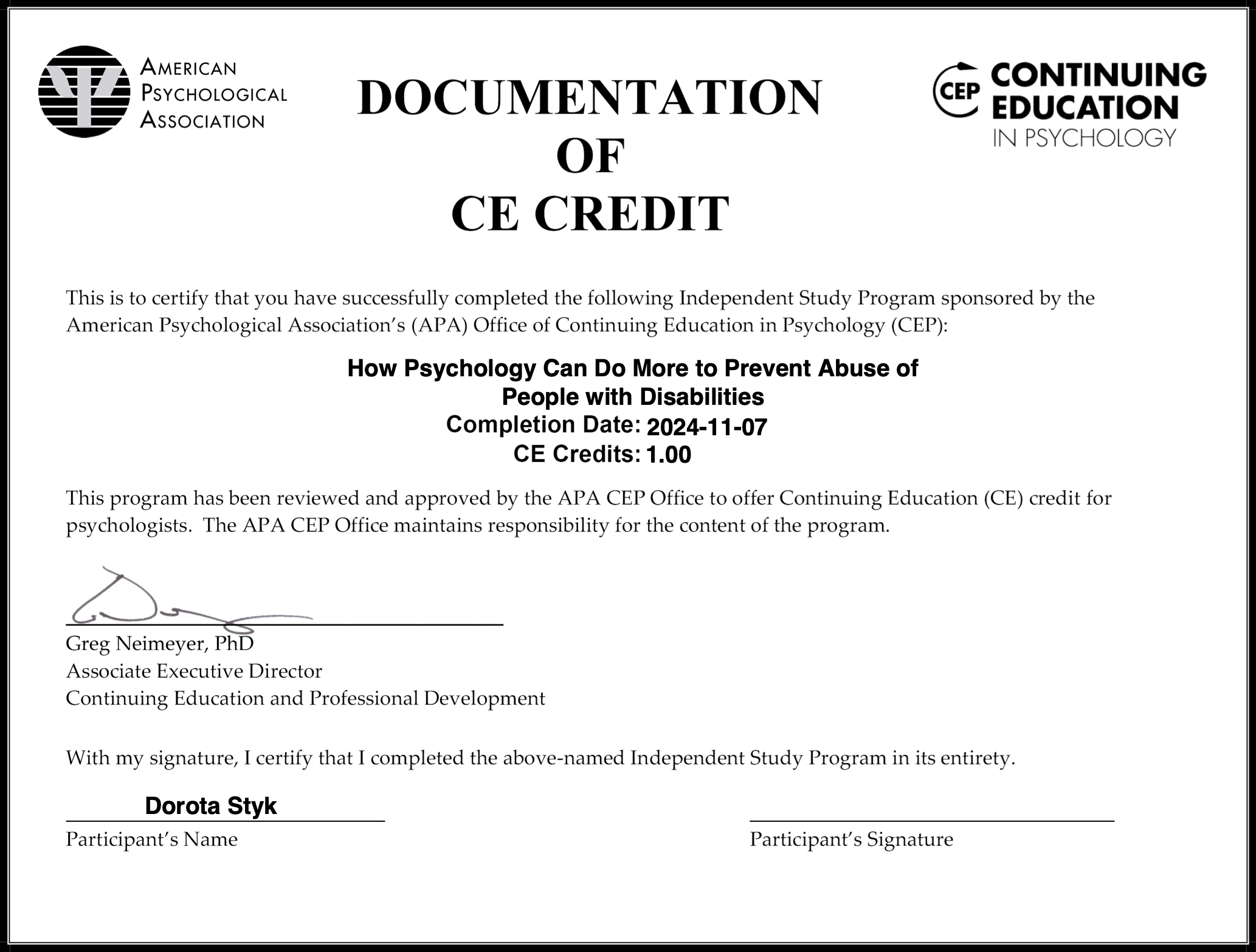
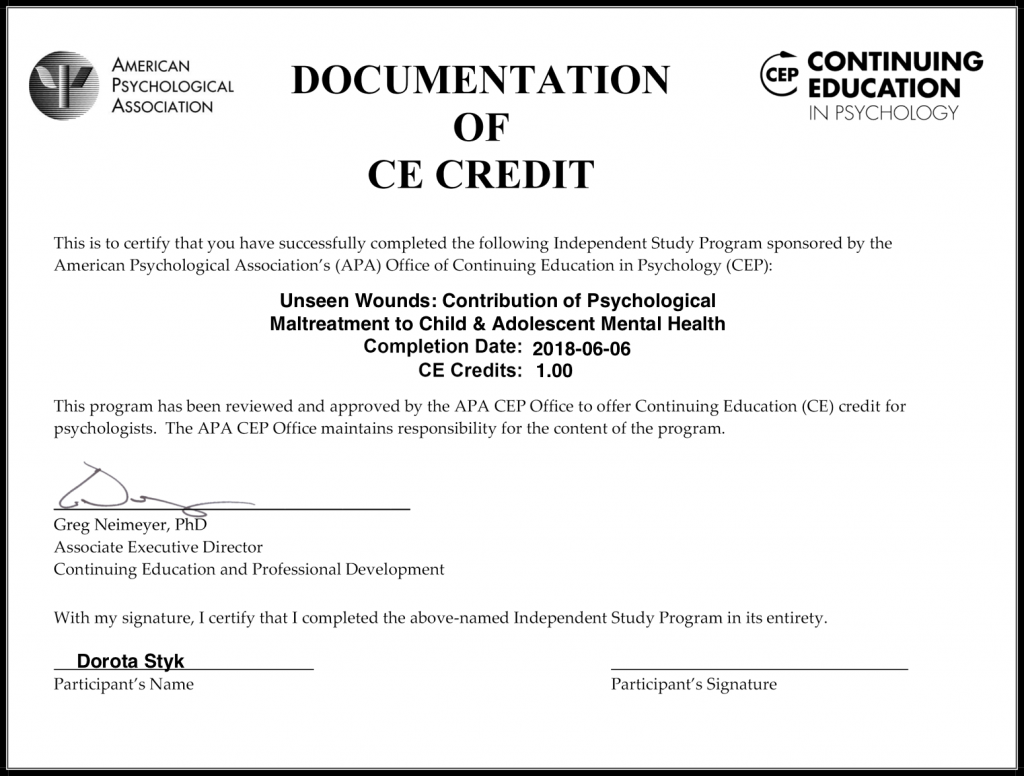
Abuse and Maltreatment
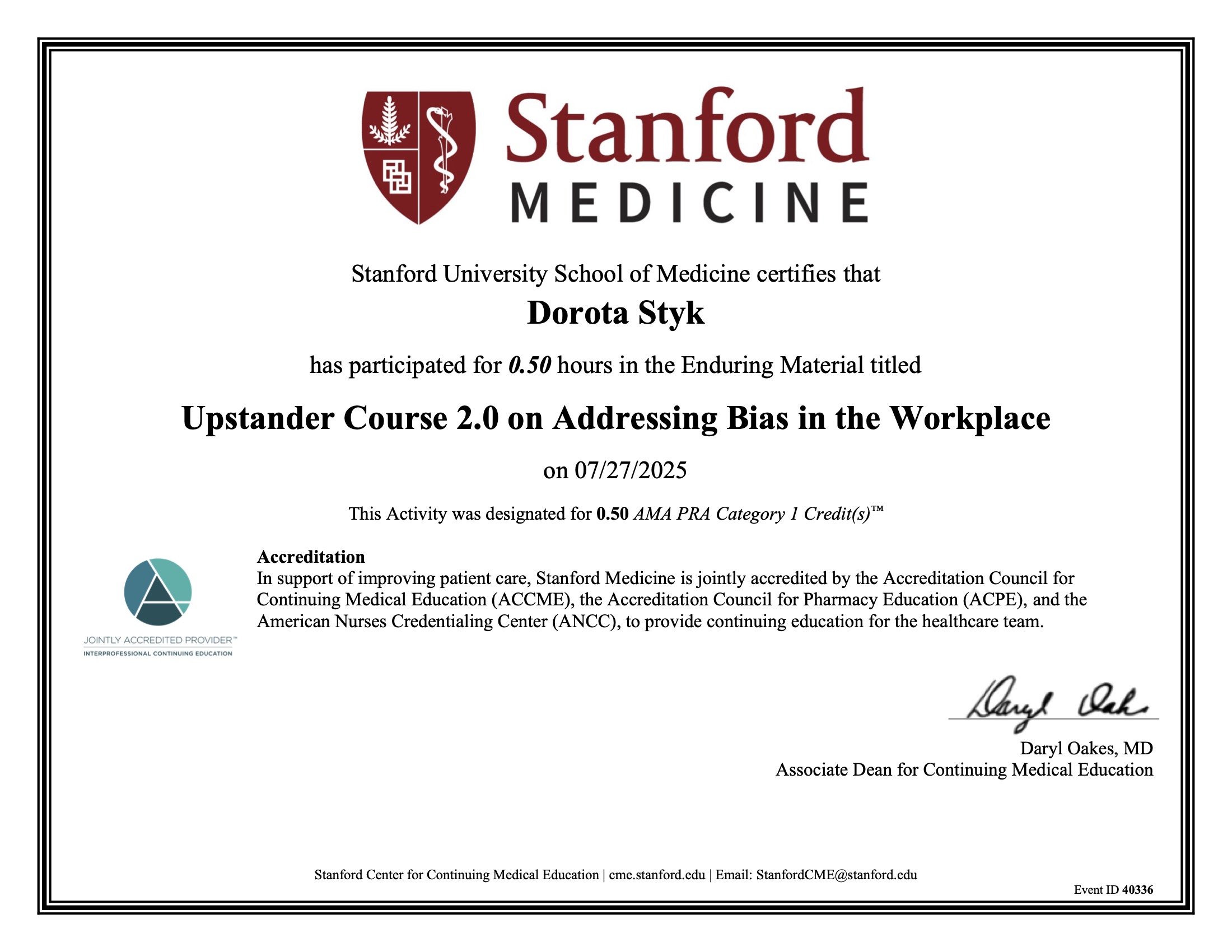
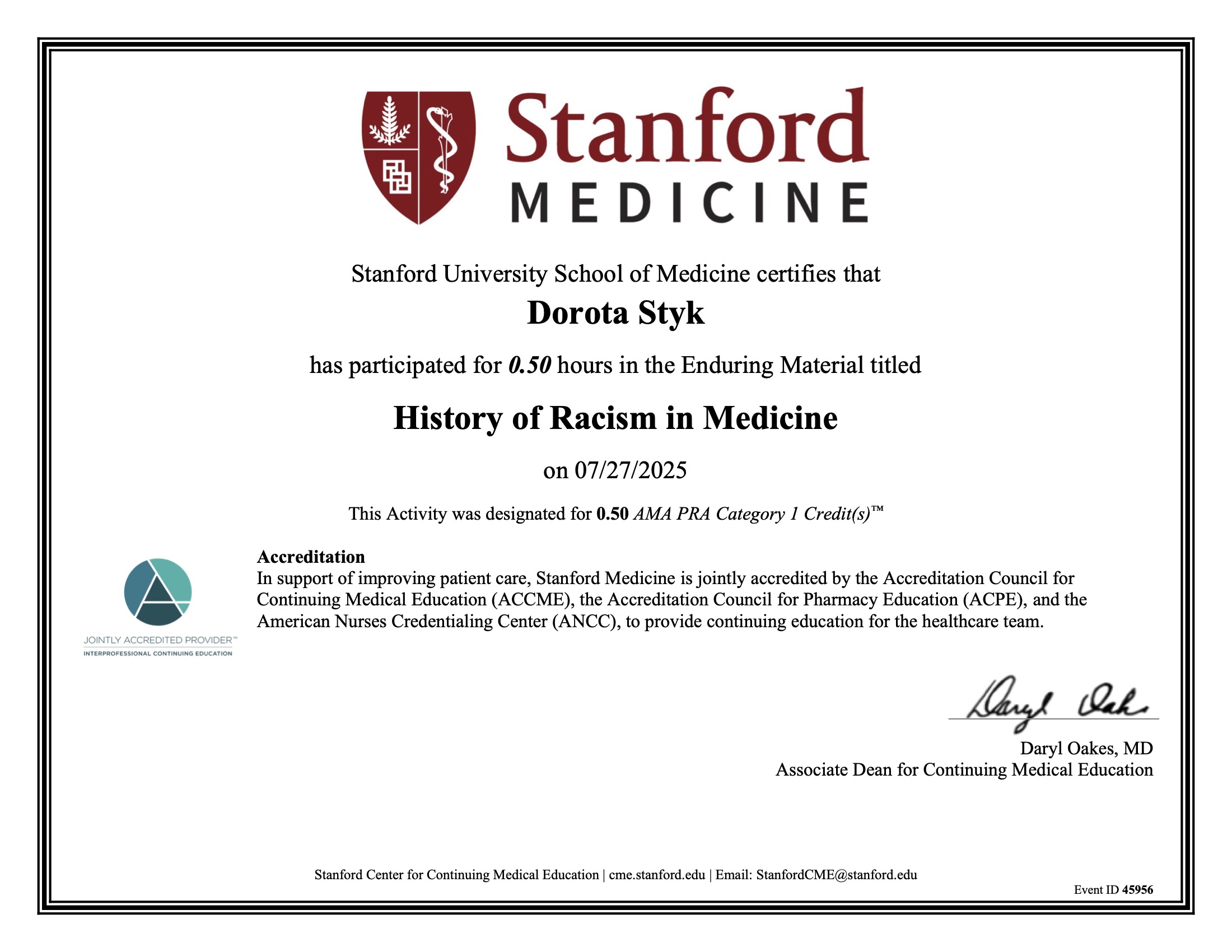
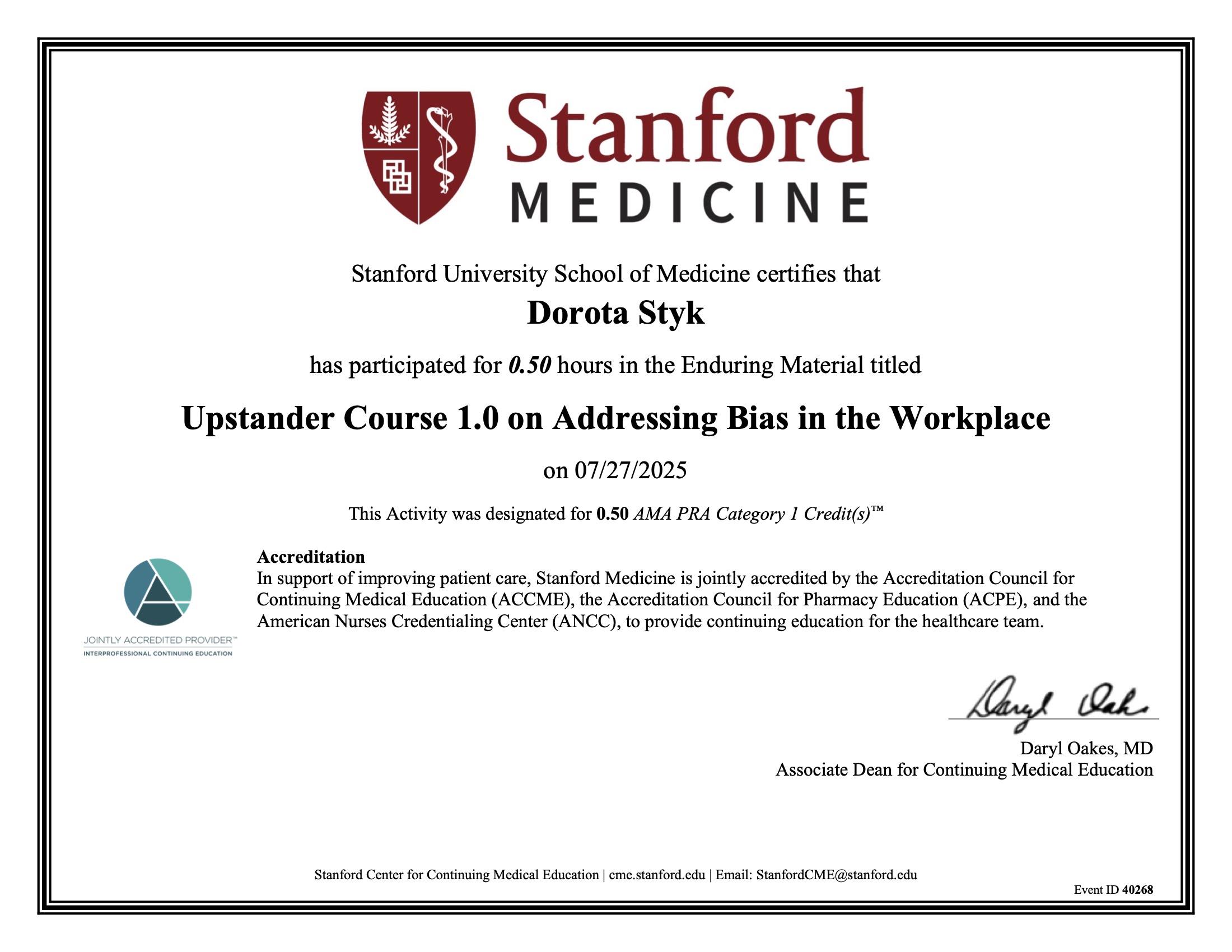
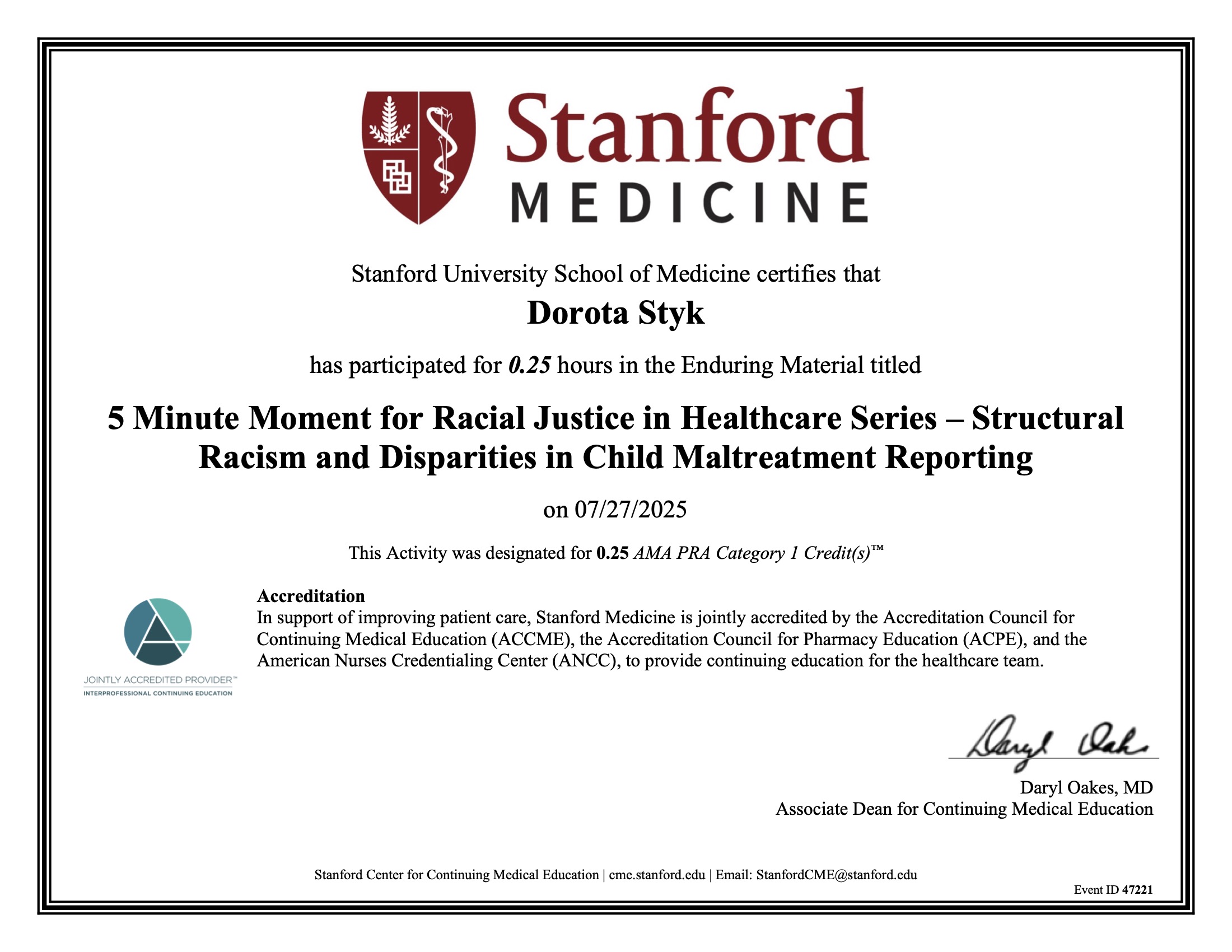
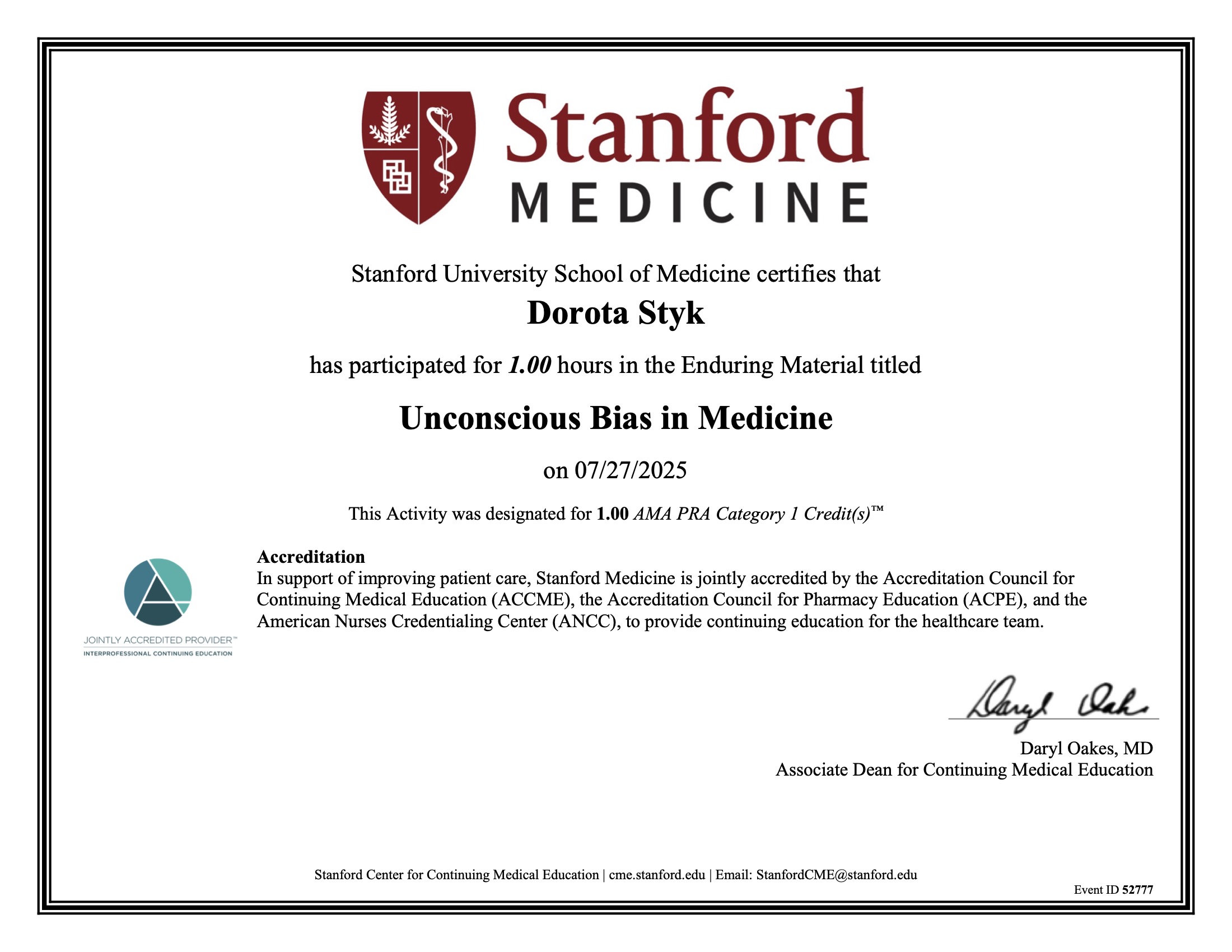
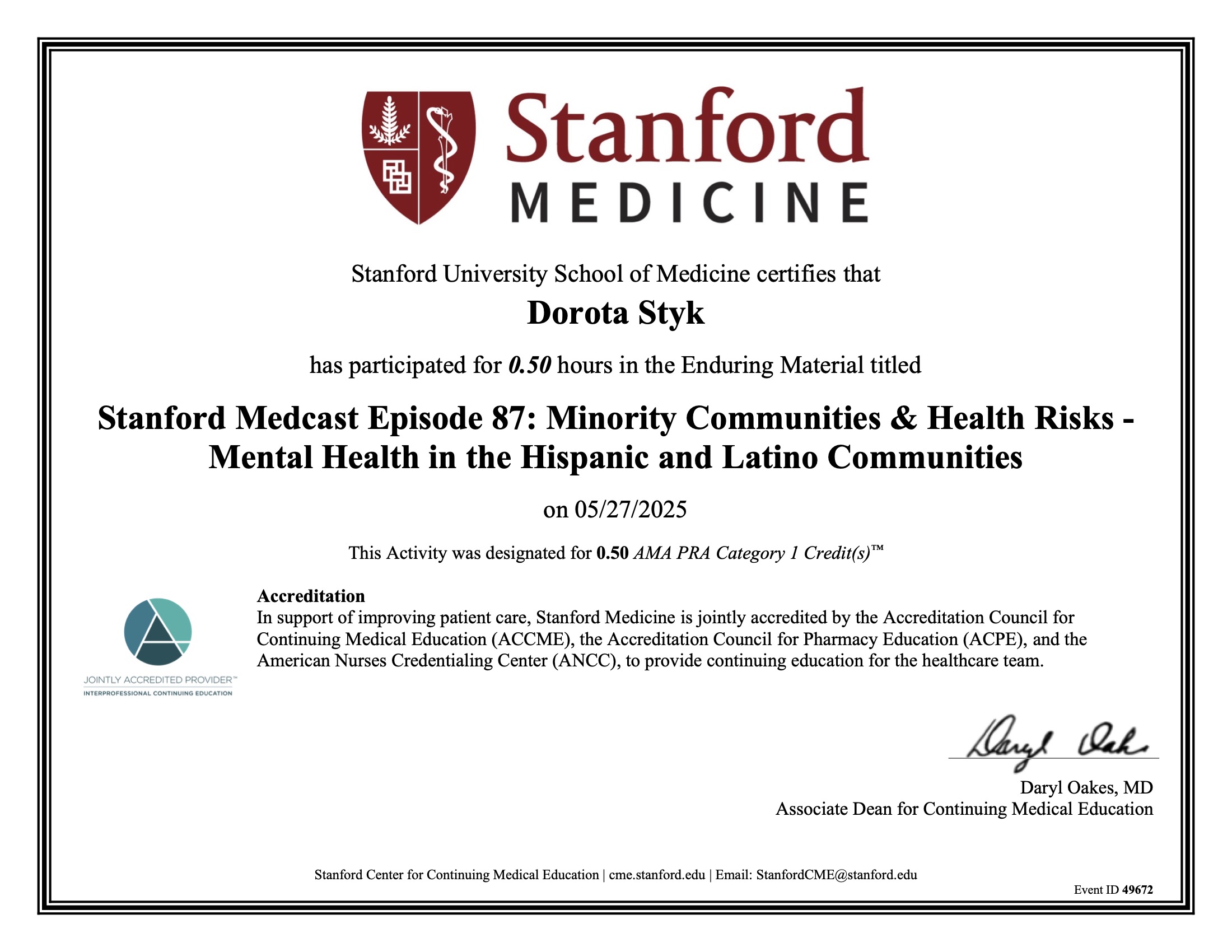
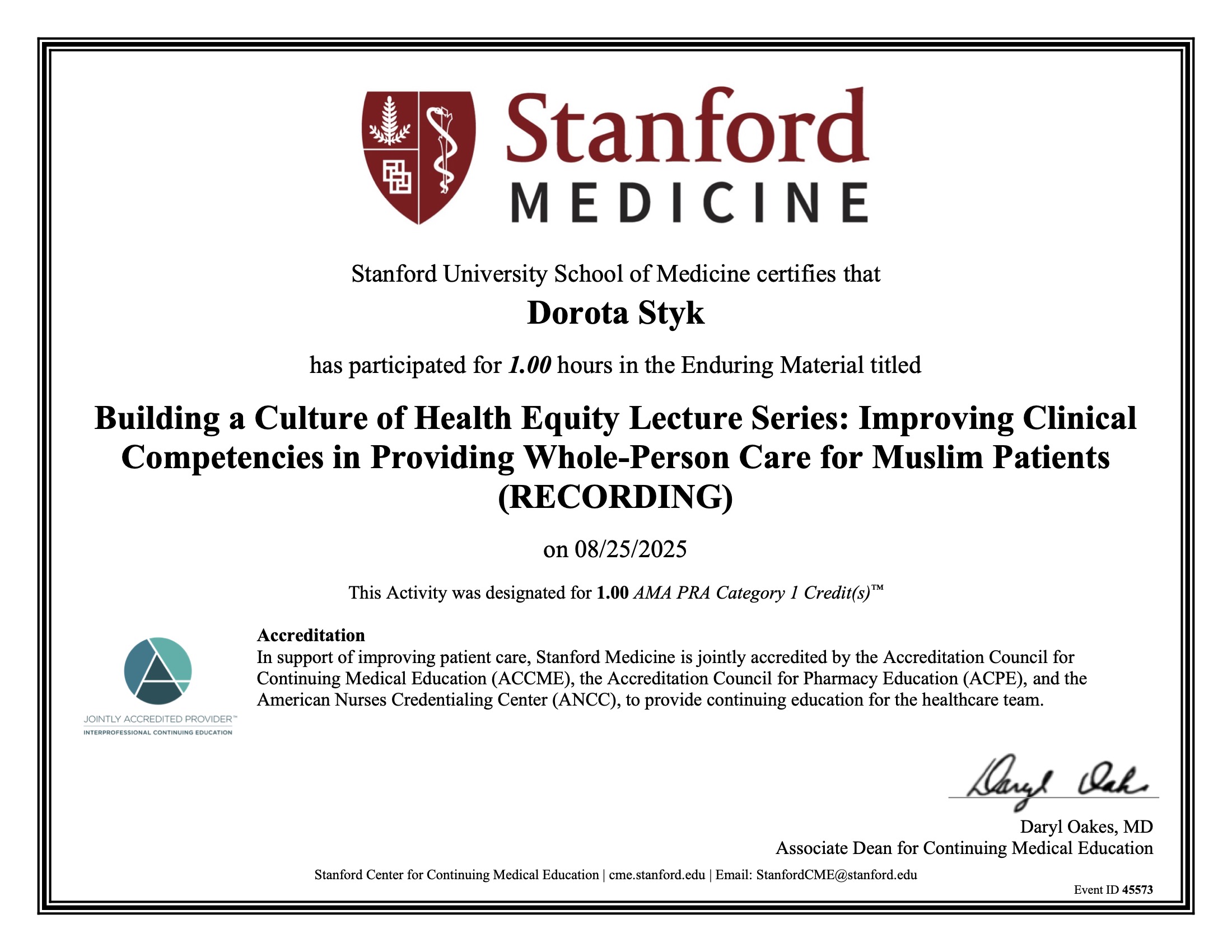
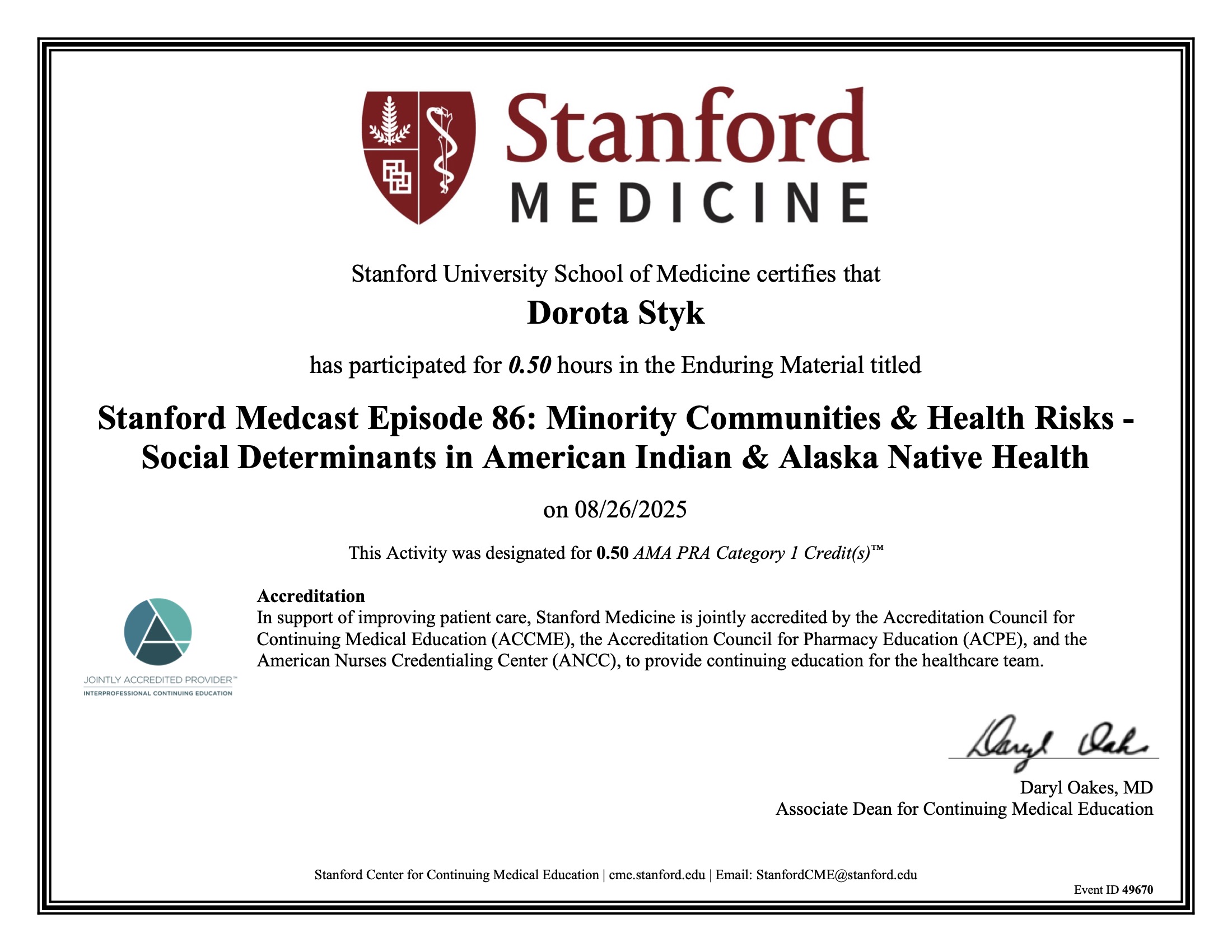
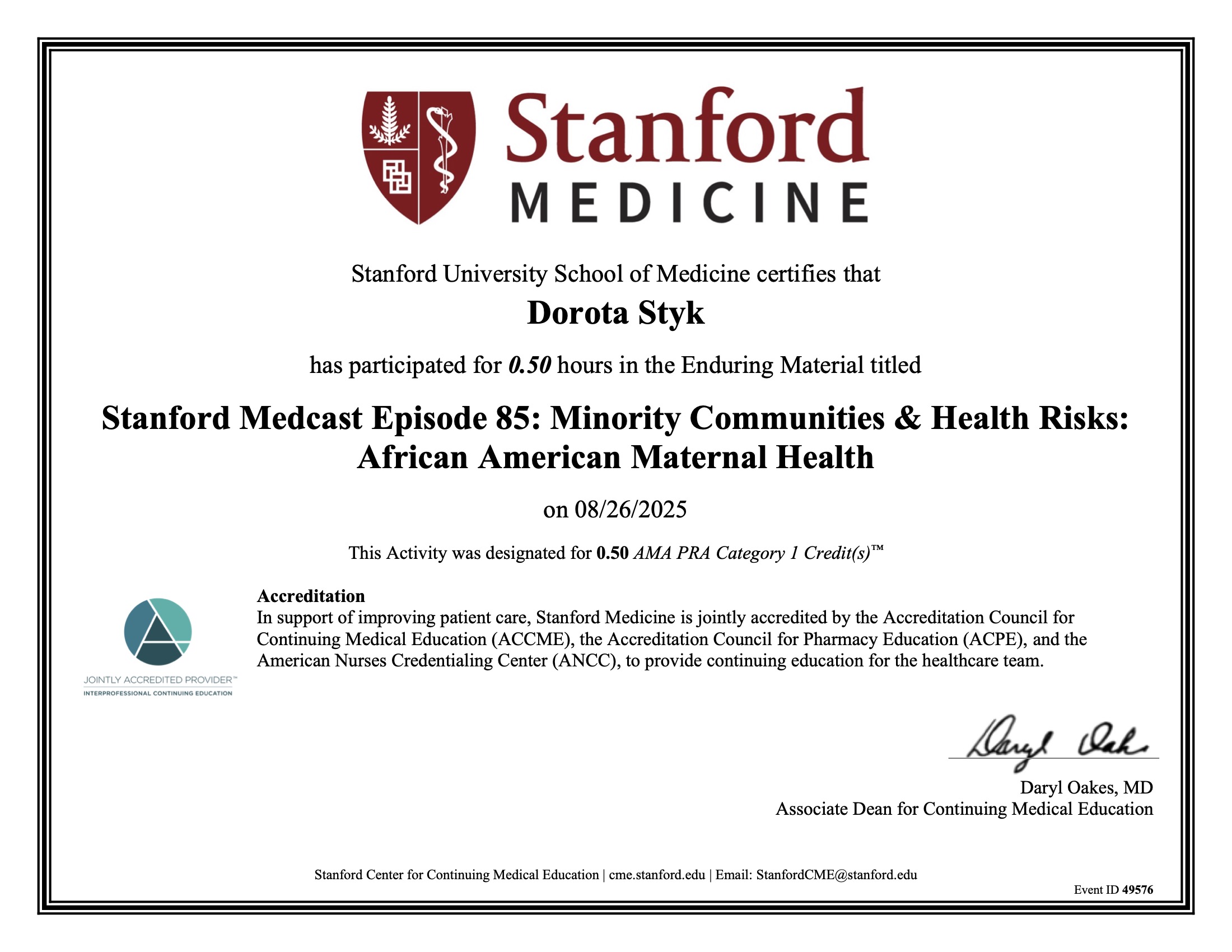
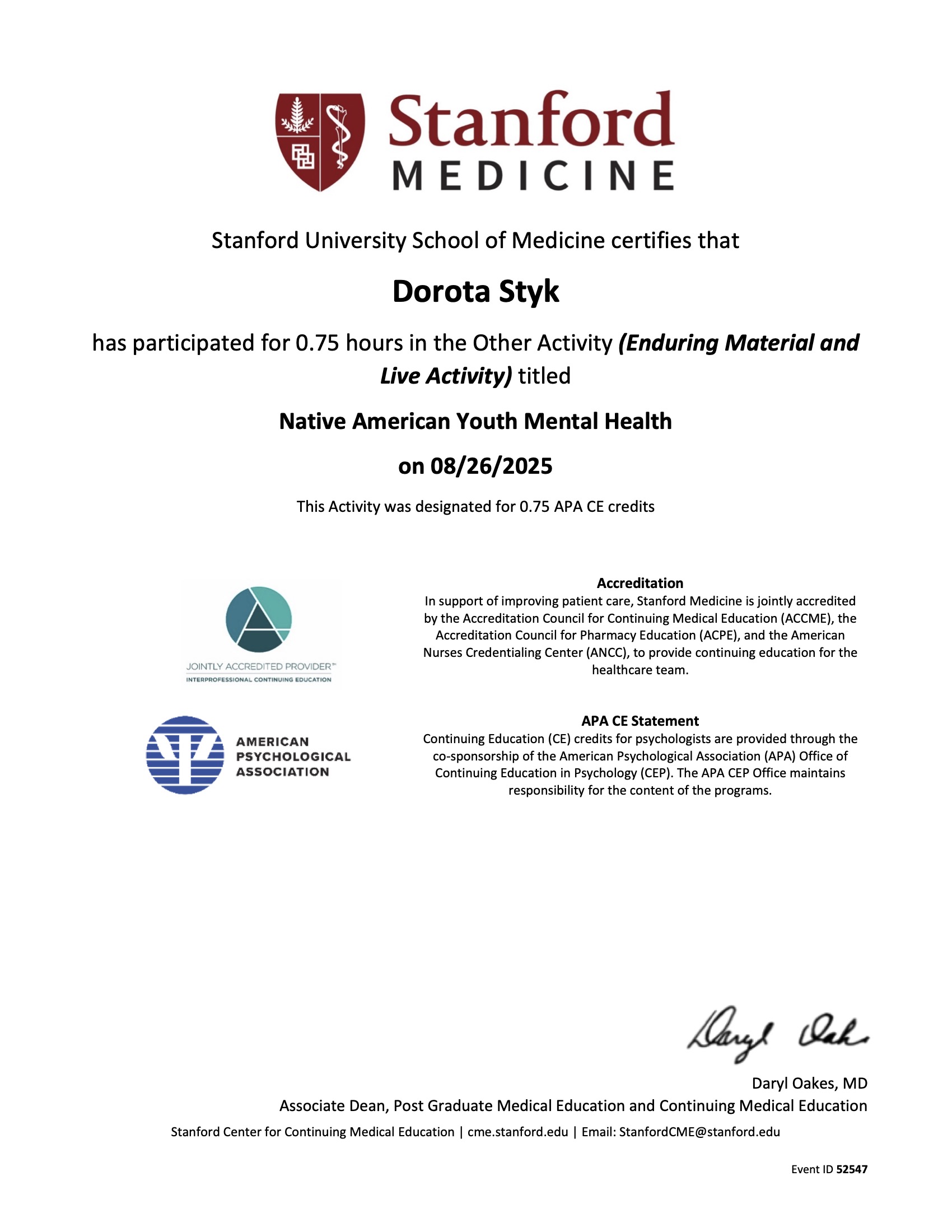
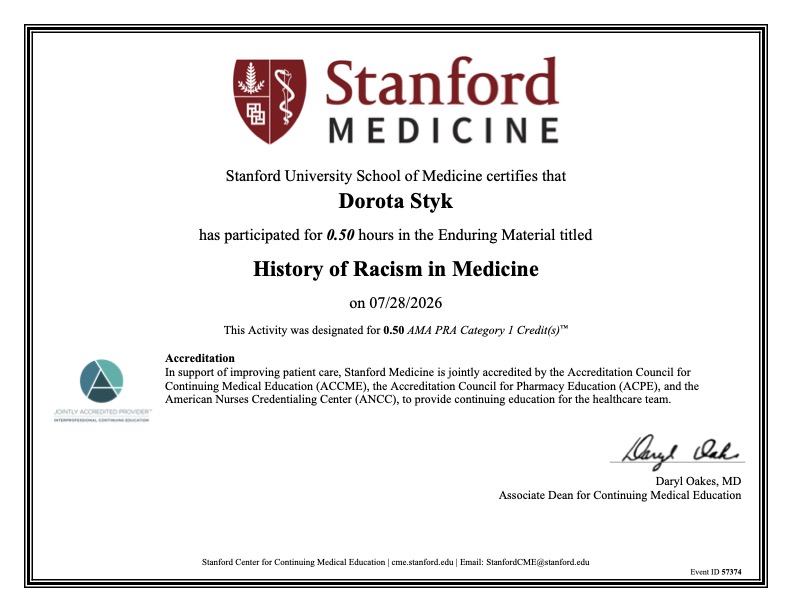
Bias and Racism in Health Care

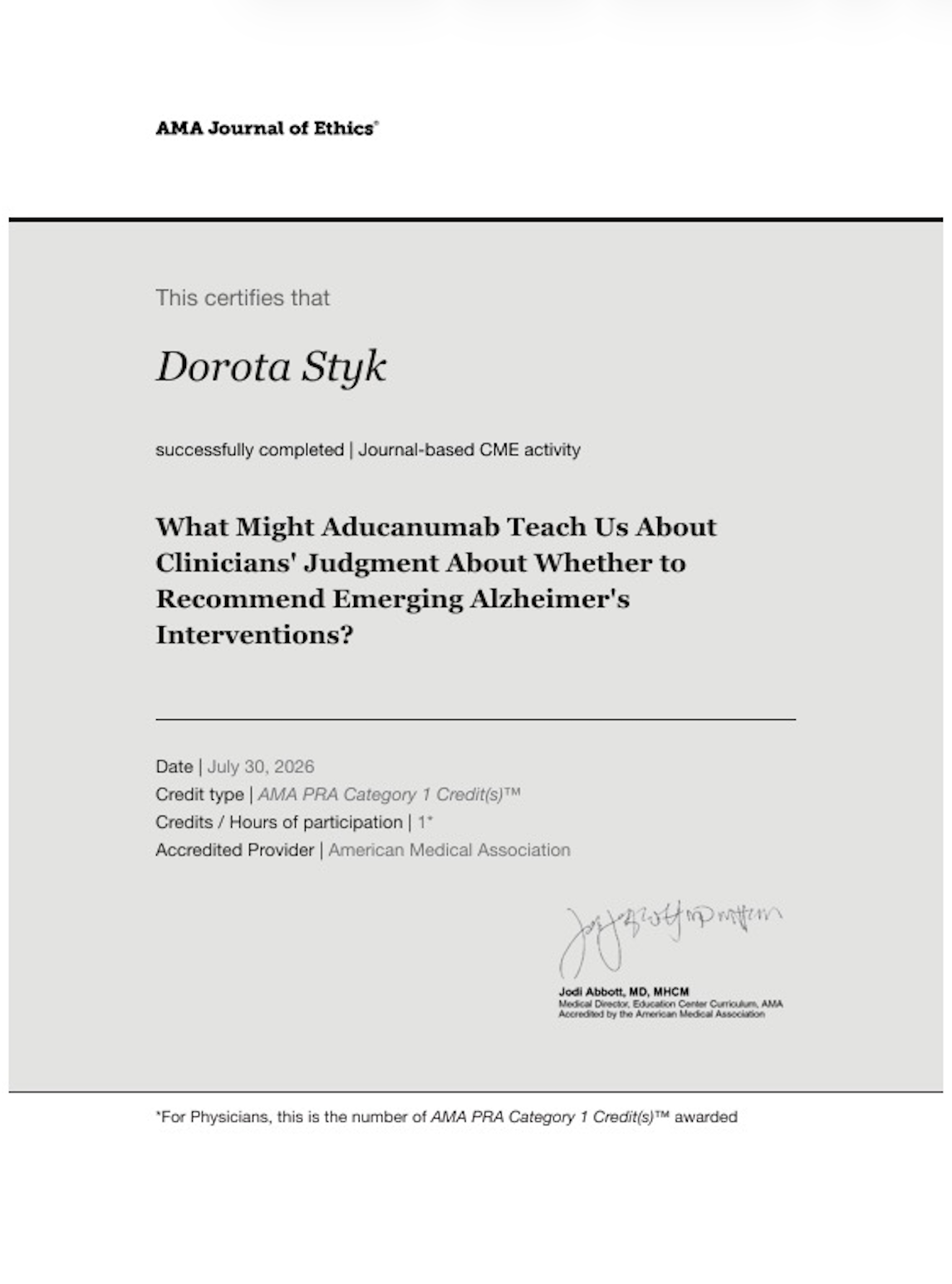
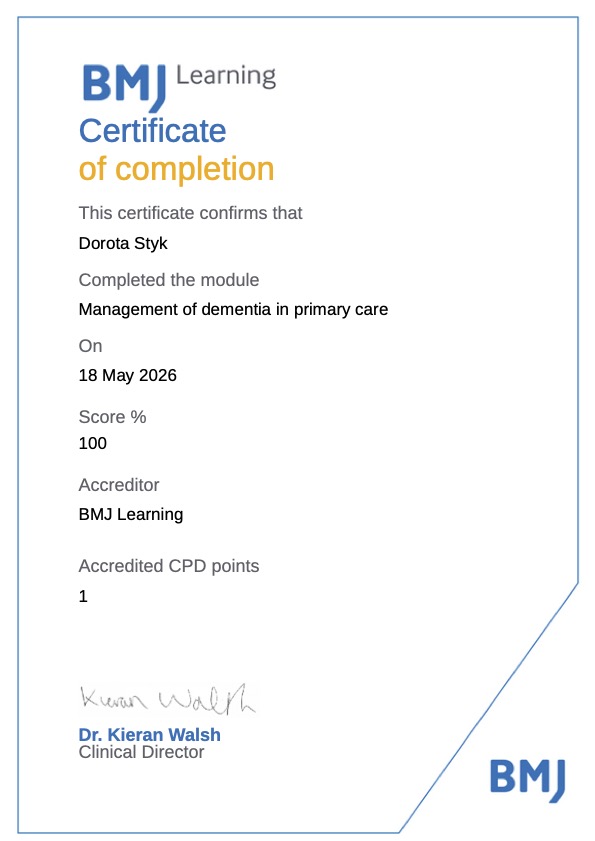
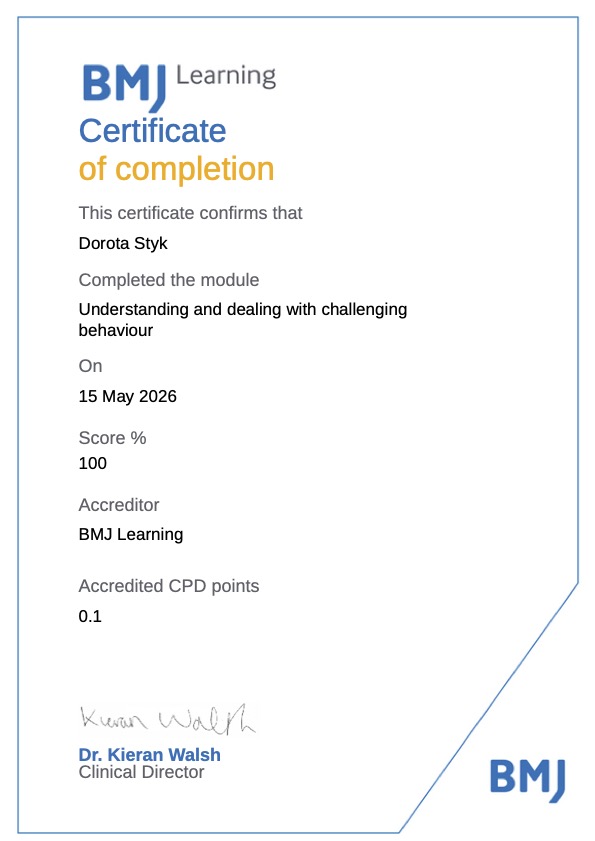
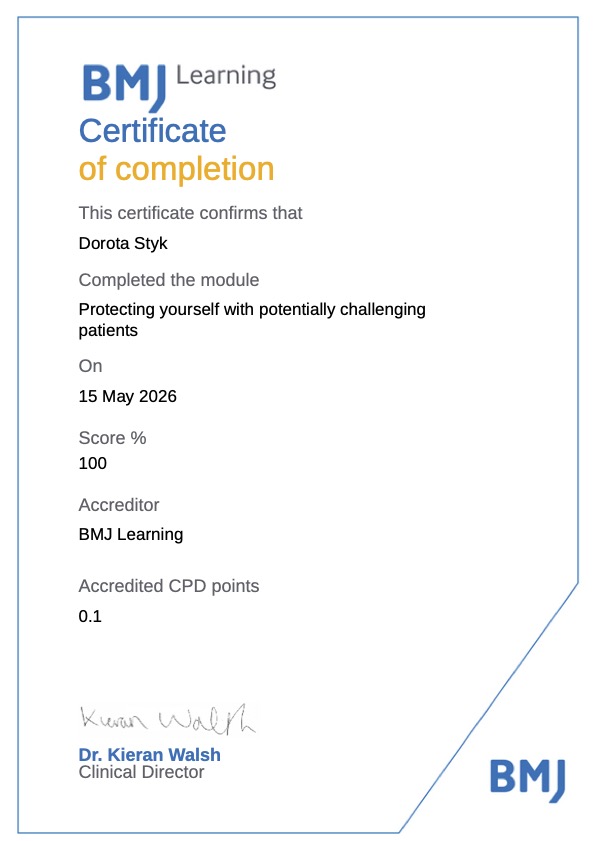
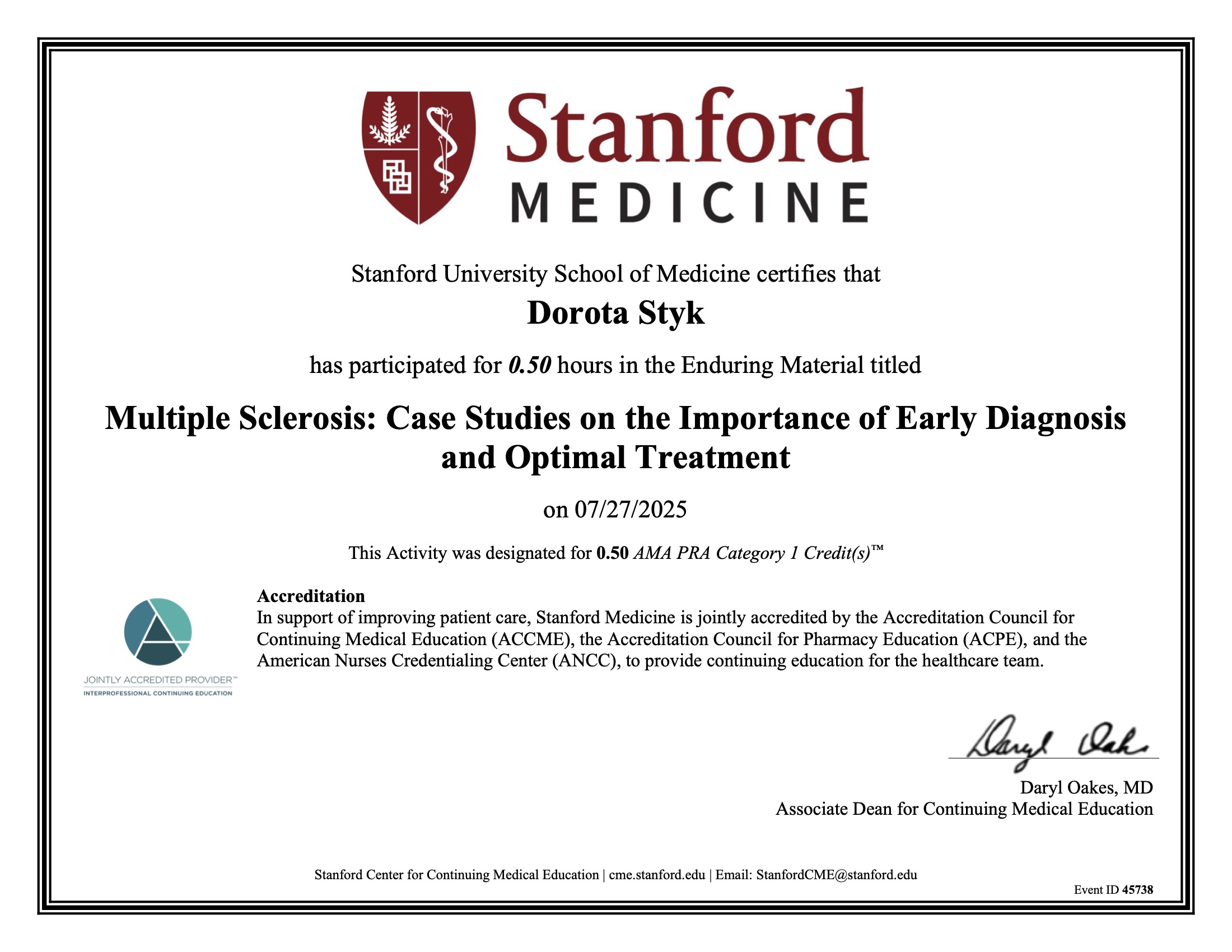
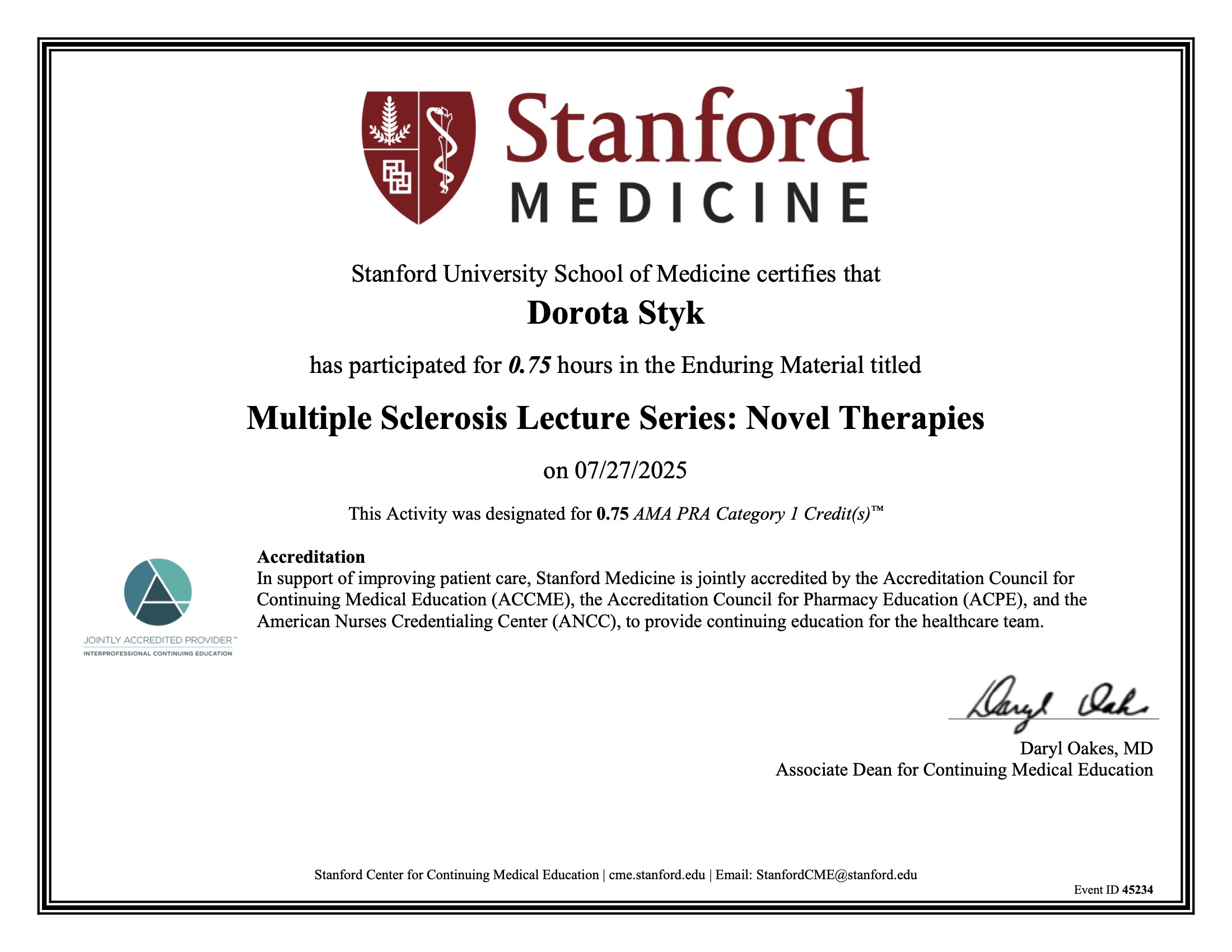
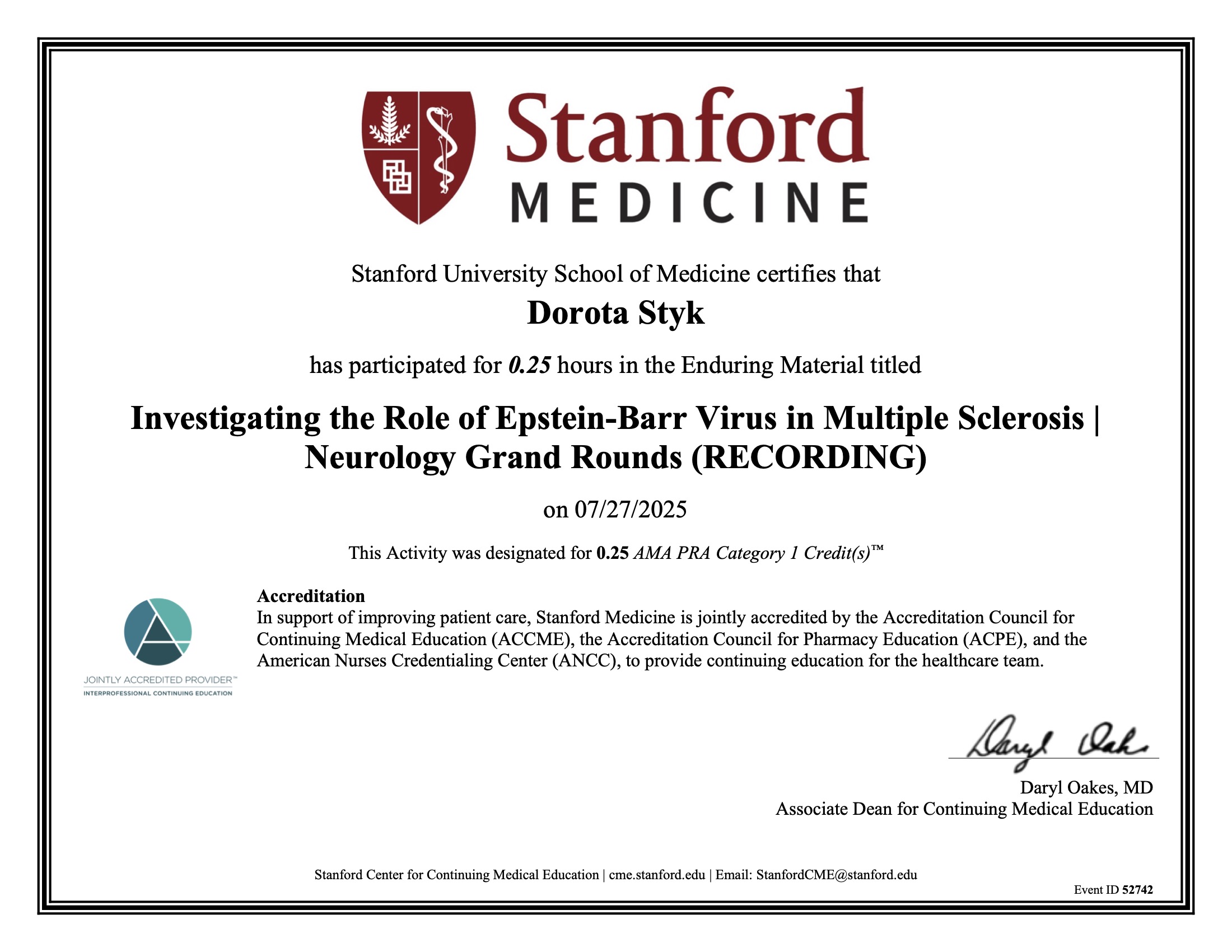
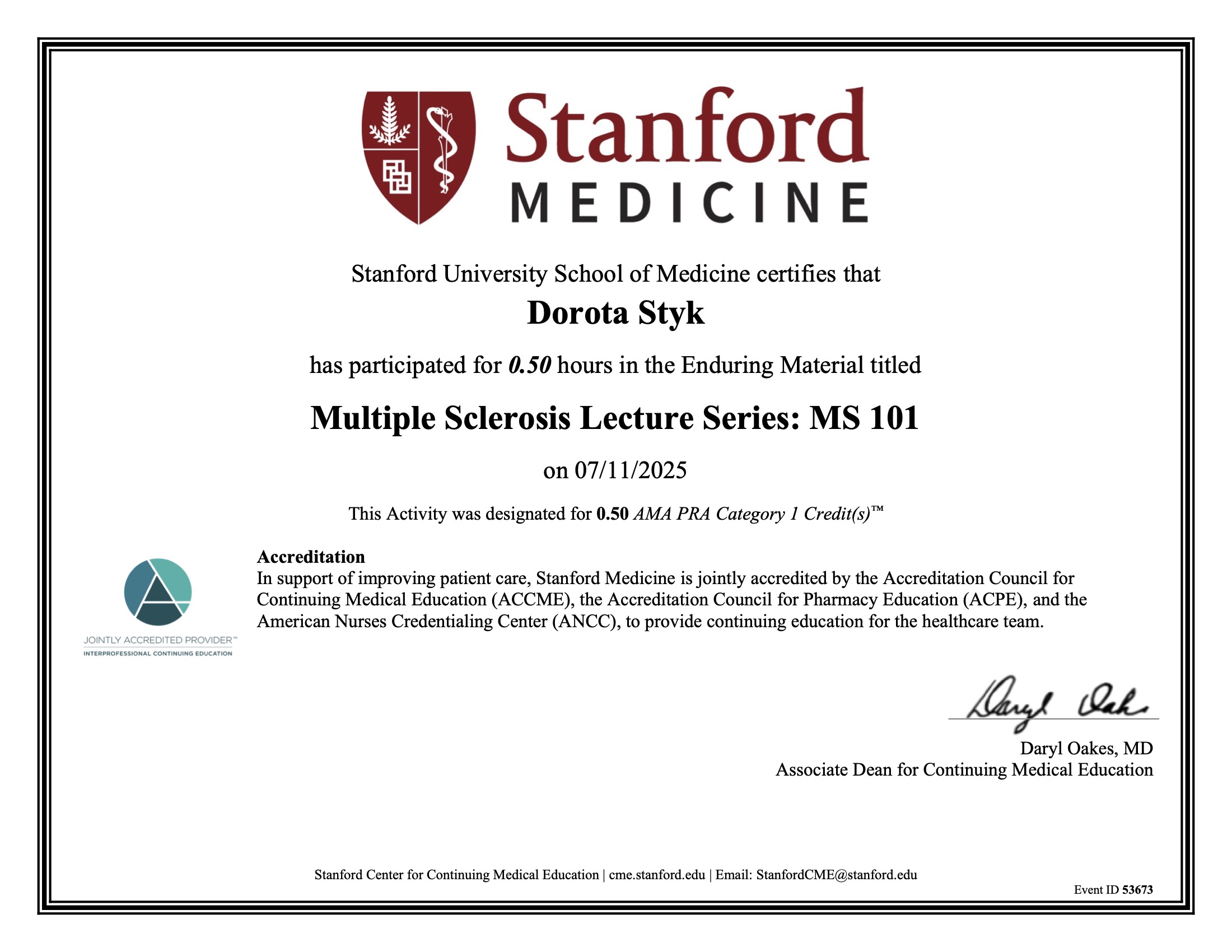
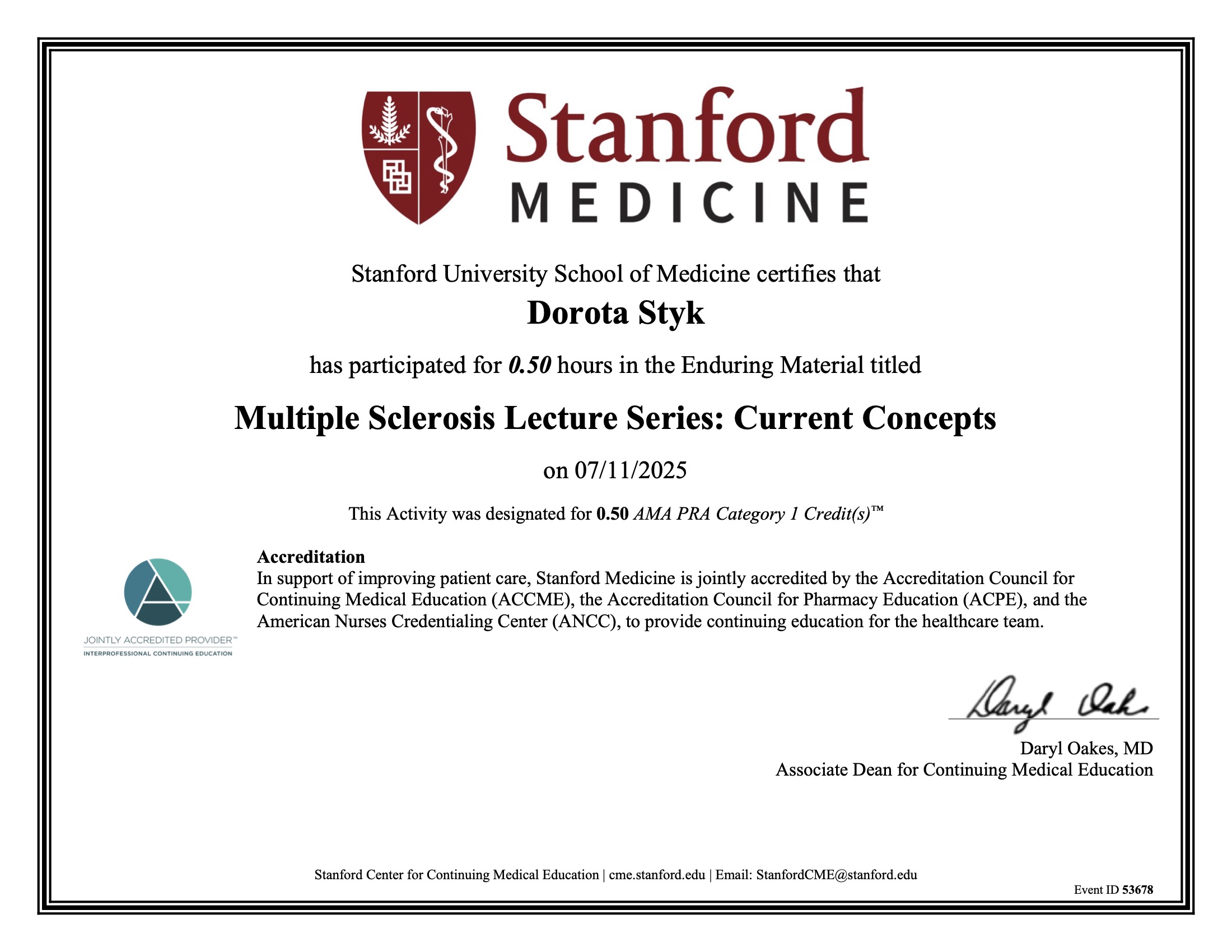
Degenerative Diseases: Multiple Sclerosis, Alzheimer's, Parkinson's


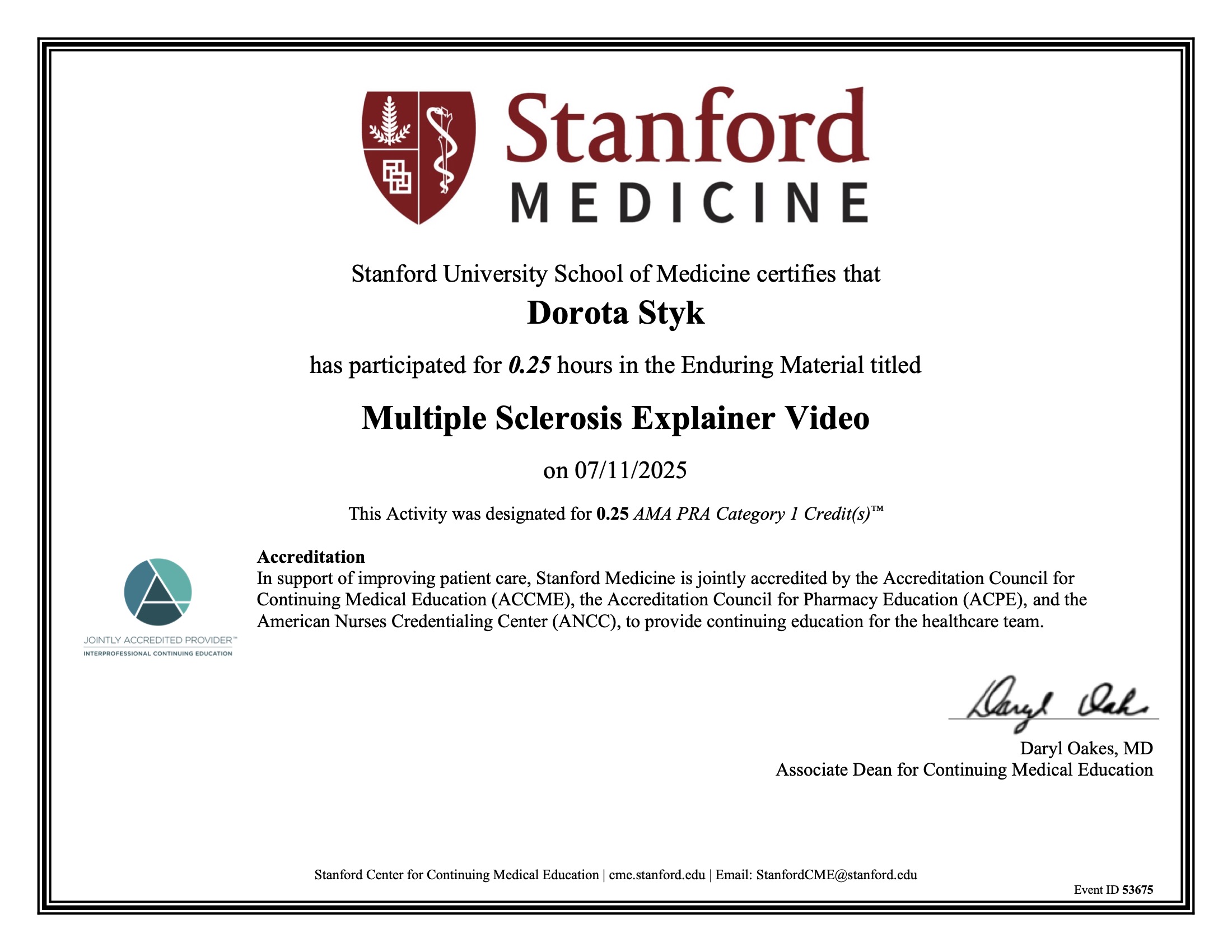
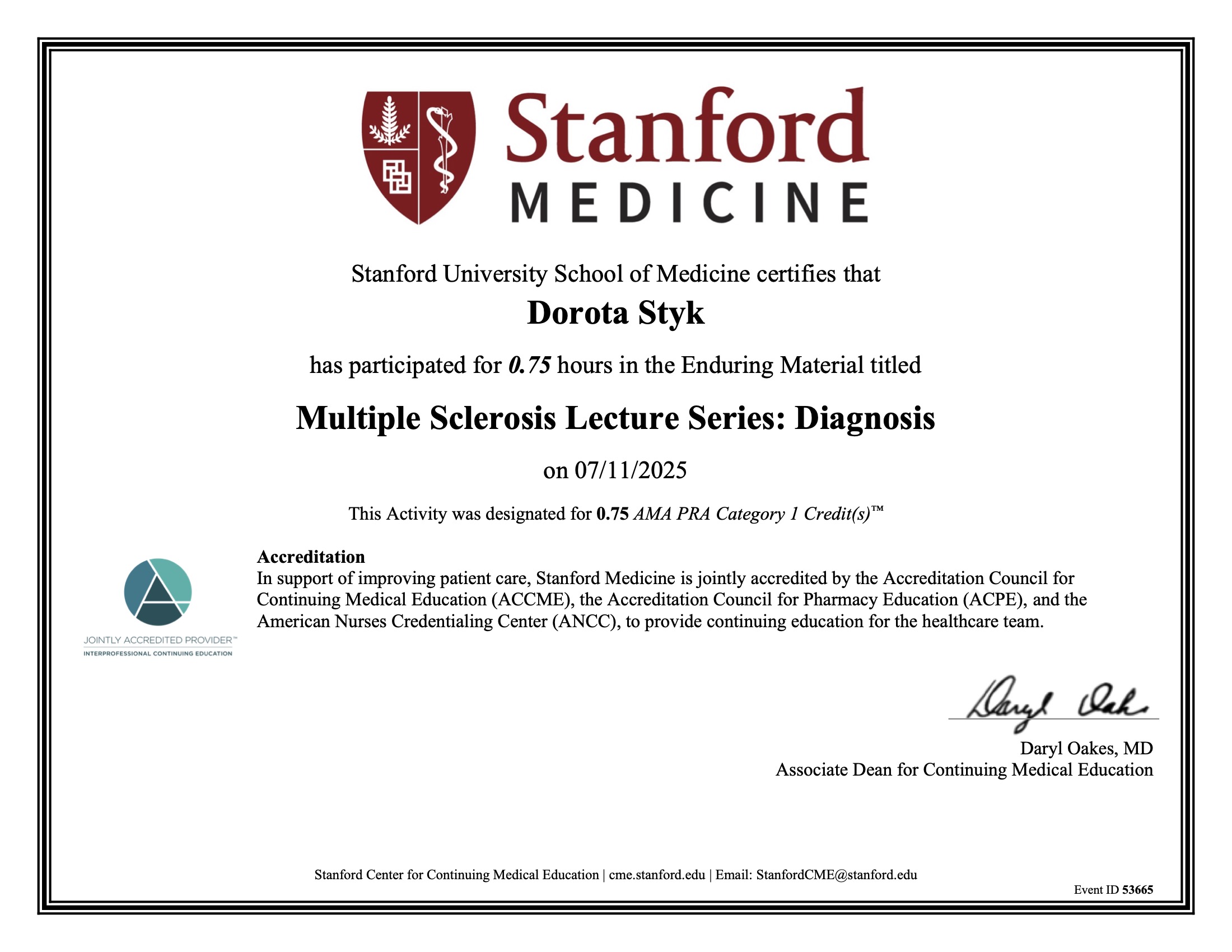
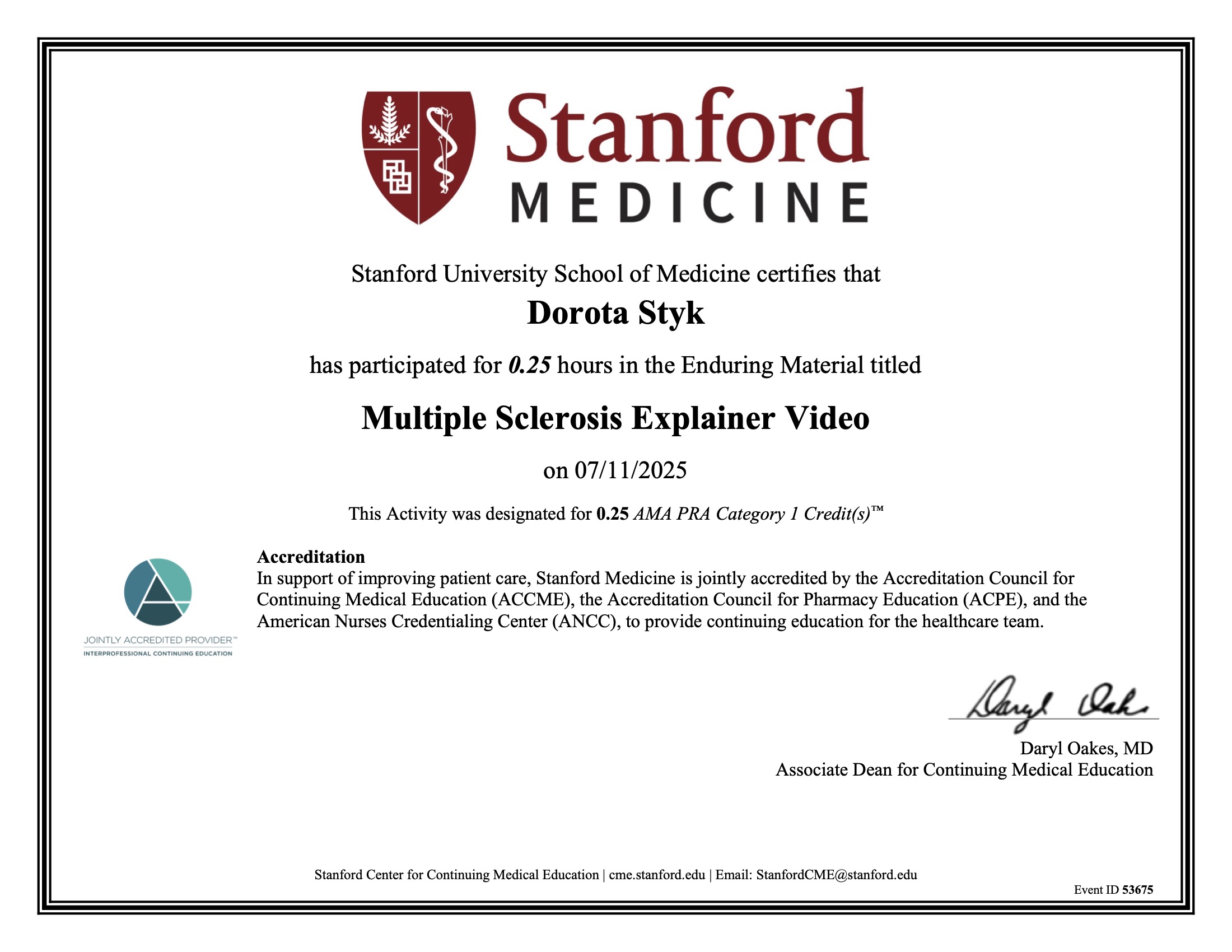
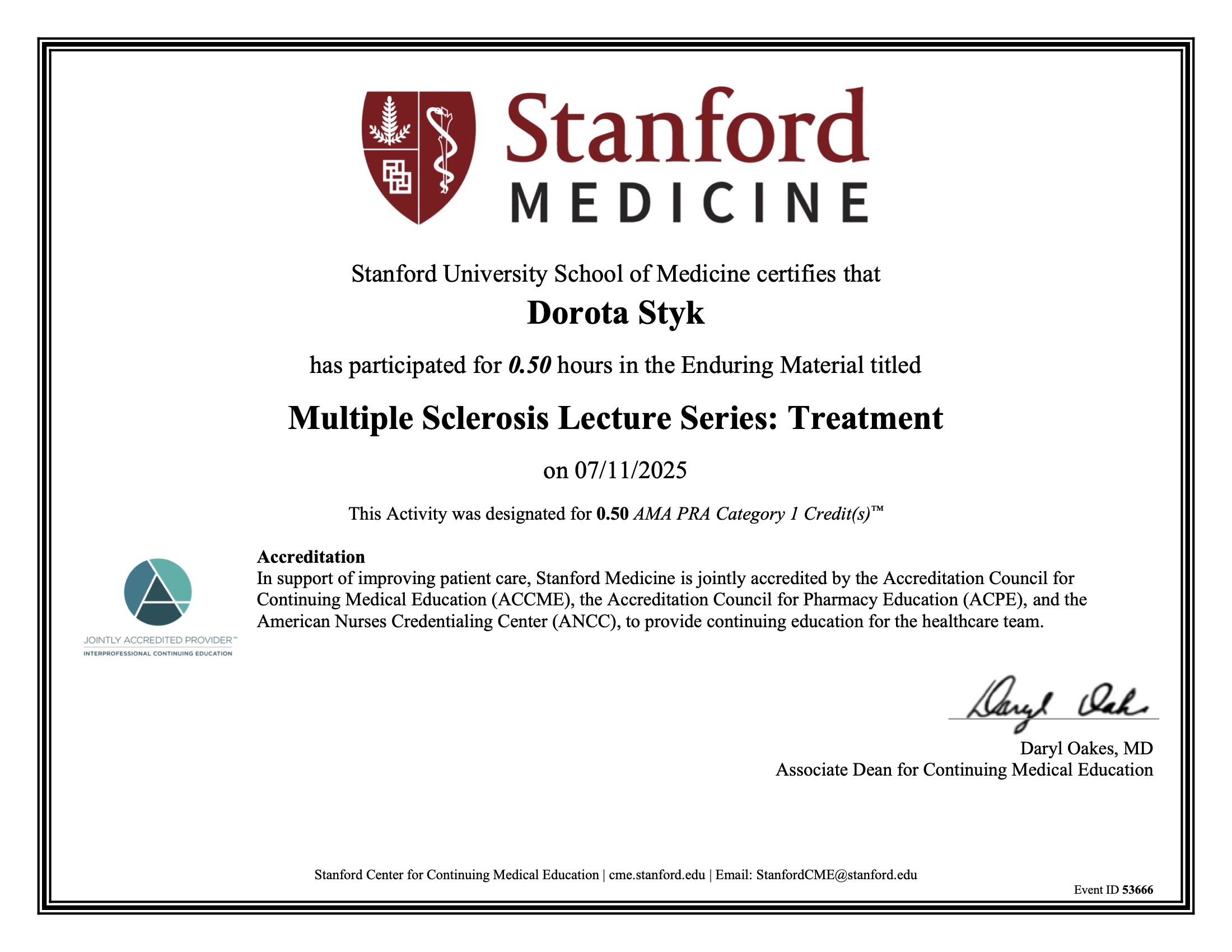
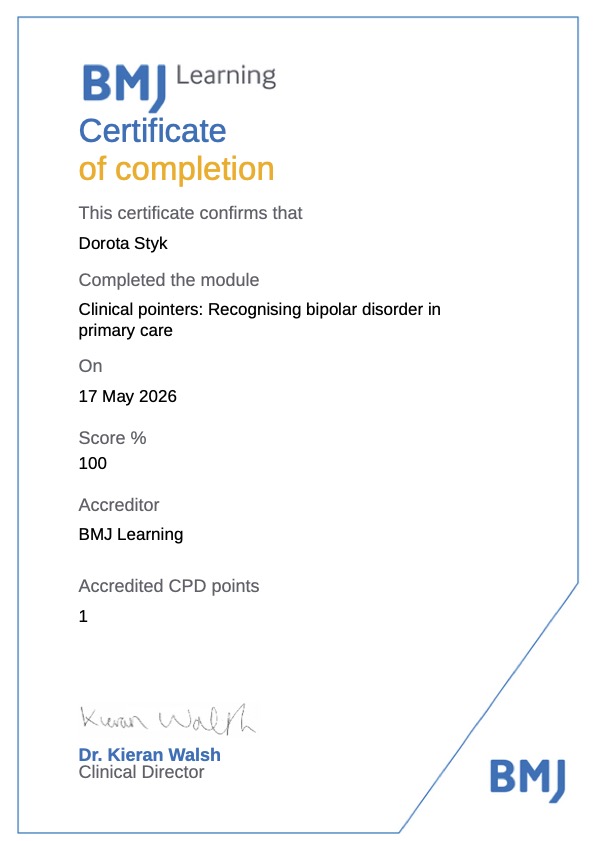
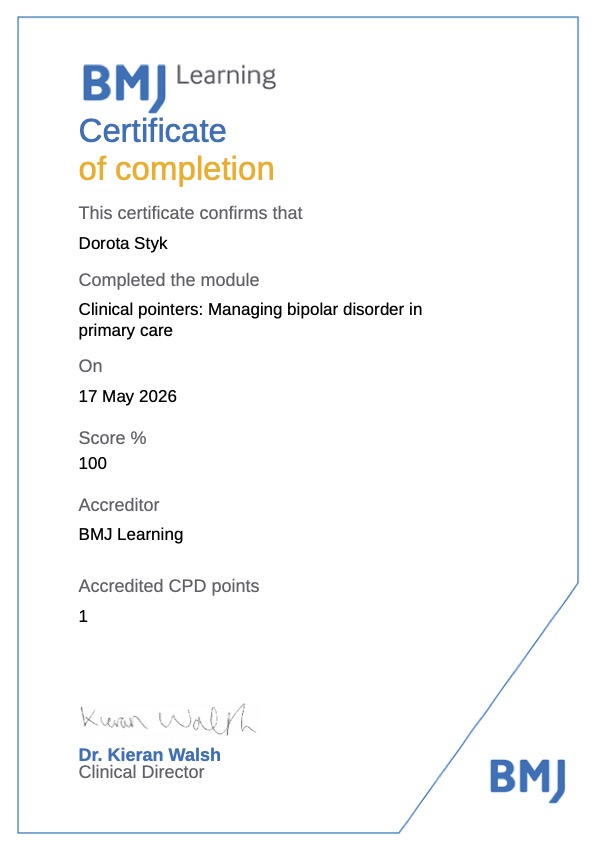
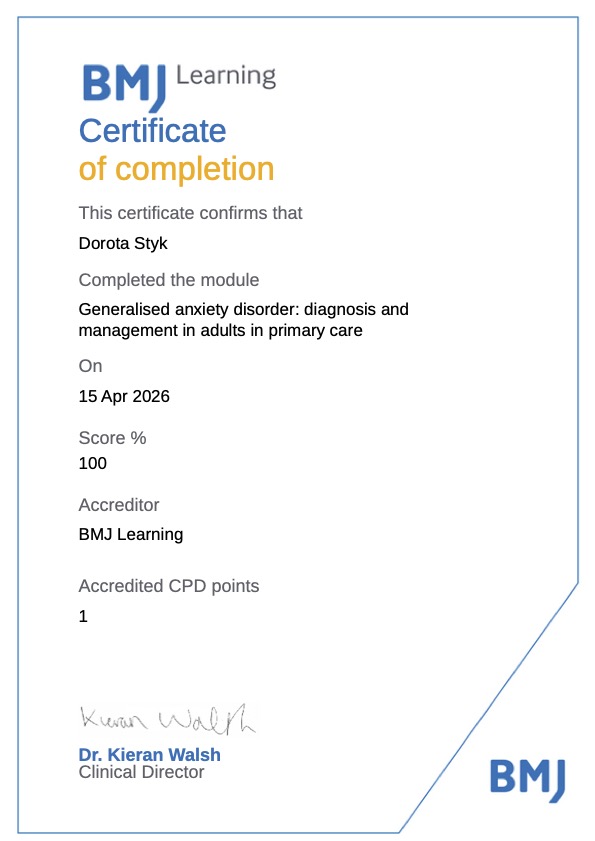
Depression and Mood Disorders: Children, Adolescents, Adults
Developing Brain & Parenting


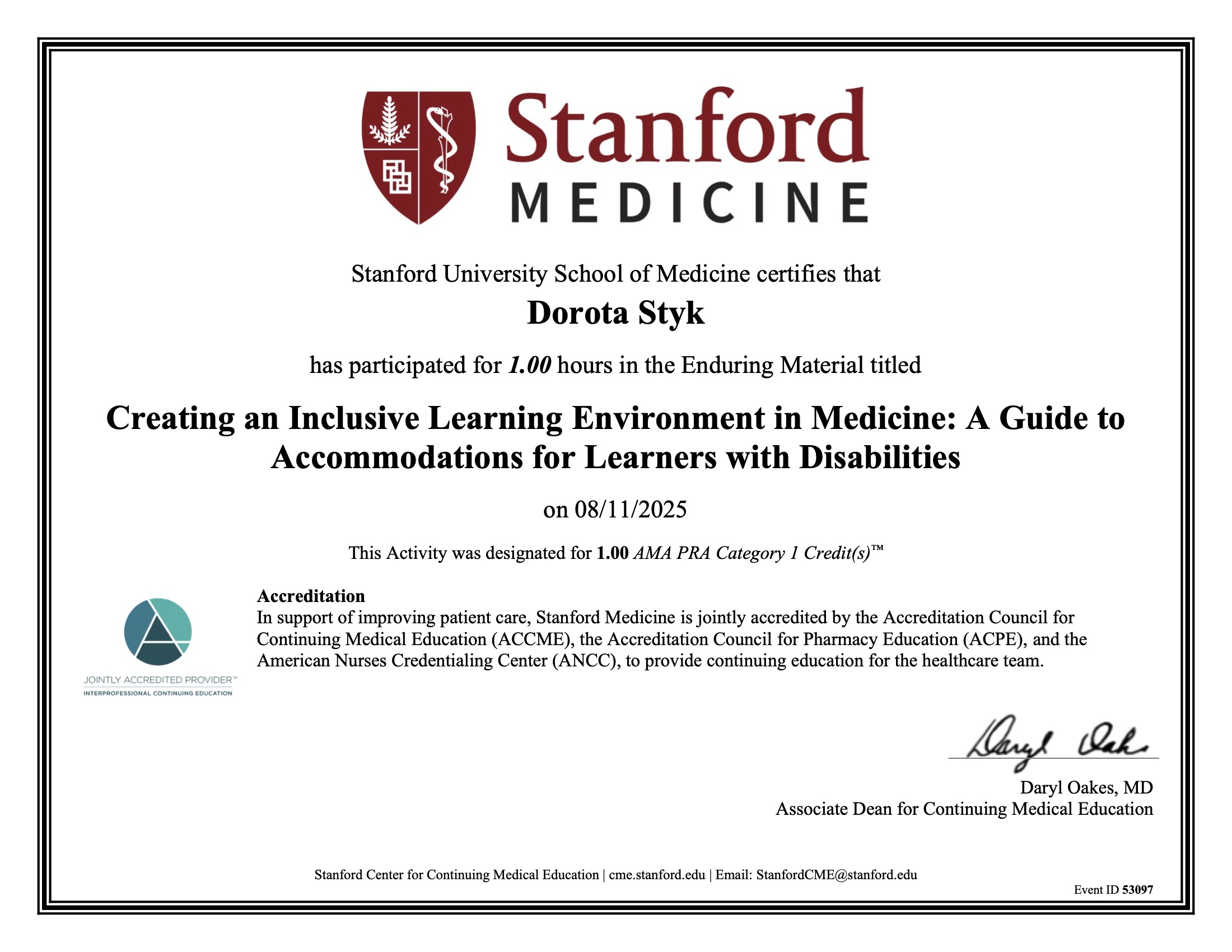
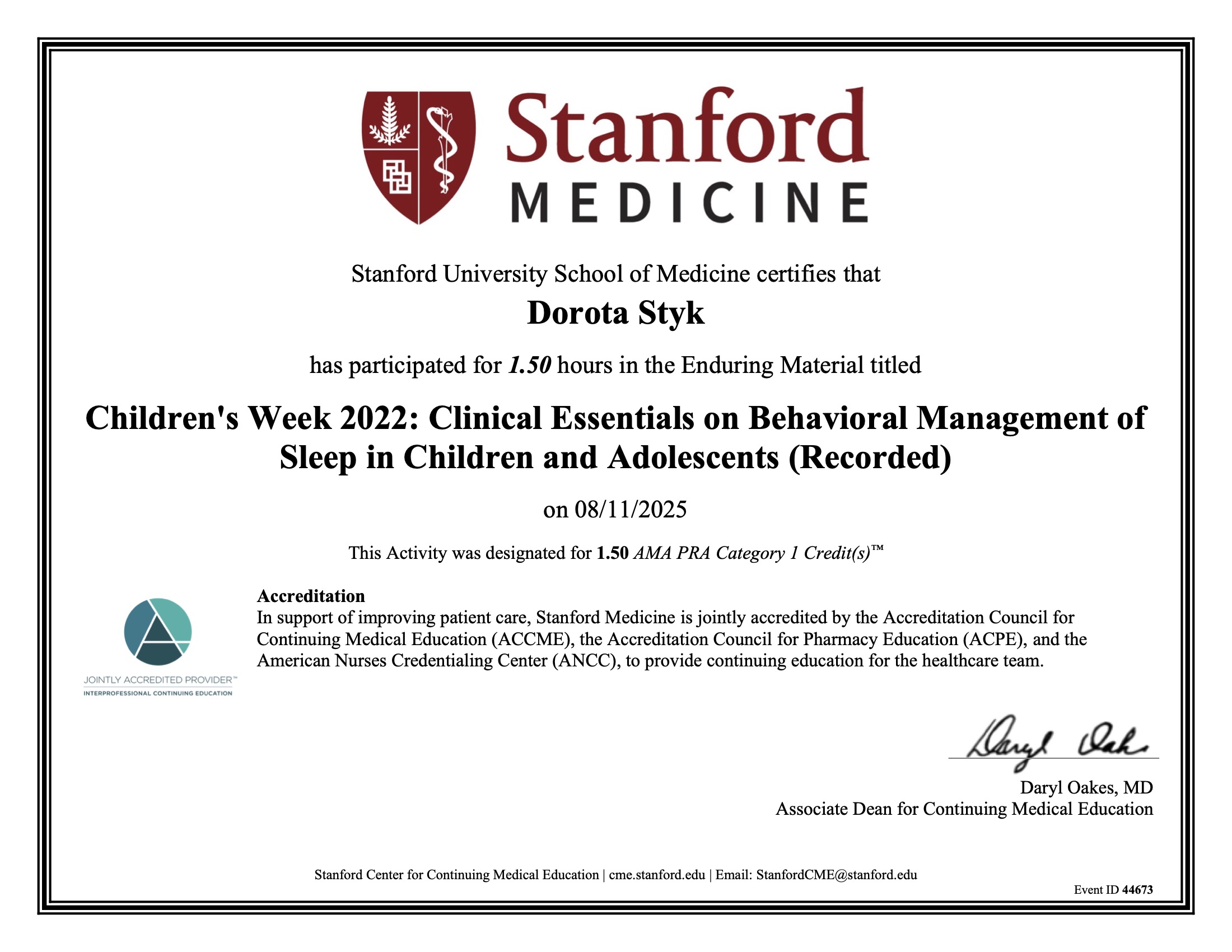
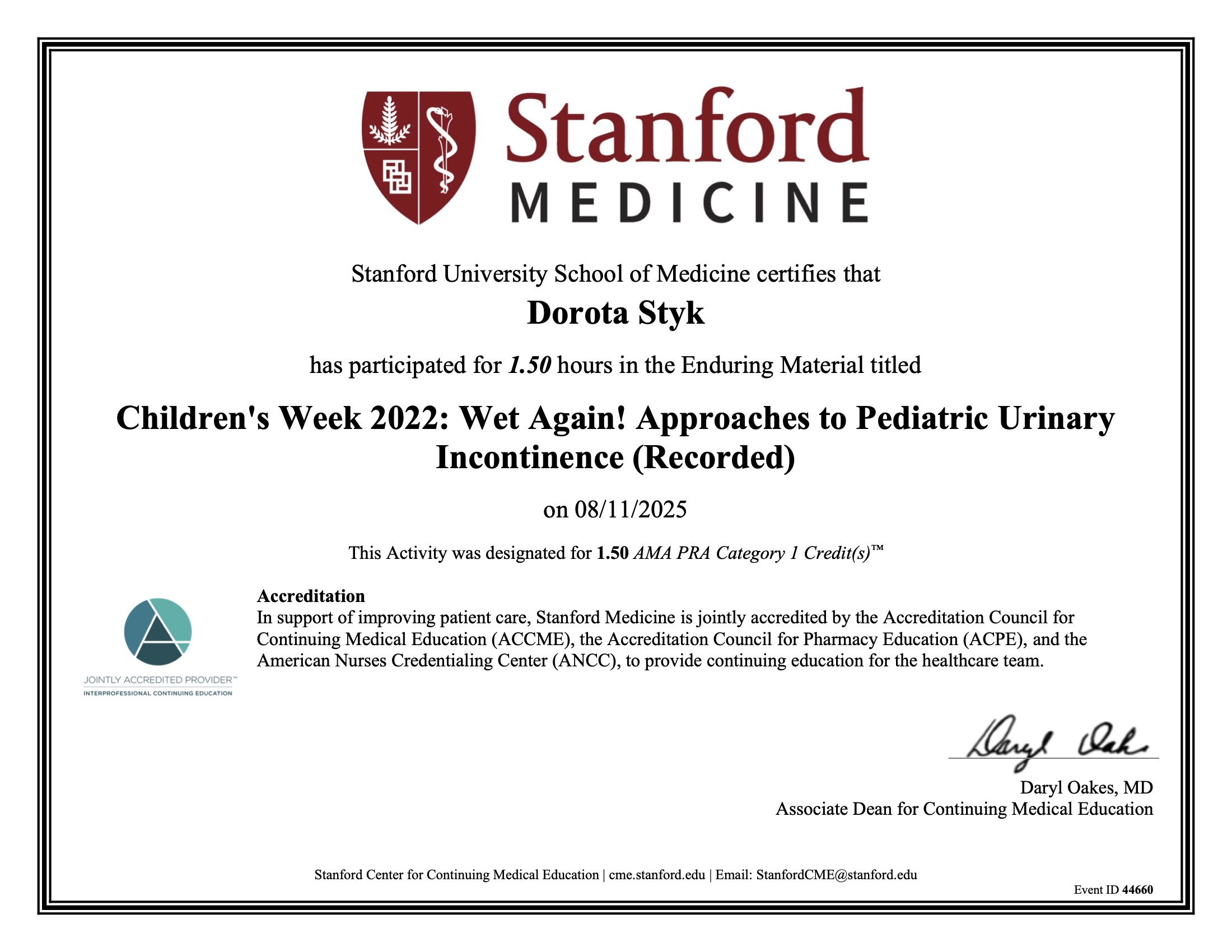
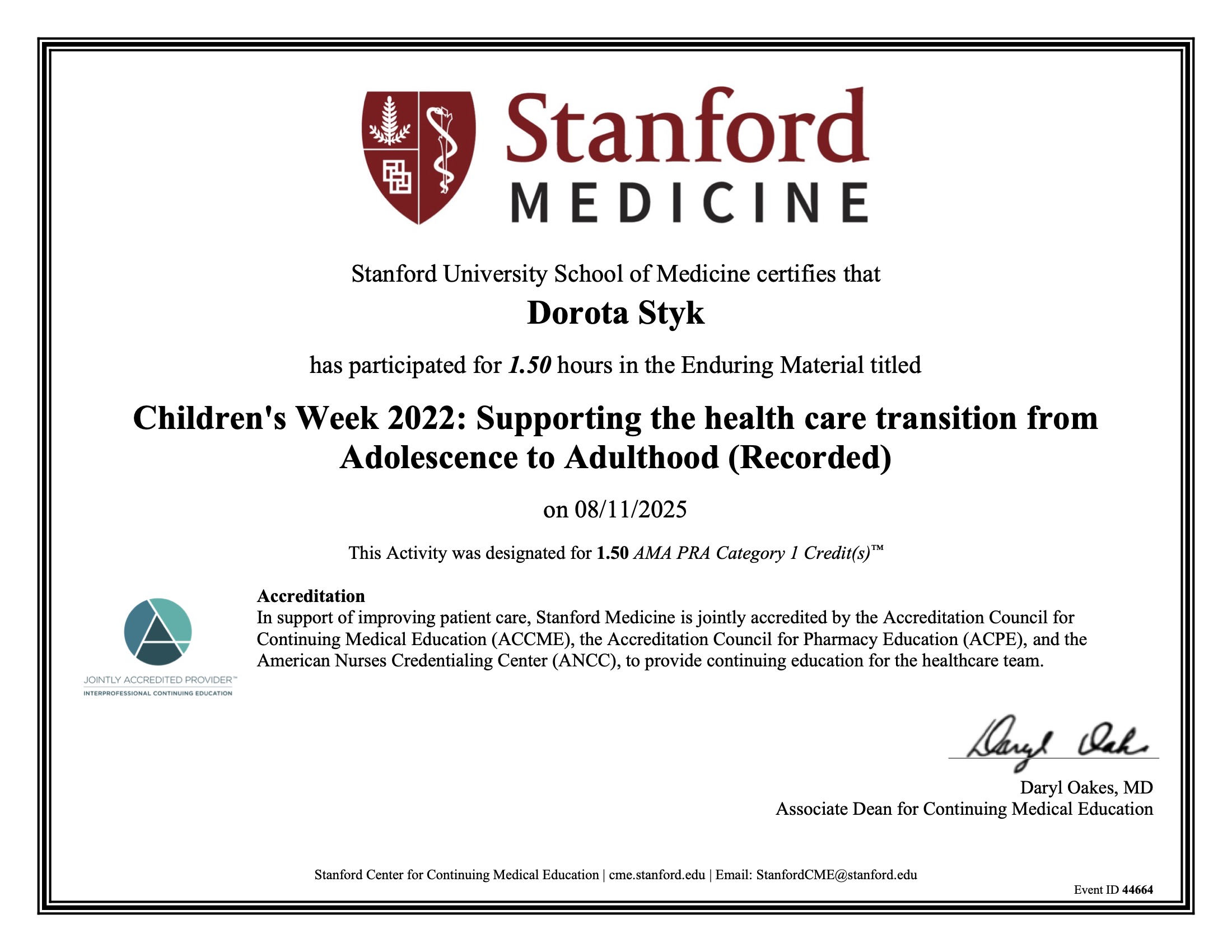
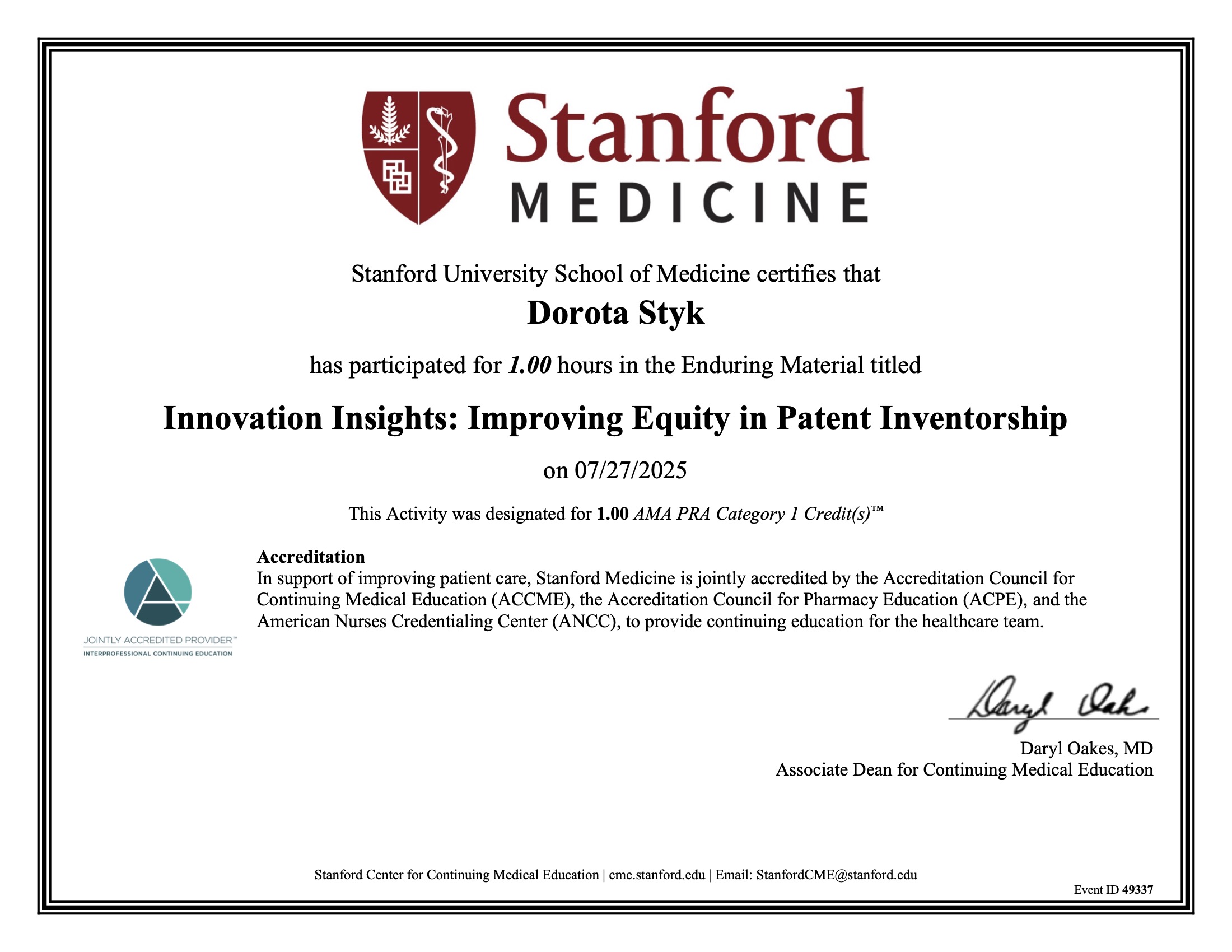
Diversity, Equity and Inclusion in Health Care
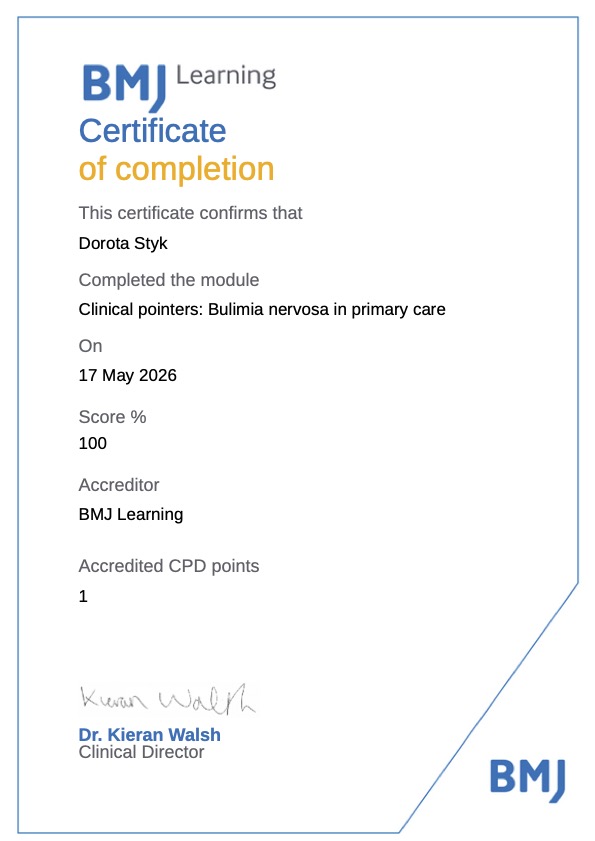
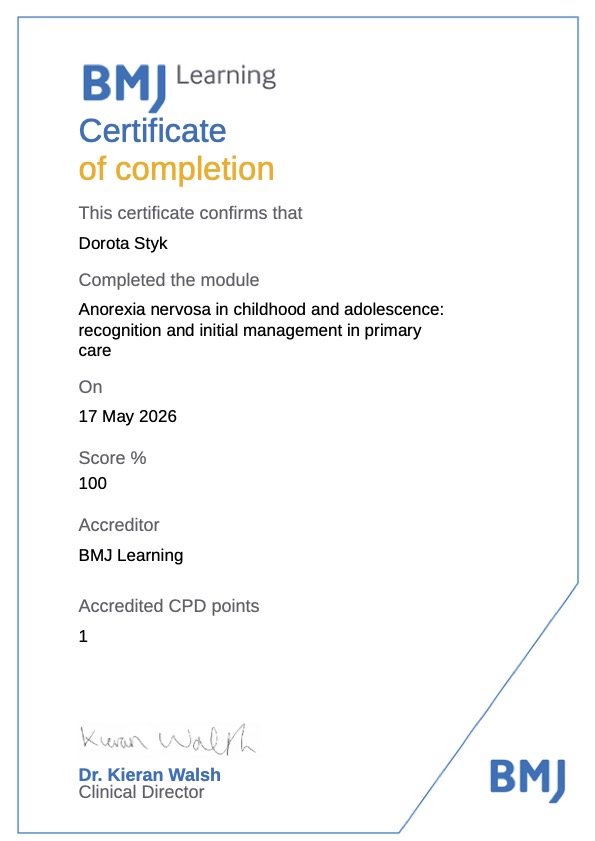
Eating disorders
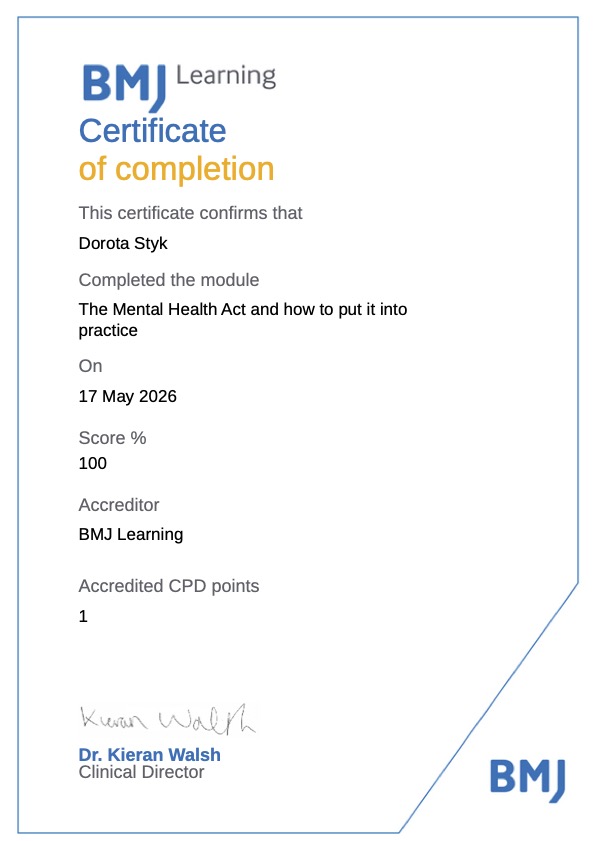
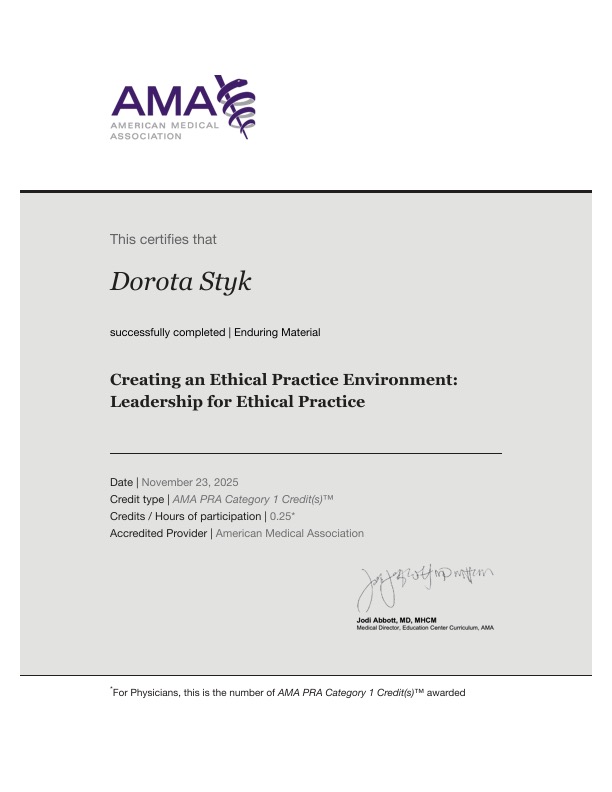
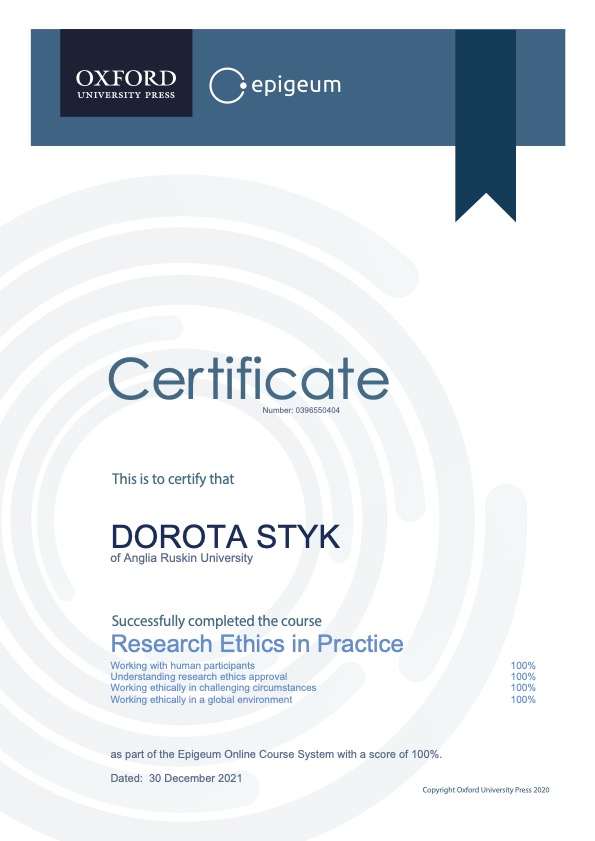
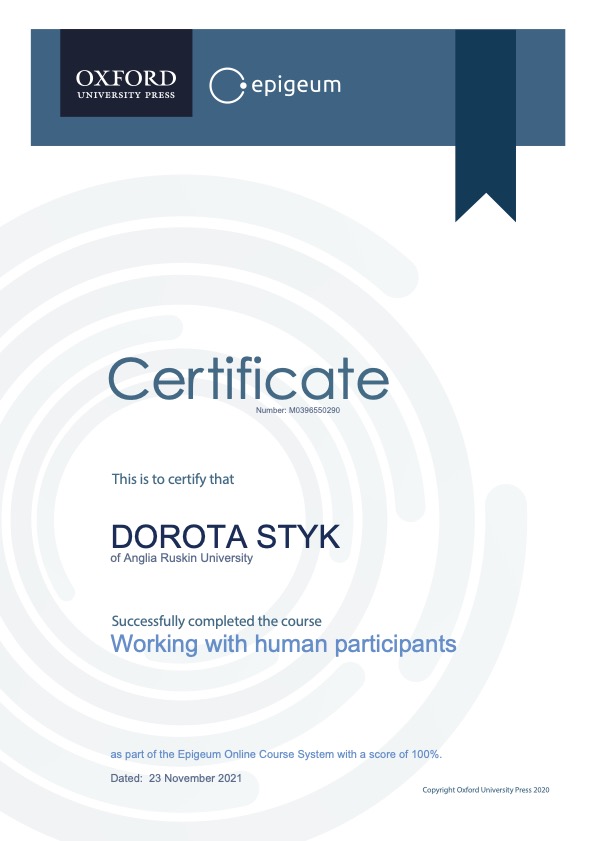
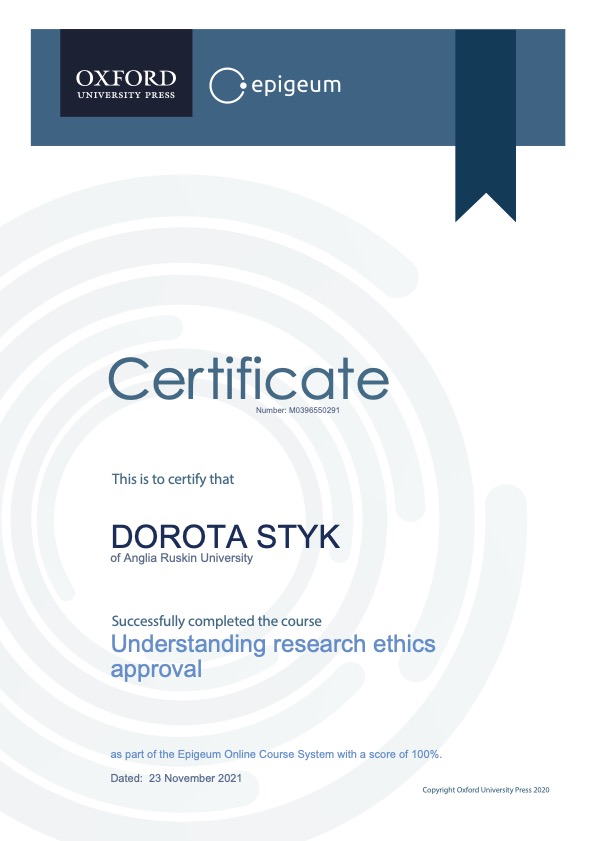
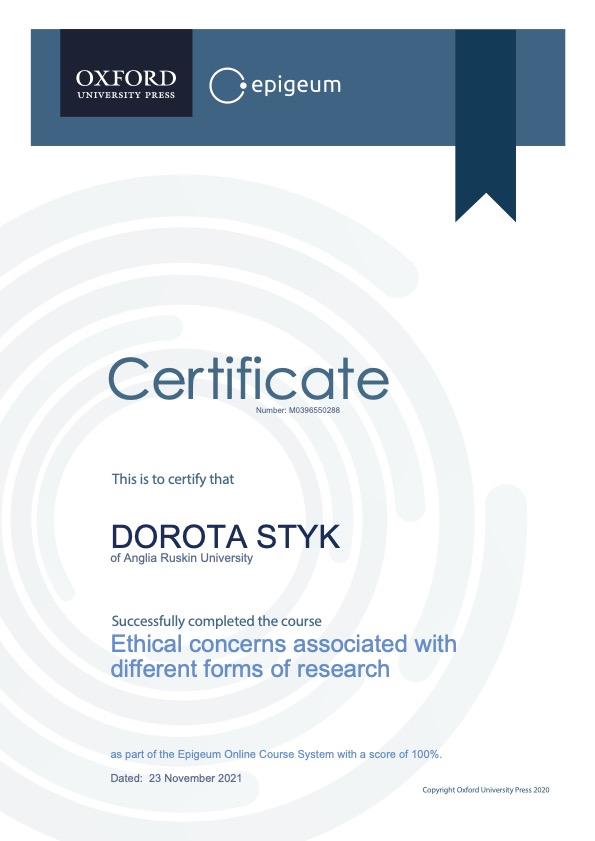
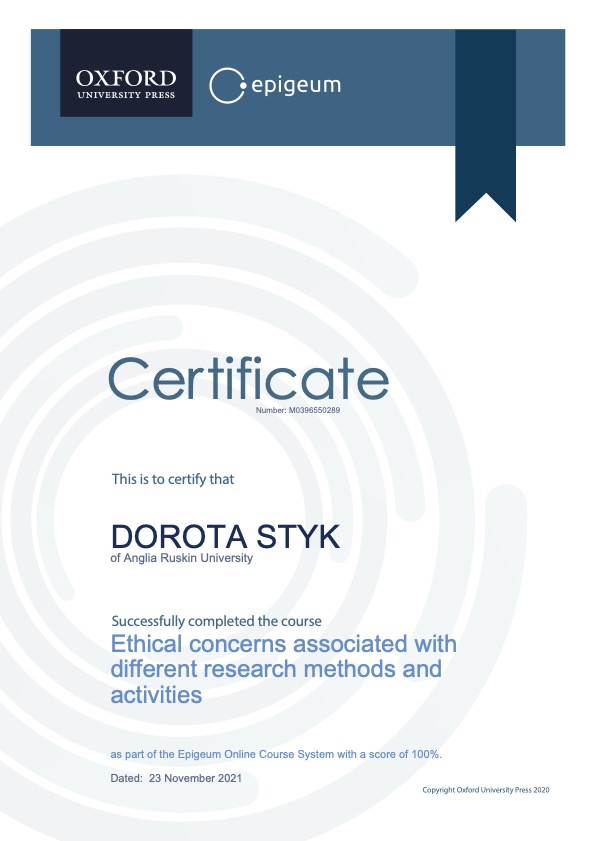
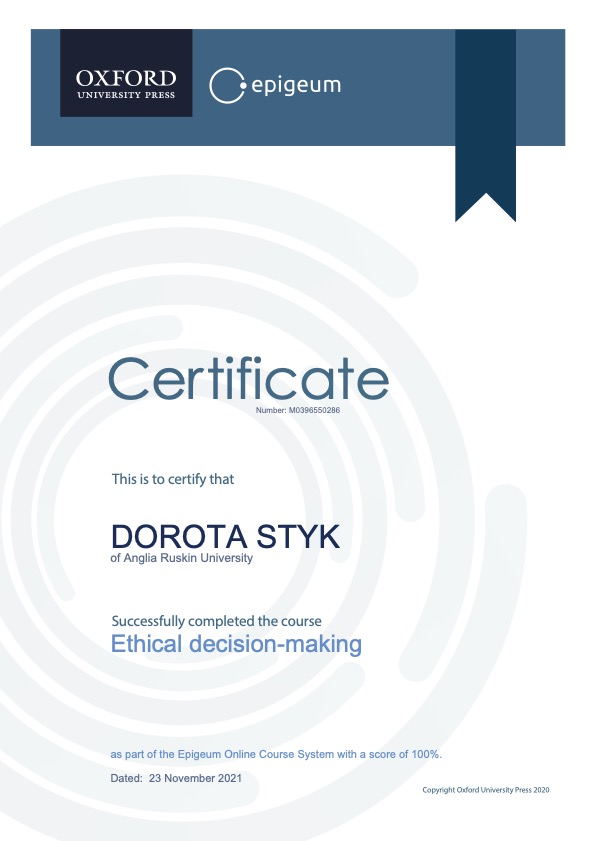
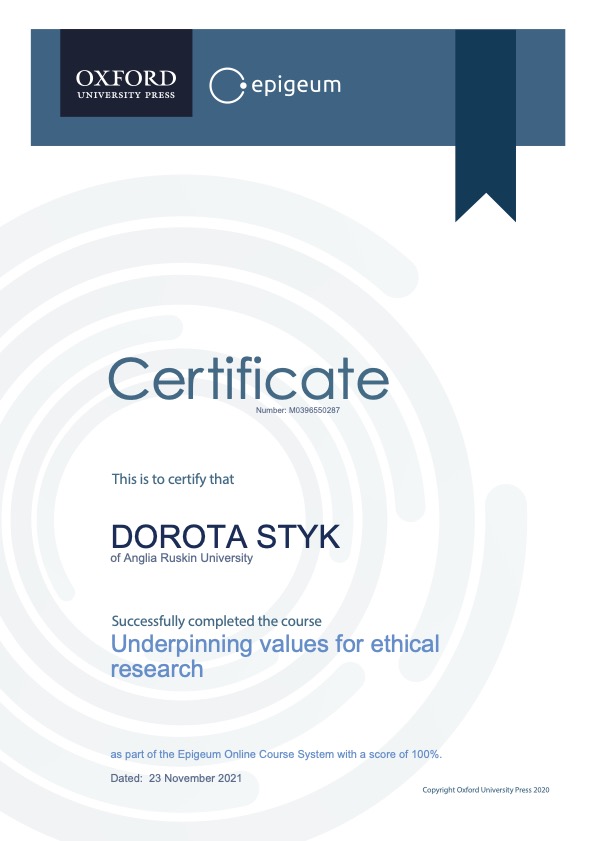
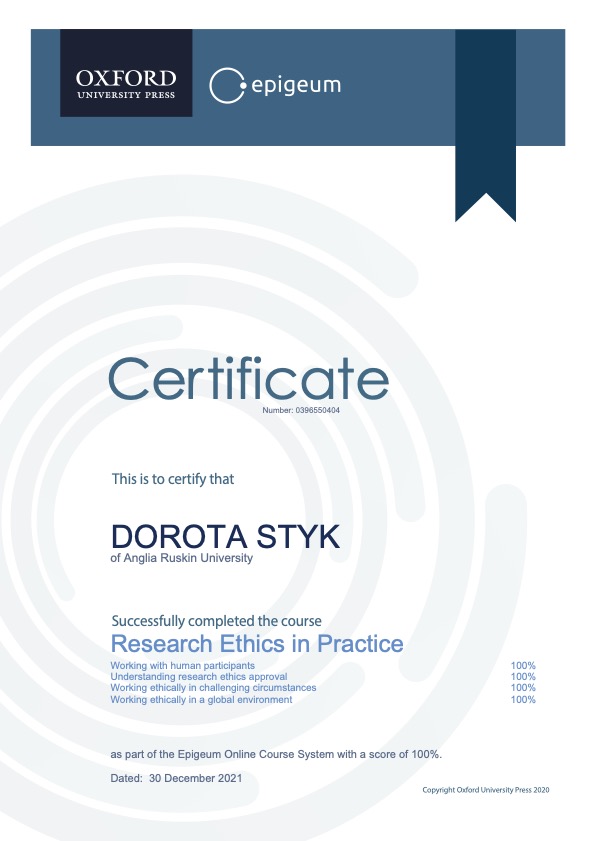
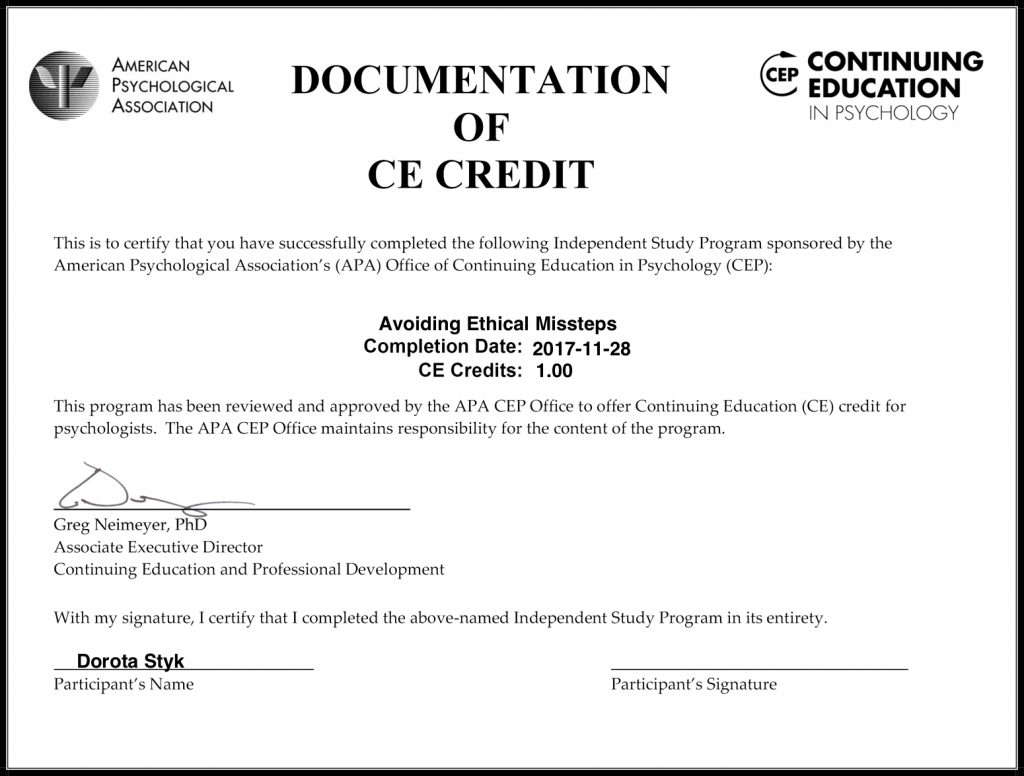
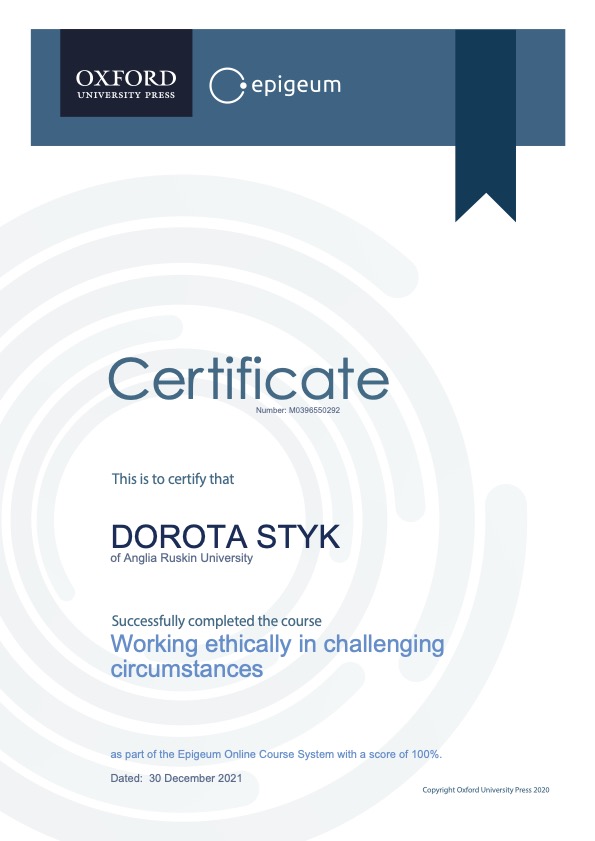
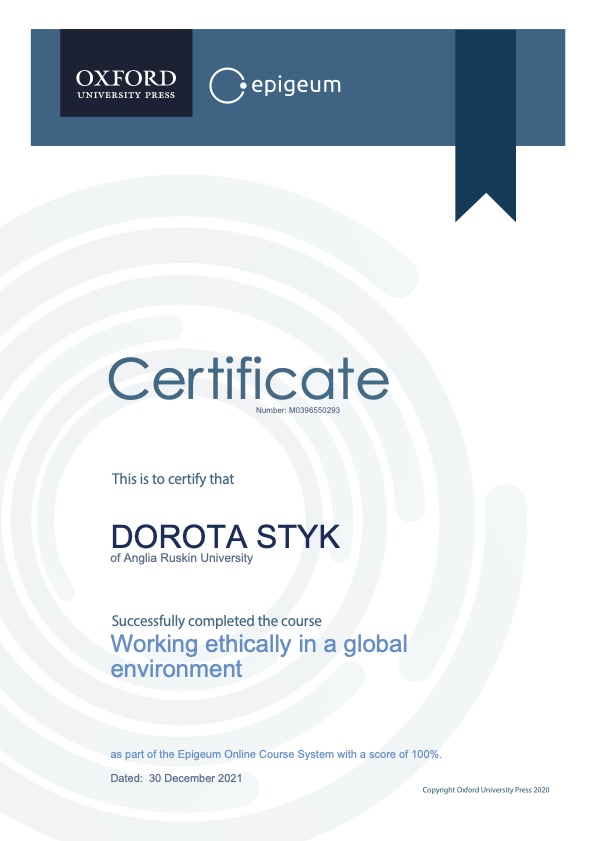
Ethical practice
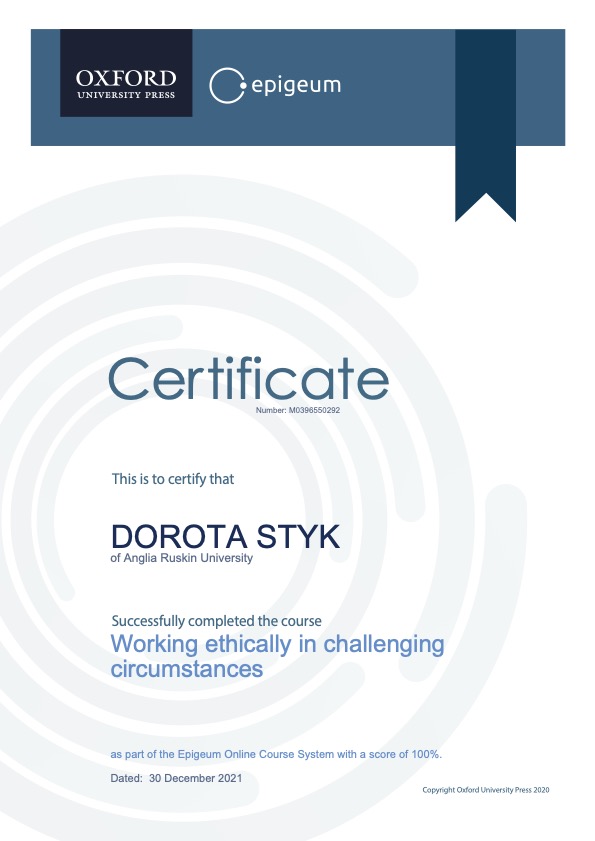
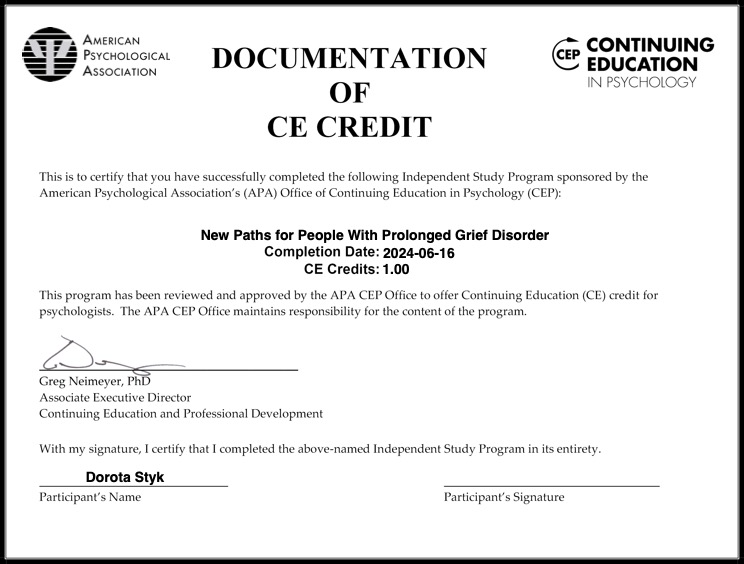
Grief
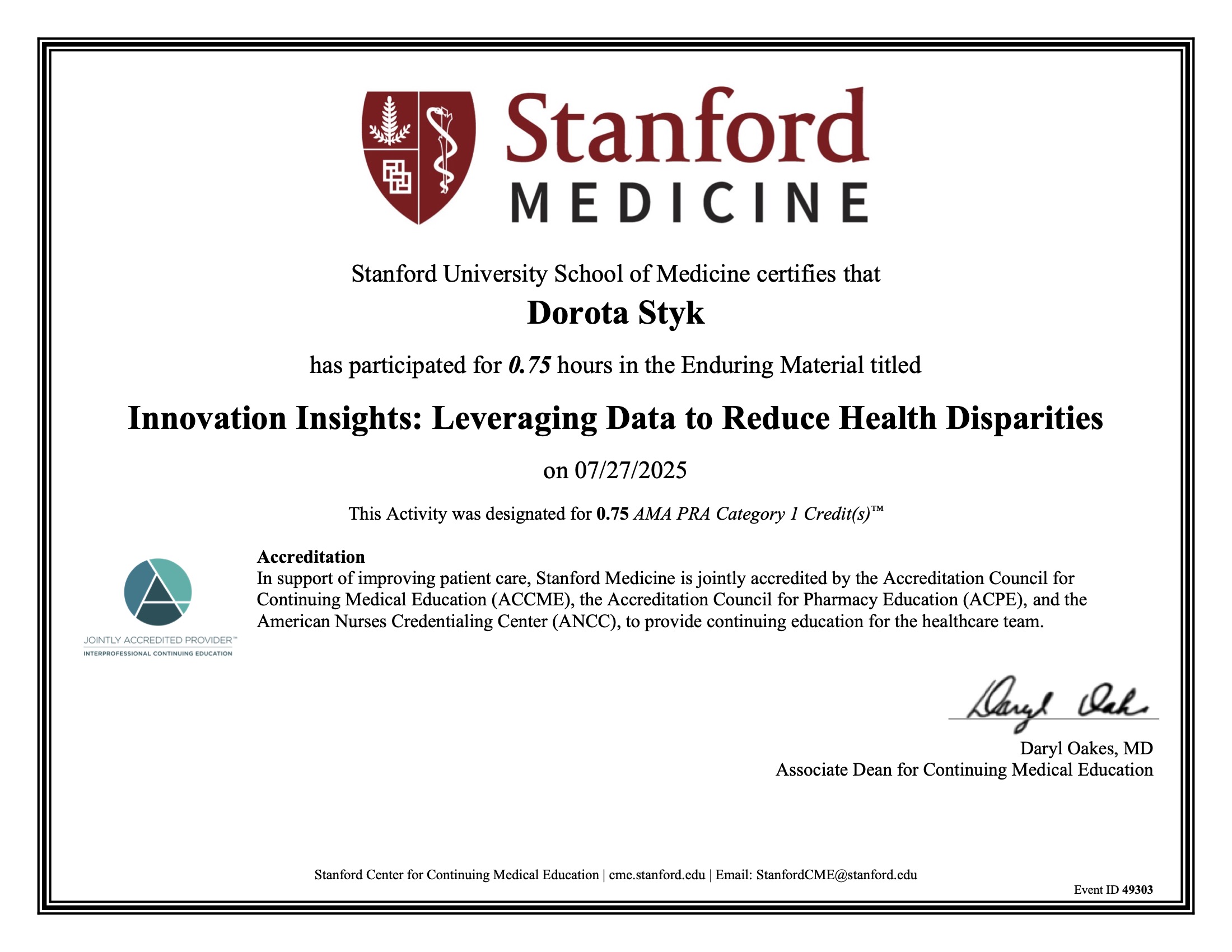
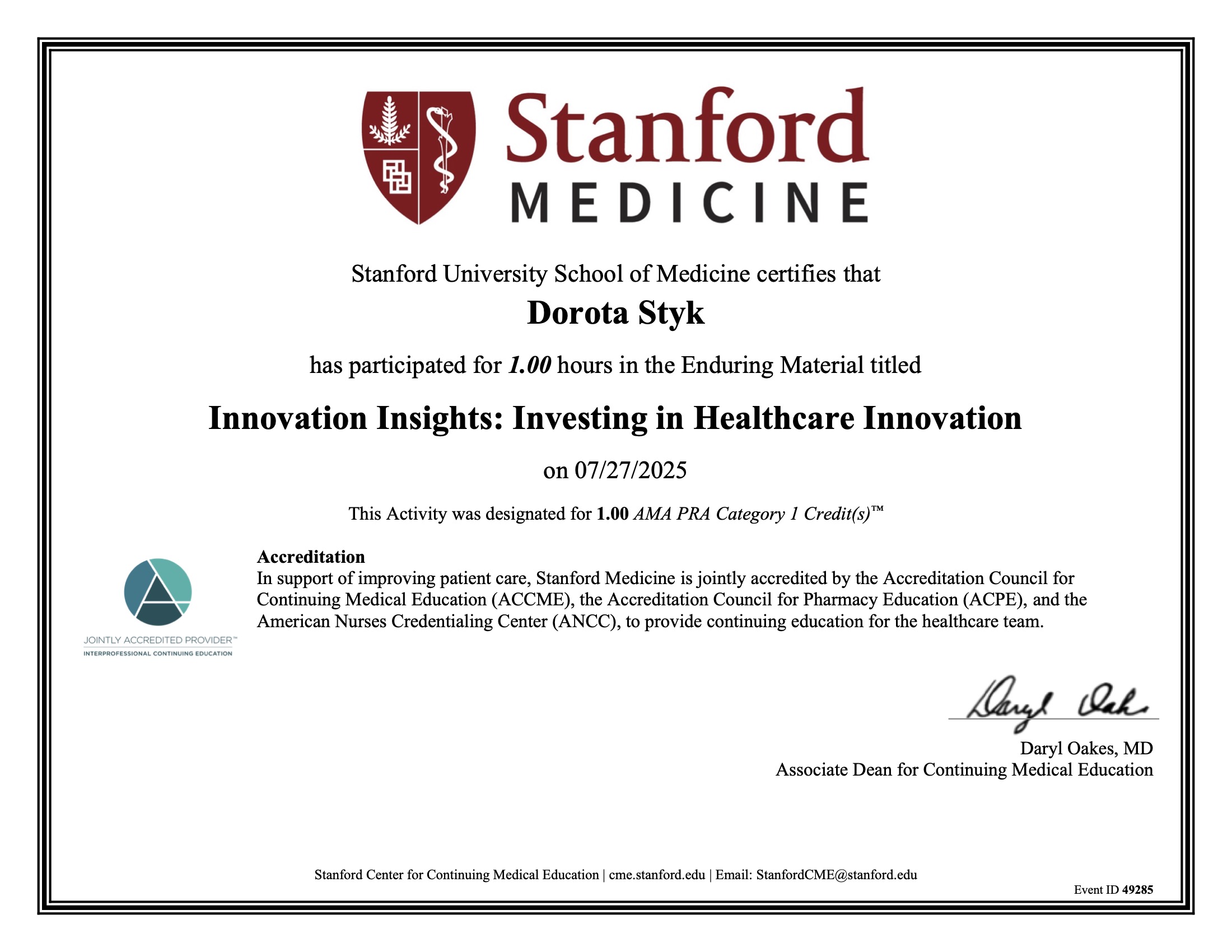
Innovation in Health Care
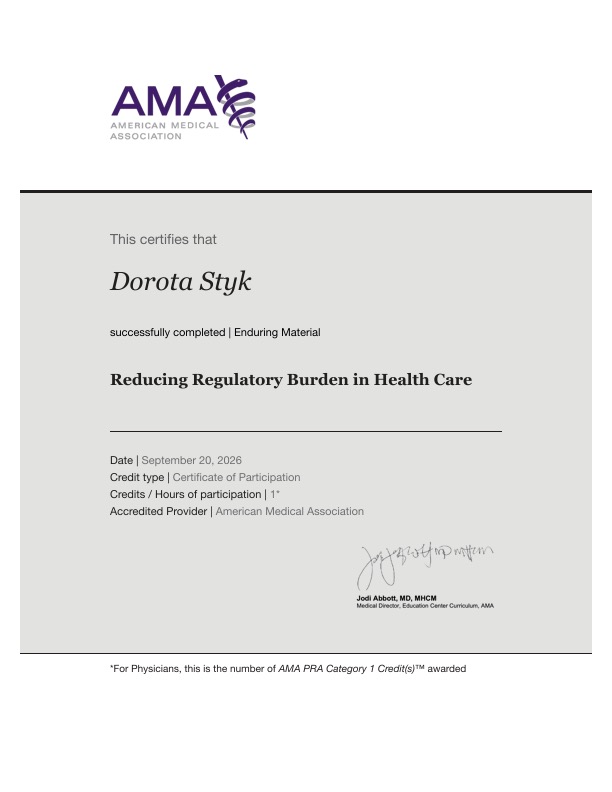


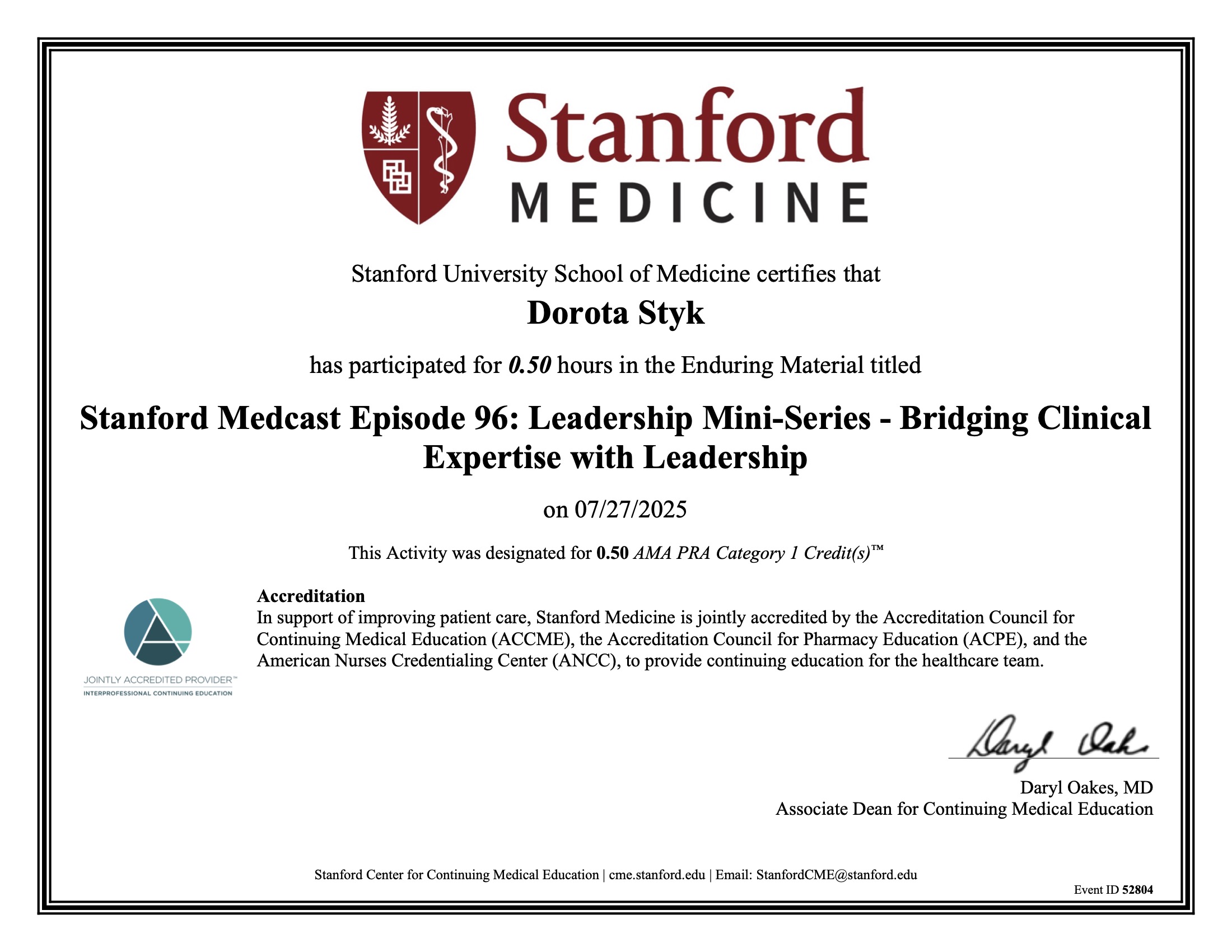
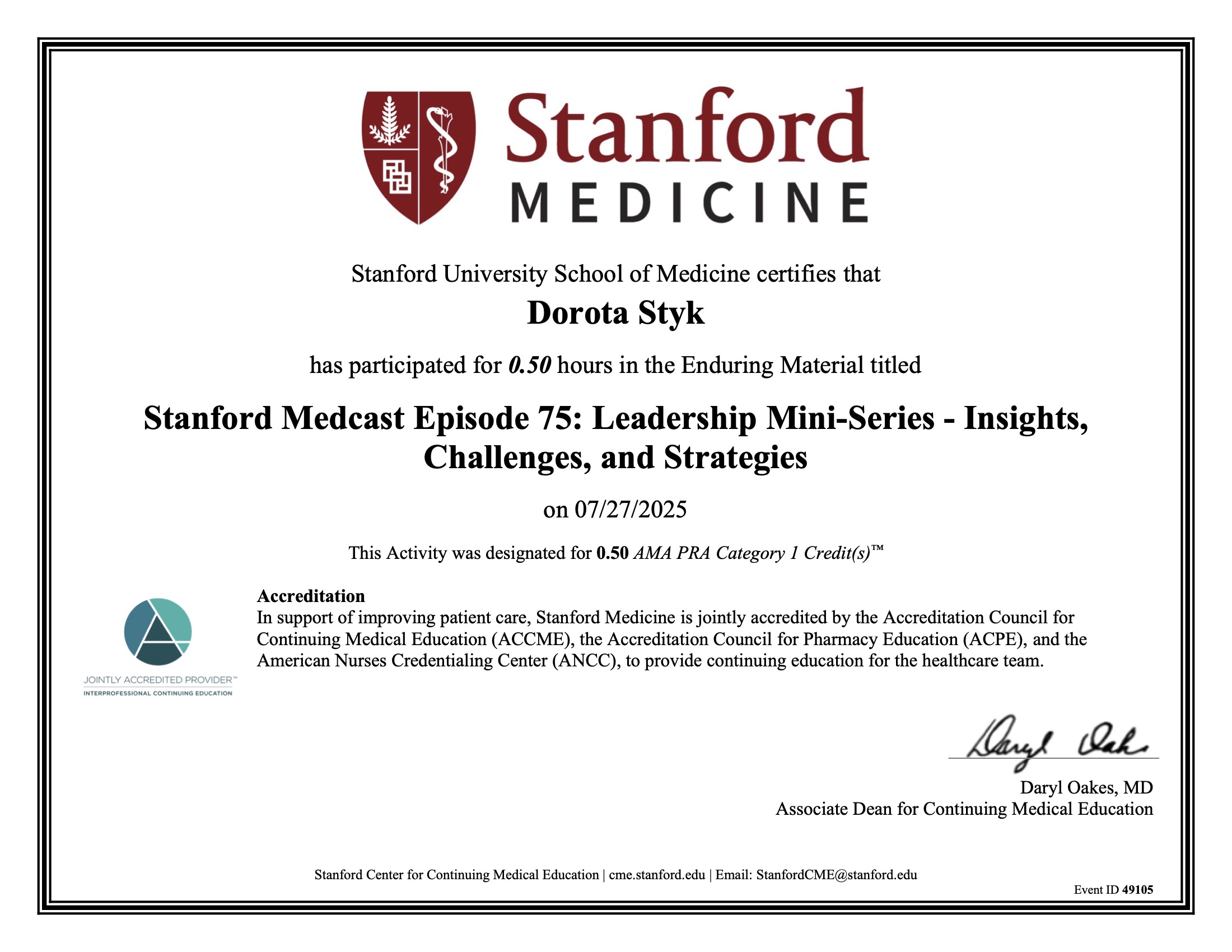
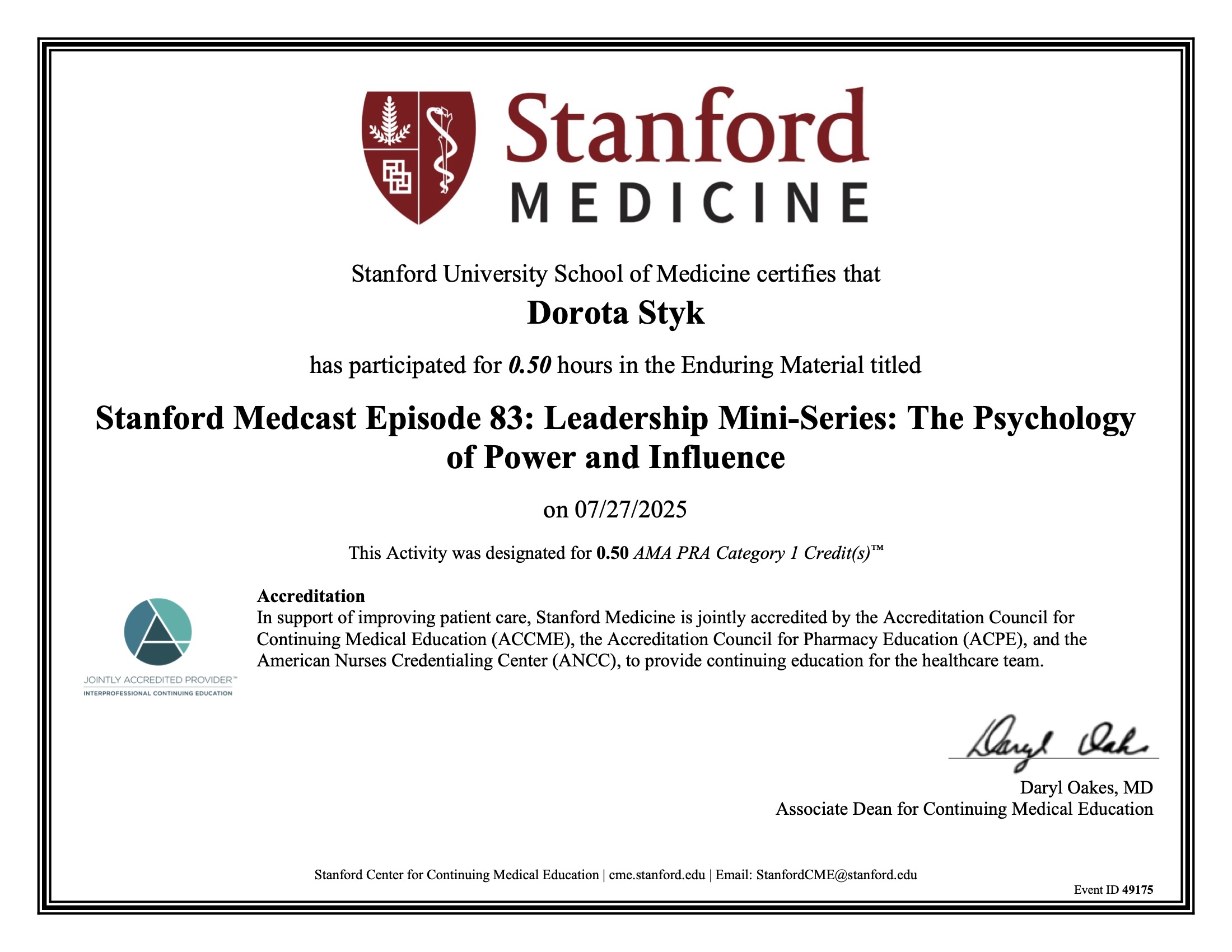
Leadership in Mental Health field


LGBTQ
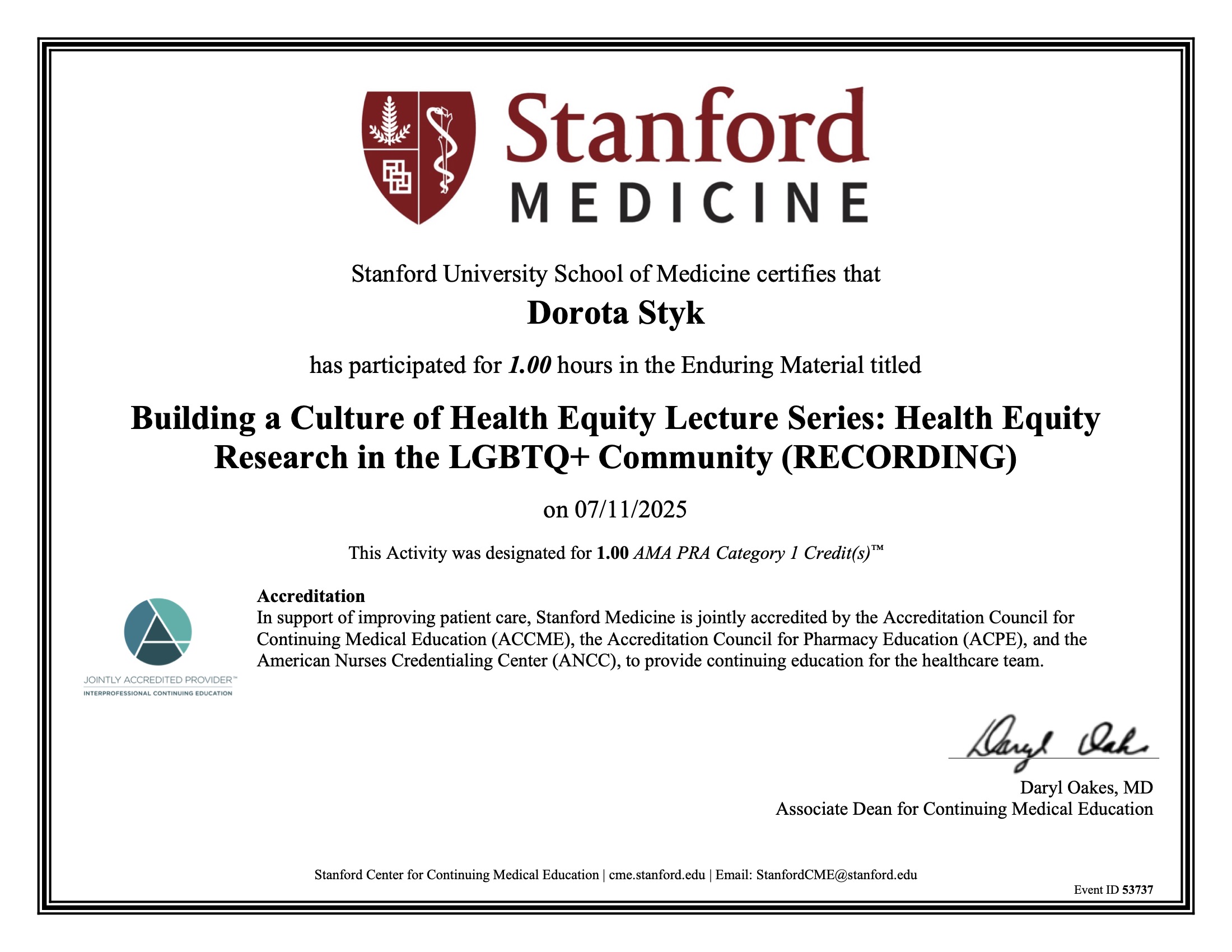
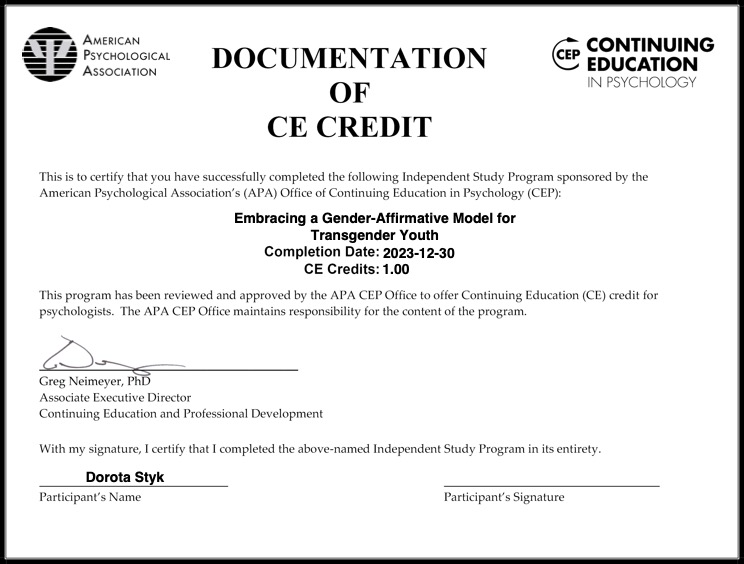


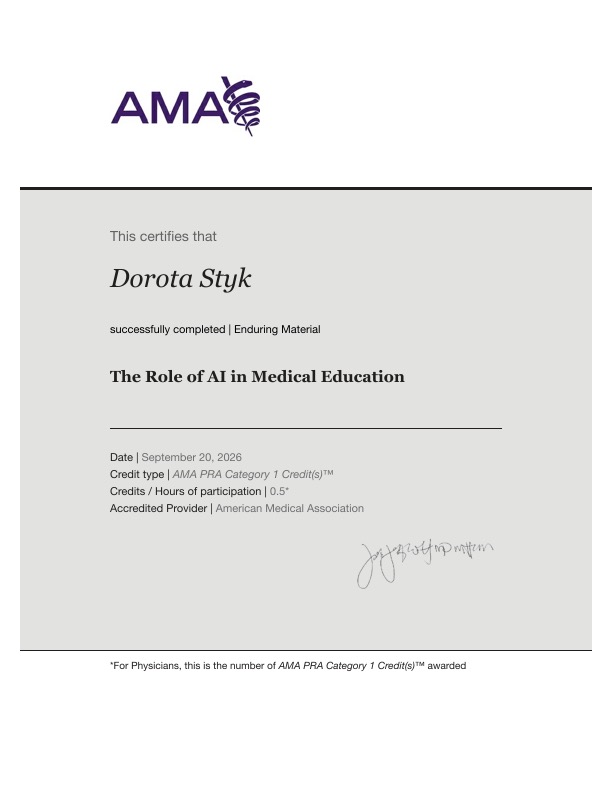
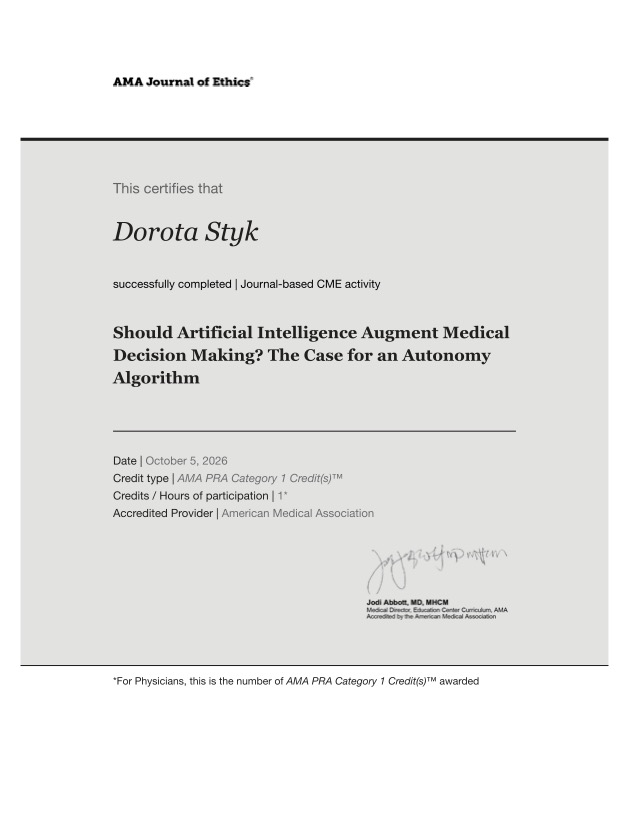
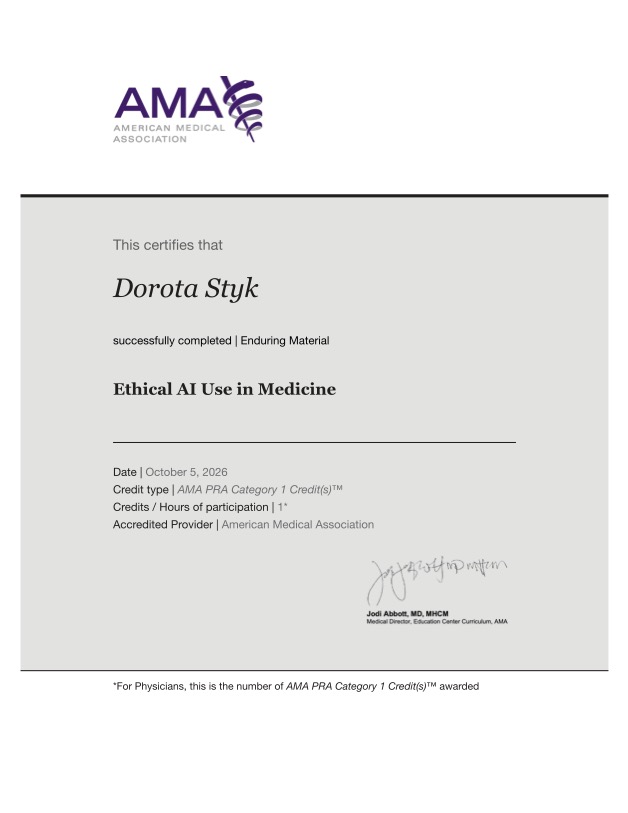
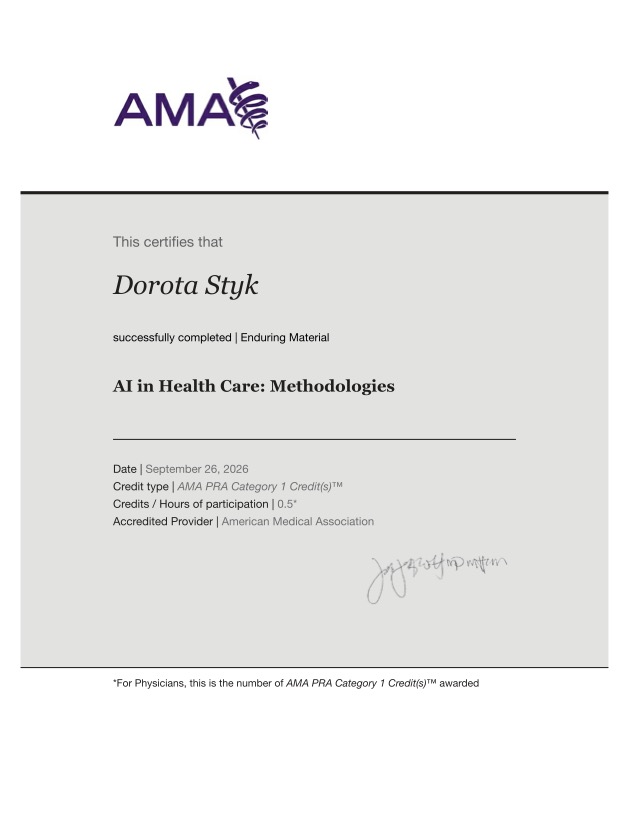
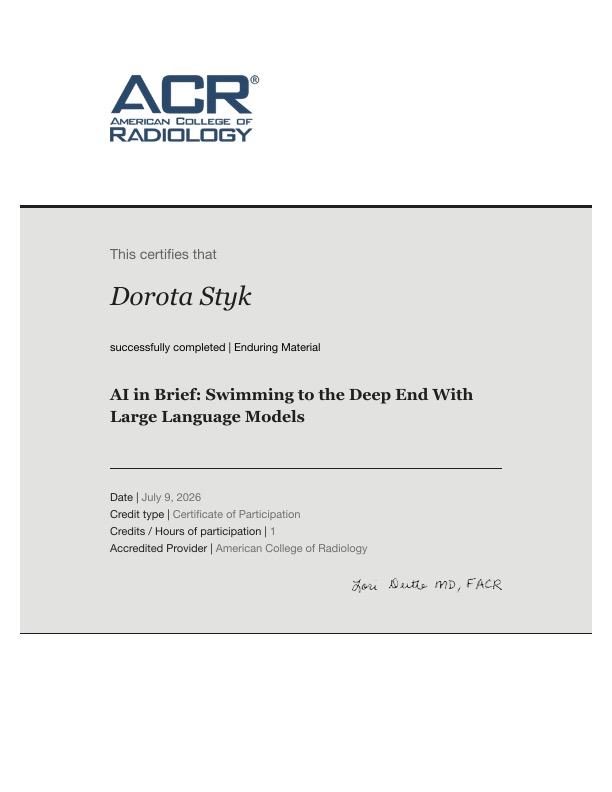
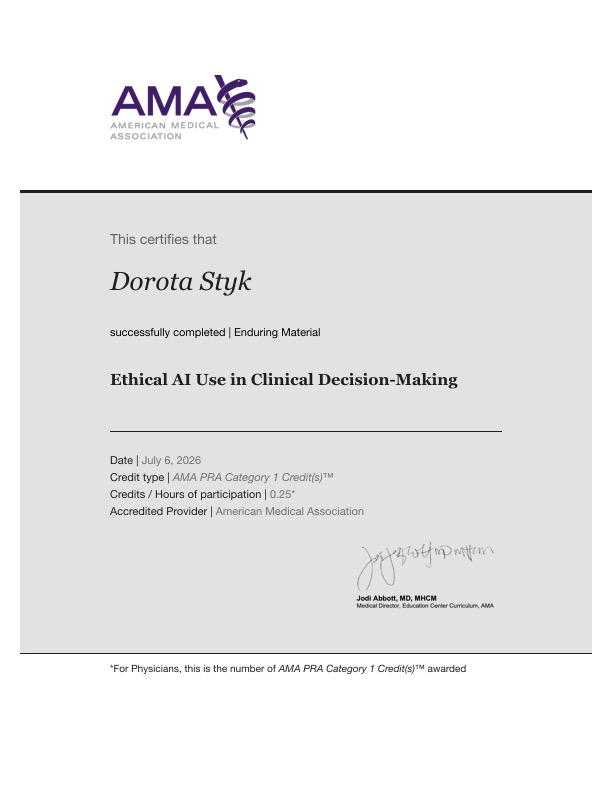
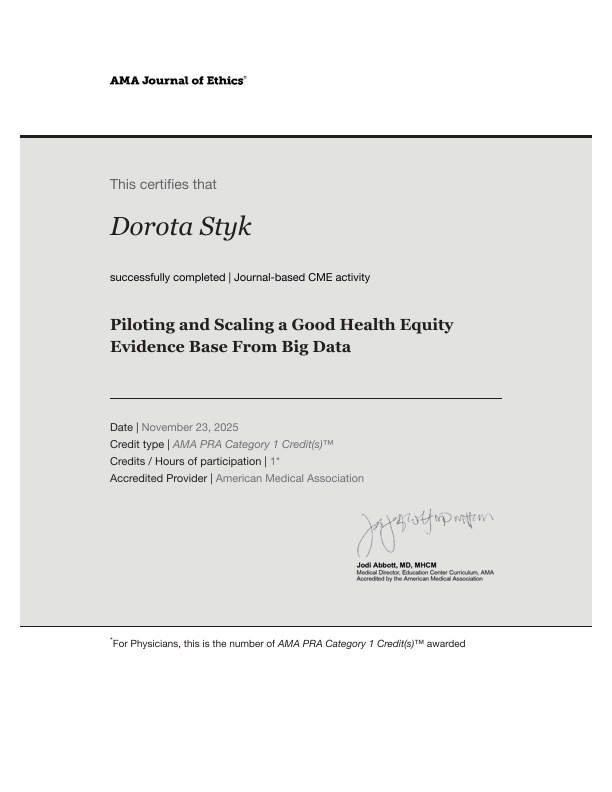
Machine Learning, AI, Deep Learning in Neurocognitive Research and Clinical Practice


Mental well-being


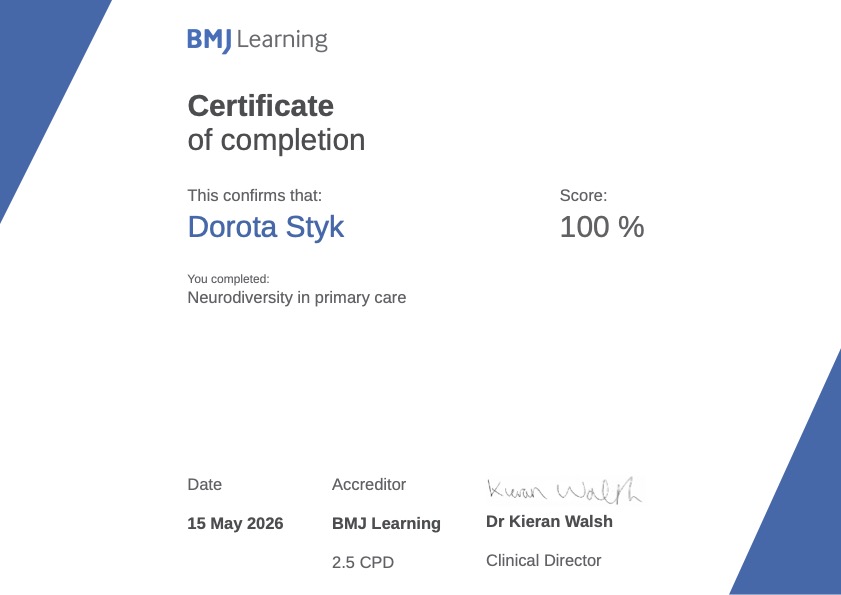
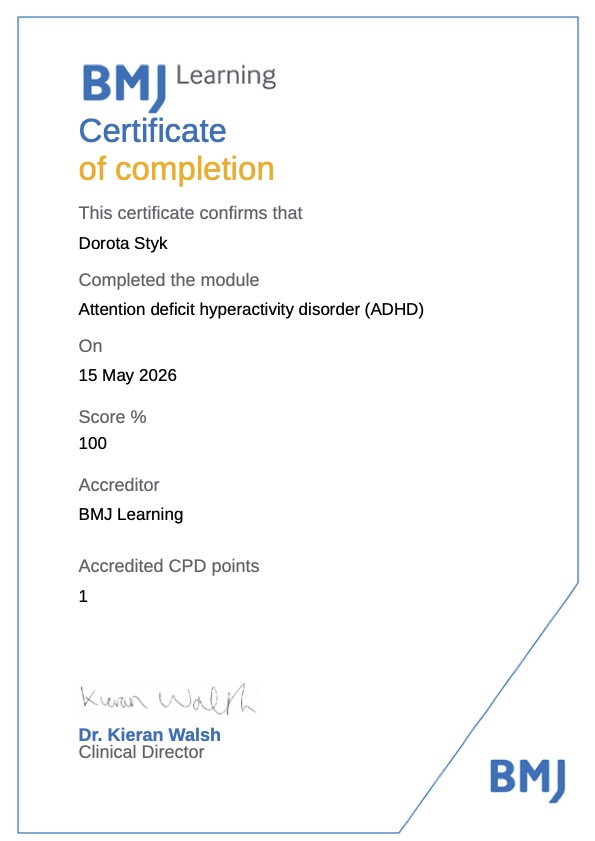
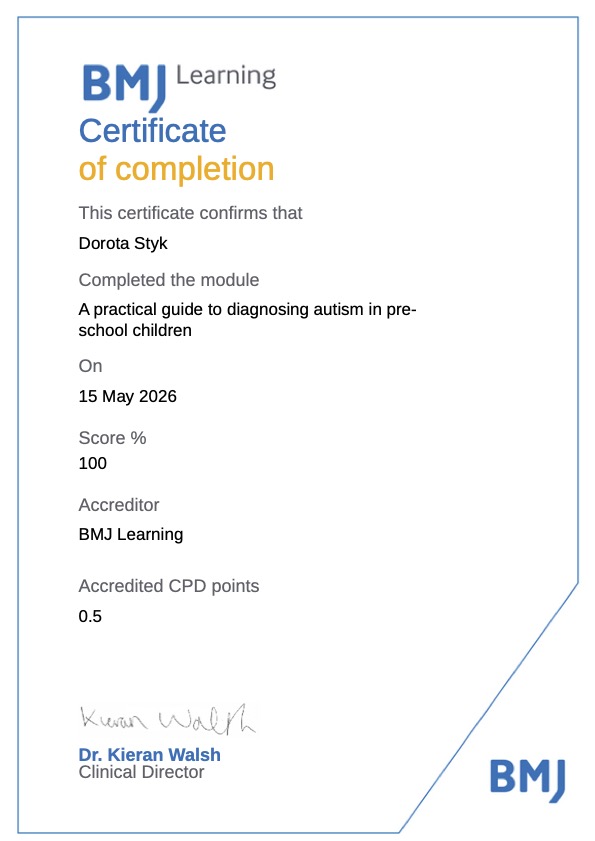
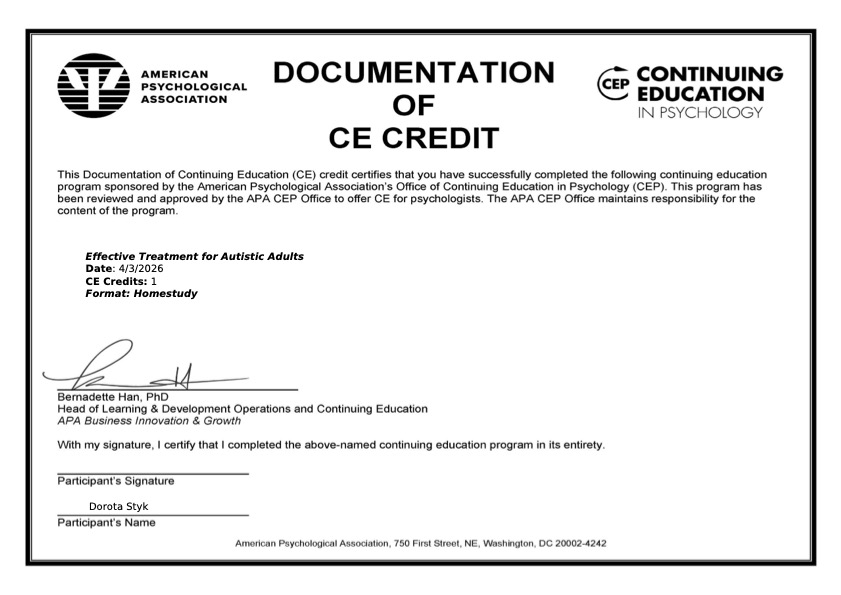
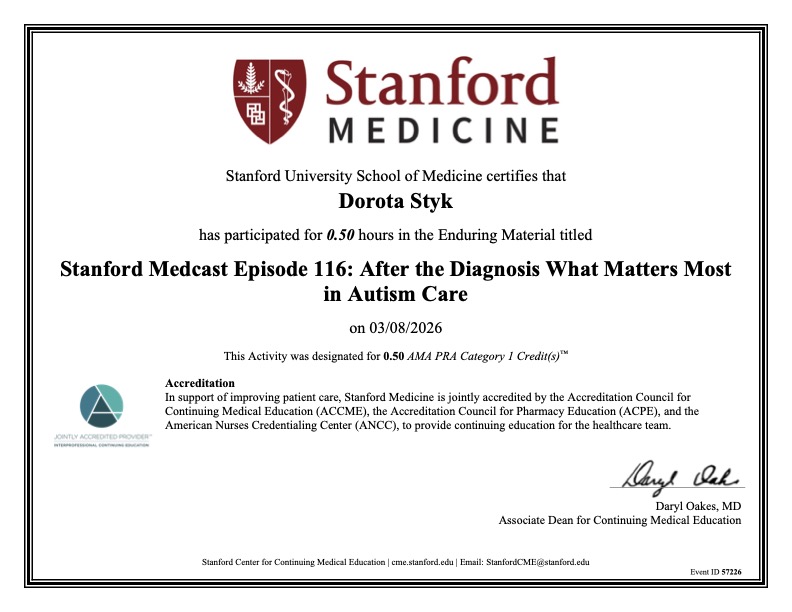
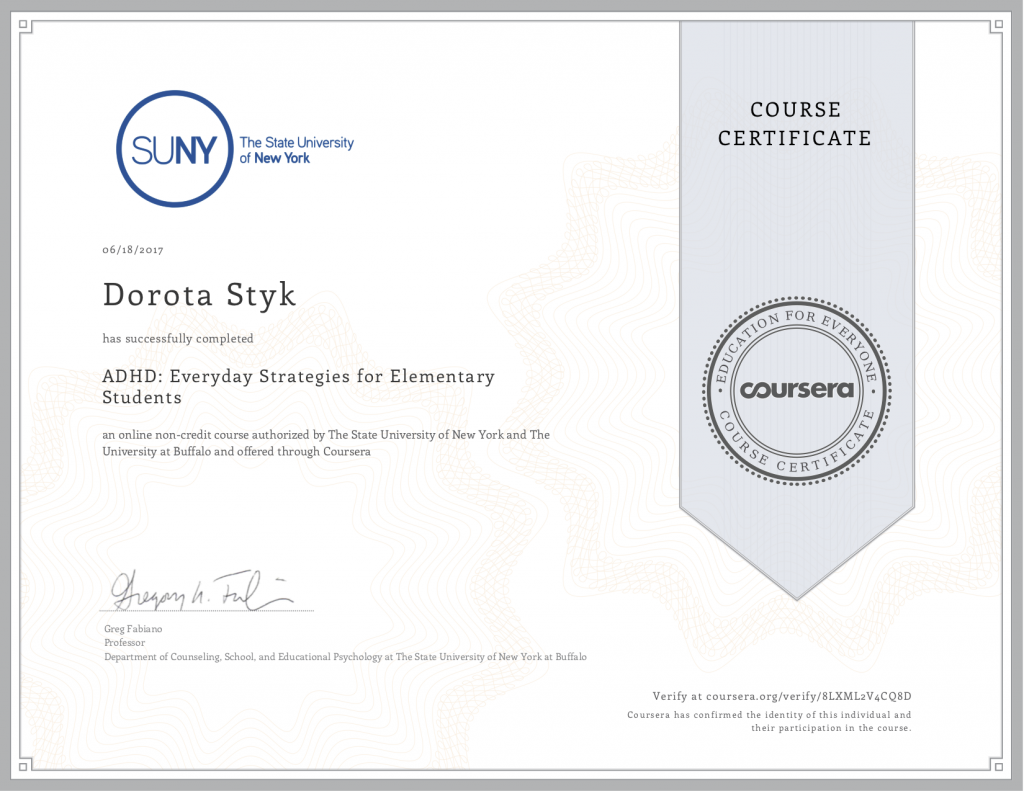
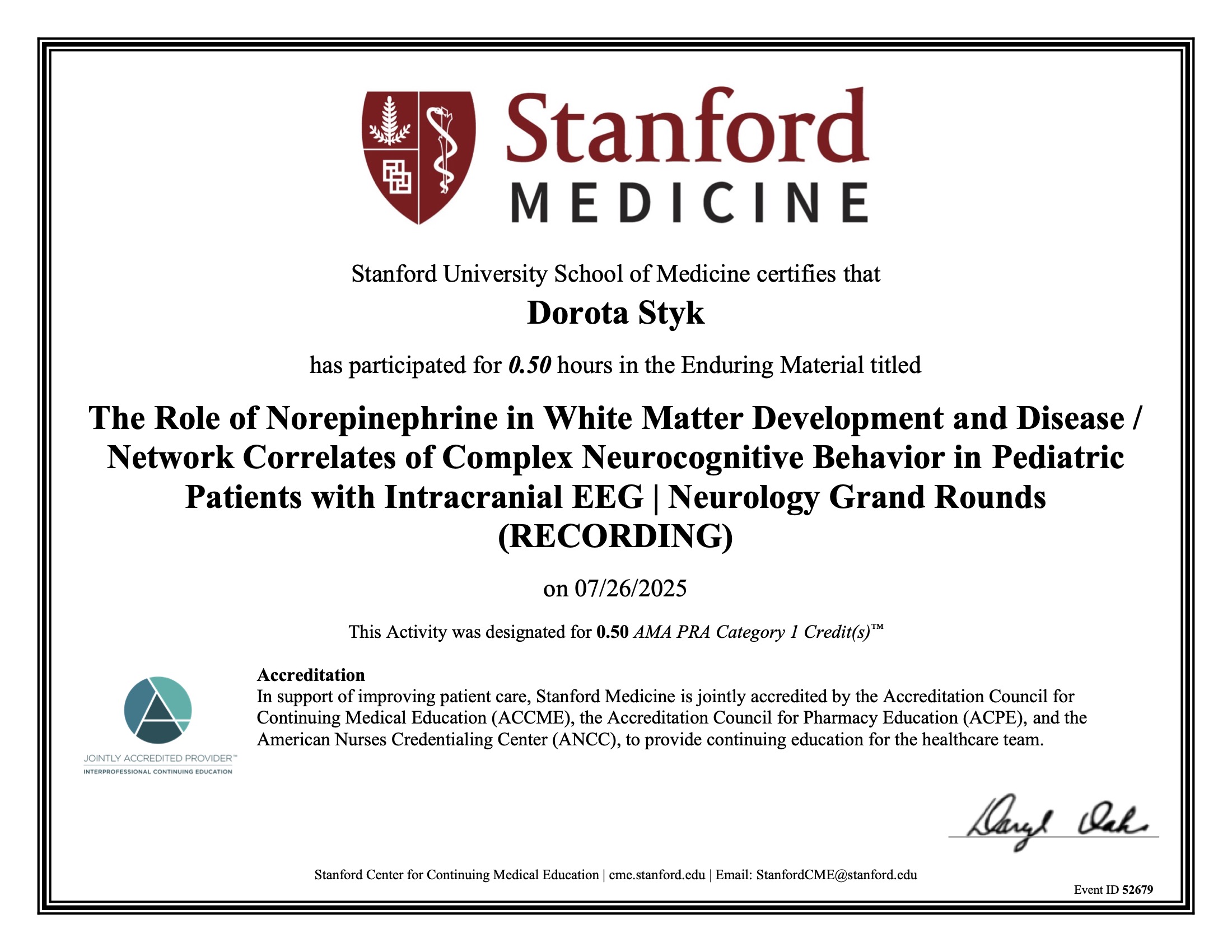
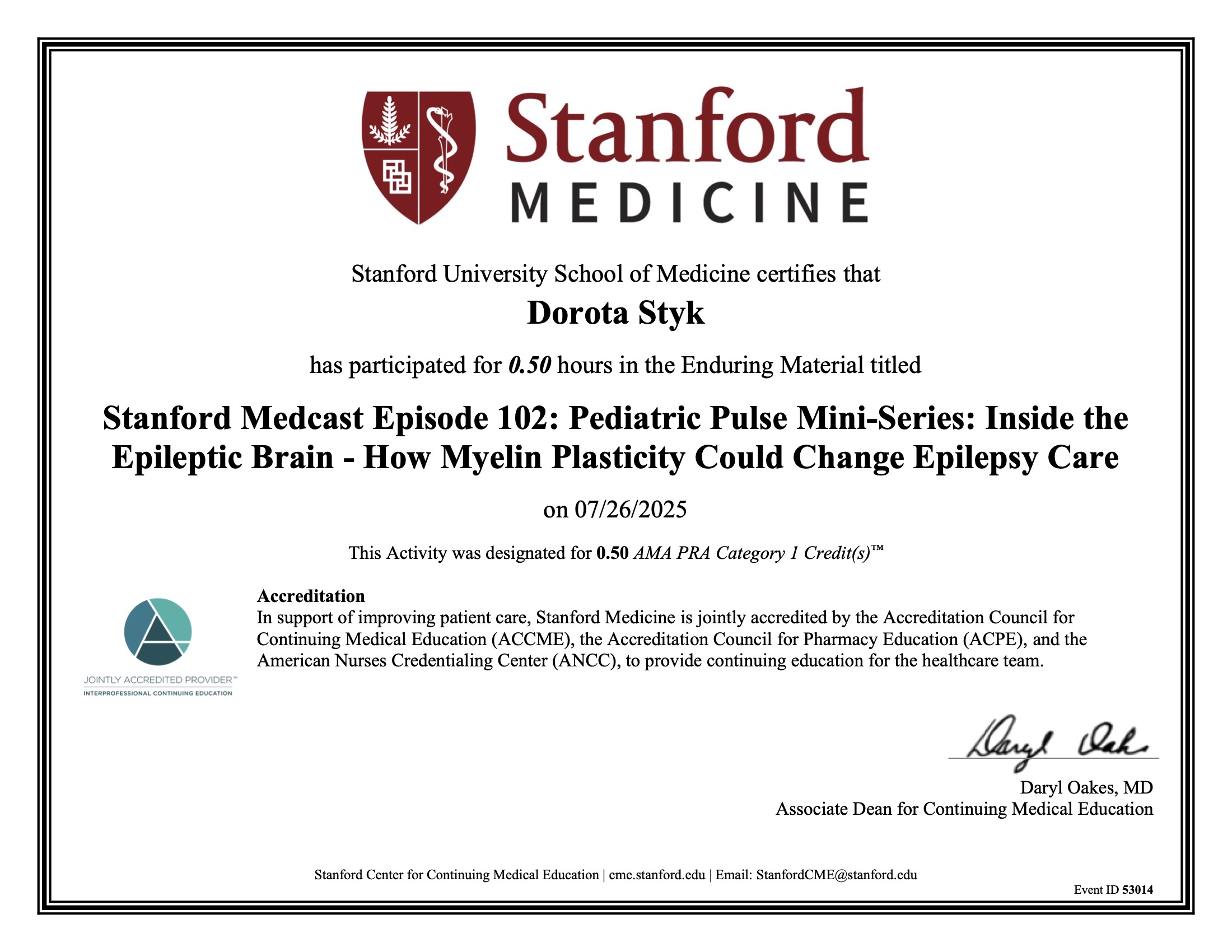
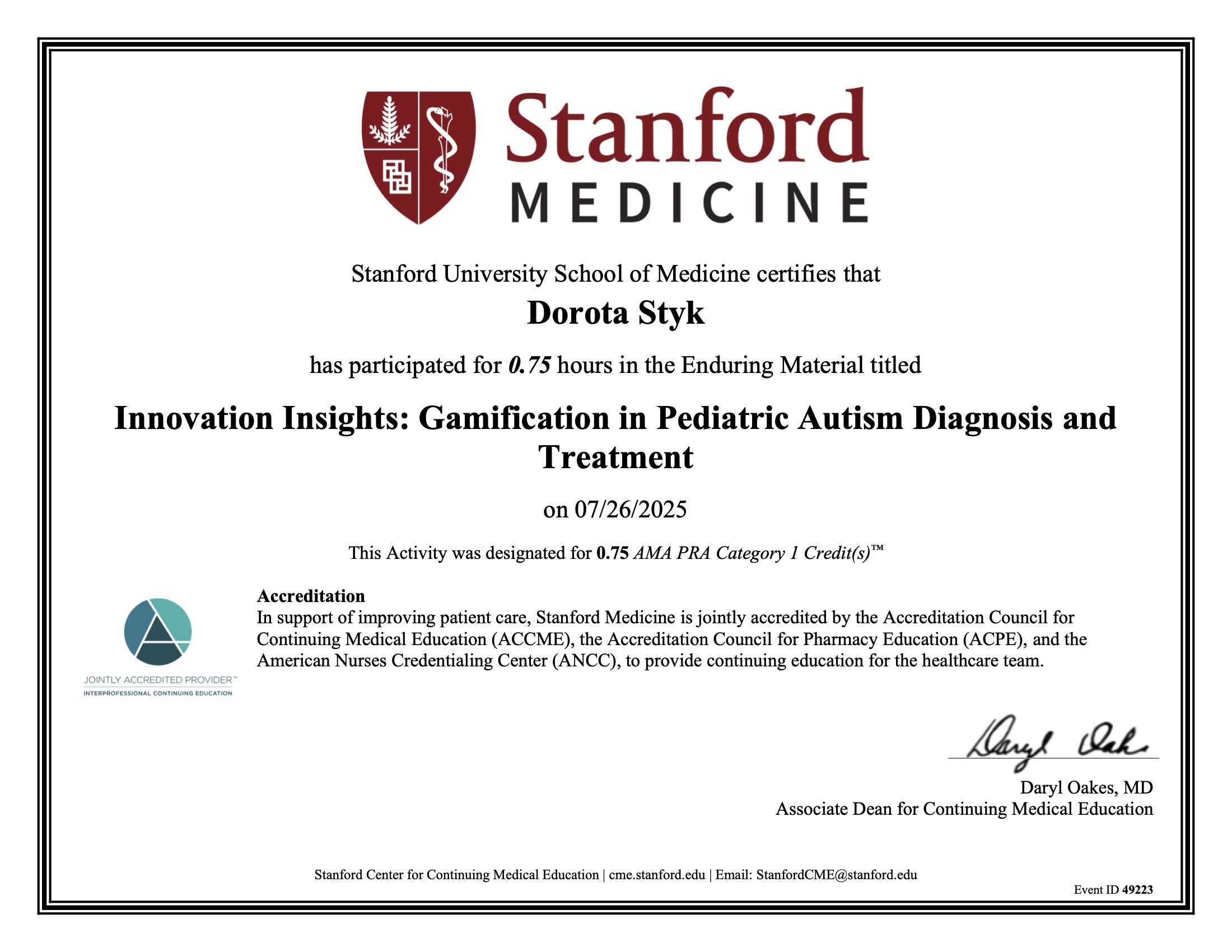
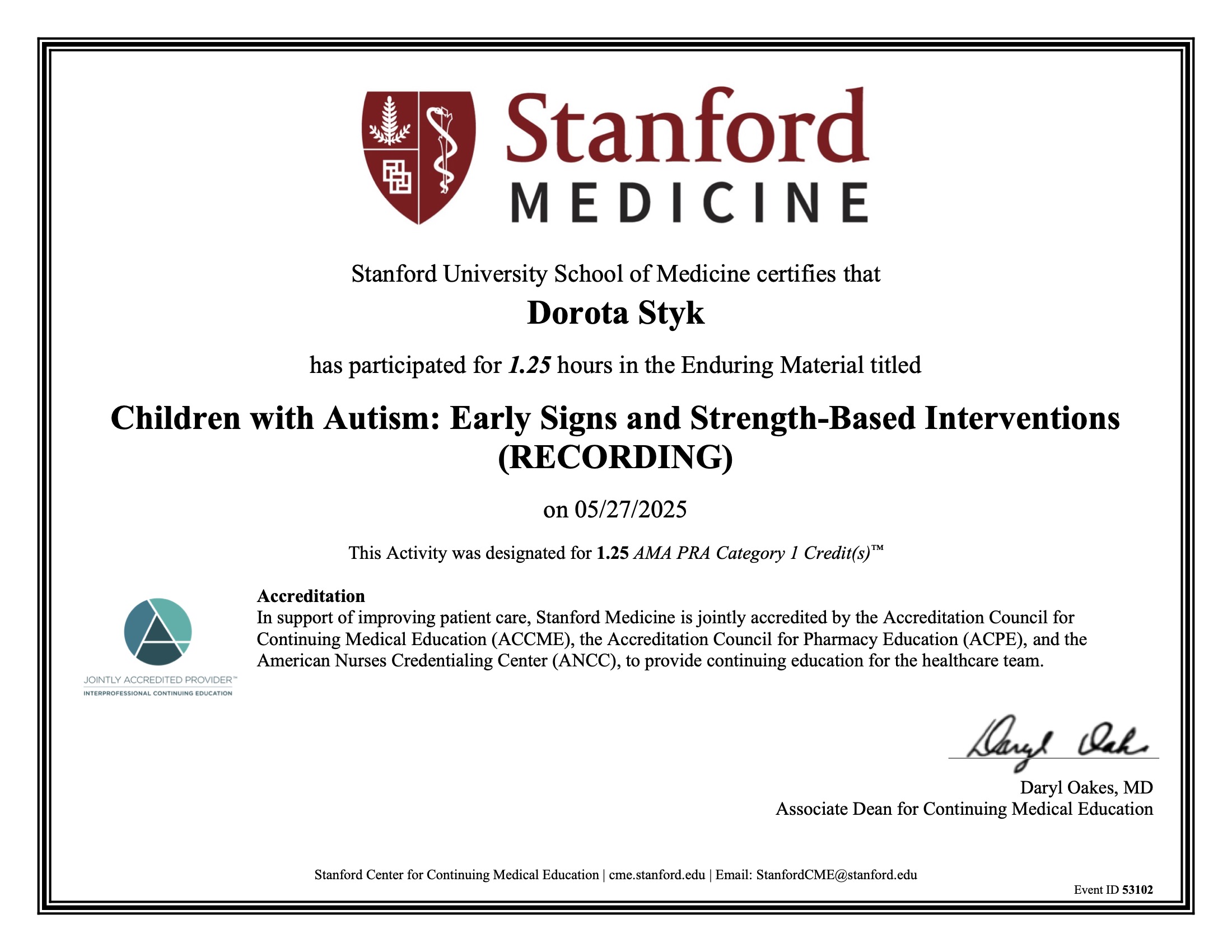
Neurodevelopmental disorders and Neurodiversity: Autism, ADHD
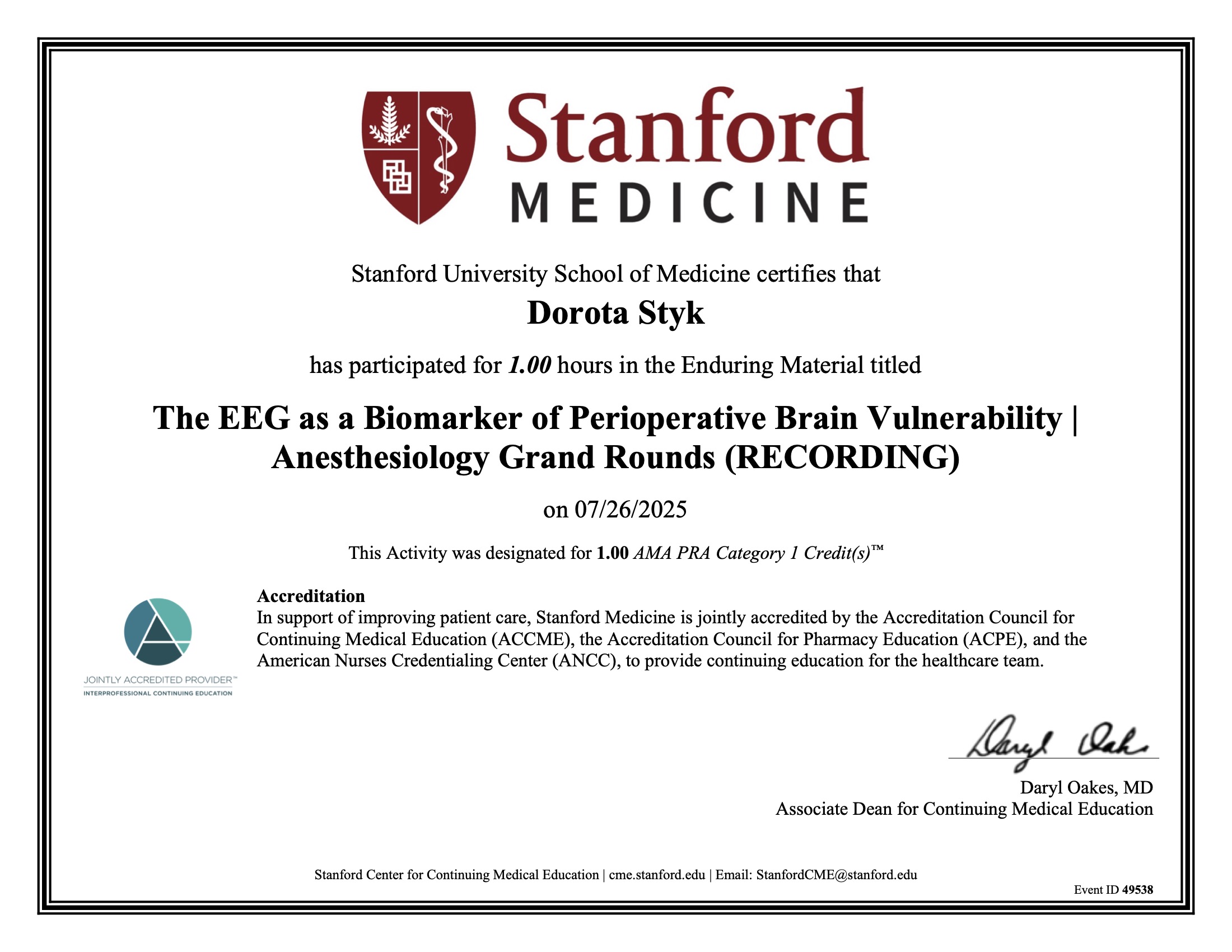
Neuroimaging
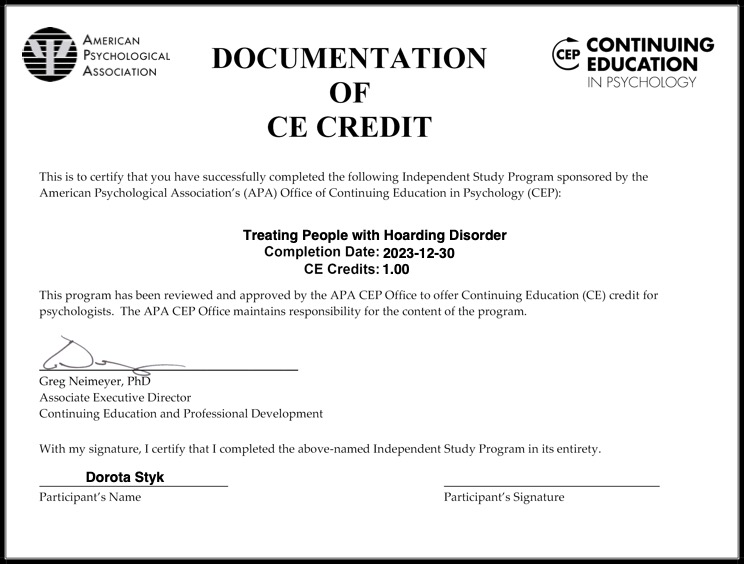
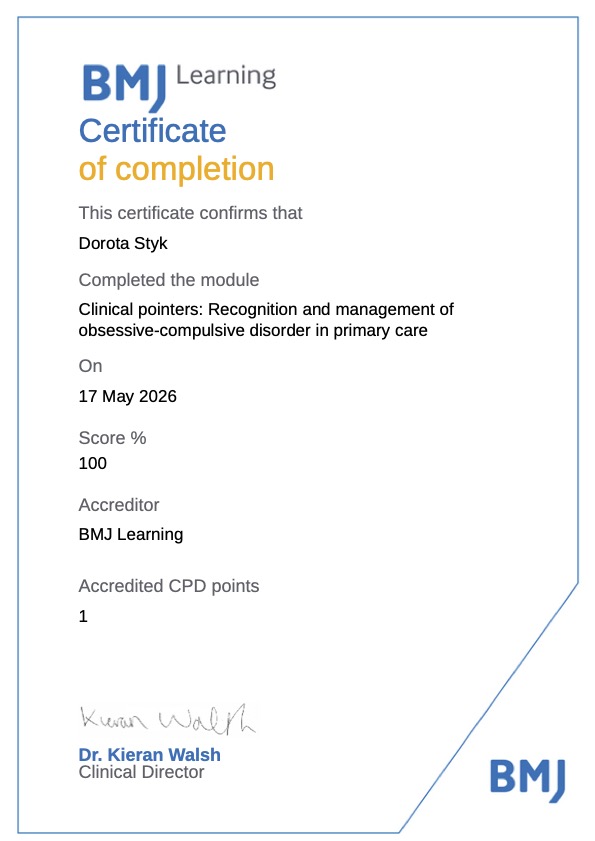
Obsessive Compulsive and related disorder
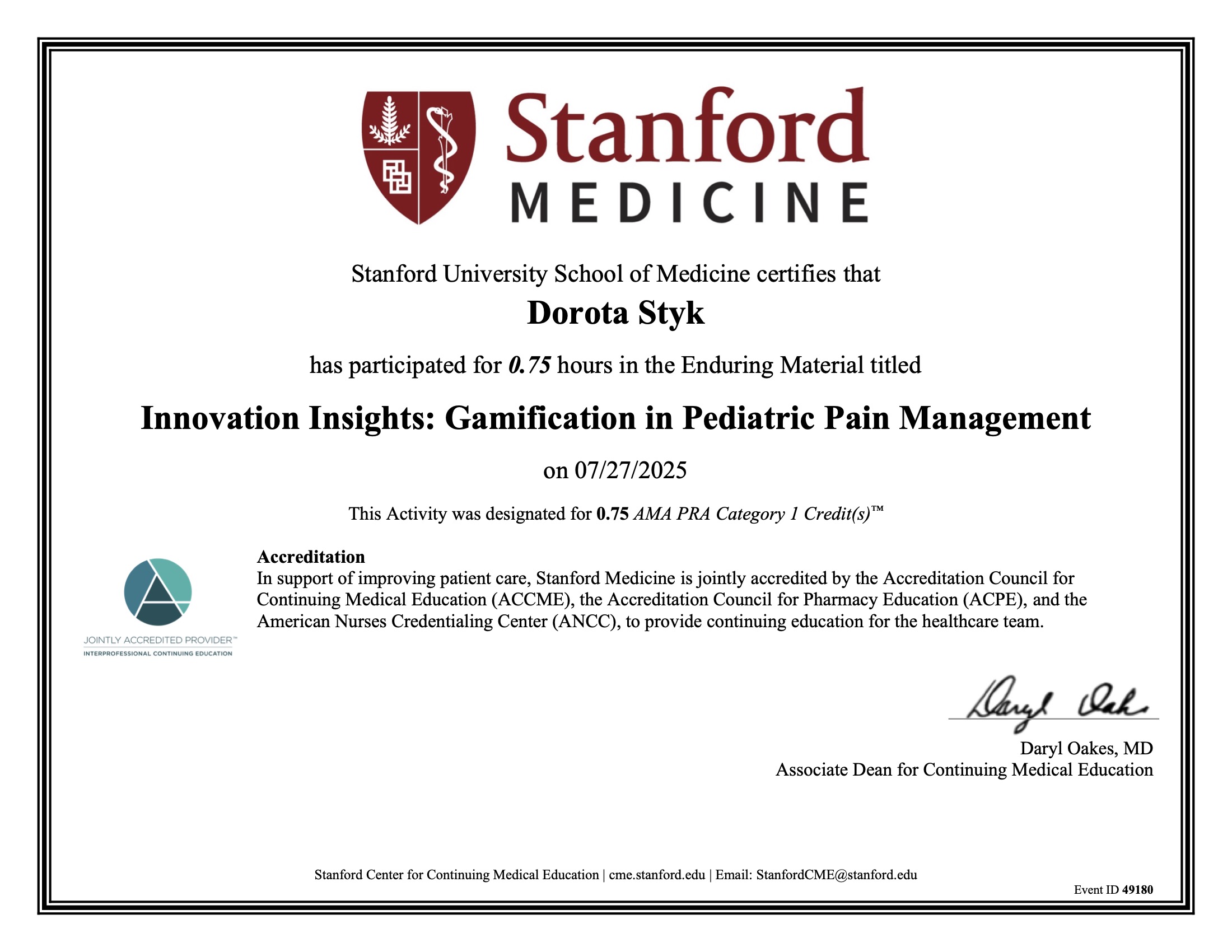
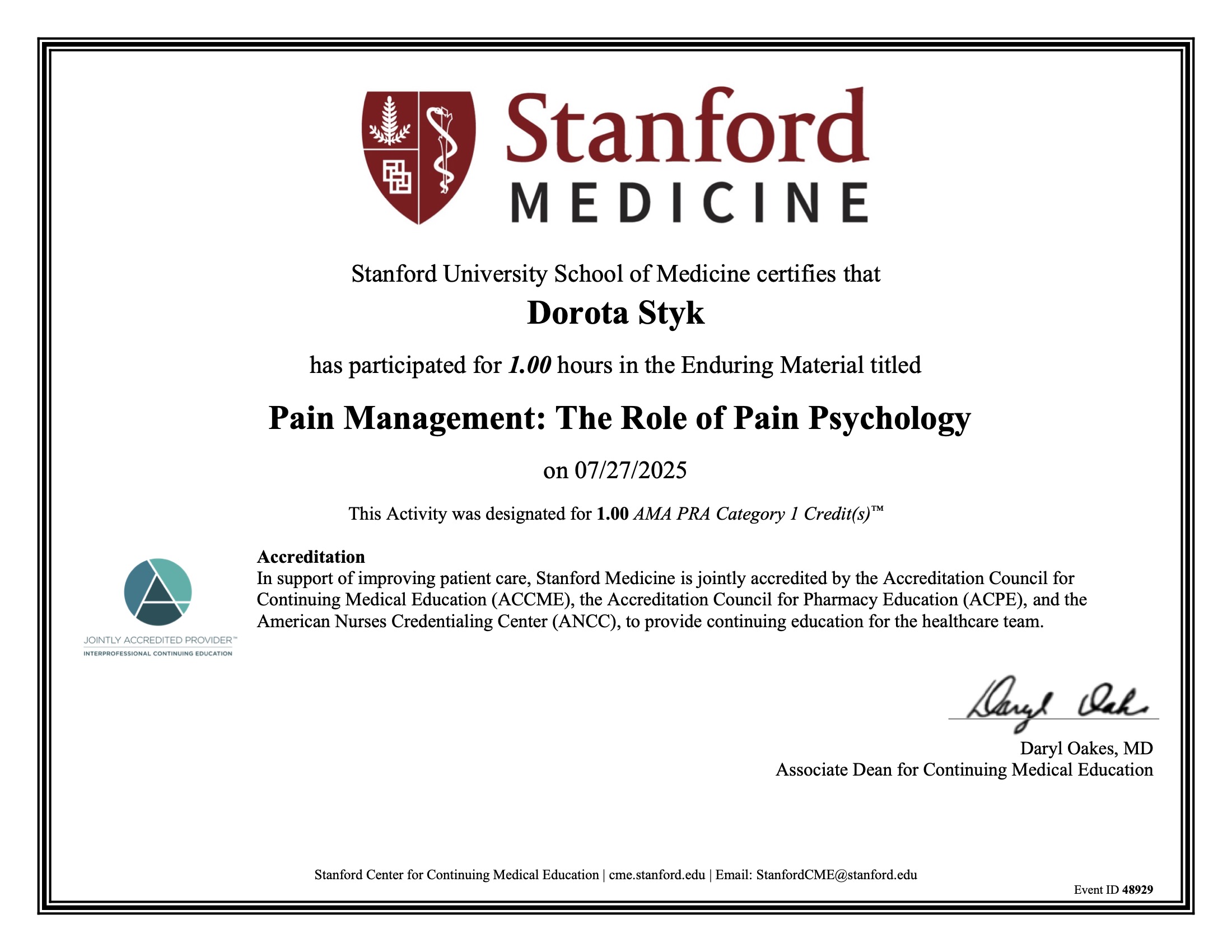
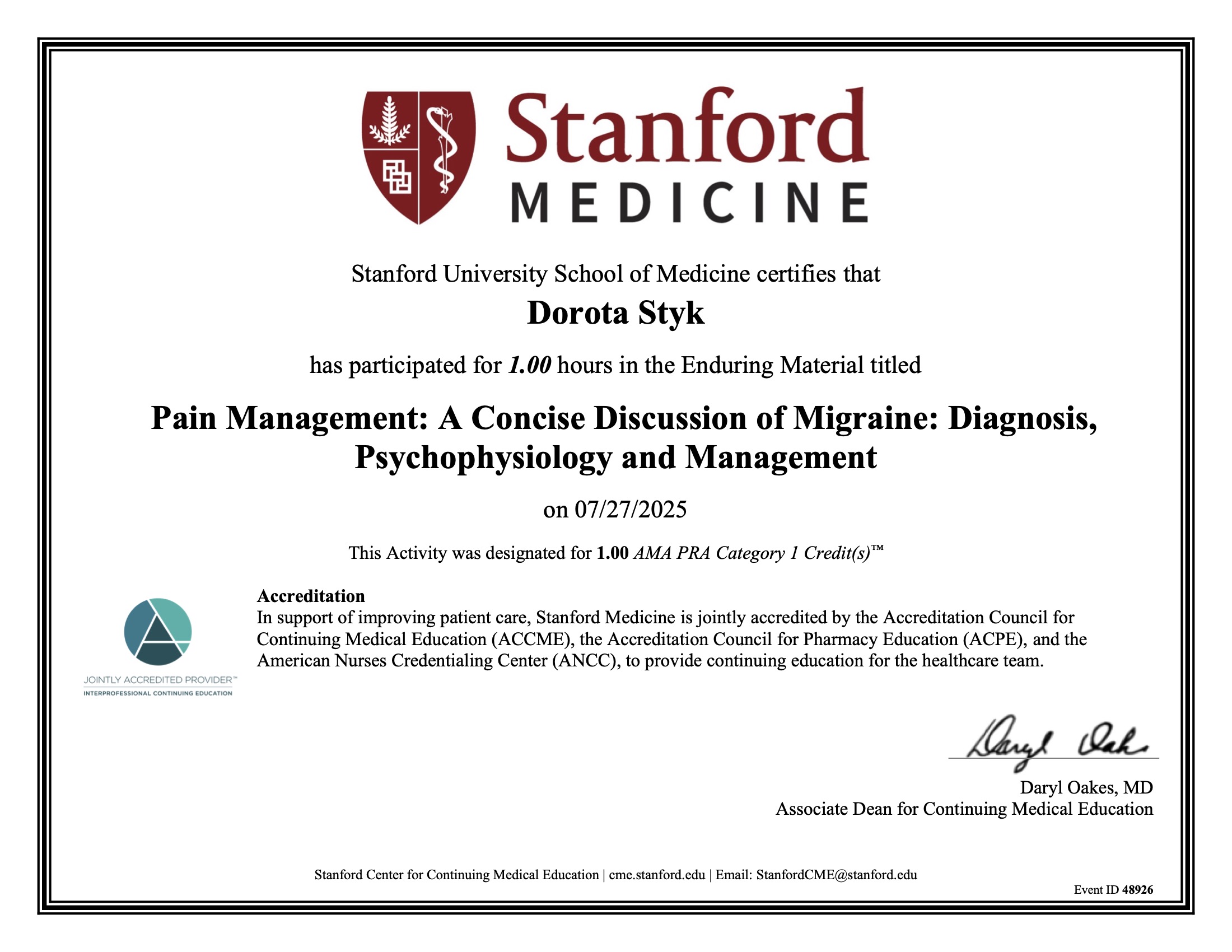
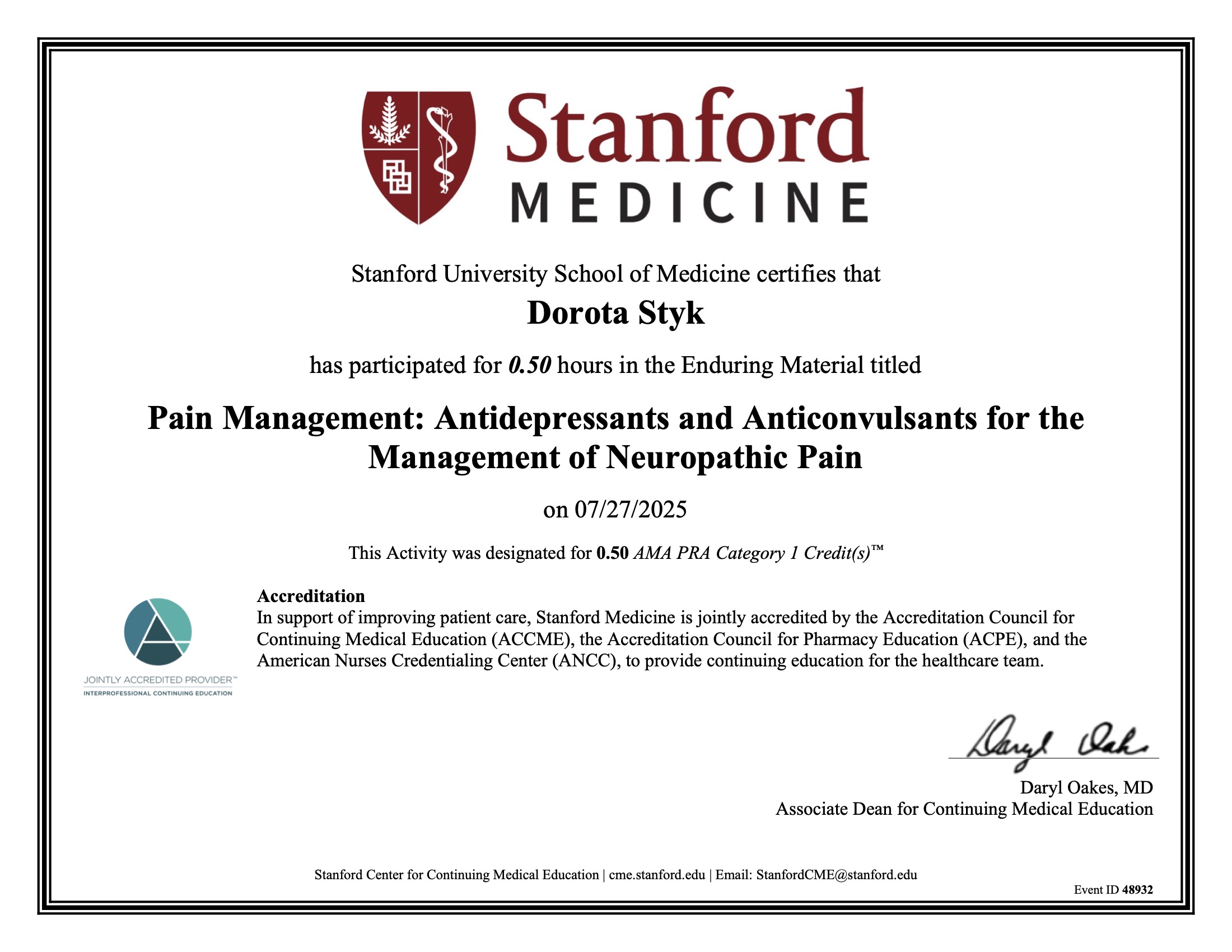
Pain management
Palliative care
Psychotherapy
Psychopathy
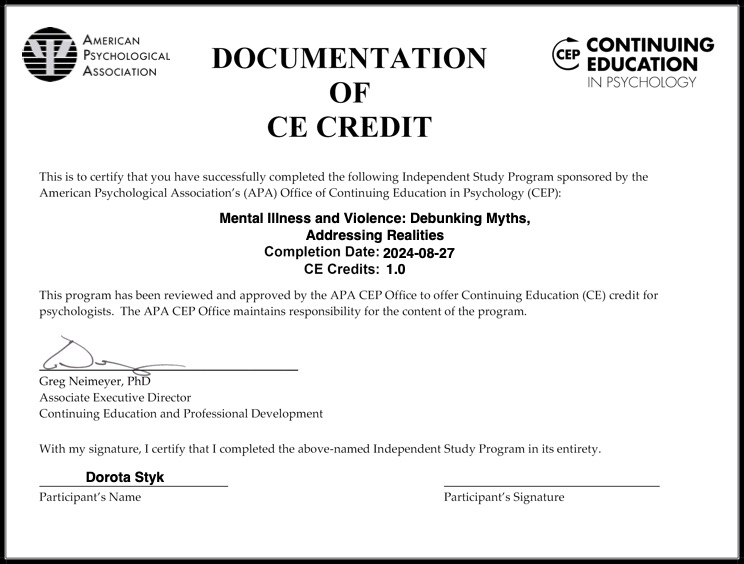
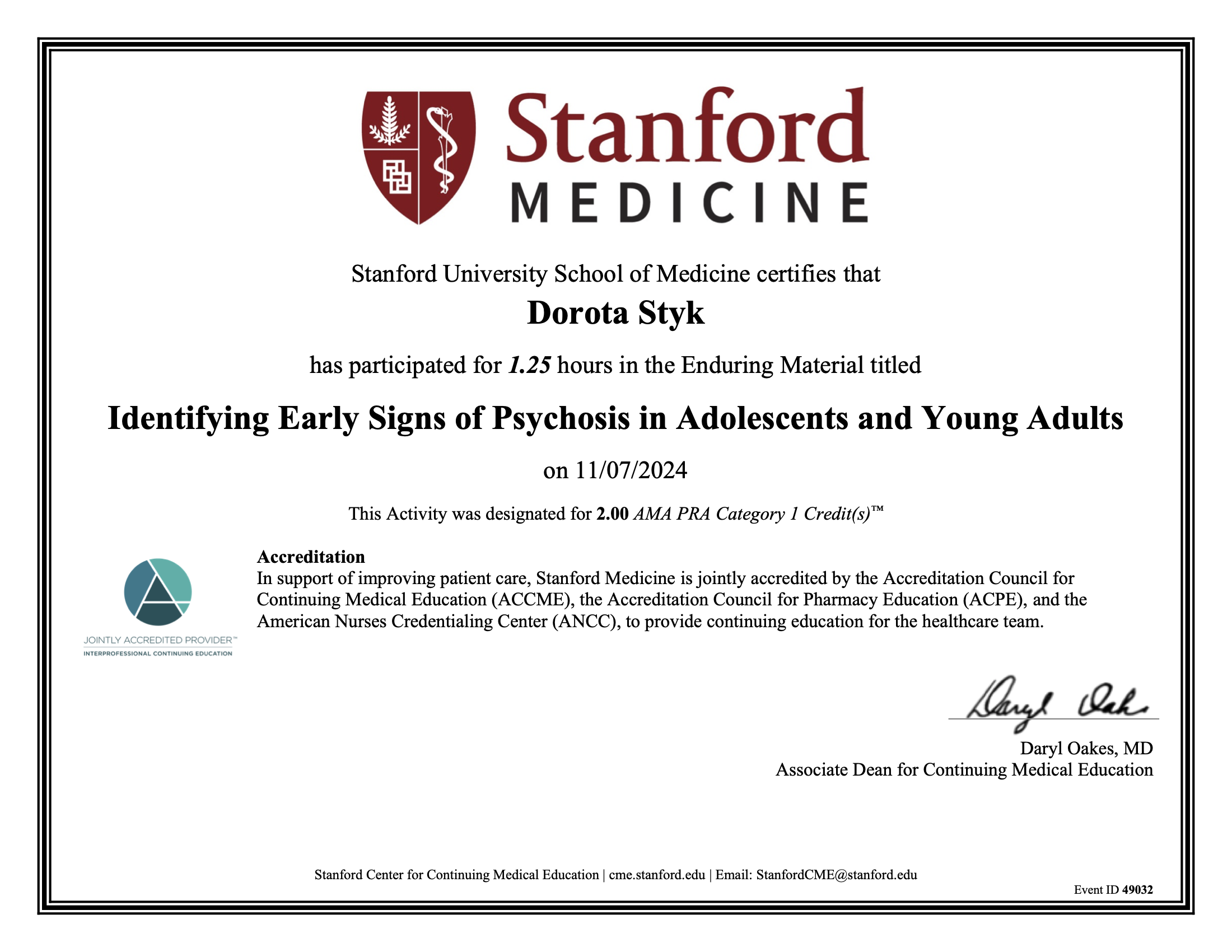
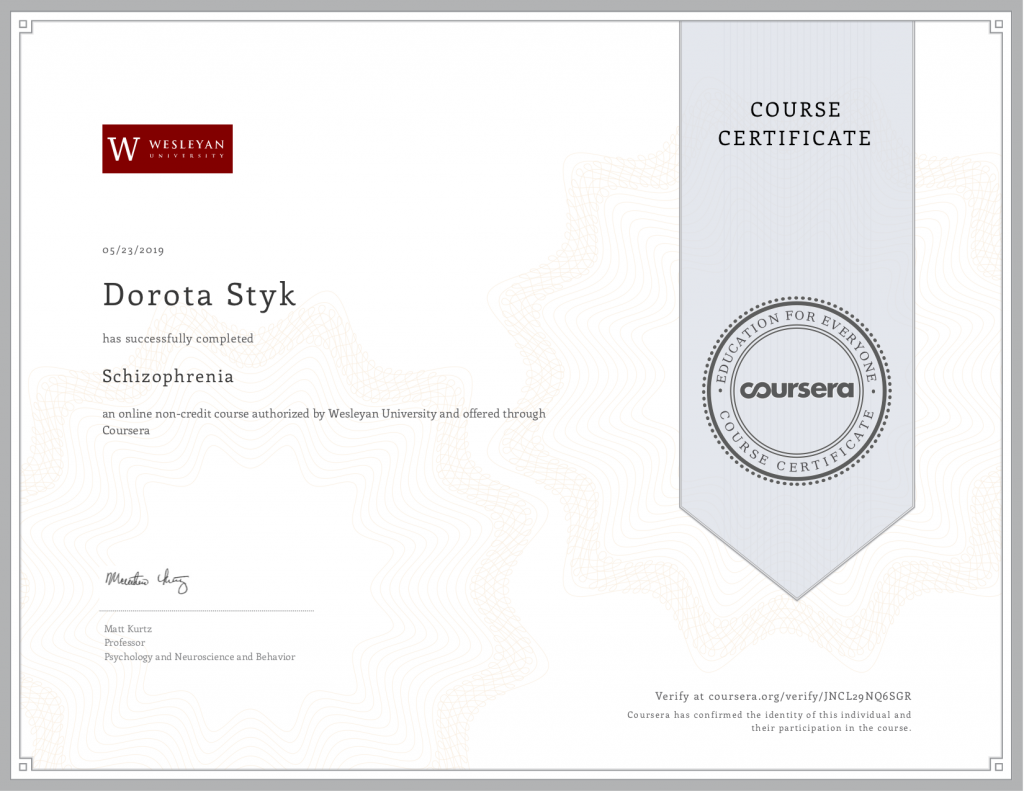
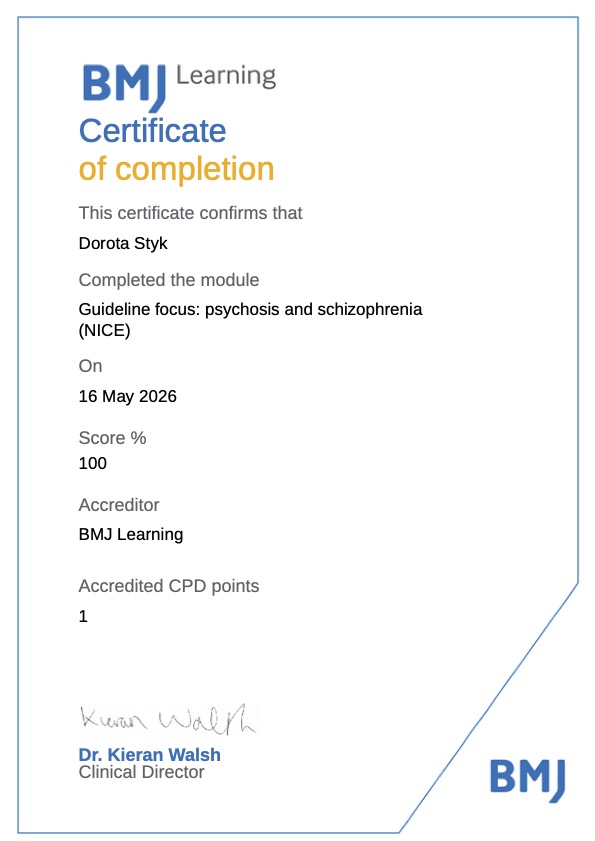
Schizophrenia and Psychosis
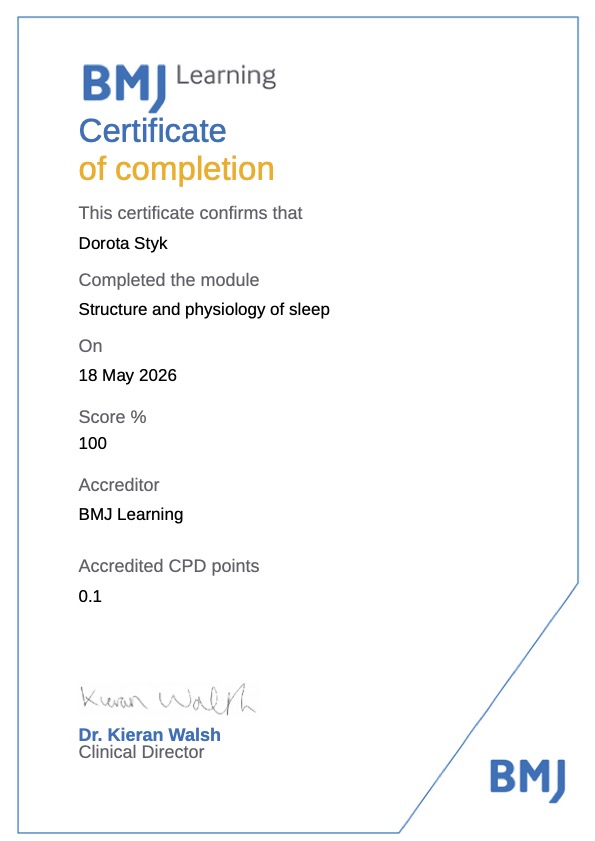
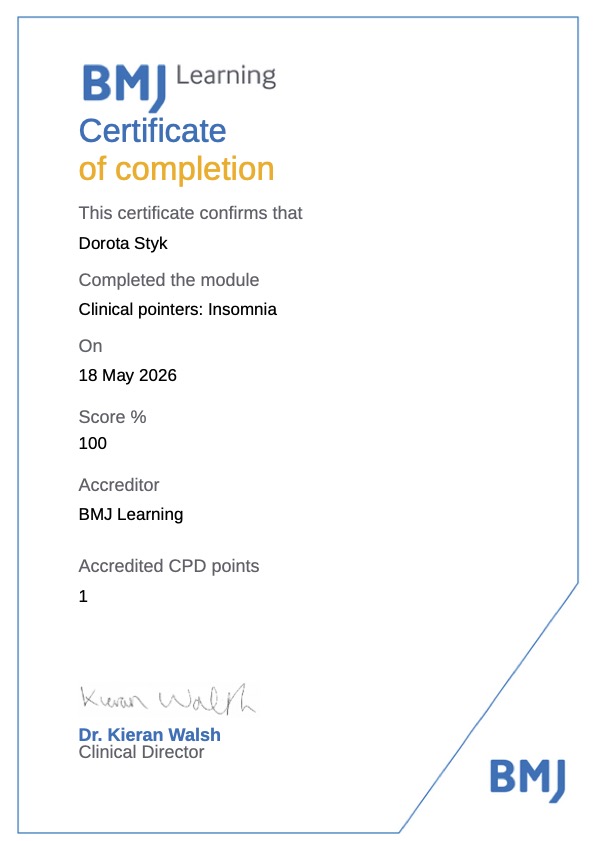
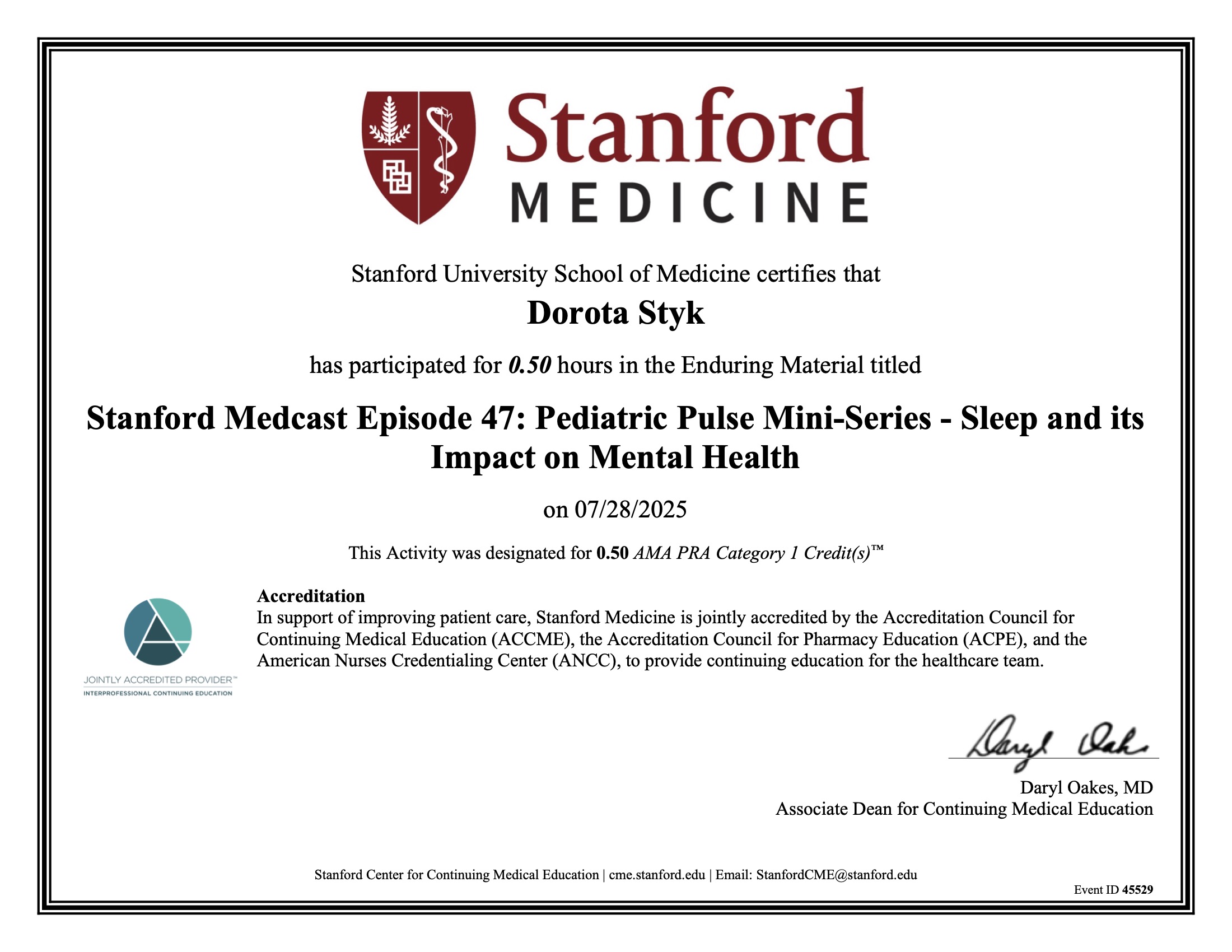
Sleep
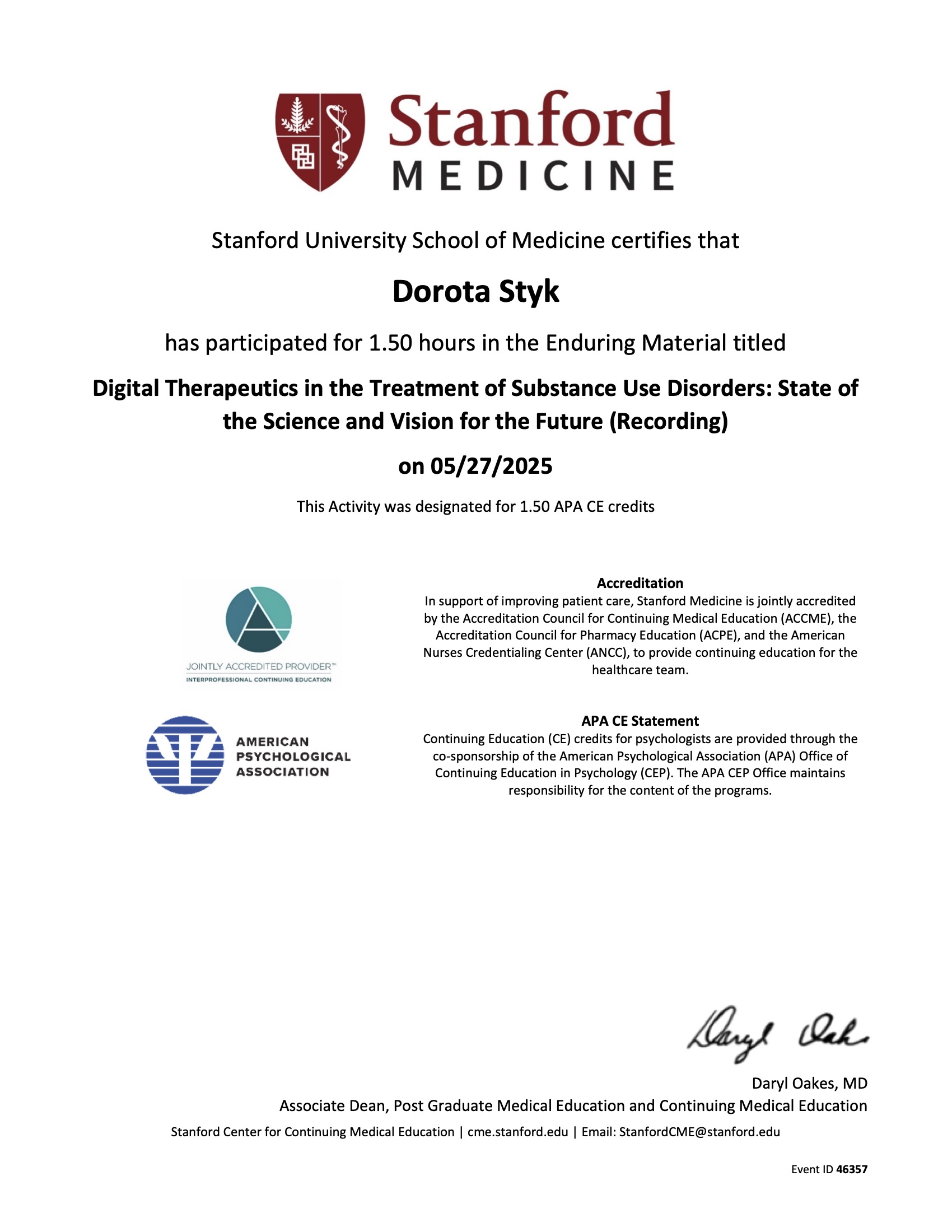
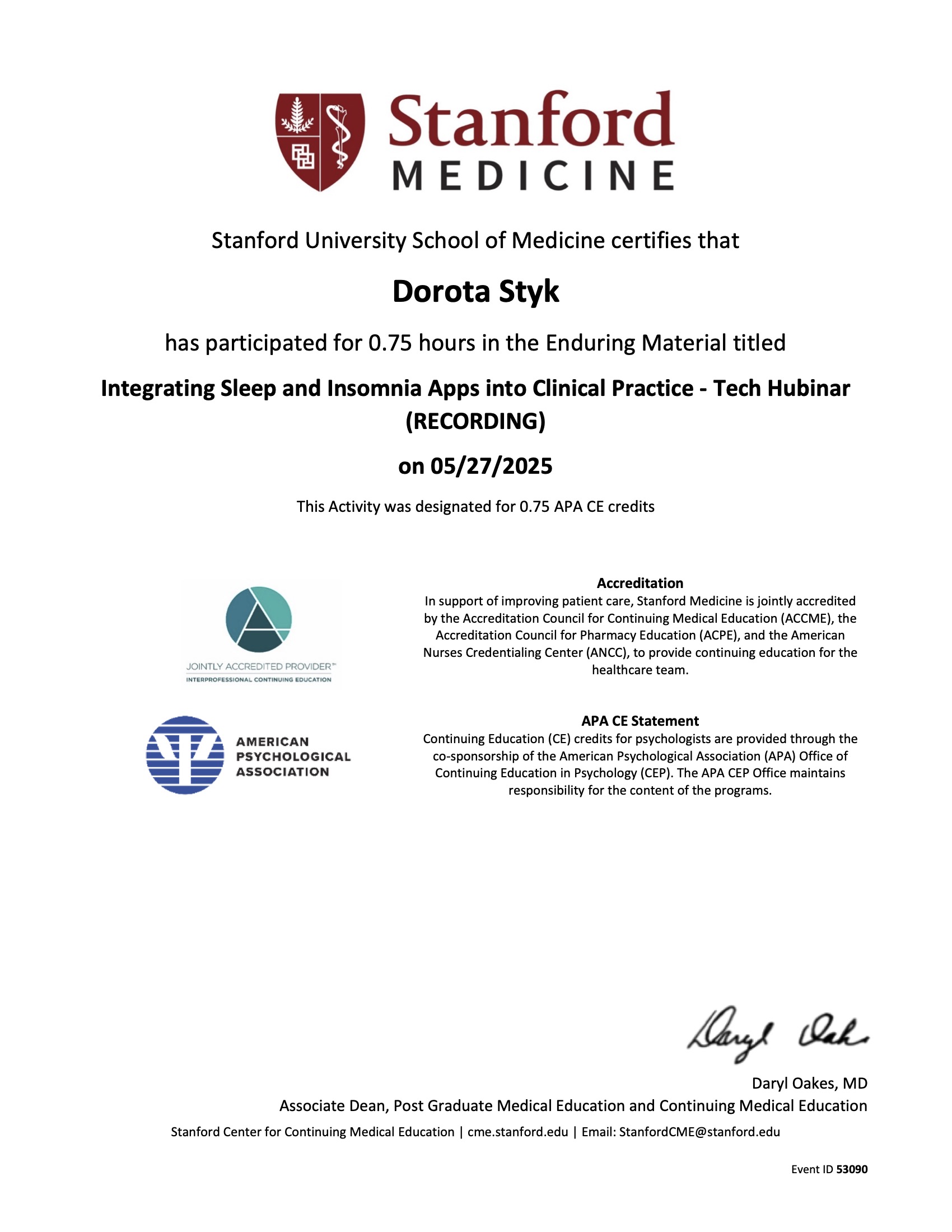
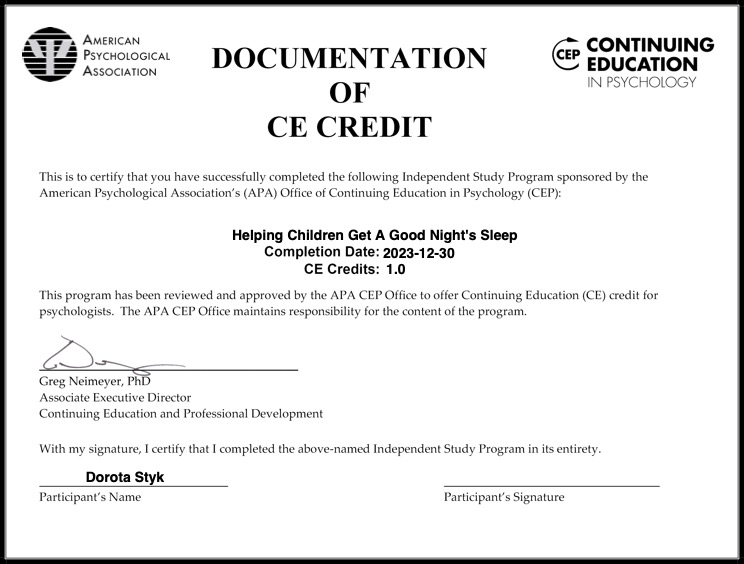
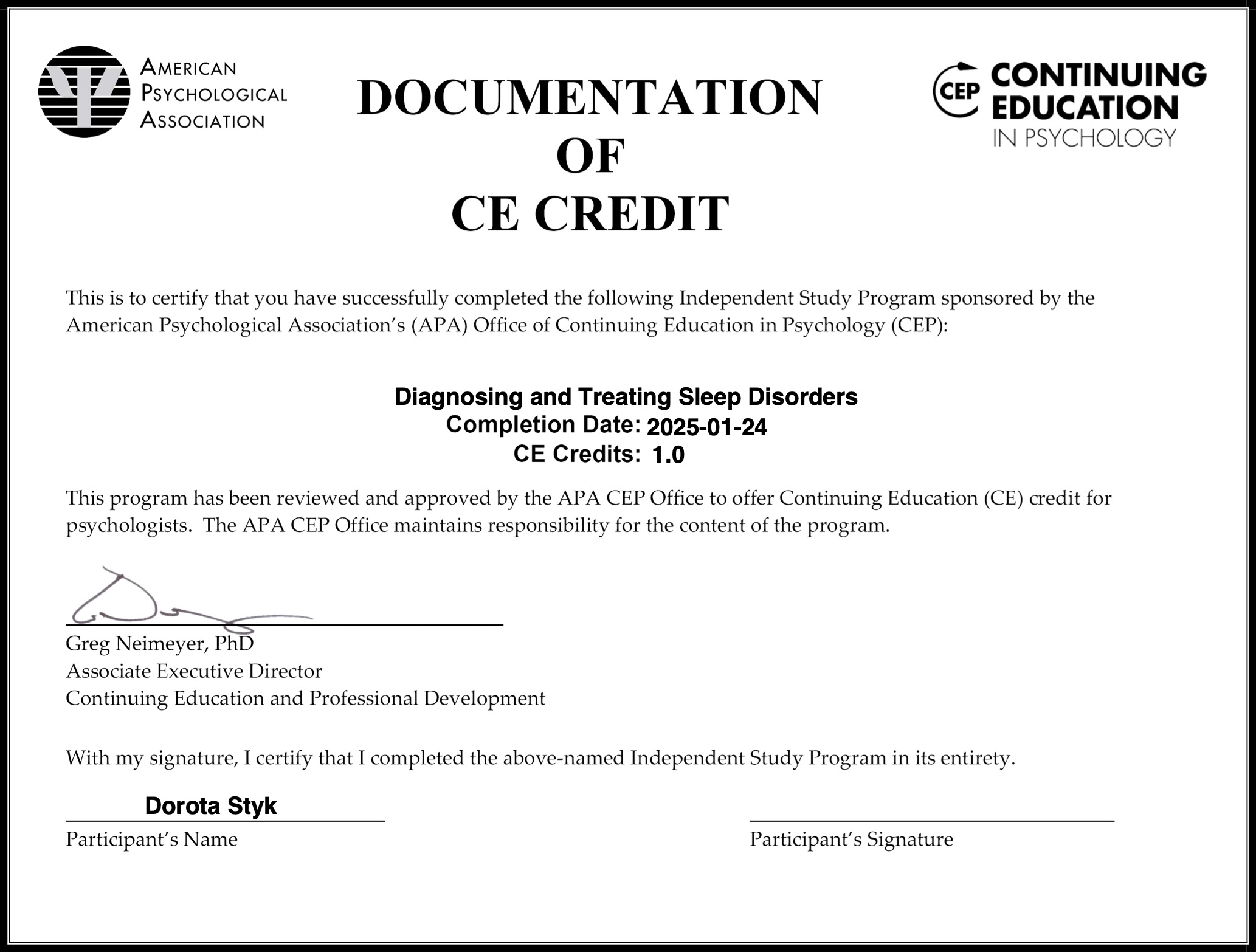
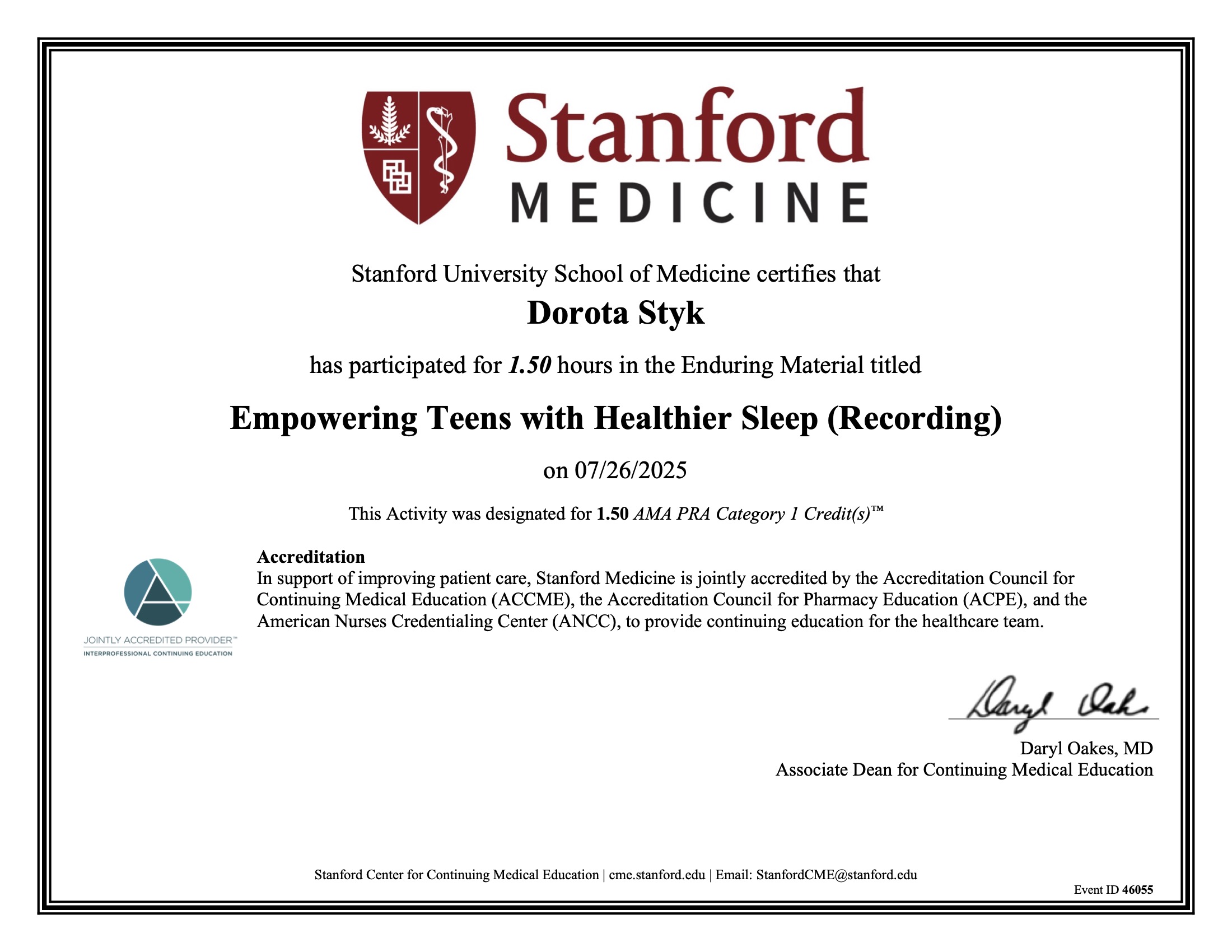
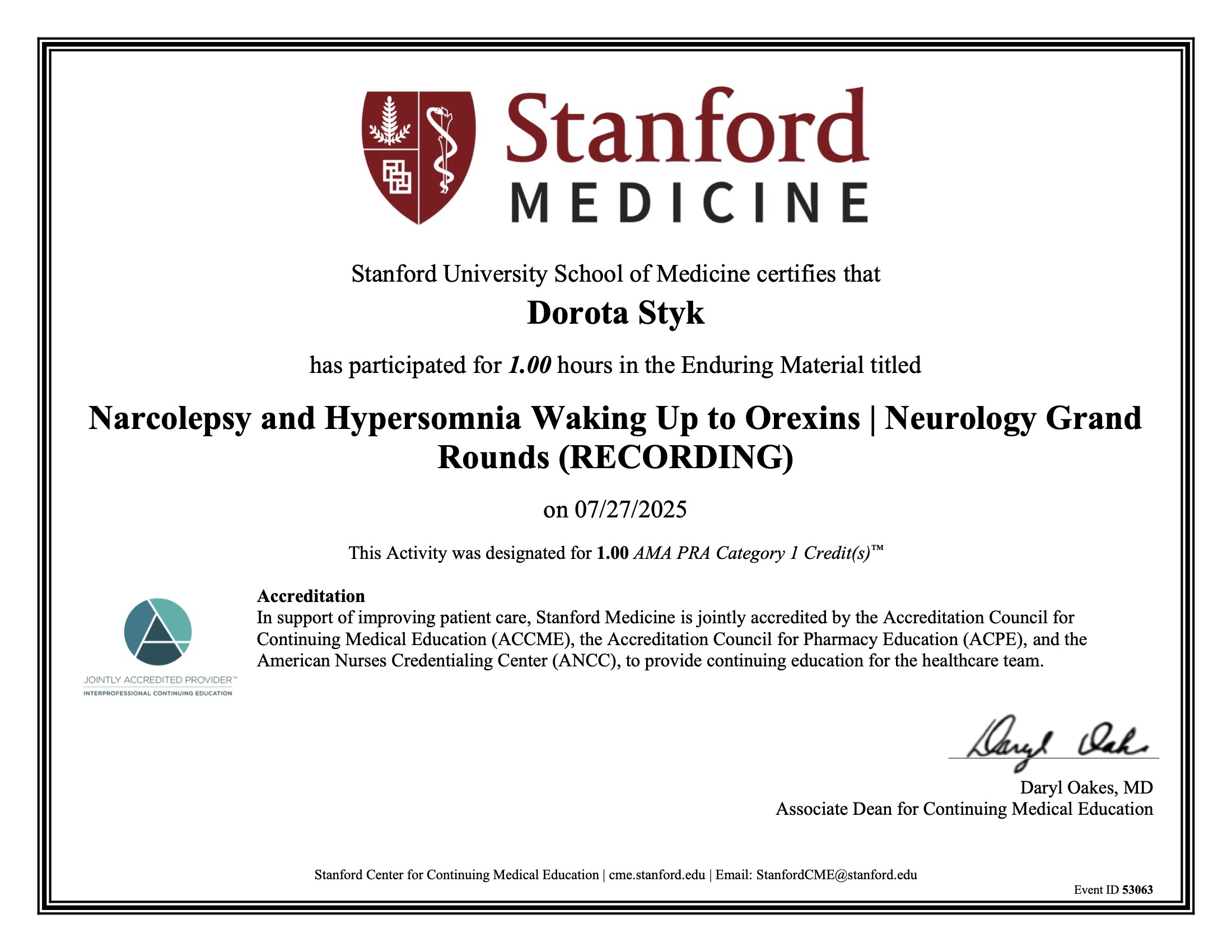
Substance use
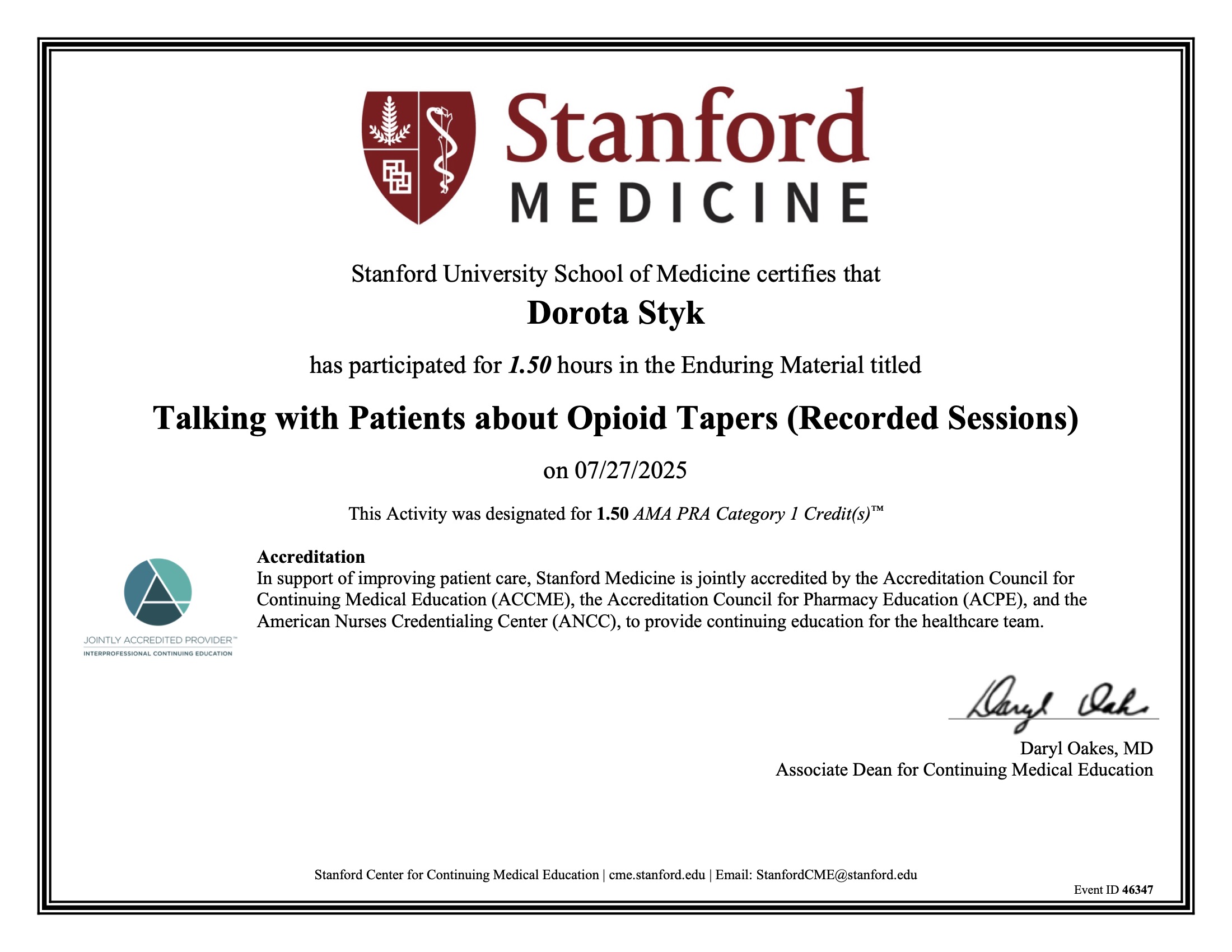

Suicide


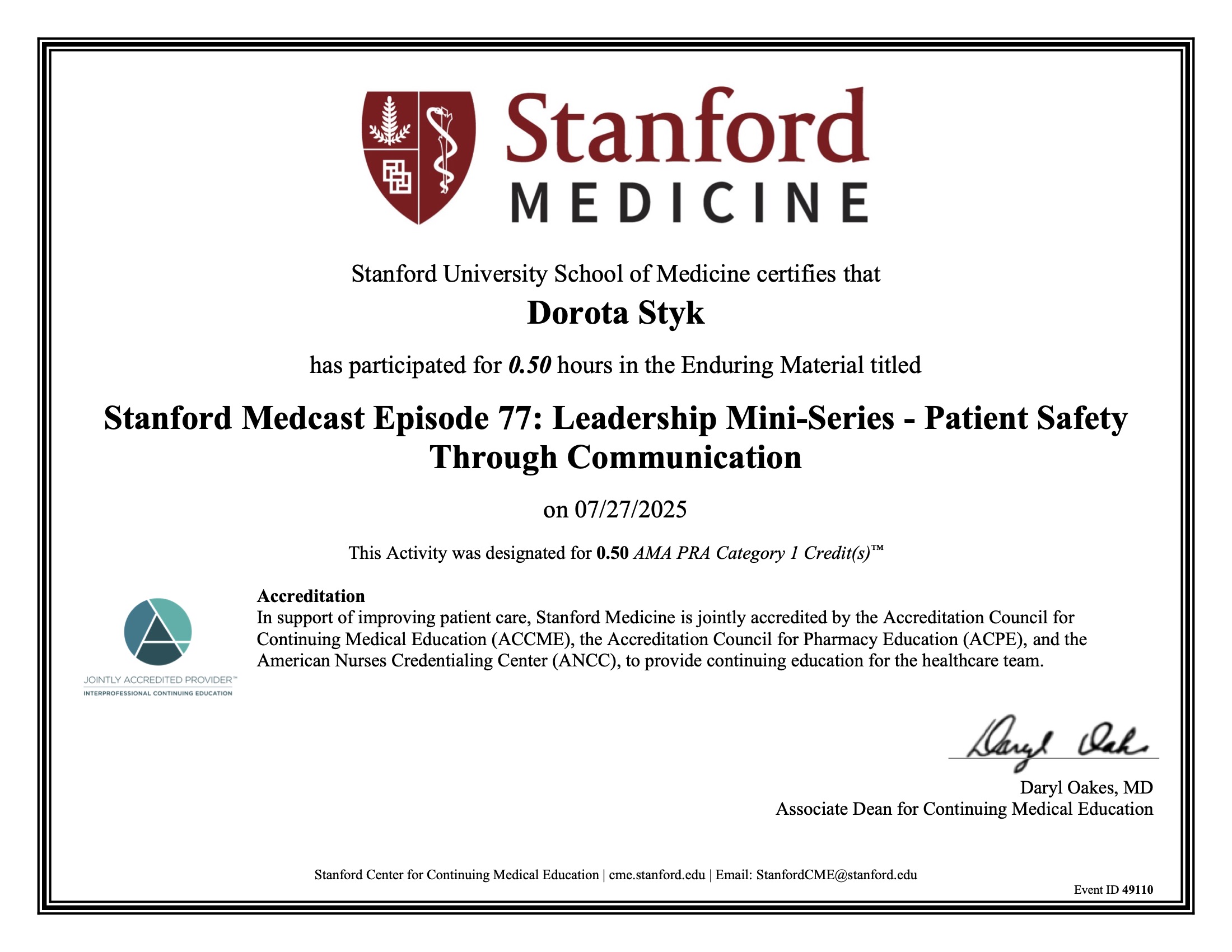
Teaching and Communication


Trauma


Women's Health
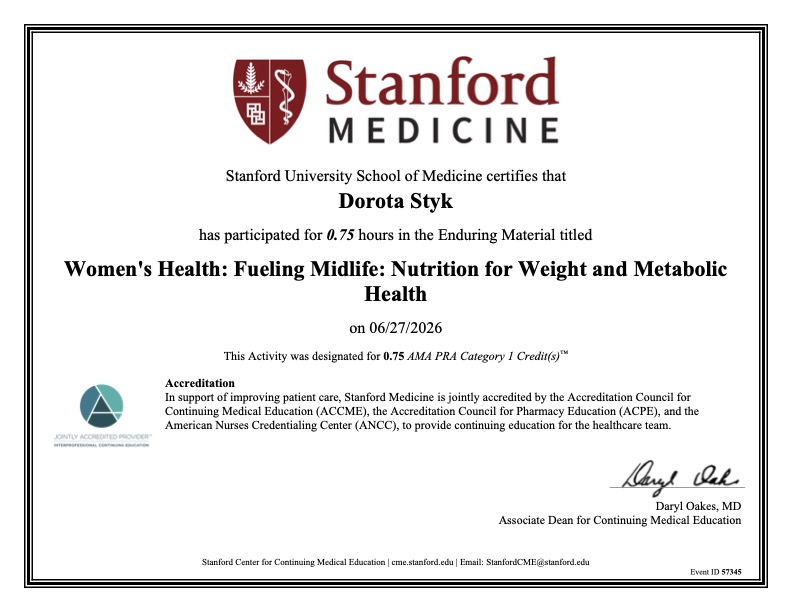
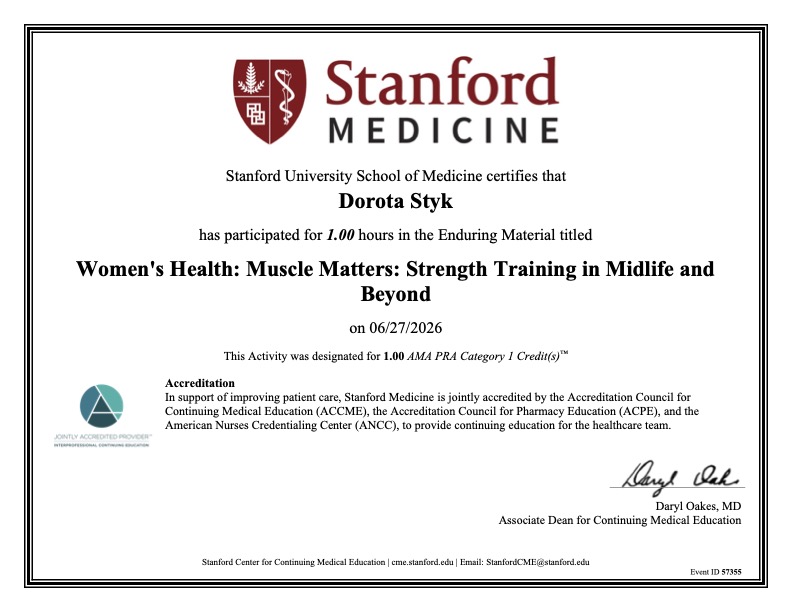
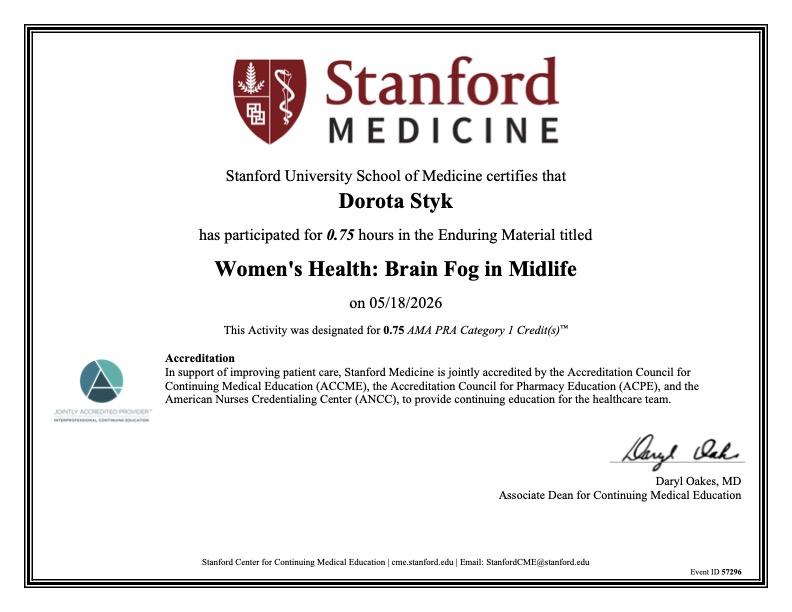
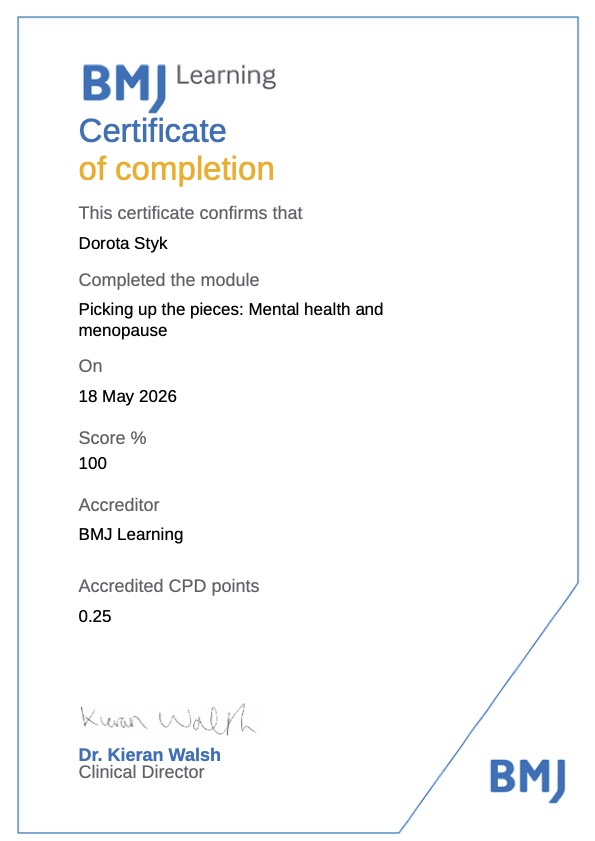
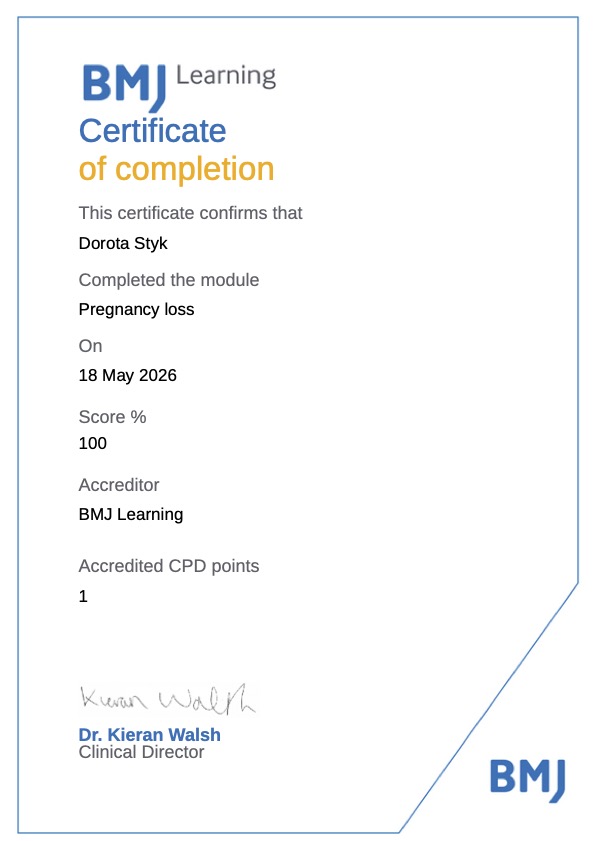
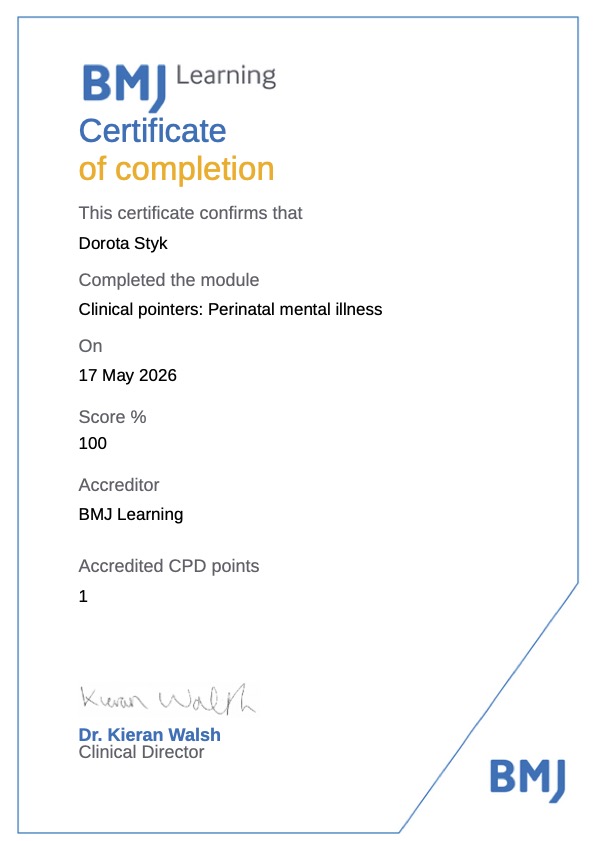
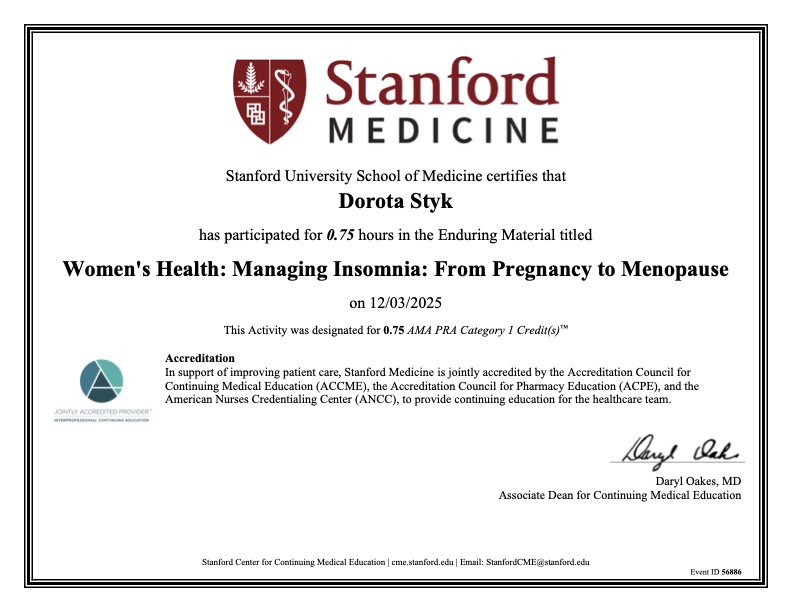
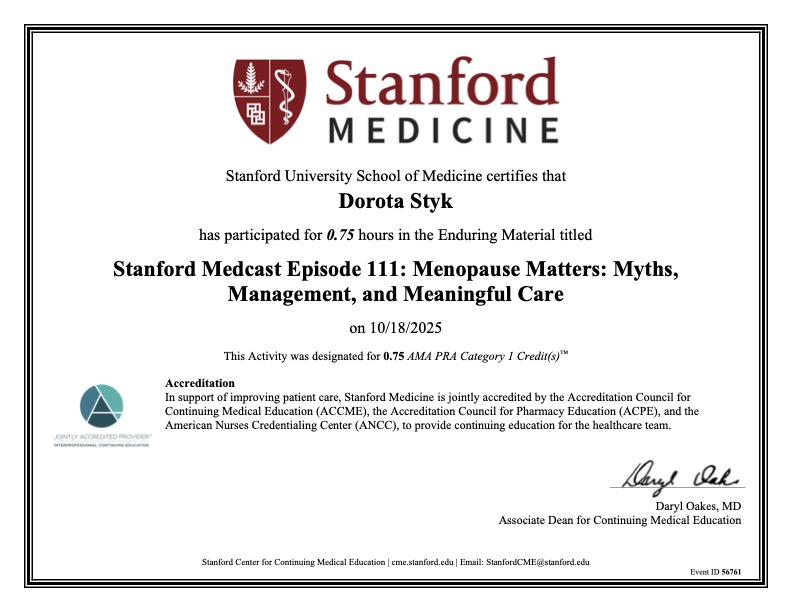


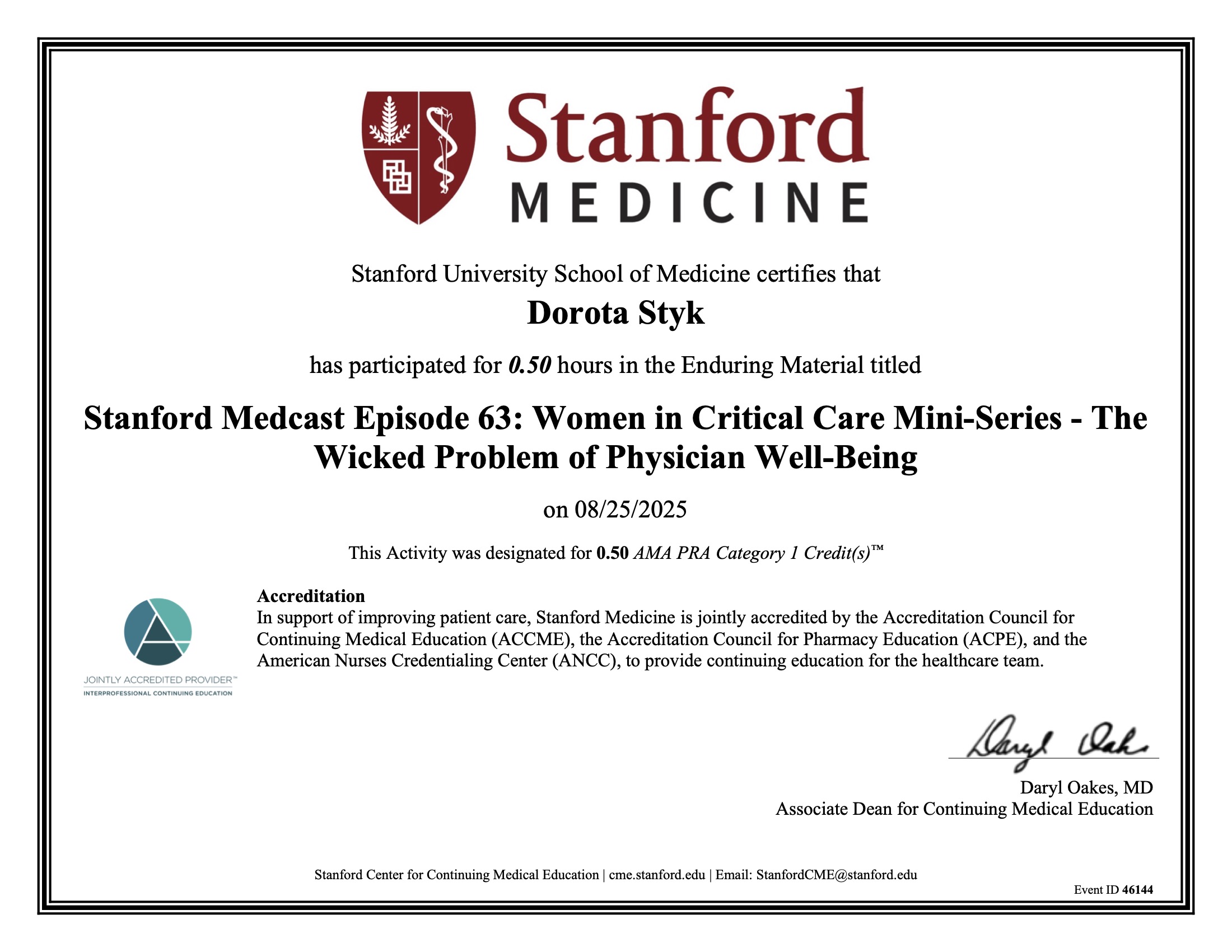
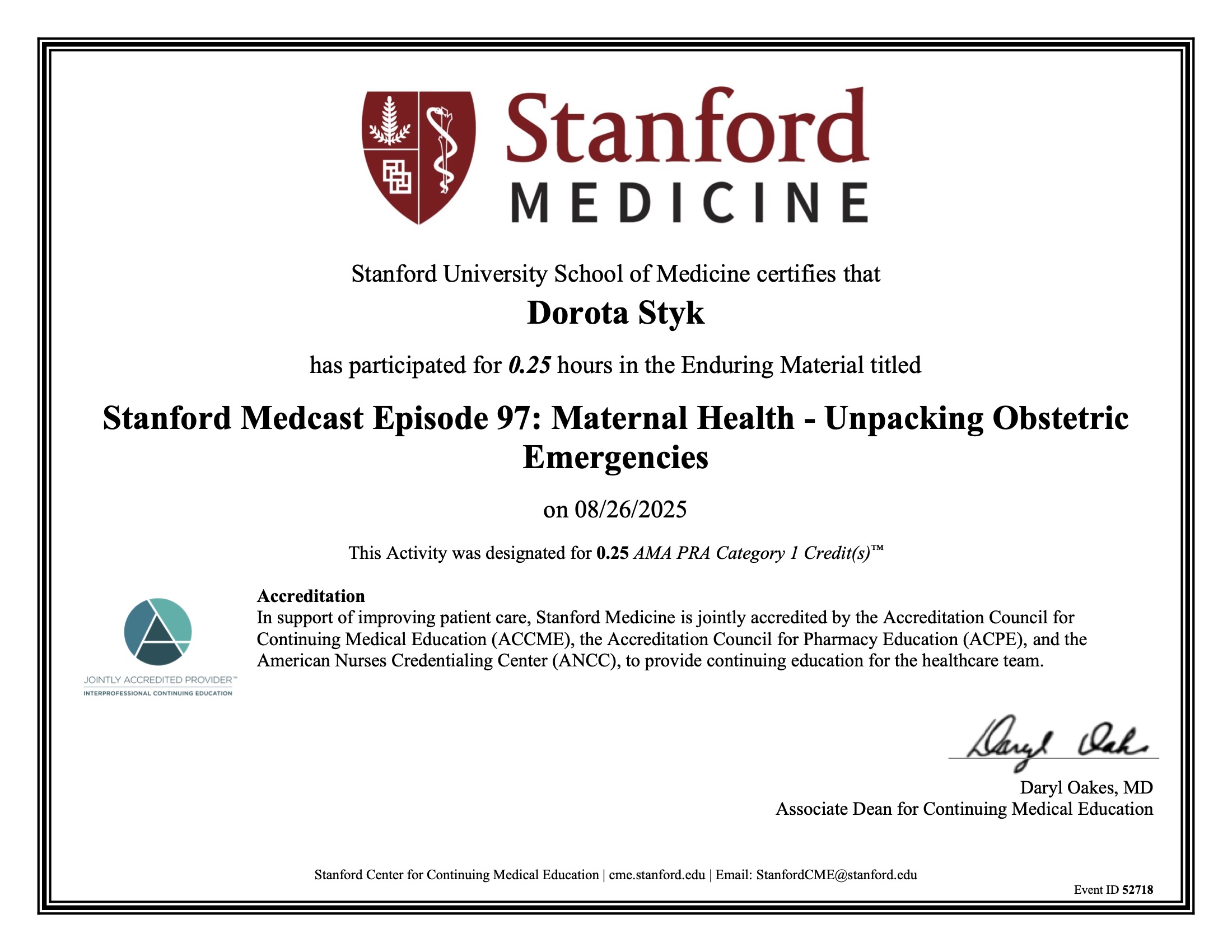
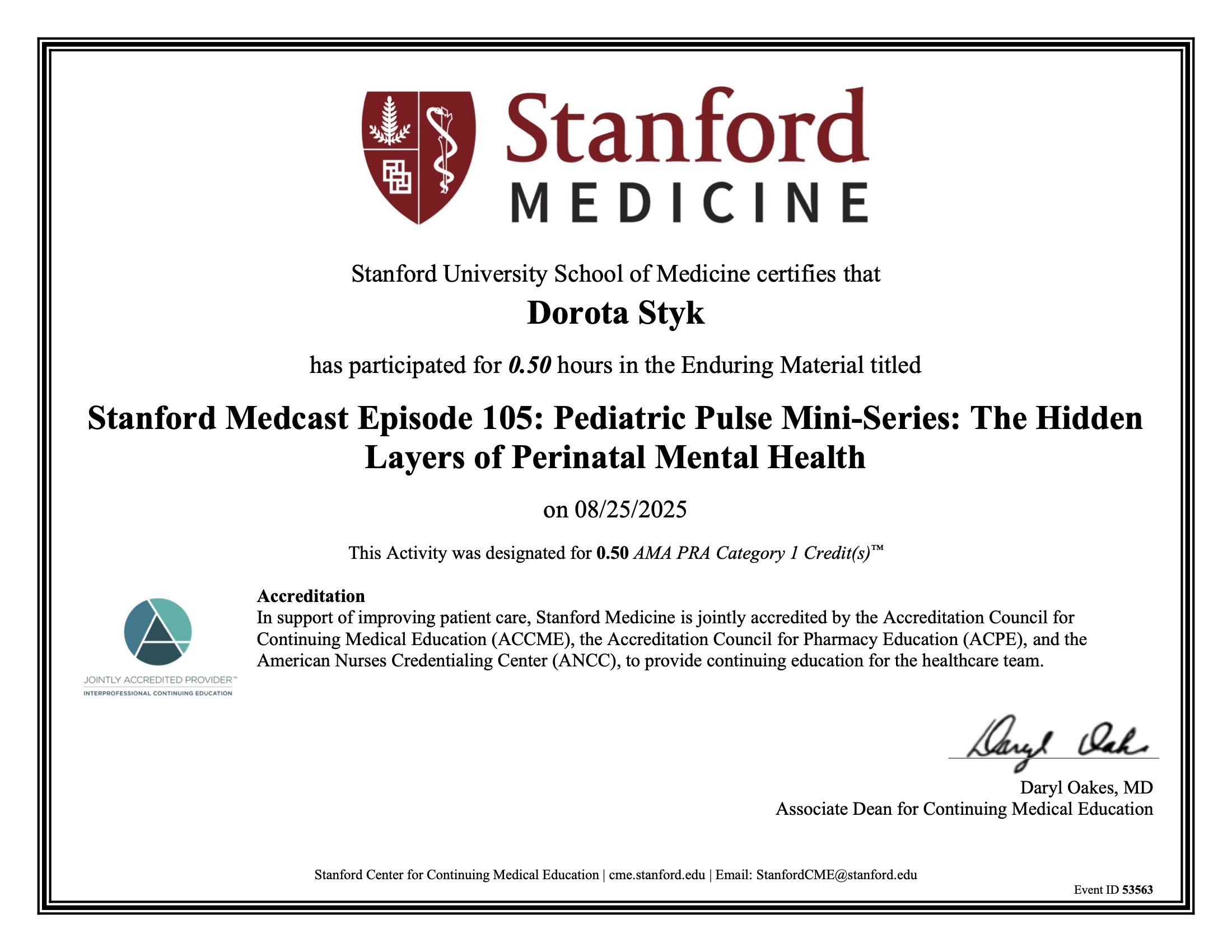
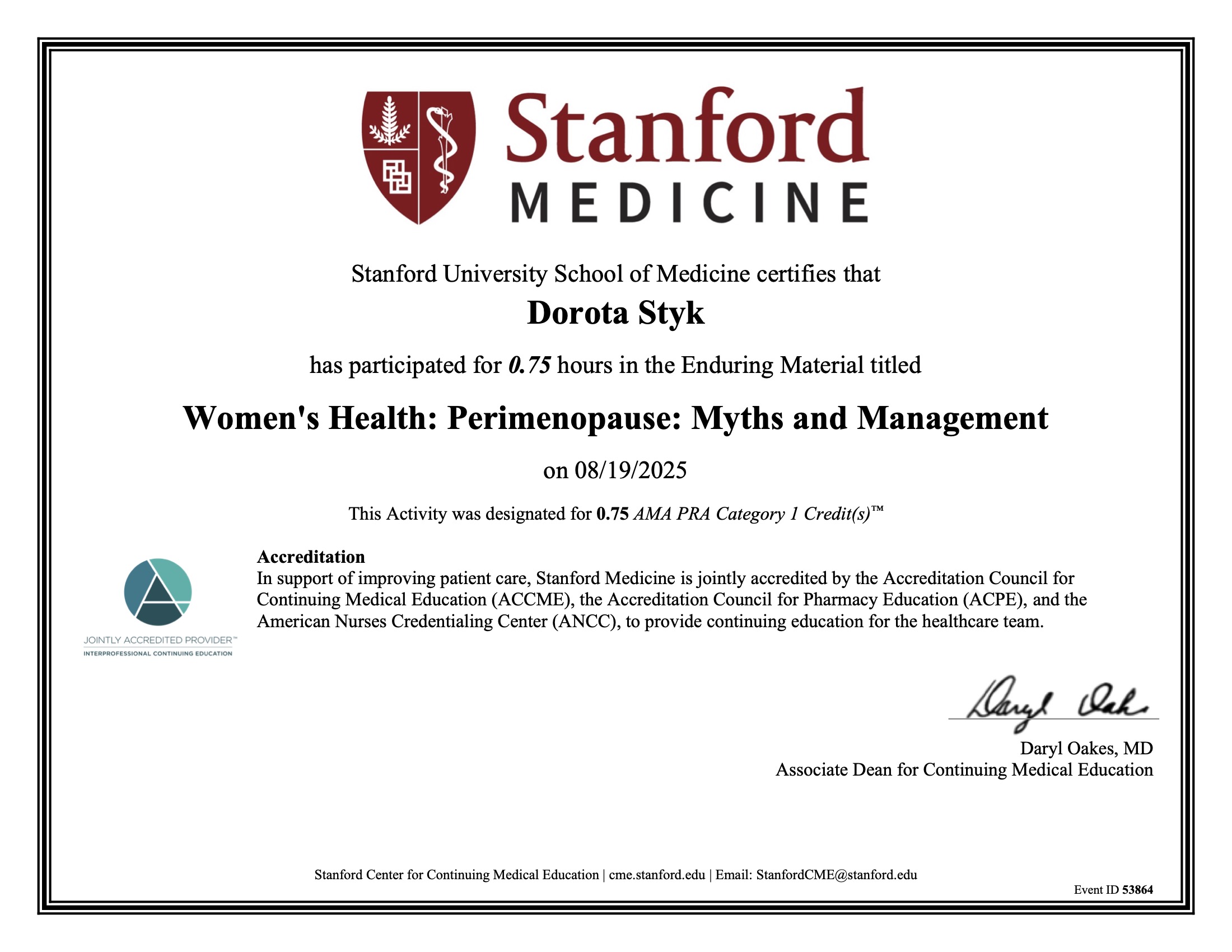
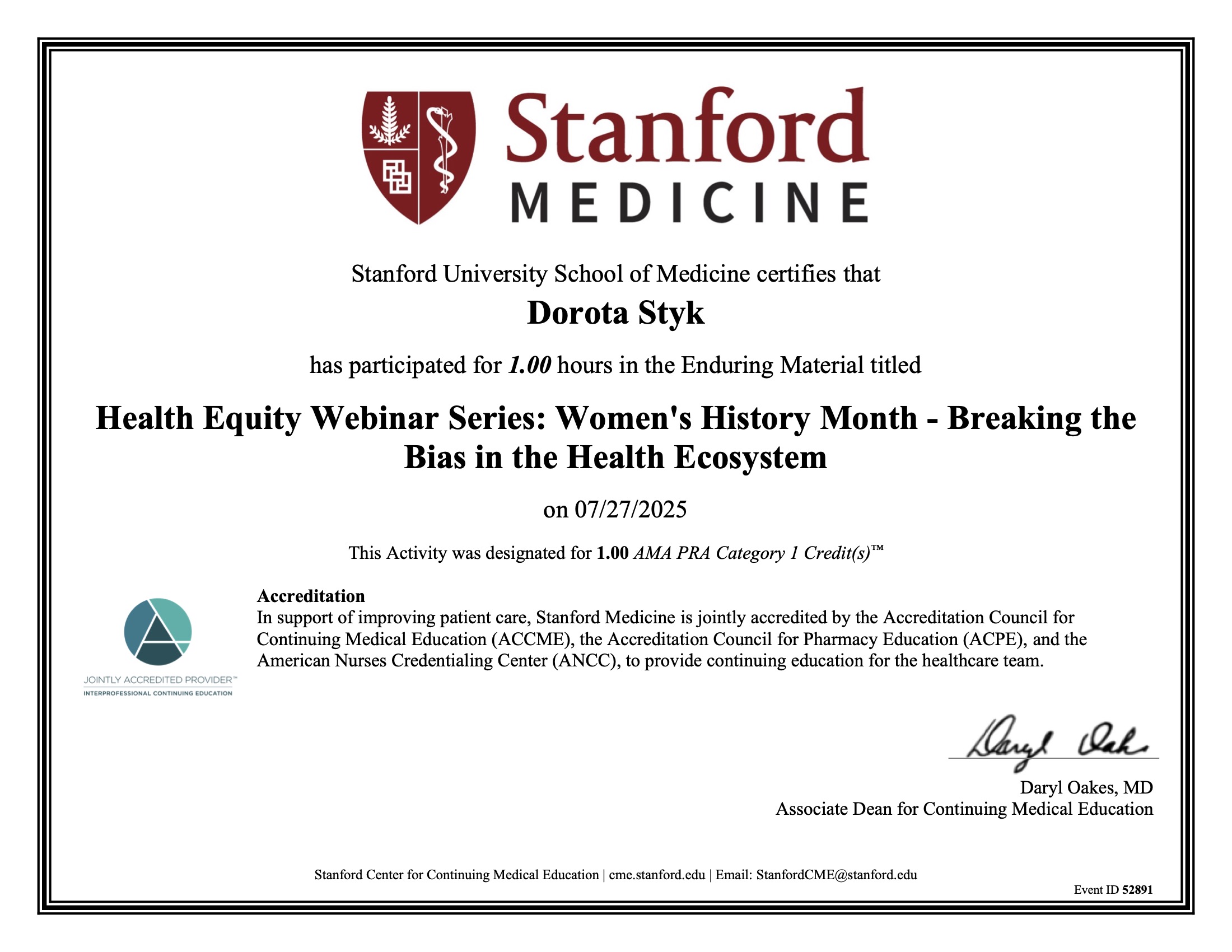
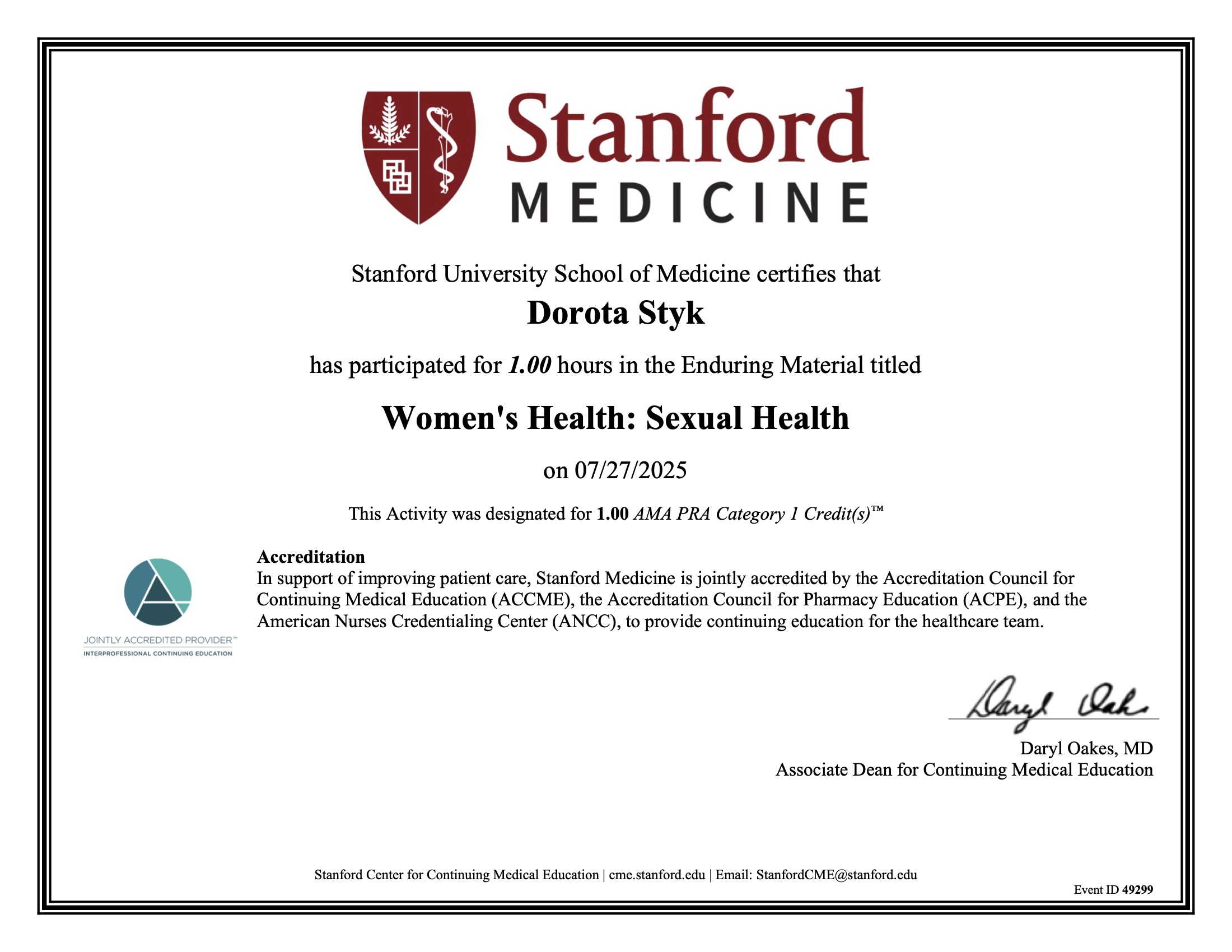
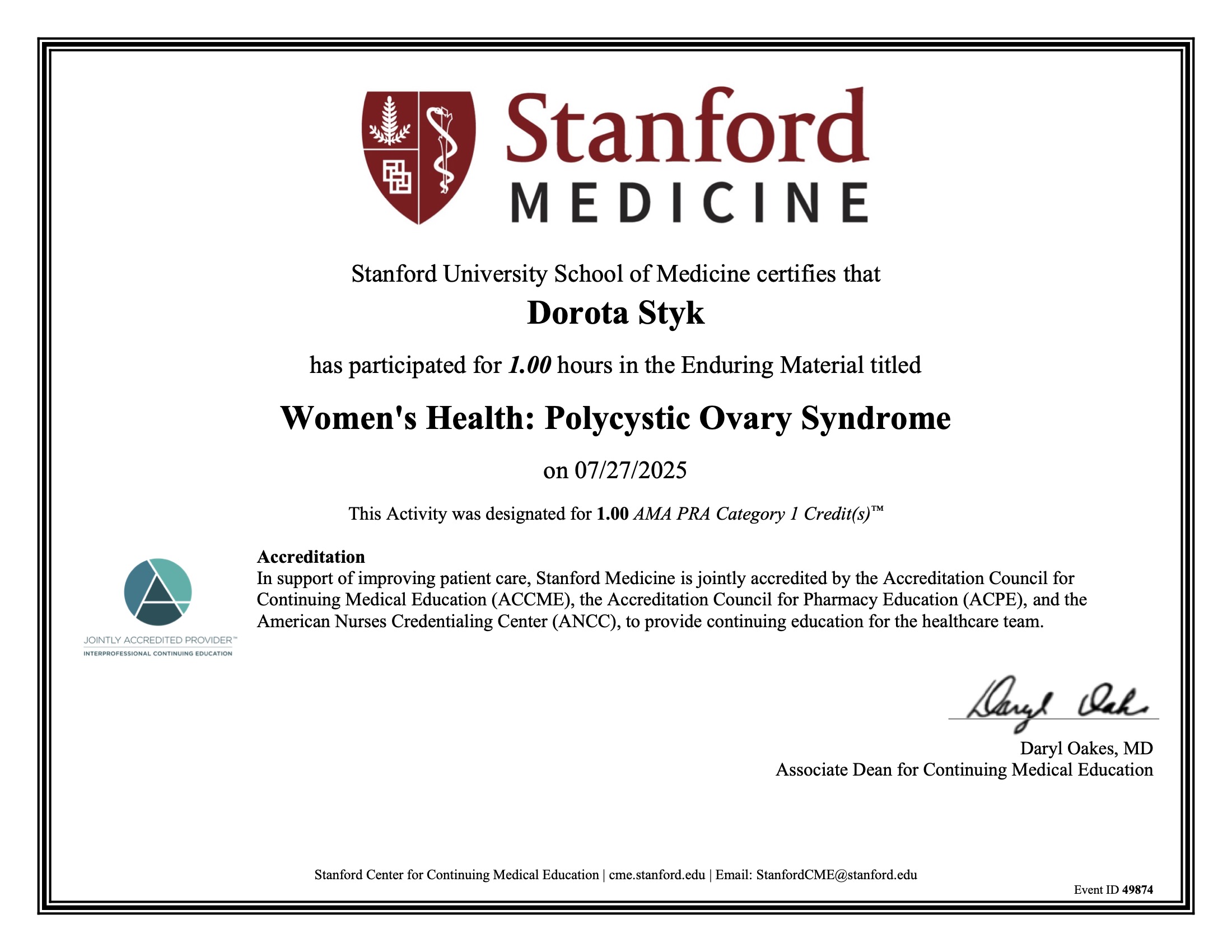
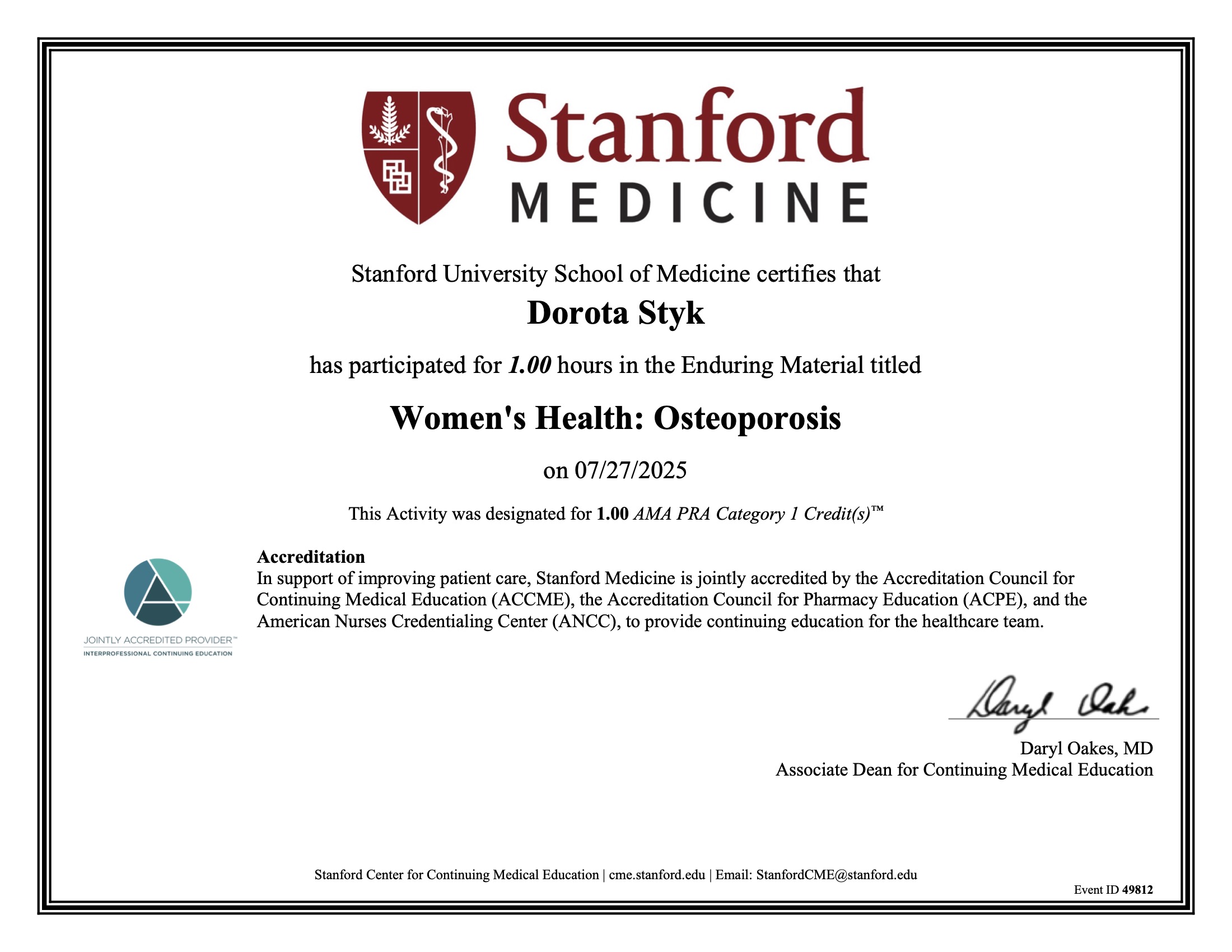
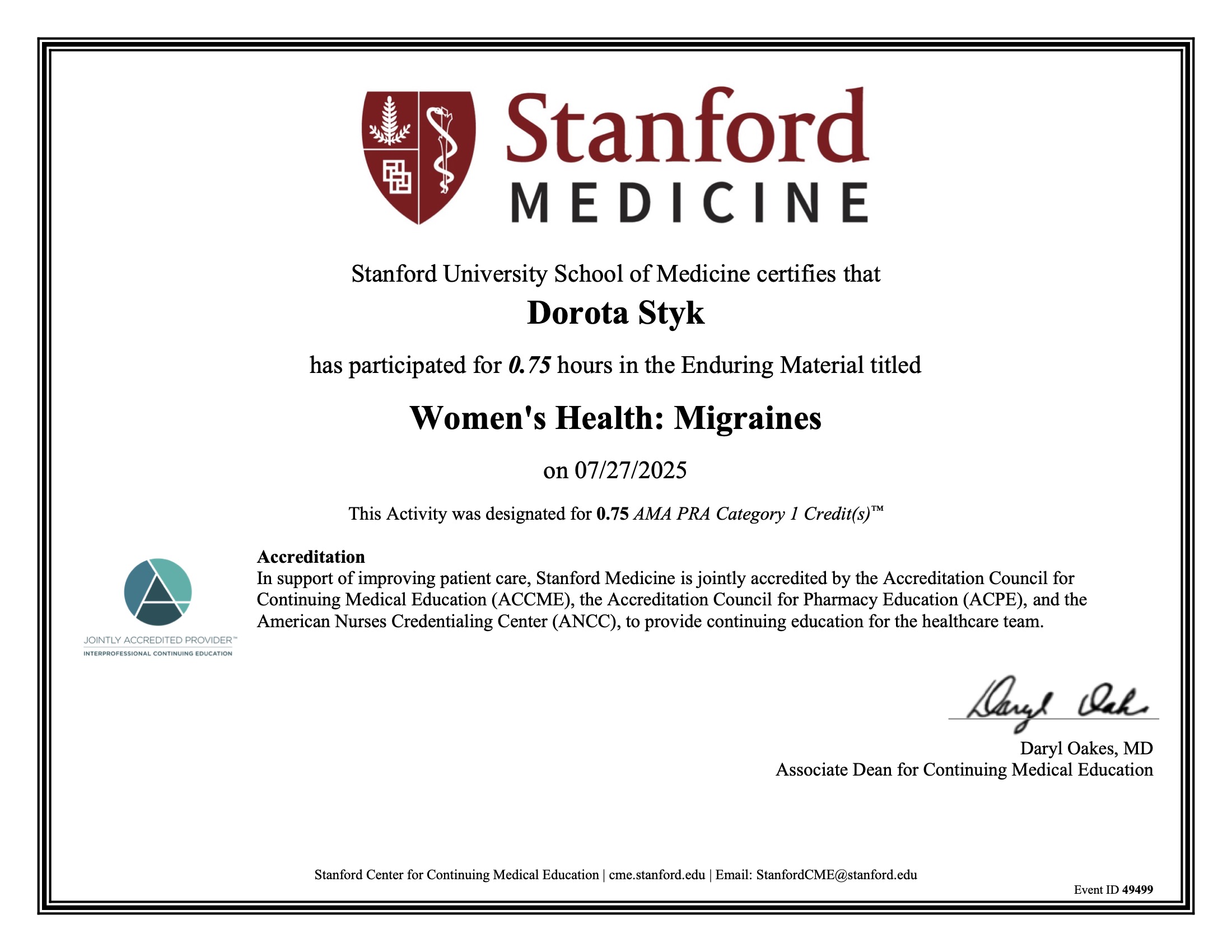
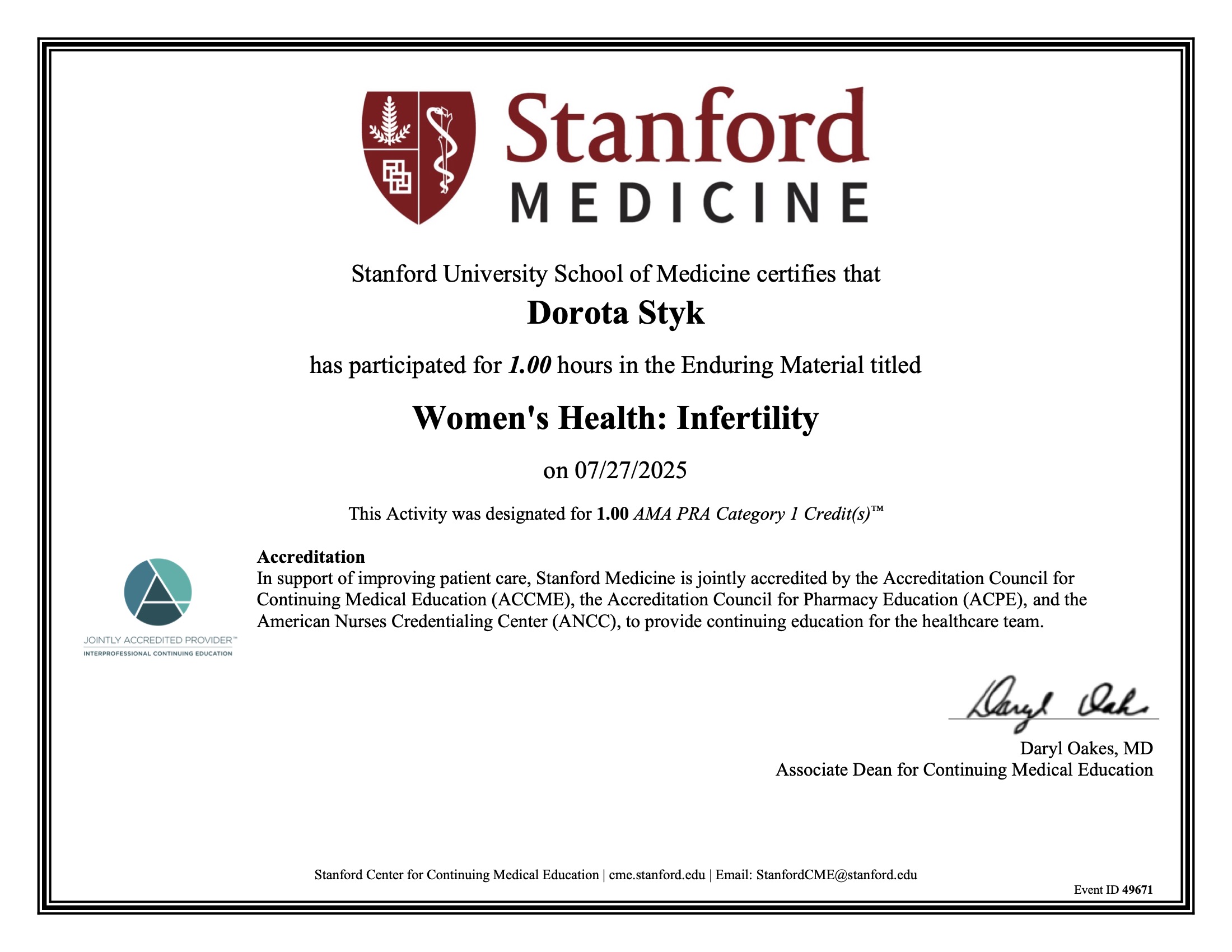
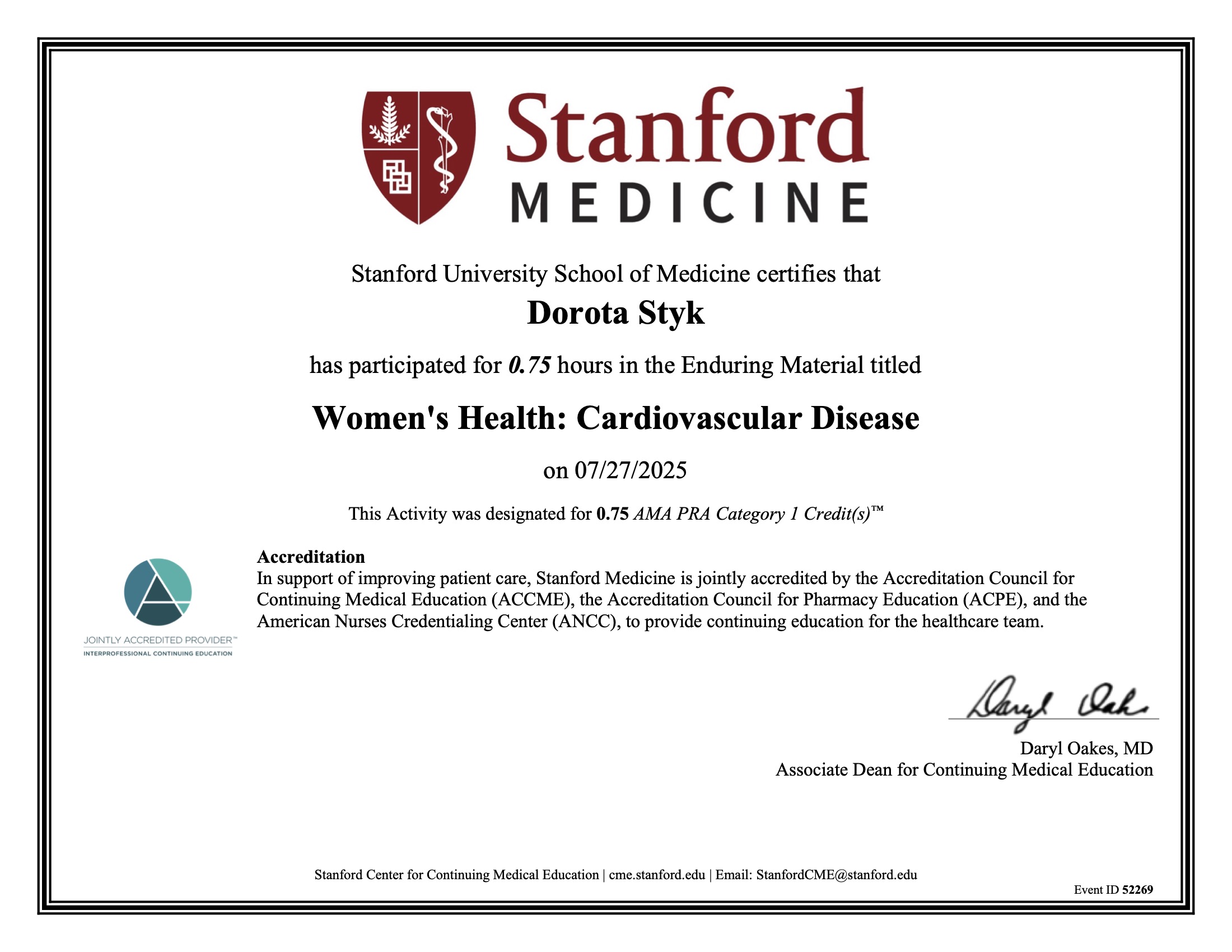
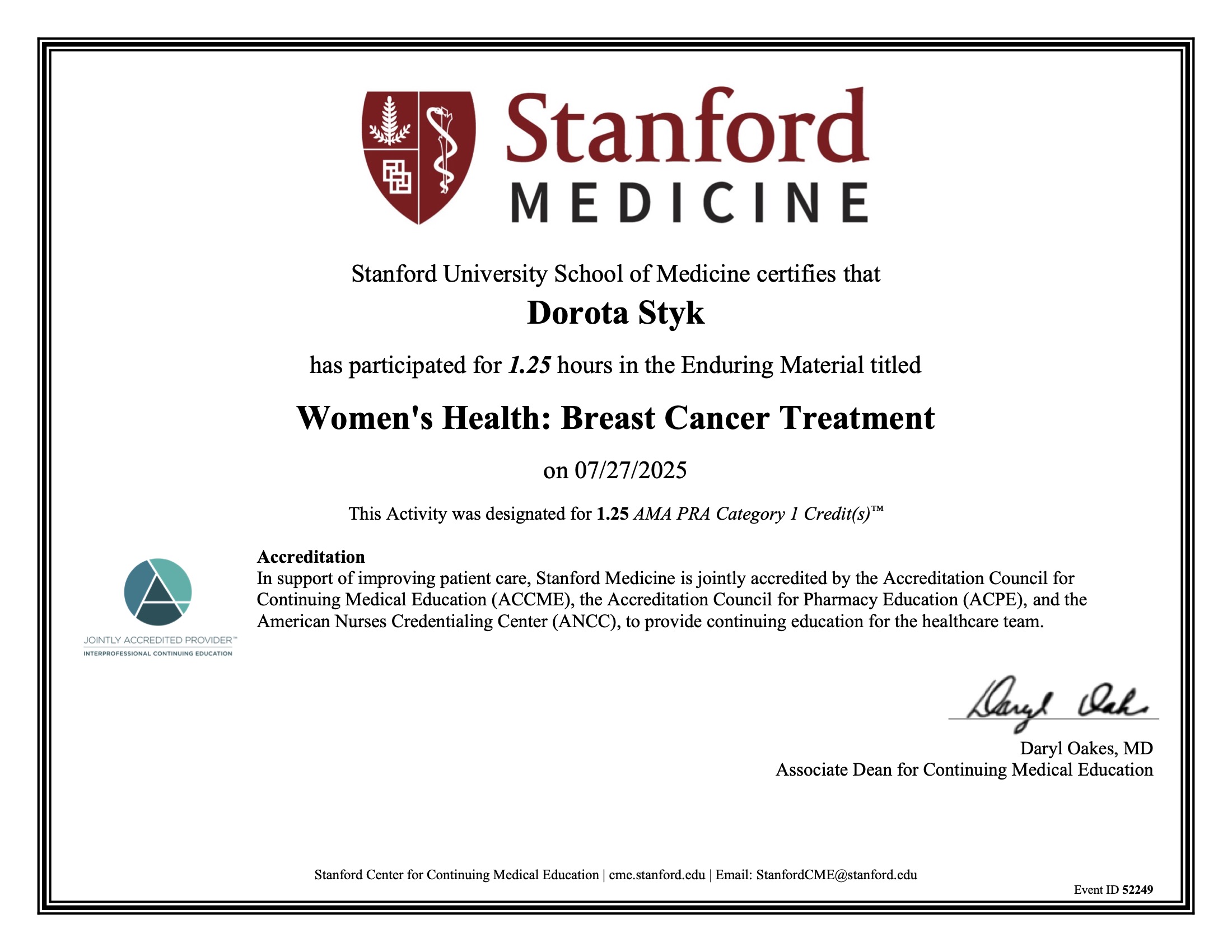
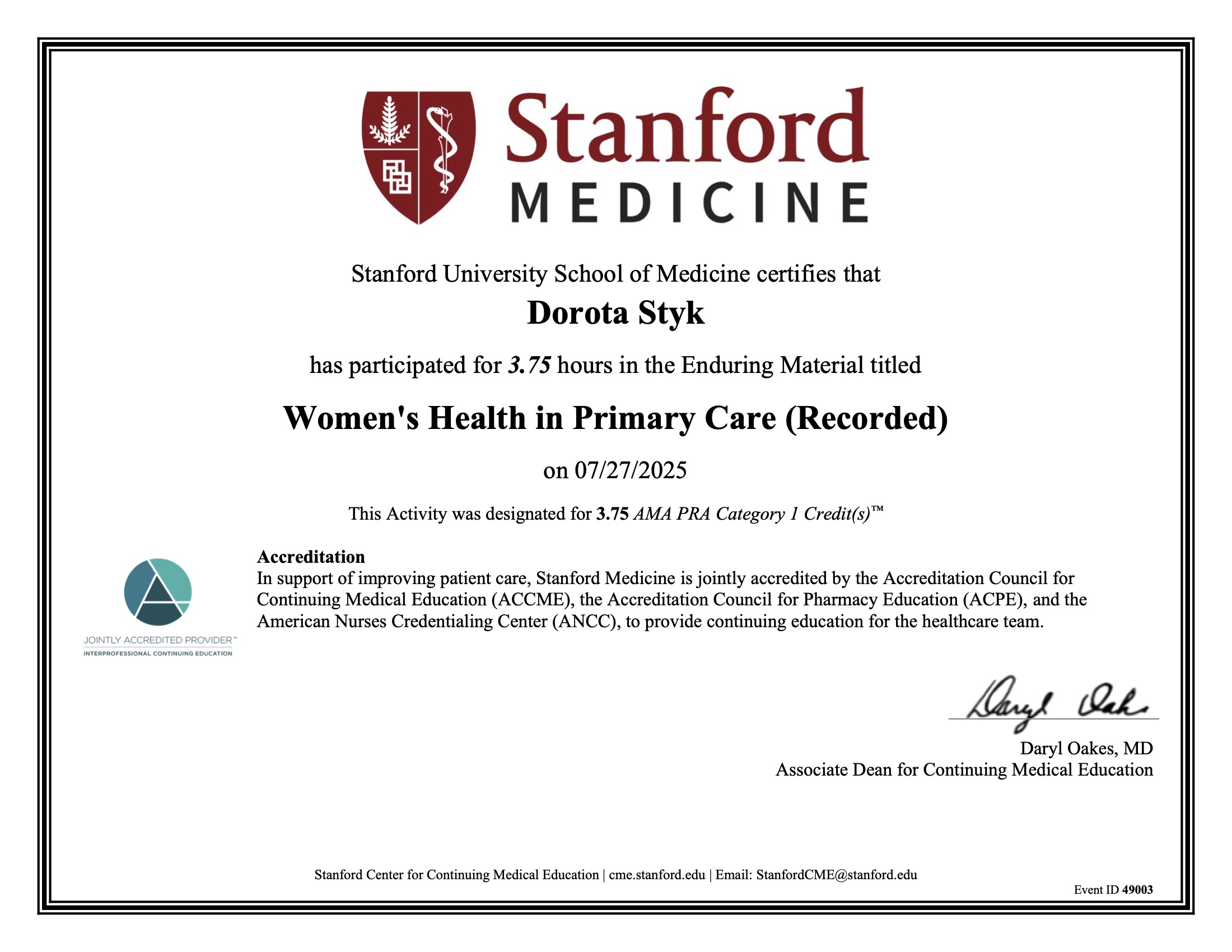
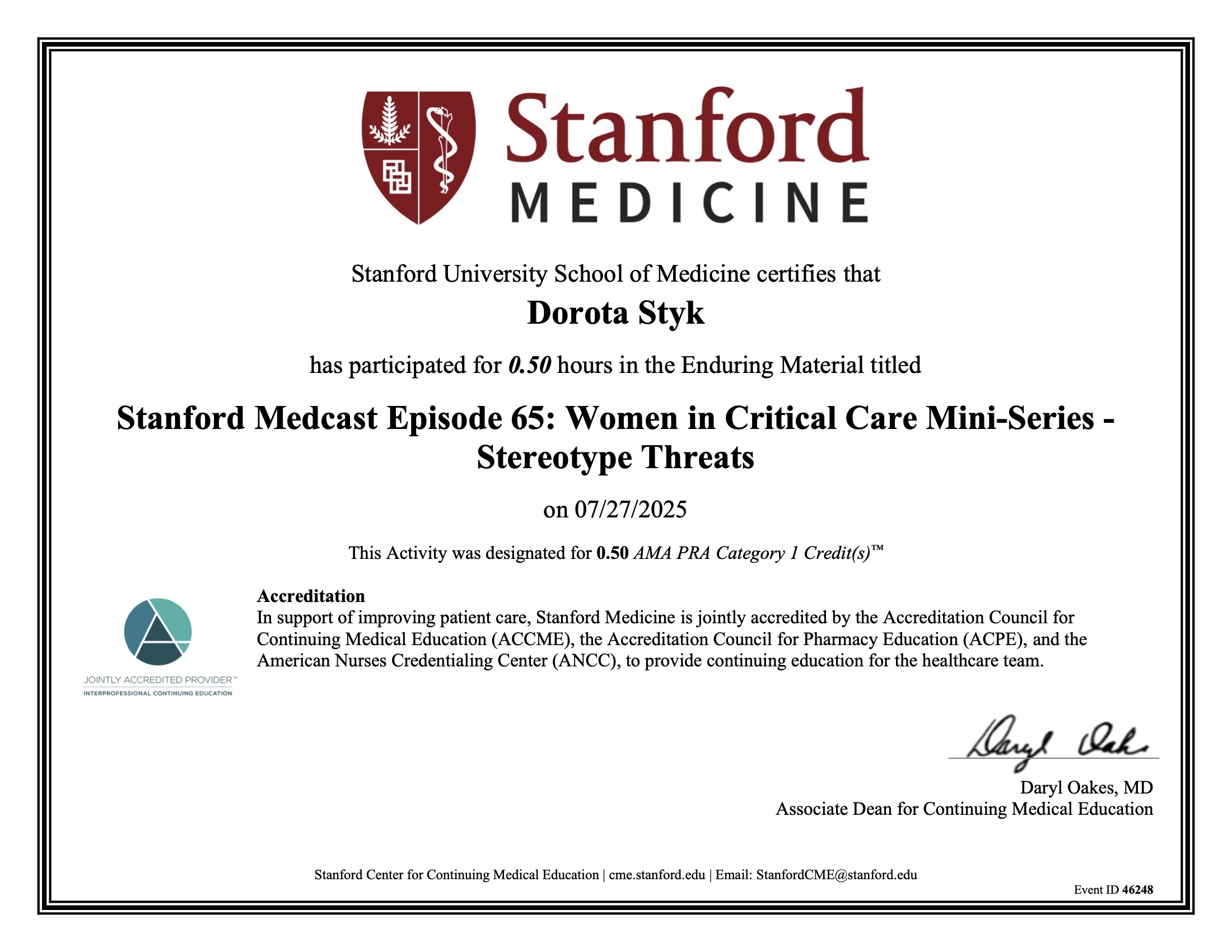
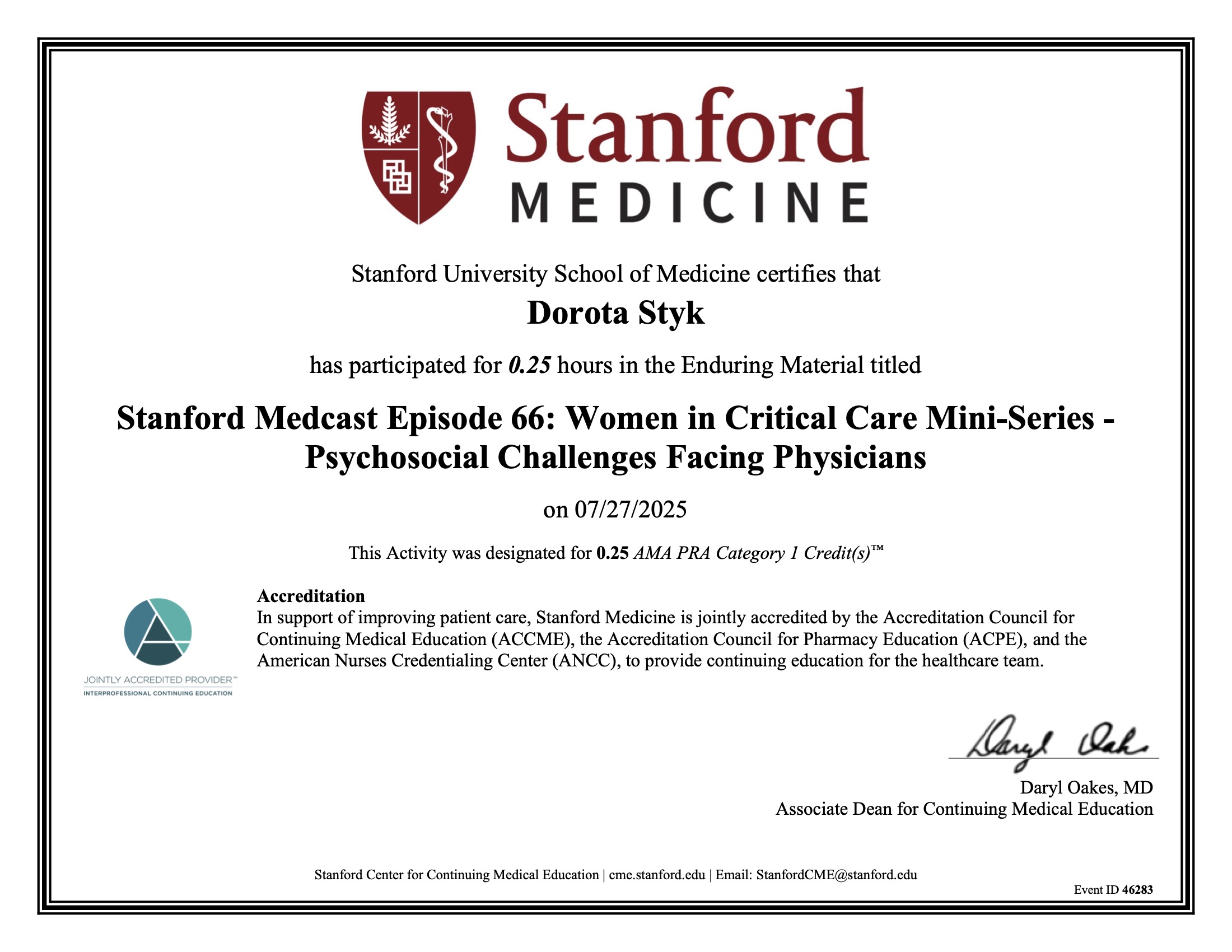
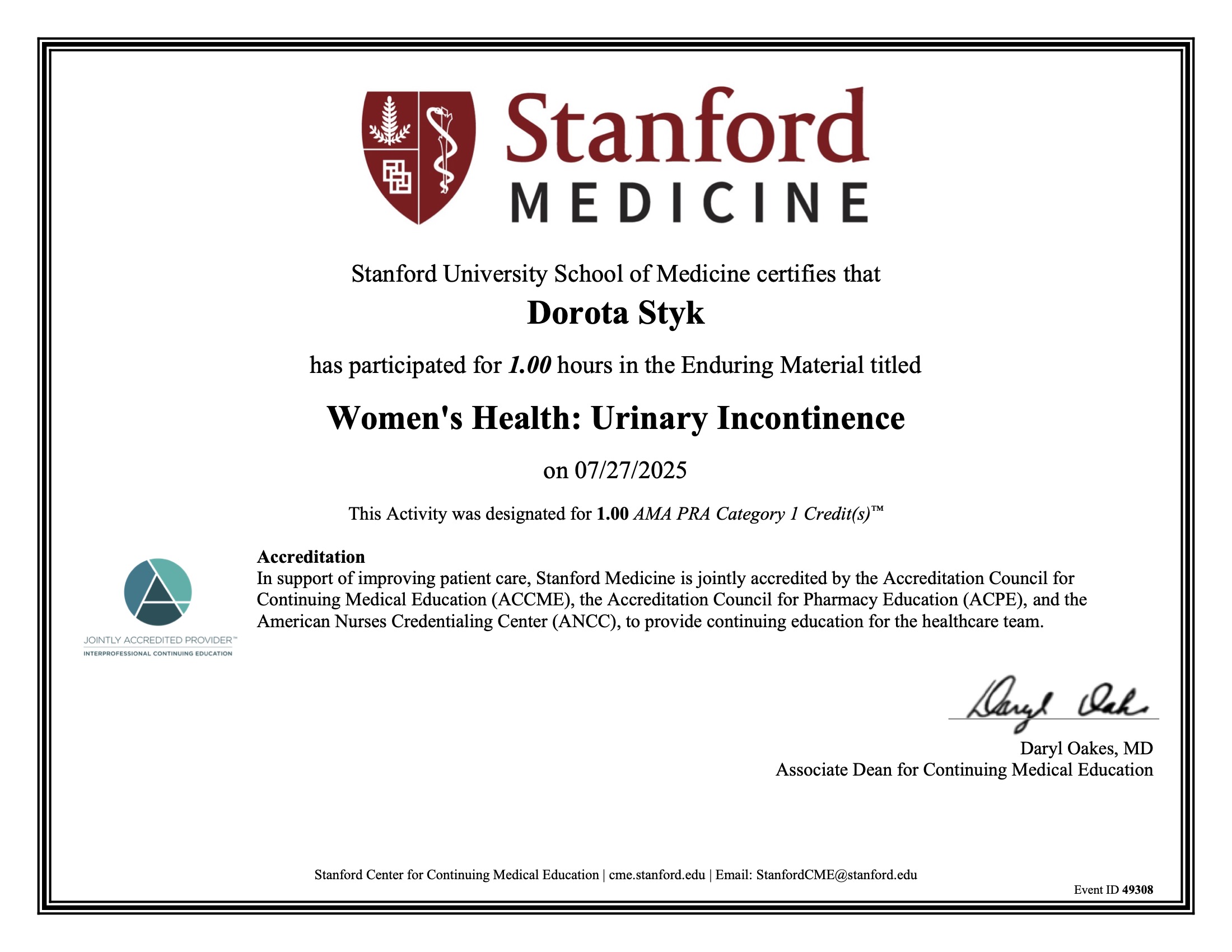
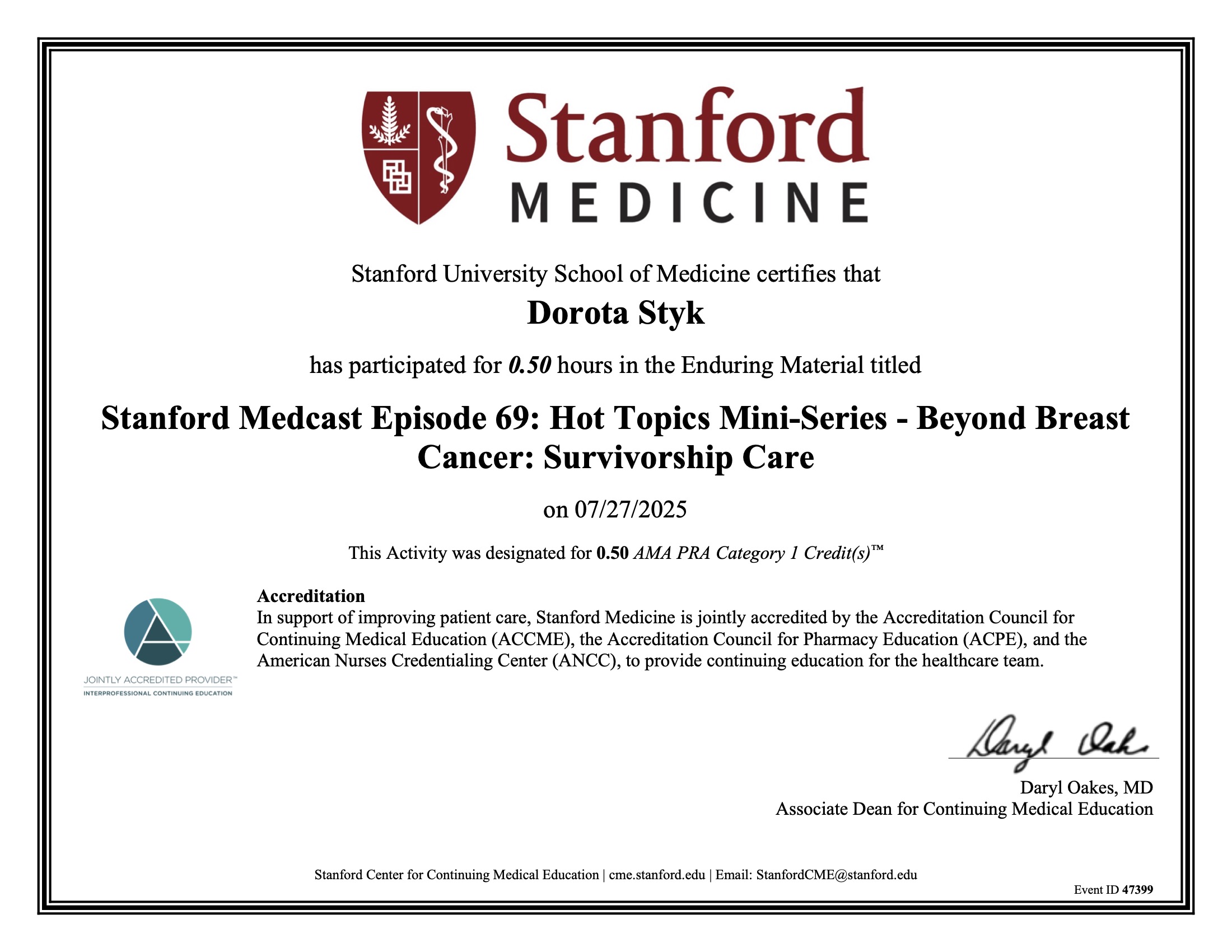
The entire list of the certifications can be seen here